
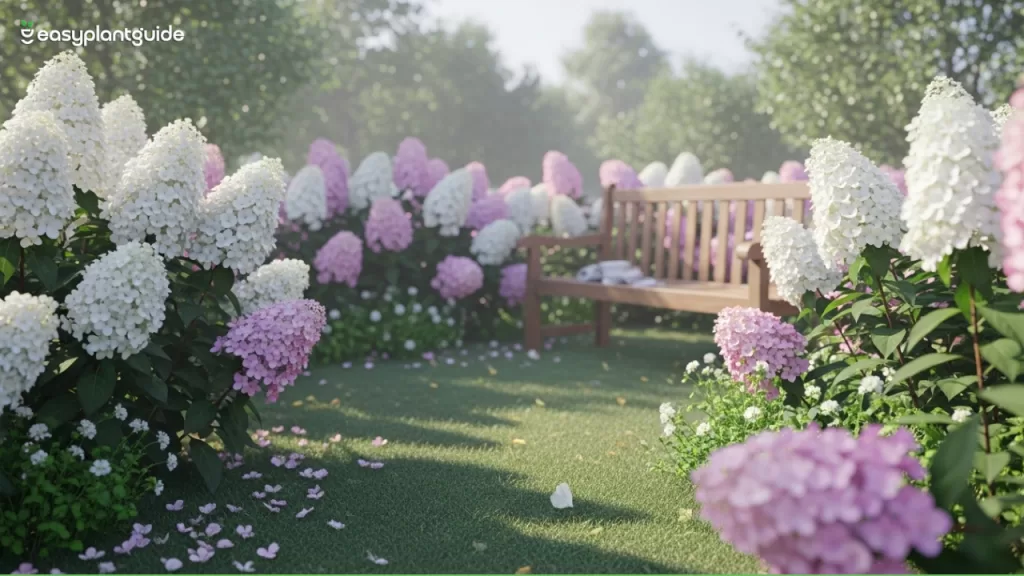
If you’re looking for a shrub that delivers massive blooms, bold personality, and nearly foolproof care, Hydrangea paniculata grandiflora is one of the best choices you can bring into your garden. Often called the Pee Gee Hydrangea, this variety has been a staple in classic landscapes for decades—and for good reason. It’s reliable, hardy, and transforms any corner into a dreamy, flower-filled paradise. In this guide, you’ll discover everything you need to know… how to plant it, how to care for it, when to prune it, and how to help it explode with those creamy-white panicle blooms. Ready to dive in? Let’s go.
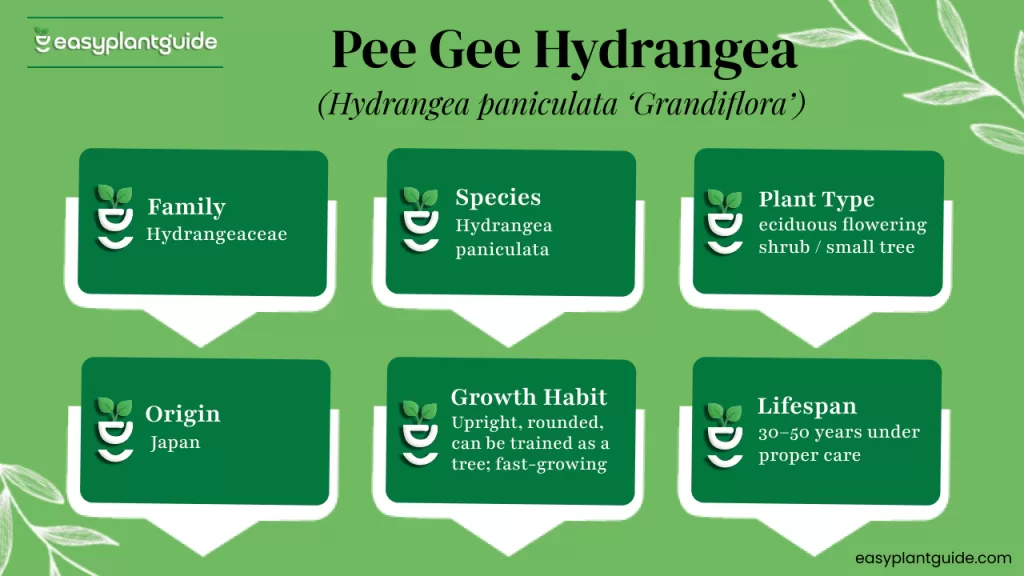
What Is Hydrangea Paniculata Grandiflora?
Hydrangea Paniculata Grandiflora is a stunning deciduous flowering shrub known for its large, cone-shaped blooms that start crisp white and gradually fade to soft pink as summer turns to fall. This dramatic color transition creates a captivating visual display, making it a favorite among gardeners and landscapers alike. Its upright and elegant growth habit allows it to serve as either a show-stopping shrub or a small ornamental tree, adding height and structure to any garden.
Unlike other hydrangea varieties that can be picky about sunlight or soil conditions, the Grandiflora is remarkably forgiving. It thrives in cooler climates, adapts to a range of soil types, and requires relatively low maintenance while producing abundant blooms year after year. Whether you want to create a romantic garden corner, a bold landscape feature, or simply enjoy a long-lasting flowering shrub, Hydrangea Paniculata Grandiflora is a reliable and visually enchanting choice.
Why Gardeners Love the Grandiflora Variety
Hydrangea paniculata grandiflora is popular for many appealing reasons. It’s charming, tough, and generous with blooms, making it a favorite among both beginners and experienced gardeners.
Top Reasons This Hydrangea Is a Favorite
Hydrangea Paniculata Grandiflora produces large, cone-shaped blooms that make a striking statement in any garden. It has better sun tolerance compared to most other hydrangea varieties, and its incredible cold-hardiness allows it to thrive in cooler climates. The plant grows quickly and is easy to maintain, providing consistent beauty with minimal effort. Whether used as a standalone shrub or trained as a small ornamental tree, it works beautifully in a variety of landscape designs.
Key Features of Hydrangea Paniculata Grandiflora
Knowing Hydrangea paniculata grandiflora characteristics will help you unlock the best care routine. Some of the most notable features include:
- Blooms from mid-summer to fall with large, cone-shaped flowers that fade from white to soft pink
- Can reach 10–20 feet when trained as a tree, adding vertical interest to landscapes
- Produces flowers even after heavy pruning, making it forgiving and easy to shape
- Tolerates full sun better than many other hydrangea species, while still thriving in partial shade
- Grows best in well-drained, nutrient-rich soil
- Excellent drought tolerance once established
- Resistant to common pests and diseases, reducing maintenance needs
- Adaptable to a variety of climates, including cooler regions
- Upright, rounded growth habit, perfect as a standalone specimen, hedge, or garden focal point
- Long-lasting blooms that create an impressive visual display from summer through fall
Growth Habits and Plant Appearance
Hydrangea Paniculata Grandiflora naturally grows in a rounded, upright shape, forming a dense, elegant shrub, though it can also be trained into a small tree. Its fast-growing branches produce large, cone-shaped blooms that start creamy white and gradually fade to soft pink, creating a painterly, watercolor-like effect. The lush green foliage adds texture and seasonal interest, turning golden or bronze in fall, making this hydrangea a versatile and visually striking addition to any garden.
Height and Spread Details
| Feature | Description |
|---|---|
| Mature Height | 10–20 ft (tree form) / 8–12 ft (shrub form) |
| Mature Spread | 8–12 ft |
| Bloom Size | Up to 12–18 inches long |
| Bloom Time | Mid-summer to late fall |
| Light Needs | Full sun to partial shade |
Ideal Conditions for Planting
Setting your Hydrangea Paniculata Grandiflora up for success starts with choosing the right location:
- Thrives in full sunlight in cooler climates, promoting strong growth and abundant blooms.
- In hotter areas, provide morning sun and afternoon shade to protect leaves and flowers from scorching.
- Prefers loamy, well-draining soil to ensure proper drainage while supplying essential nutrients.
- Space shrubs 6–10 feet apart to allow room for healthy growth and good air circulation.
- Keep soil consistently moist with regular watering to help establish strong roots and long-lasting blooms.
How to Plant Hydrangea Paniculata Grandiflora
Planting your Hydrangea paniculata grandiflora correctly ensures it thrives for years to come. Follow these detailed steps to give your plant the best start and enjoy healthy, abundant blooms.
Step 1: Dig the Hole
Start by digging a hole that is at least twice the width of the root ball. This extra space allows the roots to spread easily and prevents them from becoming cramped. A wide hole also ensures that water and nutrients are absorbed evenly, helping the plant establish strong roots quickly.
Step 2: Place the Hydrangea
Carefully place the hydrangea in the hole, making sure the top of the root ball is level with the surrounding ground. Avoid planting it too deep, as this can cause the roots to suffocate or rot. Take a moment to adjust the plant so it sits upright and faces the direction you want it to grow.
Step 3: Backfill with Soil
Fill the hole with organic-rich soil, gently pressing it down around the roots to eliminate any air pockets. Adding compost or well-rotted organic matter will provide extra nutrients for early growth. Ensure the soil is firm but not compacted, allowing roots to spread naturally.
Step 4: Water Deeply
Water the plant thoroughly immediately after planting to settle the soil around the roots and provide essential moisture. Deep watering encourages roots to grow downward, helping the plant become more drought-tolerant as it establishes. Check the soil regularly for the first few weeks to keep it consistently moist.
Step 5: Mulch the Base
Apply 2–3 inches of mulch around the base of the plant, keeping it a few inches away from the stem. Mulch helps retain soil moisture, regulates temperature, and suppresses weeds, giving your hydrangea the best chance to thrive. Organic mulches like shredded bark or compost also enrich the soil as they break down.
Hydrangeas love moisture, but they do not thrive in soggy soil. Proper watering is essential for healthy growth and abundant blooms.
Watering Requirements
During the first year after planting, water your hydrangea two to three times per week to help establish strong roots. Once the plant is established, you can reduce the frequency, adjusting for seasonal changes and rainfall. In periods of high heat, increase watering to prevent stress and wilting. Avoid overhead watering to reduce the risk of fungal diseases, and always keep the soil evenly moist without allowing it to become saturated.
Soil Preferences for Strong Growth
The right soil can make a significant difference in your hydrangea’s health and flower production. Your plant will thrive when planted in conditions that mimic its natural preferences. Slightly acidic soil with a pH between 5.5 and 6.5 is ideal for optimal bloom color and growth. Avoid heavy clay soils unless they are amended with compost or other organic matter to improve drainage. Adding compost yearly provides nutrients that encourage vigorous growth and abundant flowering. Good drainage is essential to prevent root rot, and alkaline soils should be avoided as they can negatively affect bloom quality.
Fertilizing Hydrangea Paniculata Grandiflora
Feeding your hydrangea regularly supports growth, strengthens roots, and encourages larger, longer-lasting blooms. Proper fertilization can make a dramatic difference in the health and appearance of the plant. Apply a slow-release fertilizer in early spring to provide nutrients throughout the growing season. A balanced 10-10-10 fertilizer works well, or you can use bloom boosters for more vibrant flowers. Avoid overfertilizing, as this can lead to leggy, weak growth. Incorporating organic compost enriches the soil naturally, while mulching around the base helps retain moisture and nutrients for steady, healthy development.
Pruning for Bigger and Better Blooms
One of the advantages of Hydrangea Paniculata Grandiflora is that it blooms on new wood, which makes pruning straightforward and highly effective for boosting flower production. Prune your hydrangea in late winter or early spring before new growth begins. Remove any dead, damaged, or crossing branches to improve airflow and overall plant health. Cutting back stems by about one-third encourages fuller, bushier growth and larger blooms. Shape the plant according to your desired garden design, and if growing it as a tree form, carefully remove lower branches to maintain a clean trunk and elegant structure.
Common Problems and Solutions
Even the toughest plants can encounter issues from time to time. Being aware of potential problems helps ensure your Hydrangea Paniculata Grandiflora stays healthy and vibrant.
Most Common Problems
Some of the issues gardeners often face include brown blooms caused by heat stress, leaf scorch from excessive sun exposure, and powdery mildew in humid climates. Insects such as aphids or scale can occasionally appear, and overwatering can lead to root rot if drainage is poor. Understanding these common problems allows you to act quickly before they impact the plant’s overall health.
Simple Fixes
Addressing these issues is generally straightforward. Increase watering during heatwaves to prevent blooms from browning, and provide shade if the leaves show signs of sunburn. For insects like aphids or scale, applying neem oil can help control infestations naturally. Improving air circulation around the plant reduces the risk of powdery mildew, and applying fungicide when necessary can protect your hydrangea from persistent fungal problems.
Companion Plants That Enhance Its Beauty
Pairing Hydrangea Paniculata Grandiflora with the right companions can elevate your garden’s design and create a visually stunning landscape. Carefully chosen plants add texture, contrast, and seasonal interest that complements the hydrangea’s bold blooms.
Top Companion Choices
Some of the best companions include shade-loving plants such as hostas and astilbes, which provide lush foliage and contrasting shapes. Ferns add a delicate, feathery texture, while Japanese forest grass creates a graceful, flowing effect around the base of the hydrangea. Flowering shrubs like Rose of Sharon can be planted nearby to extend color and bloom variety throughout the garden, resulting in a harmonious and attractive landscape.
Landscaping Ideas for Hydrangea Paniculata Grandiflora
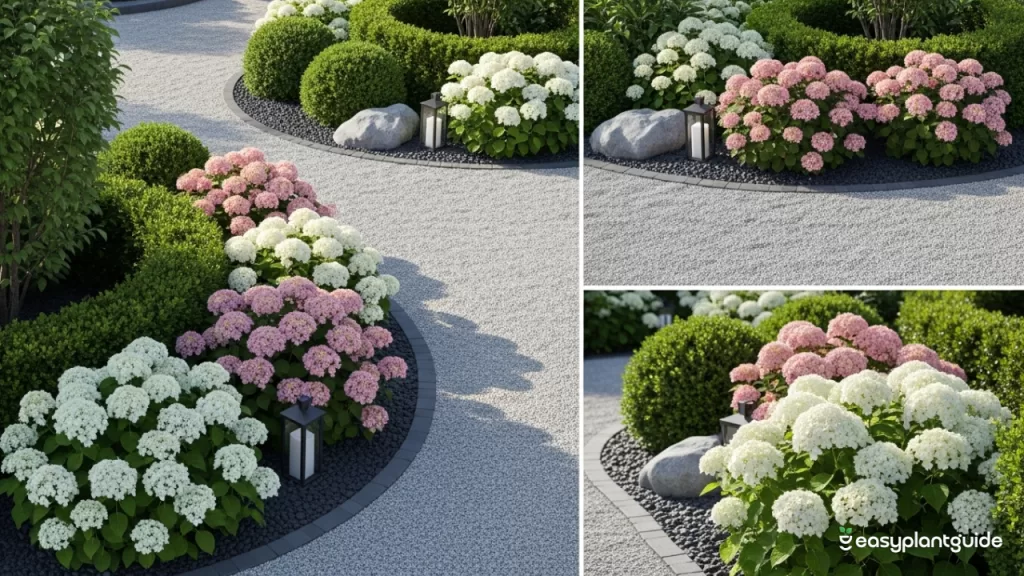
Hydrangea paniculata grandiflora can be the highlight of numerous landscape designs.
- Line a driveway with hydrangea trees
- Create a hydrangea hedge for privacy
- Add as a centerpiece in cottage gardens
- Plant in a moon garden for night glow
- Combine with evergreens for contrast
Conclusion
Hydrangea paniculata grandiflora is truly a powerhouse shrub—easy to care for, stunning in bloom, and versatile in any landscape design. Whether you want a dramatic garden statement, a low-maintenance floral feature, or a reliable bloomer that never disappoints, this hydrangea checks all the boxes. With proper planting, watering, fertilizing, and pruning, it will reward you year after year with huge, glowing blossoms that light up your garden.
Explore more plant blogs and grow your green journey with us.