
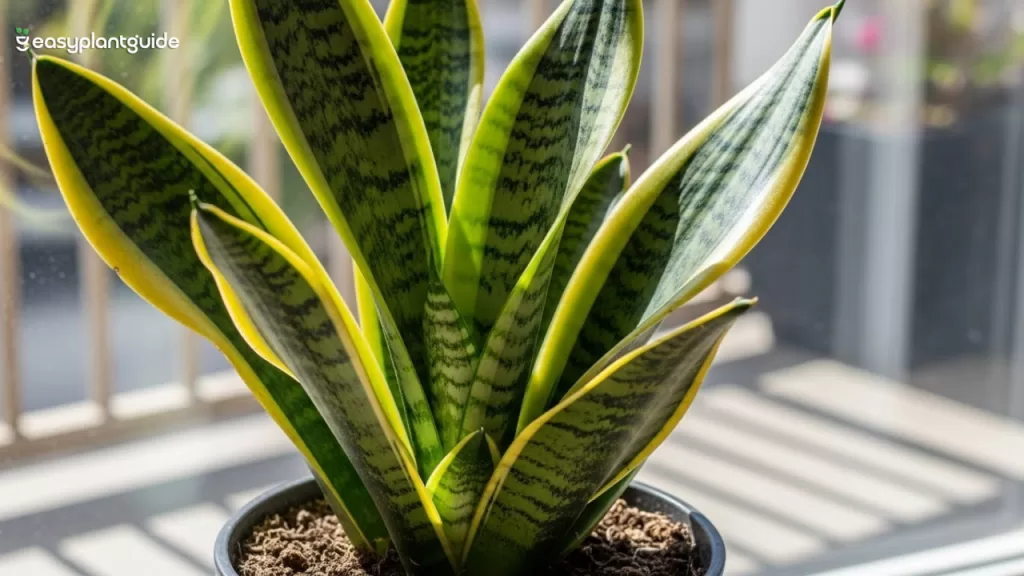
If you’ve ever asked yourself, “Can snake plants be in full sun?”, you’re definitely not alone. Snake plants, also known as Sansevieria, are famous for being nearly indestructible. But when it comes to sunlight, things get a little tricky. Some plant lovers swear their snake plant thrives outdoors in strong light, while others see scorched leaves and slow growth. So what’s the truth? can snake plants be in full sun?—or are you risking crispy leaves? Let’s dive deep into everything you need to know, with simple explanations, practical tips, and gardener-friendly insights.
Can Snake Plants Be in Full Sun?
The short answer: Yes, snake plants can survive full sun—but it isn’t always the best environment for them. While these hardy plants are known for their ability to thrive in almost any condition, intense direct sunlight can be a bit too much, especially if they’re not used to it.
In the wild, snake plants grow in shaded or partially lit African habitats, often protected by taller shrubs or rocks. This natural environment gives them plenty of brightness but not the harsh, blazing rays of full sun. Because of this, they’re naturally adapted to bright, indirect light, which keeps their leaves healthy and vibrant.
Why Sunlight Matters for Snake Plants
If you’re wondering can snake plants be in full sun, it’s important to understand how sunlight affects their overall health. Sunlight plays a huge role in how vibrant and strong your snake plant becomes. Even though these plants are famously low-maintenance, the type and amount of light they receive directly impact their growth, leaf color, and resilience. When a snake plant suddenly receives too much sun, especially harsh afternoon light, it can become stressed, showing browning, fading, or curling leaves.
On the other hand, providing the right balance of light can work wonders. Proper lighting encourages faster growth, deeper leaf colors, and stronger roots. Bright, indirect light mimics their natural environment and keeps them thriving. Understanding whether your plant can handle full sunlight is key to keeping it happy, healthy, and looking its best.
Natural Habitat: Clues to Their Light Preferences
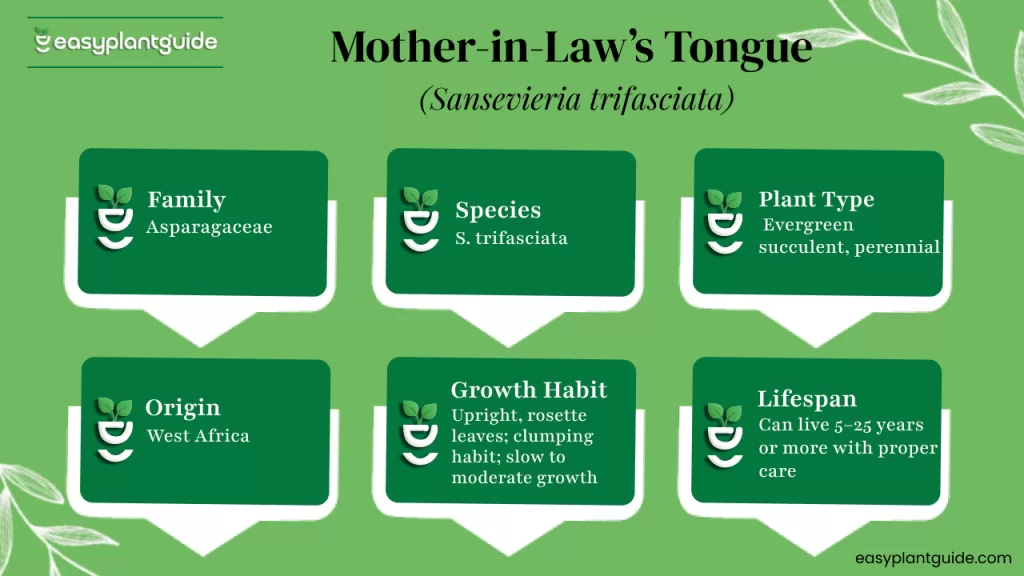
If you’re wondering can snake plants be in full sun, their natural habitat provides important insights. Snake plants originate from rocky, dry regions in West Africa. They usually grow under shrubs or in partial shade, receiving filtered sunlight rather than harsh, direct rays.
What this tells us
- They are adapted to high-brightness environments, but
- Not adapted to long hours of harsh, direct sunlight
- Their leaves can burn if exposed suddenly
- Slow acclimation is essential
- They thrive with some protection in peak summer
What Happens If You Put Snake Plants in Full Sun?
If you’re wondering can snake plants be in full sun, it’s important to know how sudden exposure affects their health. Snake plants are naturally adapted to partial shade or filtered sunlight, so placing them abruptly in full sun can lead to stress. You might notice leaf scorching, browning along the tips and edges, crispy patches, yellow spots, or faded variegation, all signs that the plant is reacting to too much direct sunlight.
Slower growth is another common sign, as the plant diverts energy to cope with the stress instead of producing new leaves. If you’ve been questioning can snake plants be in full sun, this is a key reason why gradual acclimation is essential. By slowly increasing sunlight exposure over several weeks, your snake plant can adjust and eventually thrive in brighter conditions. Once acclimated, snake plants can survive and even flourish in full sun, developing stronger leaves and more vibrant coloration. Understanding these signs and adjusting care ensures your plant remains healthy while enjoying more sunlight safely.
Benefits of Full Sun for Snake Plants
If you’re wondering can snake plants be in full sun, the good news is that full sun isn’t all bad. Once your snake plant is properly acclimated, it can actually thrive and show noticeable improvements. Understanding these benefits helps explain why a little sunlight, when managed carefully, can be very good for your plant.
- Exposure to brighter light encourages the plant to grow more vigorously, producing new leaves quicker than in low-light conditions.
- Sunlight can enhance the natural variegation and intensity of your snake plant’s leaves, making them look brighter and healthier.
- With proper light, the roots grow deeper and stronger, which improves overall plant stability and nutrient absorption.
- Plants exposed to some sun develop tougher leaves and stronger water retention, helping them survive longer periods without water.
- A well-lit, healthy snake plant is less susceptible to pests and fungal problems compared to a weak, shaded one.
How to Transition a Snake Plant to Full Sun
If you’re wondering can snake plants be in full sun, the key is to transition them gradually rather than exposing them abruptly. If you want your plant to live outdoors or tolerate harsh sun, start by introducing it to just an hour or two of morning sunlight and increase exposure slowly over several weeks. This gentle approach helps the leaves adapt without burning or stress, ensuring your snake plant can thrive safely in brighter conditions. With patience, your plant will adjust and eventually grow strong and healthy under full sun.
5-Step Safe Transition
- Start with 1–2 hours of morning sun
- Increase exposure by 30 minutes weekly
- Keep soil slightly moist during the transition
- Avoid placing it in harsh afternoon sun initially
- Watch for signs of stress (browning, curling)
Best Snake Plant Varieties for Full Sun
If you’re asking can snake plants be in full sun, it’s important to know that not all varieties tolerate sunlight equally. While some can handle bright, direct light, others prefer more shade. Choosing a sun-tolerant variety makes it much easier to grow your plant outdoors or in a very bright spot.
- This classic variety is hardy and adapts well to brighter conditions, with striking yellow-edged leaves that stay vibrant in sun.
- Known for its dark green, sword-shaped leaves, this variety thrives in bright light while maintaining strong, healthy growth.
- With cylindrical, upright leaves, this variety is sun-hardy and adds a unique architectural element to your garden or indoor space.
- The nearly black leaves of this variety can tolerate bright conditions and create a bold contrast in any setting.
- Pale, silvery leaves make this variety a standout, and it handles sunlight better than many other snake plants, especially with gradual acclimation.
Types of Sun That Snake Plants Can Handle
| Sun Type | Can Snake Plants Handle It? | Notes |
|---|---|---|
| Morning Sun | Yes | Gentle and ideal |
| Bright Indirect Light | Yes | Best for overall health |
| Afternoon Sun | Caution | Can burn leaves quickly |
| Harsh Midday Sun | No | Causes sun scorch |
| Full Outdoor Sun | Yes, slowly | Must be acclimated |
Outdoor vs. Indoor Sunlight Exposure
If you’re wondering can snake plants be in full sun, it’s important to consider whether your plant is better suited for indoor or outdoor placement. Outdoor sunlight is typically much stronger and more direct, which can quickly stress a snake plant if it isn’t properly acclimated. Plants placed outside need careful attention to watering, soil quality, and some protection or shade during the hottest parts of the day.
Indoor sunlight, on the other hand, is usually filtered through windows, making it gentler on the leaves. While indoor snake plants may not grow as quickly as those in partial outdoor sun, they are less likely to experience leaf burn or dehydration. Deciding whether your plant can handle full sunlight depends on your climate, the time of year, and how gradually you expose it to stronger light. By weighing these factors, you can ensure your snake plant thrives in its environment, whether indoors or outdoors.
Keeping Snake Plants in Full Sun Outdoors
Outdoor full sun is much harsher than indoor sunlight, exposing your snake plant to stronger heat and intense rays. However, with proper care, your plant can gradually adapt and thrive. Placing it near a wall or structure provides some protection during the hottest parts of the day while still giving it plenty of light. During periods of extreme heat, the plant may need more frequent watering to prevent the soil from drying out completely. Using well-draining soil is essential to avoid root rot, and adding a layer of mulch on top helps retain moisture and keep the roots cool. Rotating the pot regularly ensures all leaves receive even sunlight and prevents uneven growth.
Indoor Full Sun — What to Know
Indoor full sun usually refers to placing your snake plant on a windowsill or near a bright window where it receives strong light. If you’re wondering can snake plants be in full sun, it’s important to protect them from excessive heat and direct rays, even indoors. Using sheer curtains can help filter harsh sunlight, and you should avoid pressing the leaves directly against hot glass to prevent burns. Rotating the plant every few days ensures balanced growth, while monitoring leaf color helps you spot fading or stress early. For those asking can snake plants be in full sun indoors, occasional misting can keep the air around the plant comfortable and help it thrive under bright light conditions.
Common Problems When Exposing Snake Plants to Full Sun
Even if you’re wondering can snake plants be in full sun, even sun-tolerant varieties can face issues when exposed too quickly or under extreme conditions. One common problem when considering can snake plants be in full sun is sunburn, which shows as brown or scorched patches on the leaves. Dehydration can occur because intense light makes soil and leaves lose moisture faster than usual, a key concern if you’re unsure can snake plants be in full sun.
Leaf curling is another sign of stress from too much sun, and prolonged exposure can cause a loss of variegation, fading the leaves—another reason to monitor whether can snake plants be in full sun for your variety. Additionally, soil can dry out too quickly, affecting overall health, so knowing can snake plants be in full sun helps you adjust care to keep the plant thriving.
How to Fix Sunburned Snake Plant Leaves
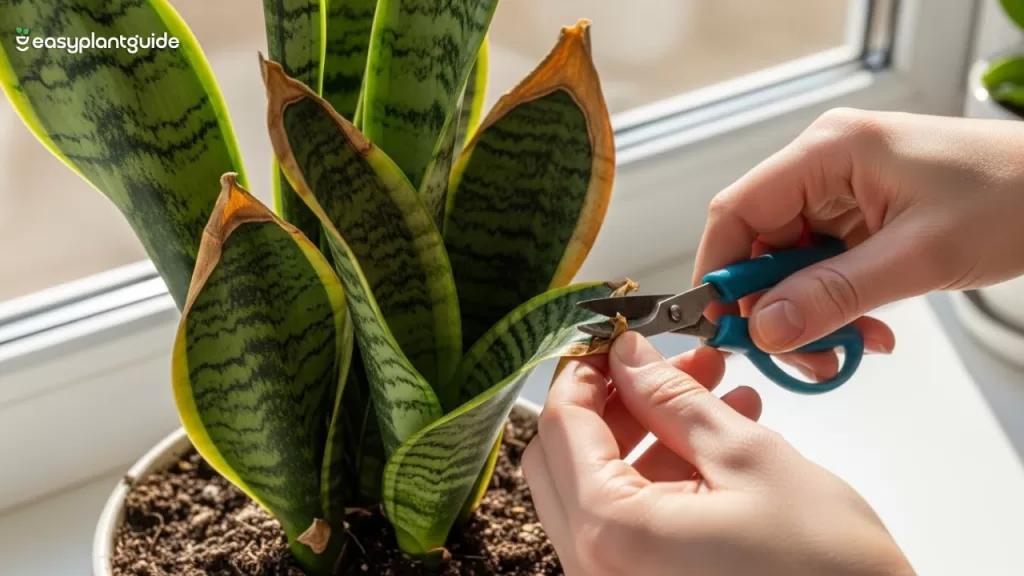
If you’re dealing with leaf damage and wondering can snake plants be in full sun, the answer is yes, but only with careful acclimation. While existing sunburned leaves can’t be reversed, you can help new growth recover and keep your plant healthy. Start by trimming any badly burned areas to prevent further stress or infection. Move the plant to bright, indirect light to allow it to recover safely. Slightly increasing watering can help if the plant seems dehydrated, and adding a shade cloth outdoors can protect it from harsh sunlight. If the roots appear dry or the soil is depleted, repotting into fresh, well-draining soil will give your snake plant a strong start toward healthy growth under sunlight.
Watering Needs for Snake Plants in Full Sun
If you’re wondering can snake plants be in full sun, it’s important to adjust their watering routine. When exposed to full sunlight, water evaporates from the soil more quickly, so they need slightly more frequent watering than usual. Outdoors in direct sun, watering every 5–7 days is usually sufficient, while indoors in bright light, every 10–14 days works best. During winter, reduce watering to once every 3–4 weeks. Always check that the top layer of soil is dry before watering to avoid overwatering, which can harm the roots even in sunny conditions.
Final Thought on can snake plants be in full sun
So, can snake plants be in full sun? Absolutely—but only with proper preparation. Snake plants are tough, but harsh sun can overwhelm them if you rush the process. Once acclimated, they can grow faster, stronger, and even more beautiful under brighter conditions. Just remember to transition slowly, keep an eye on leaf health, and adjust watering as needed. With a bit of patience and care, your snake plant can thrive almost anywhere you place it—sunlight included.
Explore more plant blogs and grow your green journey with us.