
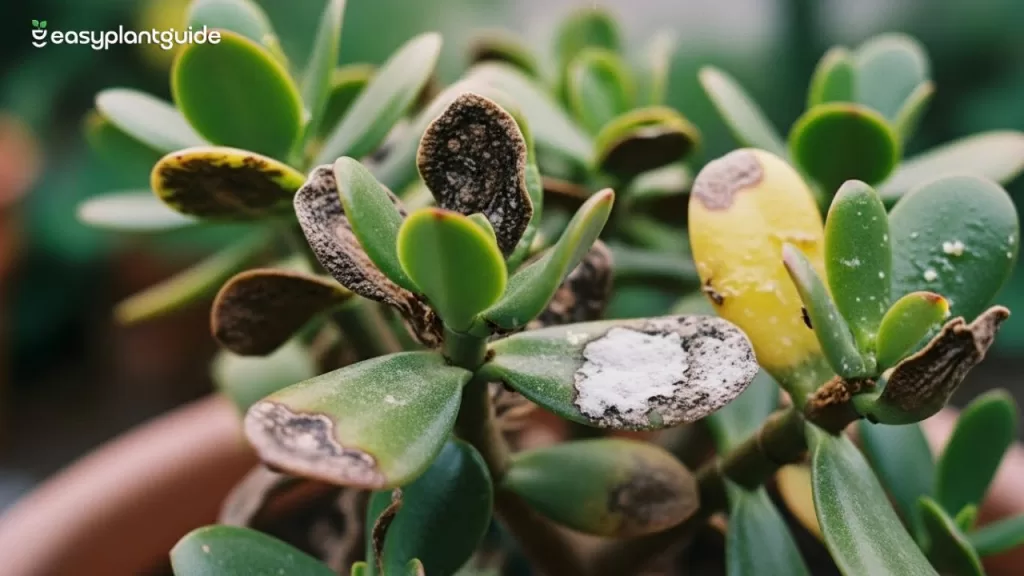
jade plant diseases are often praised for their durability, beginner-friendly nature, and timeless beauty, but even these tough succulents can face a surprising number of problems when conditions aren’t ideal. Many plant owners assume jade plants practically take care of themselves, but this false sense of security can lead to overlooked symptoms like sudden leaf drop, unusual spotting, or mushy stems that often signal disease. Understanding jade plant diseases is essential because early identification increases the likelihood of saving your plant before irreversible damage occurs. When you learn what causes these issues and how they begin, you gain the power to intervene before the disease becomes severe, ensuring your jade plant continues to thrive instead of slowly deteriorating.
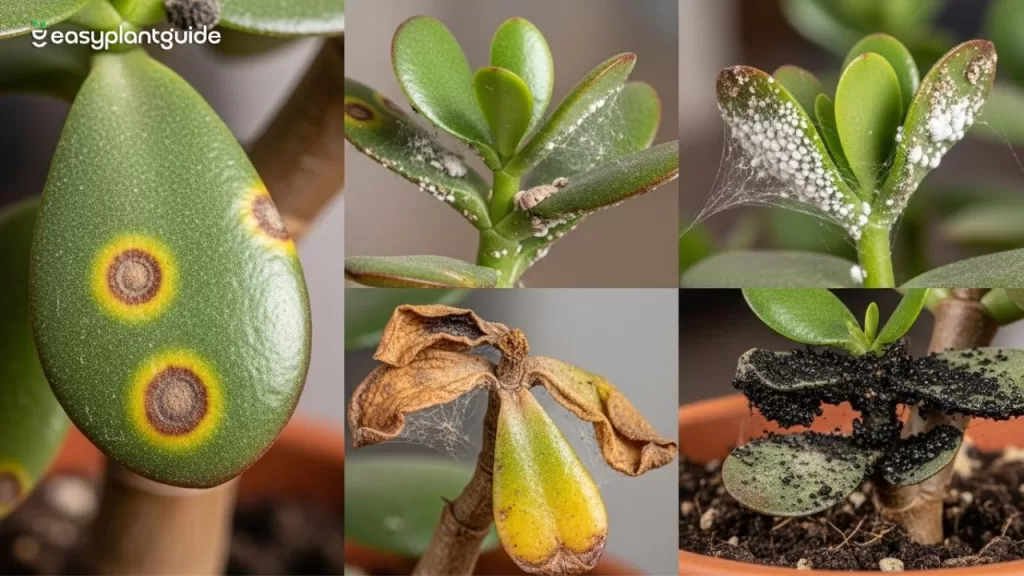
Common Causes of Jade Plant Diseases
Jade plant diseases often develop when environmental conditions shift in a direction that weakens the plant’s natural defenses. Overwatering, for example, suffocates the roots, while poor air circulation invites fungal spores to settle and spread. Stress also plays a major role, as plants experiencing sudden temperature changes or insufficient light become more vulnerable to pathogens and pest attacks. Another common cause is the use of contaminated tools or pots, which may introduce bacteria or fungi without you realizing it. By understanding these causes, you can directly control your plant’s health and dramatically reduce the likelihood of disease outbreaks in your indoor garden.
Fungal Diseases That Affect Jade Plants
Fungal diseases are among the most common ailments jade plant diseases encounter, mainly because fungi thrive in humid, poorly ventilated, or overly wet environments. Jade plants naturally store moisture in their thick leaves and stems, making them particularly sensitive to excess water in the soil or air. Once fungal spores settle onto the plant or roots, they can quickly reproduce and compromise the plant’s health, often beginning subtly before causing widespread damage. Recognizing early symptoms—such as powdery residue, circular spots, or unusual discoloration—helps you take action before the fungus spreads from one part of the plant to the entire structure.
Root Rot (The Most Dangerous Jade Plant Disease)
Root rot is by far the most destructive fungal disease affecting jade plant diseases because it occurs below the soil where it is hardest to detect. Many people unknowingly cause root rot by watering their jade too frequently or using soil that does not drain well. Over time, the roots become deprived of oxygen, creating the perfect breeding ground for fungi like Pythium and Phytophthora. As the roots decay, the plant loses its ability to absorb water and nutrients, causing visible symptoms above the soil. Acting quickly is essential because severe root rot often leaves few healthy roots behind.
Symptoms of Root Rot
- Mushy, black, or brown roots
- Plant becomes wobbly at the base
- Leaves turn yellow and fall off
- Soil smells unpleasant
- Slow or stunted growth
Powdery Mildew on Jade Plants
Powdery mildew is a widespread fungal disease that appears as a white, powder-like coating on leaves, stems, and sometimes soil. Although it may look like simple dust at first glance, this fungal growth can spread very quickly, especially in homes with poor airflow or high humidity. jade plant diseases exposed to sudden shifts in temperature or placed too close together in clusters are particularly susceptible. If left untreated, powdery mildew interferes with photosynthesis by blocking sunlight from reaching the leaf surface, gradually weakening the jade plant over time until the leaves lose vibrancy and strength.
What Causes Powdery Mildew?
- Poor airflow
- High humidity
- Sudden temperature changes
- Overcrowding plants
- Keeping jade in dark, damp spaces
Sooty Mold Growth
Sooty mold is a secondary fungal issue that grows on sugary secretions called honeydew left behind by pests like aphids, mealybugs, and scale insects. While the fungus itself does not invade plant tissue, it coats the surface of leaves in a dark, soot-like layer that blocks sunlight and prevents proper gas exchange. Over time, this reduces the plant’s ability to photosynthesize effectively, causing dull, weakened leaves. If the underlying pest problem is not addressed, the mold will continue to return, eventually impacting the plant’s overall health and growth.
Key Signs of Sooty Mold
- Sticky leaves
- Black, charcoal-like coating
- Leaves appear dull
- Insect activity nearby
- Reduced photosynthesis efficiency
Bacterial Diseases in Jade Plants
Bacterial infections are less common than fungal ones but usually far more aggressive, often leading to rapid tissue decay if not managed immediately. These infections typically enter through wounds caused by pruning tools, broken stems, or pest damage. Once bacteria infiltrate the plant, they spread quickly through internal tissues, breaking down cell structures and causing soft, mushy areas. Because bacteria thrive in humid environments, jade plant diseases kept in poorly ventilated or overly wet rooms are significantly more vulnerable. Early detection and strict sanitation are crucial in preventing these diseases from destroying your plant entirely.
Bacterial Soft Rot
Bacterial soft rot is particularly devastating because it causes jade plant diseases tissues to liquefy, turning firm, healthy stems into foul-smelling mush. The disease often starts at a small wound or at the base of the stem, spreading rapidly during warm, humid conditions. As the bacteria break down plant cells, they release a strong odor and cause leaves to collapse. Since this disease cannot be reversed once it spreads, the only solution is removing infected areas and preventing it through cleanliness and proper environmental conditions. Acting quickly is the best way to preserve any remaining healthy portions of the plant. Common Indicators are as follow.
- Wet, mushy stem tissue
- Foul odor
- Leaves collapse or melt
- Rapid plant decline
- Oozing liquid
Viral Diseases and Their Impact on Jade Plants
Although jade plant diseases, they pose significant challenges because they cannot be cured. Viral infections often create distorted growth patterns, unusual leaf textures, or discoloration that resembles mosaic patterns. These viruses typically spread through sap transfer, contaminated tools, or certain pest species. Because symptoms are often subtle at first, many plant owners mistake viral issues for nutrient deficiencies or stress. Once confirmed, infected plants should be isolated immediately to protect nearby plants. Prevention remains the best method, emphasizing tool sanitation and pest control to stop viruses from ever entering your jade plant collection.
Jade Plant Pests That Cause Disease-like Symptoms
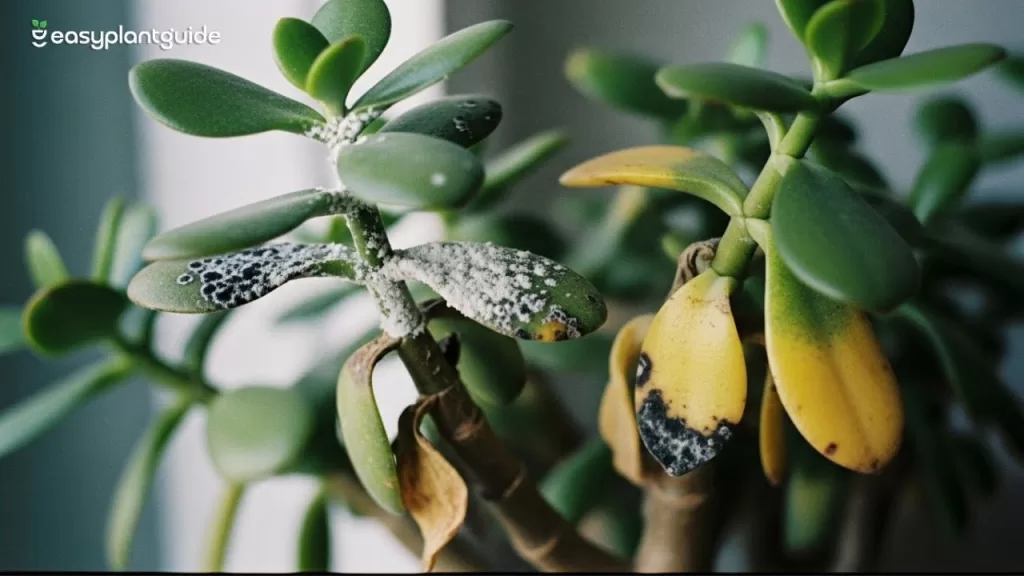
Pests are a major threat to jade plant diseases because they not only feed on plant sap but also create wounds that invite bacteria and fungi. Many pests hide on leaf undersides or within stem joints, making them difficult to spot until the damage becomes noticeable. They also produce honeydew that leads to secondary fungal problems like sooty mold. While pests may not always kill the plant directly, their presence weakens the jade plant significantly, making it more vulnerable to disease. Recognizing the early signs of pest infestations can prevent long-term damage and keep your plant healthy.
Mealybugs on Jade Plants
Mealybugs are soft-bodied pests that look like tiny clusters of white cotton, often hiding in hard-to-reach plant crevices. These pests attach themselves to jade plant leaves and stems, sucking out the sap and leaving behind sticky honeydew that promotes mold. Over time, the plant becomes stressed, displaying yellow patches, curled leaves, and slow growth. Mealybugs spread rapidly, especially in indoor environments with stable temperatures. Without intervention, they can overwhelm a jade plant diseases and contribute to secondary fungal infections, making treatment more difficult. Signs of Mealybug Infestation.
- White cotton clusters on leaves
- Sticky residue
- Curling leaves
- Yellow patches
- Slowed plant growth
Spider Mites and Their Damage
Spider mites are nearly microscopic and often go unnoticed until their damage becomes widespread. These pests thrive in warm, dry indoor environments where jade plants commonly grow. Their feeding activity creates tiny punctures on leaf surfaces, leading to speckled or pale foliage. As their population increases, they spin thin webbing that can cover stems and leaves. If not controlled, spider mites can cause severe dehydration in jade plant diseases, resulting in leaf drop and weakened overall growth. Regular inspection and proper humidity levels greatly reduce the likelihood of infestation.
Typical Symptoms
- Fine webbing
- Spotted leaves
- Pale or dusty leaf surfaces
- Leaf drop
- Dry, brittle foliage
Environmental Stress Mistaken for Disease
Many jade plant diseases appear similar to disease symptoms but are actually caused by environmental stress. Conditions like low light, excessive heat, underwatering, or sudden relocations can all lead to yellowing leaves, drooping stems, or sluggish growth. Because these symptoms mimic the early signs of disease, plant owners often misdiagnose the problem and attempt unnecessary treatments. Understanding environmental triggers helps you pinpoint the true cause more accurately and adjust care habits accordingly. Preventing stress is just as important as preventing disease.
Environmental Stress Factors
- Too much direct sun
- Too little sunlight
- Drastic temperature changes
- Underwatering
- Poor soil drainage
Table: Difference Between Pests, Fungi, and Bacterial Issues
| Issue Type | Main Cause | Key Symptoms | Severity | Treatment Approach |
| Fungal Disease | Excess moisture | Powdery growth, rot | High | Fungicides + drainage |
| Bacterial Disease | Infections in wounds | Wet, mushy tissues | Very High | Remove infected parts |
| Pest Infestation | Insects feeding | Sticky residue, spots | Medium | Neem oil + soap spray |
| Environmental Stress | Improper care | Yellowing, leaf drop | Low–Medium | Adjust conditions |
How to Diagnose Jade Plant Diseases Early
Diagnosing jade plant diseases early significantly increases your chances of saving the plant before the issue becomes too advanced. Regular inspections allow you to spot subtle changes that may otherwise be overlooked, such as slight discoloration, unusual textures on leaves, or hidden pests. Touching the soil to check moisture levels and examining stems for firmness also help you detect underlying problems like root rot or bacterial infections. Developing a routine helps you catch symptoms long before they escalate, ultimately protecting your jade plant from long-term harm.
Diagnostic Checklist
- Inspect leaves for spots
- Examine stems for mushiness
- Smell the soil
- Look for pests under leaves
- Check soil moisture levels
Effective Treatments for Jade Plant Diseases
Treating jade plant diseases successfully requires understanding the root cause and applying the correct method rather than relying on guesswork. A fungal infection, for example, needs improved airflow and fungicides, while bacterial diseases require removing infected tissue immediately. Overwatering issues demand repotting and better soil, whereas pest infestations respond best to neem oil or insecticidal soap. Matching the right treatment to the problem ensures faster recovery and prevents recurrence. Patience is key, as jade plant diseases often take time to show improvements even after successful treatment.
Treating Root Rot Successfully
Treating root rot can be challenging but is often possible when caught early. Removing the plant from its pot allows you to assess the extent of the damage. Infected roots must be trimmed away, leaving only firm, white roots behind. Repotting in a dry, well-draining soil mix prevents moisture buildup that might reignite fungal growth. It’s important to adjust your watering schedule afterward, letting the soil dry completely before watering again. With consistent care, many jade plant diseases bounce back from mild to moderate root rot and eventually return to healthy growth.
Treatment Steps
- Remove plant from the pot
- Cut off infected roots
- Apply fungicide
- Repot in fresh, dry soil
- Reduce watering frequency
Treating Leaf Spot or Fungal Leaf Diseases
Leaf spot diseases are often caused by moisture sitting on the leaves or poor airflow around the plant. These conditions encourage fungi to settle and spread, creating brown, black, or reddish circles on leaf surfaces. Removing affected leaves prevents spores from spreading further, while improving ventilation discourages fungi from returning. Fungicide sprays offer additional support, but lifestyle adjustments—like watering the soil instead of the leaves—provide better long-term protection. Ensuring the plant receives adequate indirect light also speeds up recovery.
How to Treat Leaf Spots
- Remove affected leaves
- Improve airflow
- Use a gentle fungicide
- Avoid watering leaves
- Ensure bright but indirect light
Preventing Jade Plant Diseases (Long-Term Tips)
Preventing diseases is easier and more effective than treating them after they appear. Jade plants thrive when given proper light, drainage, and balanced watering routines. Using the correct soil mix ensures oxygen reaches the roots while preventing moisture buildup that invites fungal growth. Regularly inspecting your plant for pests or unusual symptoms allows early intervention, stopping problems before they spread. Cleanliness—such as wiping leaves or disinfecting tools—also prevents bacteria and fungi from transferring between plants. With consistent attention, you can maintain a disease-free jade plant effortlessly. Top Prevention Tips
- Water only when soil dries completely
- Use well-draining cactus/succulent soil
- Provide bright sunlight
- Clean leaves regularly
- Inspect for pests monthly
Best Soil Mix for Disease-Free Jade Plants
The soil you choose has a significant impact on your jade plant’s long-term health and resistance to disease. Jade plants require well-aerated soil that drains quickly, preventing water from sitting around the roots. A combination of cactus soil, perlite, sand, and a small amount of organic matter creates the ideal growing environment. This blend supports healthy root development while reducing the risk of fungal growth. By choosing the right soil, you proactively prevent many diseases from ever developing, giving your jade plant the foundation it needs to thrive. Recommended Soil Combination
- 50% cactus soil
- 25% perlite
- 15% coarse sand
- 10% compost
- Optional: small amount of charcoal
When to Repot Your Jade Plant to Avoid Diseases
Repotting is an essential part of jade plant care because it refreshes the soil, removes hidden pests, and improves root health. Over time, soil becomes compacted, reducing airflow and creating conditions that encourage root rot. Repotting every two to three years ensures your jade plant has enough space to grow and access nutrients. If you notice signs like foul-smelling soil, poor drainage, or roots escaping the pot, these indicate it’s time for a fresh start. Proper repotting helps prevent disease and supports long-lasting growth. Signs It’s Time to Repot
- Slow growth
- Water pooling on top of soil
- Soil smells bad
- Roots coming out of drainage holes
- Mold on the soil surface
How to Revive a Dying Jade Plant
Jade plant diseases may feel overwhelming, but many jades bounce back when given proper care and patience. Start by removing all infected, mushy, or damaged parts of the plant, which prevents disease from spreading. Next, improve the plant’s environment by increasing airflow, providing bright but indirect sunlight, and adjusting the watering schedule. Feeding the plant with a diluted fertilizer after recovery begins encourages new growth. Even plants that look beyond rescue can surprise you with their resilience when provided with stable, supportive conditions. Revival Tips
- Remove all infected sections
- Provide ample sunlight
- Let the plant dry thoroughly
- Feed with diluted fertilizer
- Support weak stems with stakes
Conclusion
jade plant diseases may be hardy, but they are not immune to diseases that can compromise their health when conditions become unfavorable. By developing a strong understanding of jade plant diseases, their causes, symptoms, and effective treatments, you equip yourself with the knowledge to protect your plant from harm. Early diagnosis, proper watering habits, good airflow, and the right soil mix form the foundation of long-term jade plant health. With consistency and awareness, your jade plant can thrive for years, rewarding you with vibrant, resilient growth that adds beauty and life to your space.
Check out other Plant Blogs.