
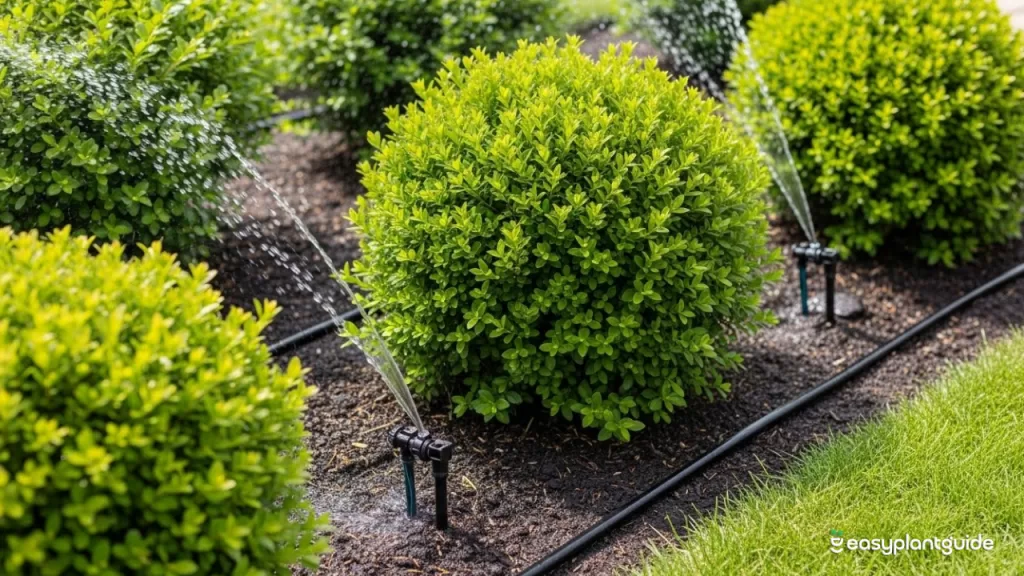
If you want your shrubs to grow healthier, fuller, and greener, a shrub irrigation system is your secret weapon. Many gardeners struggle with inconsistent watering, dry patches, or overwatering—but an optimized irrigation system solves all of that. In this guide, we’ll break down everything you need to know in a simple, friendly, and practical way.
What Is a Shrub Irrigation System?
A shrub irrigation system is a specialized watering setup designed to supply slow, controlled moisture directly to shrubs, hedges, and plant beds. Instead of spraying water broadly like traditional sprinklers, it delivers hydration right to the root zone, where shrubs actually need it most. This targeted approach reduces water waste, keeps the soil evenly moist, and helps plants develop deeper, stronger roots. As a result, shrubs grow healthier, stay greener, and become more resilient against heat, drought, and seasonal stress.
Why Shrubs Need a Dedicated Irrigation System
Shrubs aren’t like grass or flowers—they grow larger, have deeper root systems, and require steady, controlled moisture to stay healthy. Because their roots reach further down, they need water delivered slowly and directly into the soil rather than quick surface watering. A dedicated irrigation system ensures every shrub receives the right amount of hydration without wasting water or causing uneven growth.
Key Benefits
- Consistent moisture levels: A shrub irrigation system keeps the soil evenly moist, preventing the stress that comes from sudden drying or overwatering.
- Better root development: Deep, targeted watering encourages roots to grow stronger and deeper, which supports long-term plant health.
- Lower water usage: By delivering water directly to the roots, you drastically reduce evaporation and water waste—making your garden more efficient.
- Healthier foliage: When shrubs receive the right hydration, they produce fuller, greener, and more vibrant leaves without yellowing or wilting.
- Stronger resistance to heat: Well-watered shrubs withstand heat waves better because deep-root moisture keeps them cool and stable during harsh weather.
Types of Shrub Irrigation Systems
There isn’t a “one-size-fits-all” solution when it comes to watering shrubs. Each garden layout, soil type, and shrub variety can benefit from a different irrigation method. Below are the top systems gardeners rely on to provide efficient, consistent moisture while reducing water waste.
Drip Irrigation
Drip irrigation delivers water slowly and directly to the base of each shrub using small emitters. This targeted method minimizes evaporation and runoff, making it one of the most water-efficient options available. It’s perfect for shrubs that prefer steady, deep hydration at the root level.
Soaker Hoses
Soaker hoses are porous hoses that gently seep water along their entire length. They’re ideal for shrub beds or areas where multiple plants grow close together. Because they keep the soil evenly moist, they help prevent drought stress and reduce the need for frequent watering.
Micro-Sprinklers
Micro-sprinklers spray a light, controlled mist or small stream of water over a wider area. They’re great when you want even coverage for shrubs of varying sizes without using heavy sprinklers. This system works especially well in garden beds where plants benefit from a broader, gentle watering pattern.
Components of a Shrub Irrigation System
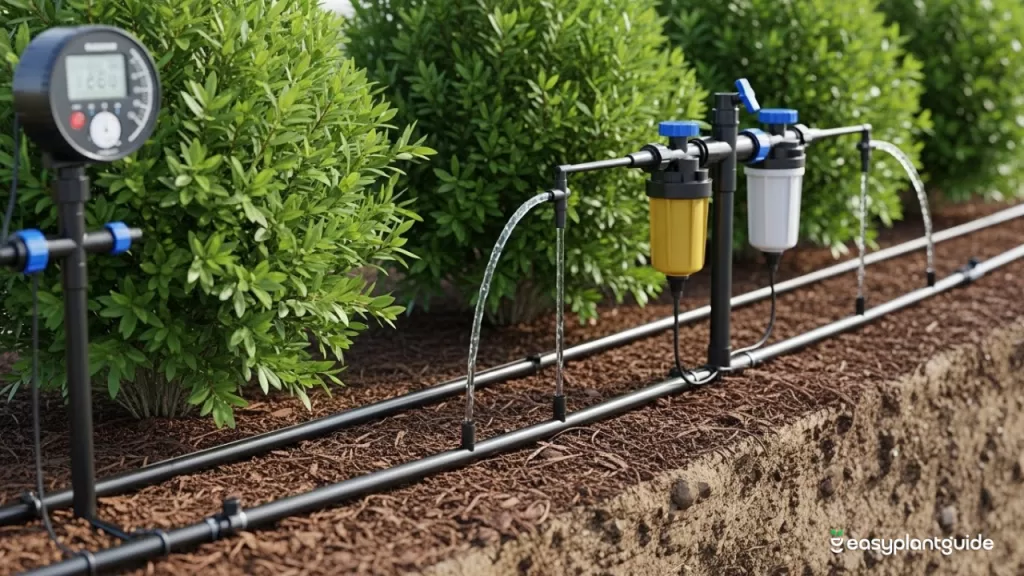
A shrub irrigation system relies on several key components to ensure your plants receive consistent and efficient watering. Drip lines or hoses serve as the main channels, carrying water from the supply directly to the shrubs, either laid on the soil surface or slightly buried to target the root zones. Emitters control the flow of water, releasing it slowly and precisely, with different sizes and types available to match plant size and soil conditions.
Pressure regulators maintain consistent water pressure, preventing damage to hoses or uneven distribution to shrubs. Filters keep the system running smoothly by blocking dirt, debris, and minerals from clogging emitters, which is especially important with sediment-prone or hard water. Finally, timers automate the watering schedule, ensuring shrubs are hydrated at the ideal times without manual effort, making the system both convenient and highly effective.
How to Install a Shrub Irrigation System
Installing a shrub irrigation system is easier than most people think.
Step-by-Step Guide
- Map out your shrub locations
- Lay the main tubing line
- Add drip emitters or soaker hoses
- Attach pressure regulators and filters
- Test and adjust the system
Best Watering Schedule for Shrubs
Shrubs thrive when they receive deep, infrequent watering rather than quick, shallow sessions. This approach encourages roots to grow deeper into the soil, making plants stronger and more resilient during hot or dry periods. For most shrubs, watering once or twice a week is ideal, but the exact schedule depends on your climate, soil type, and shrub species.
Early morning is the best time to water, as it reduces evaporation and allows leaves to dry during the day, preventing fungal growth. During particularly hot or dry spells, you may need to increase the frequency slightly, while cooler or rainy periods may require less water. By sticking to a thoughtful watering schedule, your shrubs will develop healthier roots, greener foliage, and better overall growth.
Common Mistakes to Avoid in shrub irrigation system
Many gardeners unintentionally sabotage their shrub irrigation system without realizing it. Avoiding these common pitfalls ensures your shrubs stay healthy, vibrant, and well-watered without wasting water or effort.
- Overwatering the shrubs: Giving shrubs too much water can drown the roots, cause fungal growth, and weaken the plant over time.
- Using mismatched emitters: Different shrubs have different water needs; using the wrong emitter flow can lead to uneven hydration and poor growth.
- Ignoring soil type: Sandy, clay, or loamy soils absorb and retain water differently. Not adjusting your system for soil type can cause runoff or dry spots.
- Not adjusting for weather changes: Failing to modify your watering schedule during rainy or hot periods can either over-saturate or stress your shrubs.
- Forgetting routine maintenance: Clogged emitters, leaks, and broken hoses reduce efficiency. Regular inspection and upkeep are essential for a properly functioning system.
Choosing the Right Irrigation Emitters
The size and type of emitter you choose directly affect how much water your shrubs receive, making it a critical decision for healthy plant growth. Small shrubs typically do well with 1 GPH (gallons per hour) emitters, which provide a gentle, consistent flow without overwatering. Medium-sized shrubs require slightly higher output, around 2 GPH, to reach their deeper roots effectively. Large shrubs benefit from 4 GPH emitters, ensuring sufficient water penetrates the soil for robust growth. For gardeners seeking flexibility, adjustable emitters allow you to control flow based on seasonal needs or varying soil conditions. Micro-bubblers are another excellent option, especially for wider beds, as they distribute water evenly across a larger root area while maintaining efficiency.
Drip Emitter Size Guide
| Shrub Size | Recommended Emitter Flow | Watering Frequency |
|---|---|---|
| Small Shrubs | 1 GPH | 1–2 times weekly |
| Medium Shrubs | 2 GPH | 1–2 times weekly |
| Large Shrubs | 4 GPH | Weekly |
| Dense Hedges | Adjustable | Weekly |
| Tropical Shrubs | 2–4 GPH | Twice weekly |
How to Make Your Irrigation System More Efficient
Making your shrub irrigation system more efficient not only saves water but also reduces your gardening costs and keeps your plants healthier. One effective method is to apply mulch around your shrubs, which helps retain soil moisture and prevents evaporation. Using smart timers can automate watering schedules, ensuring your shrubs receive the right amount of water at the best times of day. Promptly fixing any leaks in the system prevents water waste and maintains consistent pressure. Upgrading to pressure-compensating emitters ensures even water distribution, even in uneven terrain. Additionally, watering early in the morning reduces evaporation and allows plants to absorb moisture before the heat of the day.
Soil Types and Their Impact
The type of soil in your garden plays a major role in determining how much water your shrub irrigation system should deliver. Sandy soil drains quickly, so shrubs planted in it often need more frequent watering to stay hydrated. Clay soil, on the other hand, retains water for longer periods, which means less frequent irrigation is required, but care must be taken to avoid waterlogging. Loamy soil offers an ideal balance, holding moisture while allowing excess water to drain, making it the easiest soil type for maintaining healthy shrubs. Understanding your soil type helps you adjust your irrigation system for optimal plant growth and water efficiency.
Climate Considerations for Shrub Irrigation
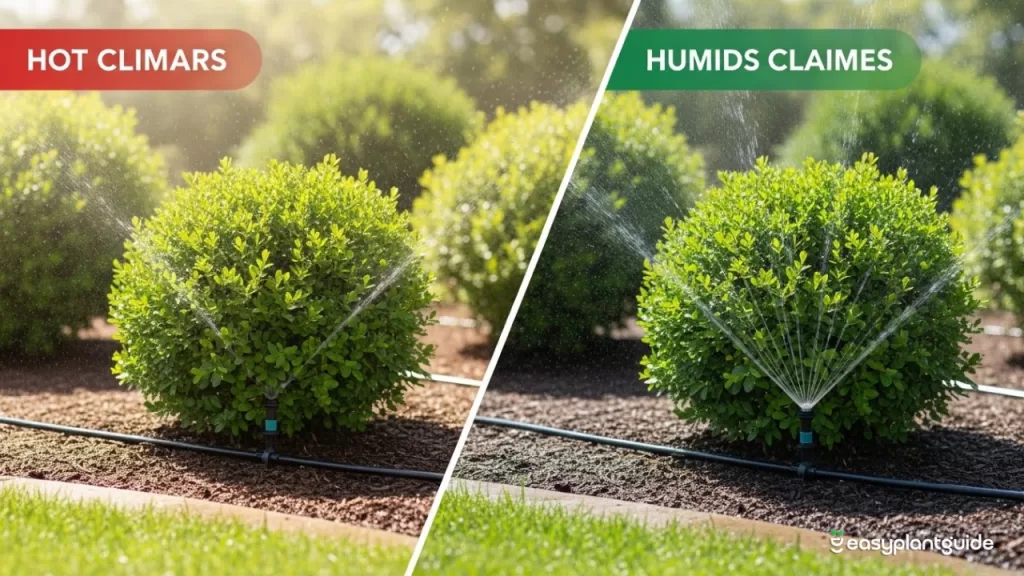
Your approach to a shrub irrigation system should vary depending on the climate where you live. In hot climates, it’s best to water early in the morning to minimize evaporation and give shrubs a strong start for the day. Adding mulch around the base helps retain soil moisture, while increasing emitter flow ensures deep watering that reaches the roots despite dry conditions. In humid climates, watering should be reduced since the soil retains moisture longer, and extra care is needed to watch for fungal growth, which can develop more easily in damp conditions. Adjusting your irrigation strategy according to local weather ensures your shrubs remain healthy year-round.
Maintenance Tips for Long-Lasting Irrigation Systems
A shrub irrigation system, like any other garden setup, requires regular maintenance to function efficiently and last for years. To keep your shrub irrigation system in top condition, flush the system monthly to clear any debris, check for clogged emitters that could block water flow, and remove mineral deposits that may accumulate over time. Inspect the system for leaks to prevent water waste and ensure even distribution, and adjust the timer seasonally to match changing weather conditions. Regular upkeep of your shrub irrigation system not only improves water efficiency but also helps your shrubs grow healthier and stronger while reducing the risk of costly repairs.
Final Thoughts on shrub irrigation system
A shrub irrigation system is one of the smartest and most efficient investments you can make for a thriving, low-maintenance landscape. By delivering the right amount of water directly to the roots, it prevents waste, promotes deep root growth, and ensures your shrubs stay healthy and vibrant throughout the year. With a well-planned setup, proper maintenance, and a thoughtful watering schedule, your shrubs will not only survive but truly flourish, offering lush greenery, fuller foliage, and lasting beauty. Investing in a shrub irrigation system saves time, conserves water, and gives you the satisfaction of a consistently thriving garden with minimal effort.
Explore more plant blogs and grow your green journey with us.