
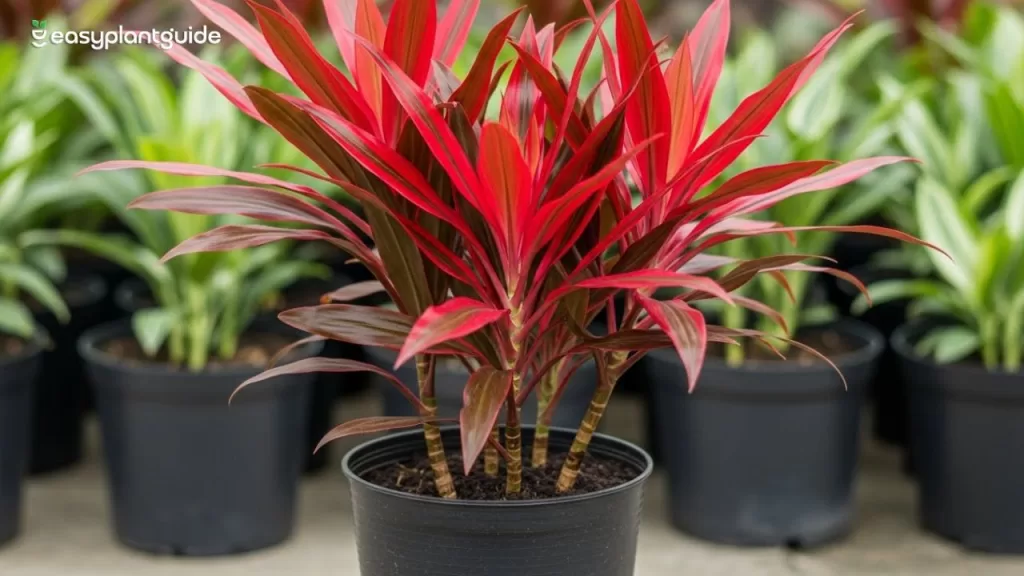
The red dracena plant has become one of the most stylish and practical indoor plants you can bring into your home, especially if you appreciate bold colors and low-maintenance greenery that fits effortlessly into modern décor. Red dracena plant offers a striking appearance with its narrow, sword-like leaves edged in vibrant red, creating a unique look that instantly adds personality to any room.
Whether you’re a beginner trying to build confidence in plant care or an experienced plant lover seeking something visually captivating yet simple to maintain, the red dracena plant delivers exactly what you need. Its adaptability, appealing colors, and durability make it a standout choice in both homes and offices, allowing you to enjoy nature indoors without overwhelming responsibilities.
What Is the Red Dracena Plant?
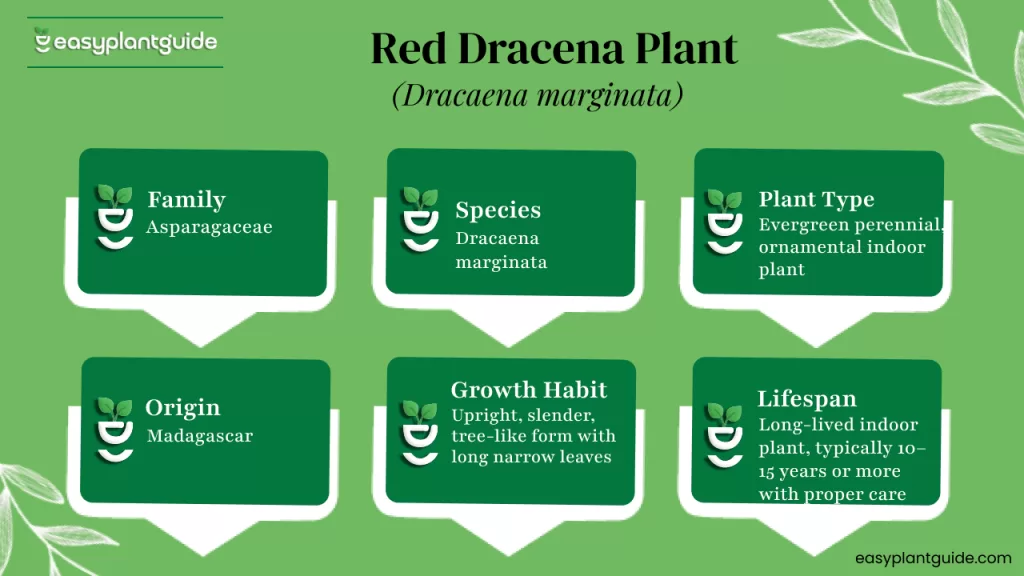
The red dracena plant, known scientifically as Dracaena marginata, is a tropical houseplant that originated from Madagascar, where it grows naturally in warm and bright environments. Over the years, it has become globally popular because of its resilience and compact aesthetic, making it a favorite among plant enthusiasts, interior designers, and homeowners who want a plant that brings charm without excessive maintenance. Its slender stems grow upward like miniature tree trunks, while the long leaves arch slightly, creating a graceful, palm-like appearance. The signature red edges on its leaves give it a dramatic touch, making it a plant that effortlessly blends subtle beauty with eye-catching sophistication.
Unique Appearance of the Red Dracena Plant
The appearance of the red dracena plant is one of the main reasons it is so widely adored. Its leaves are long, narrow, and glossy, forming a spiky crown that resembles an artistic fountain of color. The deep green center contrasted with the bright red edges creates a dynamic visual effect that stands out even in minimalist interiors. When you place red dracena plant in a room, it instantly becomes a conversation piece because of its exotic yet refined look.
It’s the type of plant that doesn’t need flowers or dramatic shapes to look beautiful, allowing you to enjoy a naturally stylish display with minimal effort. Its elegant height and slim form also make it perfect for corners, entryways, and small apartments where space is limited but style is important.
Benefits of Growing the Red Dracena Plant
Growing a red dracena plant offers far more advantages than just aesthetic beauty. Red dracena plant is known for its excellent air-purifying qualities, making it not only attractive but also functional. It helps remove toxins such as benzene, formaldehyde, and trichloroethylene from indoor air, allowing you to breathe cleaner and fresher air on a daily basis. If you spend long hours indoors—especially in home offices or bedrooms—this plant becomes an invaluable addition to your environment.
It is also highly adaptable, thriving in low light conditions and requiring minimal care, which is ideal for busy individuals or beginners who may not have a lot of time to dedicate to plant management. With all these benefits, it’s easy to see why so many people choose the red dracena plant as one of their top indoor companions. Key Benefits of Growing the Red Dracena Plant.
- Improves indoor air quality significantly
- Thrives in low or moderate light environments
- Requires minimal watering and maintenance
- Fits perfectly into small spaces or tight corners
- Enhances room décor with its red-edged leaves
Ideal Growing Conditions for the Red Dracena Plant
Creating the right growing environment for your red dracena plant is surprisingly easy, making it perfect for those who are new to indoor gardening. Red dracena plant naturally adapts to various conditions and doesn’t demand intense care routines. All you need are moderate lighting, proper watering habits, and a comfortable temperature, and your plant will flourish beautifully. It performs well in both homes and offices, making it suitable for almost any indoor setup, from brightly lit living rooms to cozy bedrooms with softer lighting. By providing suitable conditions, you ensure your red dracena plant maintains its vibrant color and elegant leaf shape for years.
Light Requirements
Red dracena plants prefer bright, indirect sunlight, which allows their leaves to develop rich, bold colors without becoming scorched. While they can tolerate low-light environments, too little light may cause slower growth and slightly duller leaf coloration. If you place red dracena plant near a window with filtered light or position it a few feet away from a bright opening, it will thrive consistently. Think of the ideal lighting as gentle sunlight that brightens the room without directly touching the leaves—similar to how you might enjoy a sunny day beneath a shady tree.
Temperature and Humidity Needs
The ideal temperature for a red dracena plant ranges from 18–27°C (65–80°F), which closely matches standard indoor conditions. As long as your home feels comfortable to you, your plant should feel comfortable too. It doesn’t require special humidity settings, although slightly moist air can support healthier and more vibrant growth. Avoid placing the plant near air conditioners, heaters, or drafty windows, as sudden temperature changes can cause stress. When cared for in a stable environment, the red dracena plant maintains strong roots, healthy leaves, and consistent growth.
Proper Watering Techniques
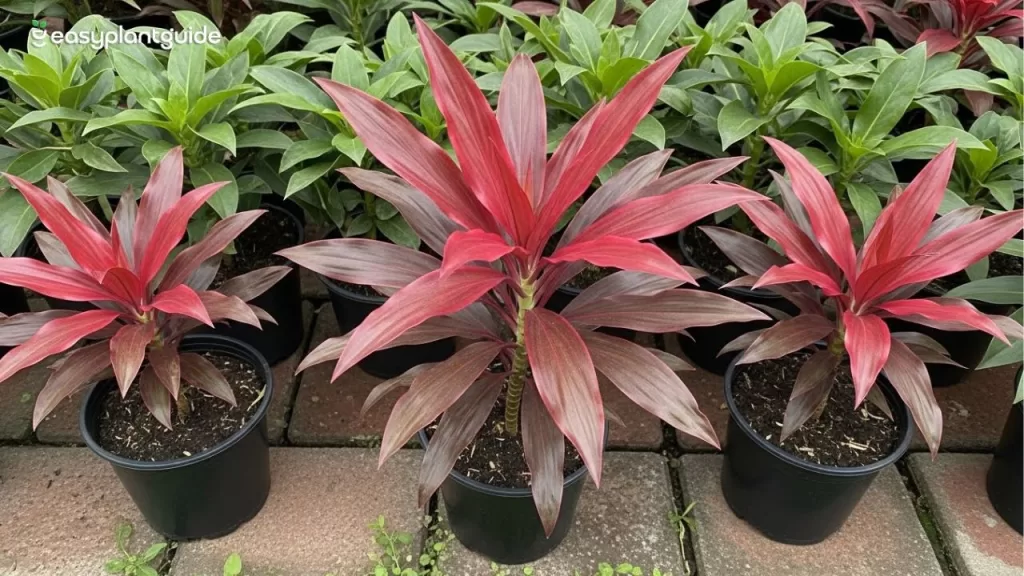
The watering requirements of a red dracena plant are pleasantly simple, making it an excellent choice for individuals who sometimes forget to water their plants. This plant prefers slightly dry soil and doesn’t tolerate soggy roots, so you should always check the soil before watering. Allowing the top couple of inches to dry ensures your plant stays healthy and prevents problems such as root rot. Unlike some tropical plants that demand constant moisture, the red dracena plant appreciates a more relaxed watering schedule, making it easier to care for consistently. It’s always better to underwater this plant than to overwater it, which is one reason beginners find it so forgiving.
Watering Tips
- Water only when the top 2 inches of soil feel dry
- Avoid hard tap water; use filtered water if possible
- Use room-temperature water to prevent shock
- Ensure the pot has good drainage to prevent root rot
- Reduce watering frequency during winter months
Soil and Potting Guide for the Red Dracena Plant
Choosing the right soil mix for your red dracena plant is essential for maintaining strong and healthy roots, but it’s not complicated at all. The best soil is well-draining and slightly loose, allowing water to pass through without holding excessive moisture. A potting mix formulated for tropical houseplants is ideal, as it contains the right blend of organic matter and minerals that support stable growth. You can also mix your own soil using easily accessible ingredients. Proper potting ensures that the plant’s root system has sufficient space to grow, breathe, and absorb nutrients efficiently. With the right soil, your red dracena plant can maintain its vibrant colors and elegant structure over time.
Recommended Soil Mix
- Peat moss or coconut coir for moisture balance
- Perlite to improve drainage and airflow
- Vermiculite for better root support
- Organic compost for nutrients
- Bark or coarse sand to improve structure
Red Dracena Plant Growth Chart (Table)
| Growth Stage | Height Range | Leaf Color | Water Need | Light Requirement |
| Young Plant | 8–12 inches | Light green with soft red edges | Low | Low–Medium |
| Intermediate | 1–3 feet | Brighter red edging develops | Moderate | Medium |
| Mature Plant | 4–6 feet | Clear, vivid red margins | Moderate | Medium–Bright |
| Fully Grown | 6–10 feet | Strong red color and long leaves | Moderate | Bright Indirect |
Fertilizing the Red Dracena Plant
Fertilizing the red dracena plant is an excellent way to support its growth, especially during the warmer months when it naturally becomes more active. This plant doesn’t crave heavy feeding, so a gentle, balanced liquid fertilizer is usually enough to keep it strong and vibrant. Over-fertilizing can harm the plant, so moderation is key. Apply fertilizer only during the growing season, typically from spring to early fall. During winter, the plant enters a resting phase and won’t need additional nutrients. Providing the right fertilization schedule ensures the leaves stay colorful, the roots stay strong, and the plant continues to thrive beautifully.
Common Problems and Their Fixes
Even though the red dracena plant is low-maintenance, it may occasionally encounter issues caused by lighting, water, humidity, or pests. Fortunately, most problems are minor and easy to fix once you identify the cause. The most common symptoms include brown leaf tips, yellowing leaves, drooping stems, and faded colors. These issues may look concerning at first, but they usually indicate simple environmental adjustments. Regularly observing your plant and making small adjustments can quickly restore it to perfect health. Keeping your plant clean, properly watered, and placed in good lighting conditions helps maintain its long-term beauty and resilience. Common Issues of Red Dracena Plant.
- Brown leaf tips caused by dry air or harsh water
- Yellowing leaves due to overwatering
- Drooping stems from low light
- Slow growth in cold conditions
- Faded color from insufficient light
Simple Solutions of Red Dracena Plant
- Switch to filtered or distilled water
- Trim affected leaf tips gently
- Place the plant in brighter indirect light
- Reduce watering frequency
- Improve air humidity with occasional misting
Pests That Affect the Red Dracena Plant
Although the red dracena plant is generally resistant to pests, it may occasionally attract insects common to indoor plants. These include spider mites, aphids, mealybugs, and fungus gnats. These pests usually appear when the environment becomes dusty, overly dry, or when the soil is too moist. Thankfully, they can be controlled easily with consistent plant care habits. Checking the leaves regularly, cleaning them gently, and using natural solutions can help keep your plant pest-free. By monitoring your plant weekly, you can stop pests before they spread and protect your plant from long-term damage.
Common Pests
- Spider mites that form tiny webs
- Mealybugs that appear like white cotton
- Scale insects that stick to stems
- Fungus gnats that live in moist soil
- Aphids that cluster under leaves
Pest Control Tips
- Clean leaves with neem oil solution
- Use insecticidal soap weekly if needed
- Keep the plant dust-free
- Avoid overwatering to prevent gnats
- Isolate affected plants to stop spread
Propagating the Red Dracena Plant
Propagating the red dracena plant is both easy and enjoyable, allowing you to create new plants for your home or as thoughtful gifts for friends. This plant propagates well through stem cuttings, producing roots relatively quickly in water or moist soil. Starting with a healthy stem ensures successful growth and strong new leaves. The process is simple and requires minimal tools, making it perfect even for beginners. With patience and proper care, your cutting will develop into a mature red dracena plant, giving you the satisfaction of nurturing life from a small piece of stem.
Propagation Step
- Select a healthy, mature stem
- Cut a 4–6-inch section with clean scissors
- Remove the lower leaves on the cutting
- Place in water or pot with moist soil
- Keep in indirect sunlight until roots grow
Styling Ideas for Indoor Spaces
The red dracena plant is not just a decorative piece but a versatile interior companion that adapts to nearly any style of home décor. Its tall, slender shape makes it ideal for corners, hallways, and living rooms where height and elegance are needed. You can pair it with modern pots, neutral colors, or bold accessories to enhance its red edges. Because it doesn’t require intense sunlight, it fits perfectly even in softly lit areas. Wherever you place it, the red dracena plant brings a sophisticated tropical vibe that instantly refreshes your interior environment.
Styling Tips
- Place it beside tall furniture to add vertical balance
- Use ceramic pots for a modern contrast
- Pair with all-green plants to highlight the red edges
- Add warm lighting to make the red color appear richer
- Use it as a welcoming piece near home entrances
Red Dracena Plant vs. Other Dracaena Varieties
There are several varieties of dracaena plants, but the red dracena stands out because of its striking color and unique leaf structure. Compared to Dracaena fragrans, which has broader leaves, the red dracena plant has a slimmer, sharper appearance that adds elegance and height to indoor spaces. Its color contrast also makes it more visually appealing than greener varieties. While other dracaenas are lovely in their own way, the red dracena plant remains a favorite for those who want a dramatic yet low-maintenance plant that enhances modern décor effortlessly. Its adaptability, unique height, and vibrant colors set it apart from the rest.
Conclusion
The red dracena plant is an exceptional indoor plant that offers a winning combination of beauty, durability, and simplicity. Whether you’re decorating your home, refreshing your workspace, or beginning your plant journey, this plant fits perfectly into any lifestyle. Its striking red-edged leaves bring color and flair, while its low-maintenance nature ensures that caring for it never feels overwhelming. With the right environment, occasional watering, and some love, your red dracena plant can grow for years and brighten every corner of your life. It truly is a surprisingly good choice for anyone passionate about elevating their indoor greenery.
Check out other Plant Blogs.