
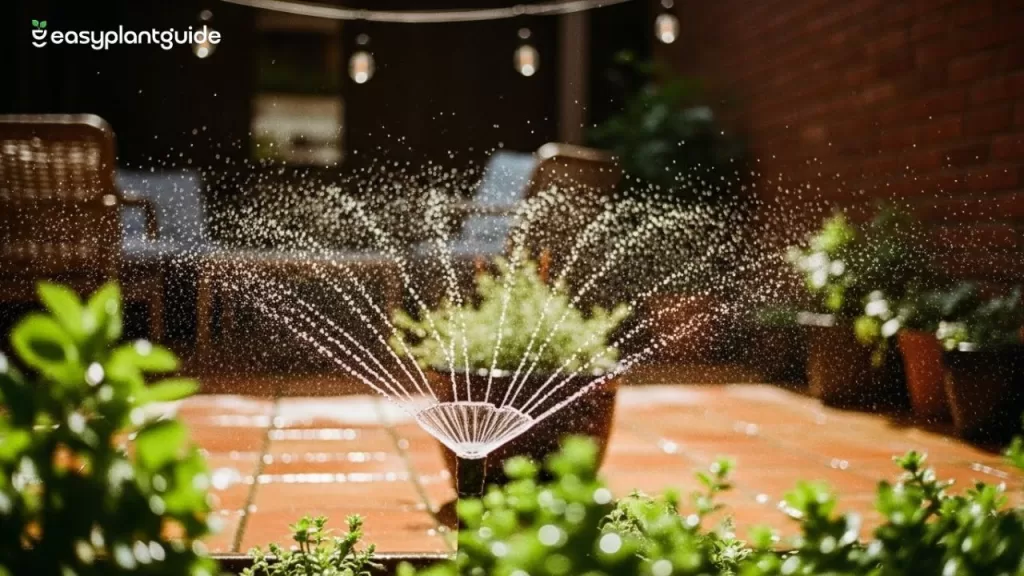
Patio irrigation is one of those outdoor tasks that seems simple at first, but once you start managing multiple plants, containers, and watering times, it quickly becomes overwhelming. This is why setting up a reliable patio irrigation system is such a game changer. It helps you maintain consistent moisture levels, keeps your plants thriving, and saves you from constantly dragging a watering can around. When you think about patio irrigation as your personal shortcut to a greener outdoor space, it becomes clear how much convenience and peace of mind it can bring. By automating watering and reducing effort, patio irrigation allows you to focus more on enjoying your patio rather than worrying about maintaining it.
Why Patio Irrigation Matters More Than You Think
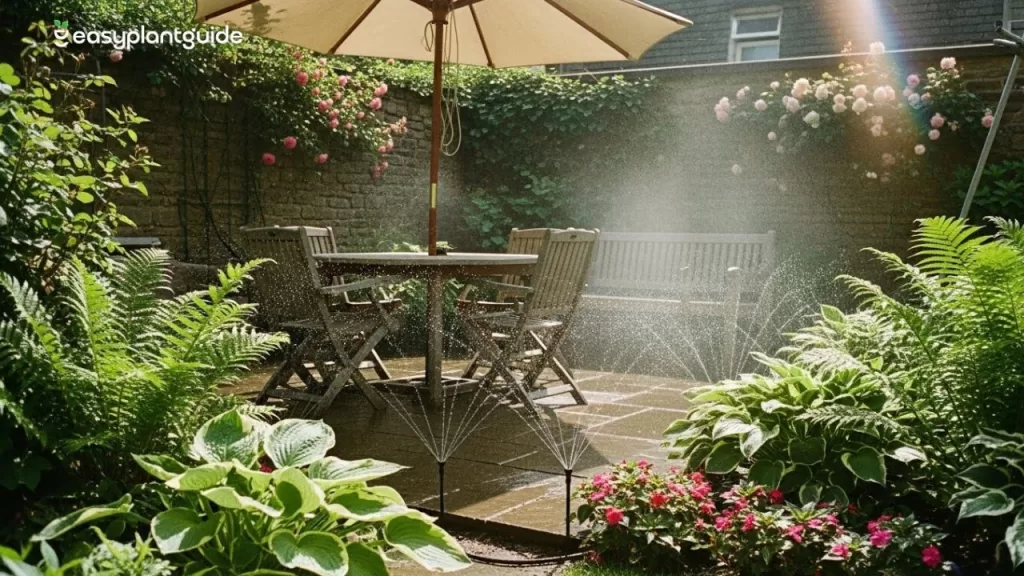
Many people assume patio irrigation is only necessary for large gardens, but even a small patio filled with container plants can benefit tremendously from a well-designed system. Plants in containers dry out faster than those grown in the ground, and they suffer from inconsistent watering routines more easily. Patio irrigation provides a steady supply of moisture, which helps reduce plant stress, prevent wilting, and promote healthier, stronger growth. When water reaches the soil regularly and efficiently, plants develop deeper roots and become more resilient. This ultimately transforms your patio into a vibrant, lush, and refreshing corner you can enjoy all year round without the worry of accidental neglect.
Benefits of a Patio Irrigation System
Installing patio irrigation may feel like an extra step, but the advantages are worth every bit of the effort. Not only does it save precious time during busy days, but it also makes plant care more predictable and effective. Instead of hand-watering each plant individually—which often leads to uneven moisture—an irrigation system ensures every plant receives the right amount of water at the right time. This directly reduces waste and avoids problems like soggy soil or drought stress. As a result, your patio begins to flourish more naturally while you expend less physical and mental energy. Some major benefits include:
- Saves significant time and reduces manual effort
- Delivers consistent watering to all plants
- Minimizes water waste compared to hand watering
- Prevents overwatering or underwatering issues
- Supports overall plant health and long-term growth
Types of Patio Irrigation Systems
There are several types of patio irrigation systems, and the best one depends on your specific needs, layout, and plant varieties. Understanding these options helps you pick the most efficient method while improving the long-term health of your patio garden. Drip systems, for example, are ideal for individual pots, while micro-sprayers cover larger areas quickly. Soaker hoses are great for patio beds, and smart irrigation controllers are perfect for people who love convenience and automation. By exploring different options and comparing their strengths, you can create a setup that simplifies watering and strengthens plant vitality.
Drip Irrigation – The Most Efficient Option
Drip irrigation is a widely recommended solution for patio spaces because it offers precision and excellent water efficiency. It releases water slowly and directly at the root zone, allowing plants to absorb moisture without waste or evaporation. This targeted approach limits fungal problems and reduces the chance of leaves getting wet unnecessarily, which lowers disease risk. Drip irrigation works exceptionally well for container plants, hanging baskets, and raised planters. When you set up a drip system, your plants receive the hydration they need without you having to constantly monitor soil dryness or weather conditions.
Micro-Spray Systems for Wider Coverag
Micro-spray irrigation systems function like miniature sprinklers that deliver fine sprays of water over larger areas. These systems are great for patios filled with clustered plants or wide containers. The gentle misting effect creates an even distribution of moisture without causing soil displacement. If you have mixed plant varieties placed close together, micro-sprayers can easily support them by offering consistent hydration. Their versatility also makes them perfect for patios with decorative foliage arrangements. Think of it like giving your plants a refreshing shower—steady, gentle, and nourishing.
Key Components of a Patio Irrigation Setup
A patio irrigation system comprises several important parts that work together to deliver proper watering. Understanding these components helps you assemble and maintain your system without stress. Many homeowners find it helpful to familiarize themselves with the basics before installation, as it makes troubleshooting easier and enhances the performance of their setup. Here are five essential components you’ll need:
- Main tubing and connectors
- Emitters, sprayers, or drippers
- Pressure regulators for stable flow
- Smart or manual irrigation timers
- Water filters to prevent clogging
five optional components that improve efficiency
- Soil moisture sensors
- Zone splitters for dividing areas
- Backflow preventers for safety
- Adjustable drip heads
- Hose timers for automatic watering control
How to Plan Your Patio Irrigation Layout
Planning your patio irrigation layout is one of the most important steps because it ensures your system works effectively and covers every plant. Begin by assessing your patio’s size, shape, plant placement, and container positioning. Consider whether plants have similar or different watering needs, because grouping plants that require similar moisture levels makes irrigation much more efficient. You should also think about sun exposure, pot size, height levels, and wind direction. Creating a simple diagram of your patio layout can help you visualize tubing routes and emitter placement, ultimately giving you a balanced and well-organized irrigation design.
Step-by-Step Guide to Installing Patio Irrigation
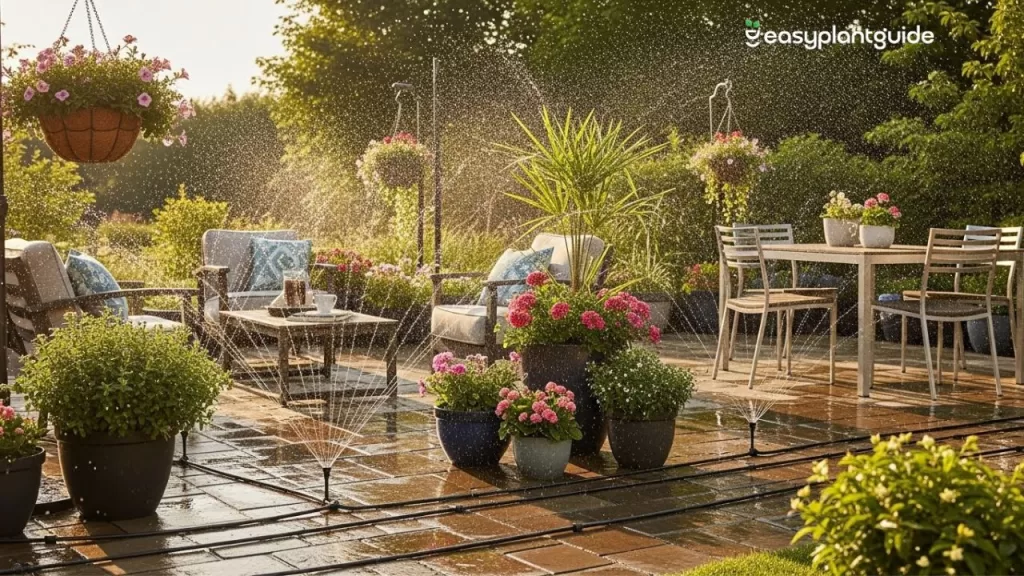
Installing patio irrigation may seem complicated, but once you break it down into clear steps, it becomes surprisingly easy. Start by measuring the distance between your water source and your patio, then plan how the tubing will run across the area. After connecting the main hose to your water supply, begin laying out tubing and securing it around your plants. Insert emitters at strategic points to match each plant’s needs. Attach a timer to automate the watering schedule, ensuring your plants get the right hydration even when you’re busy or away. With patience, this process becomes satisfying and rewarding.
Patio Irrigation Schedule & Watering Tips
Finding the right watering schedule is essential for patio irrigation because overwatering and underwatering can both harm plants. Most patios benefit from watering early in the morning when temperatures are cooler and evaporation is minimal. Drip irrigation systems usually need between 10 to 20 minutes of run time per day, but this depends on plant type, soil quality, pot size, and local climate. Checking soil moisture regularly and adjusting watering frequency based on weather conditions can help prevent root rot and dehydration. Over time, you’ll develop a rhythm that keeps your patio garden thriving effortlessly.
Comparing Patio Irrigation Systems (Table)
| Feature | Drip Irrigation | Micro-Spray System | Soaker Hose |
| Water Efficiency | High | Medium | Medium |
| Setup Difficulty | Moderate | Easy | Easy |
| Ideal For | Containers | Clusters | Large beds |
| Maintenance | Low | Medium | Low |
| Water Waste | Minimal | Slight | Minimal |
Smart Patio Irrigation for Modern Homes
Smart patio irrigation systems allow you to automate watering using Wi-Fi-enabled controllers, mobile apps, and weather-based adjustments. These systems can read local weather forecasts and adjust watering schedules automatically to prevent over-watering during rainy periods or increase watering during hot, dry spells. It feels like having a personal garden assistant who handles hydration for your patio without your involvement. Smart systems also provide reports, data insights, and customizable watering zones, making them ideal for people who want convenience, efficiency, and eco-friendly watering solutions.
Tips to Save Water with Patio Irrigation
Water conservation is a crucial part of patio irrigation, especially if you live in a dry climate or want to reduce your utility bills. Implementing smart techniques helps you maintain a healthy garden without unnecessary waste. Try incorporating these helpful tips:
- Use mulch to lock moisture into the soil
- Water during cooler hours to reduce evaporation
- Choose drip irrigation for maximum efficiency
- Install timers for accurate watering intervals
- Group plants based on their water needs
Common Problems & How to Fix Them
Even the best patio irrigation systems can encounter issues such as clogged emitters, leaks, or pressure inconsistencies. Fortunately, most problems are easy to diagnose and resolve. Clogged emitters often result from mineral buildup, which can be remedied by cleaning or replacing them. Leakage may occur at connector points but can be fixed by tightening or switching out damaged parts. If you experience low water pressure, inspecting your regulator and ensuring your main line isn’t kinked can make a big difference. Regular maintenance helps prevent these issues from becoming ongoing frustrations.
Maintenance Tips for Long-Lasting Patio Irrigation
Keeping your patio irrigation system in excellent condition requires regular maintenance. Start by checking tubing and emitters monthly to ensure there are no blockages or wear. Flushing the system occasionally helps prevent dirt and debris buildup. It’s also helpful to replace damaged connectors, adjust timers seasonally, and clean filters frequently. By developing a simple maintenance routine, you can extend the lifespan of your irrigation system and maintain consistent performance. This means less hassle for you and healthier, happier plants throughout the year, regardless of weather fluctuations.
Budget-Friendly Patio Irrigation Ideas
If you’re working with a tight budget, you’ll be glad to know that patio irrigation doesn’t have to be expensive. Many homeowners create effective systems using low-cost tubing, DIY kits, or even repurposed materials. Drip kits are affordable and easy to assemble, and basic timers require minimal investment. Another great method is using recycled plastic bottles as slow-release water sources for individual plants. Combining creativity with practicality allows you to build a functional irrigation system without breaking the bank, helping your patio stay green and gorgeous.
Conclusion
Patio irrigation is an incredible way to simplify plant care while creating a vibrant outdoor environment you can enjoy every day. Whether you choose a drip system, micro-sprayers, or smart irrigation controllers, the key is understanding your plants’ needs and designing a layout that works for your space. With consistent watering, proper planning, and routine maintenance, your patio can flourish into a lush oasis that thrives with minimal effort. By integrating the right irrigation techniques, you’ll elevate both plant health and your overall outdoor experience. Enjoy your beautifully hydrated patio
Explore more plant blogs and grow your green journey with us.