
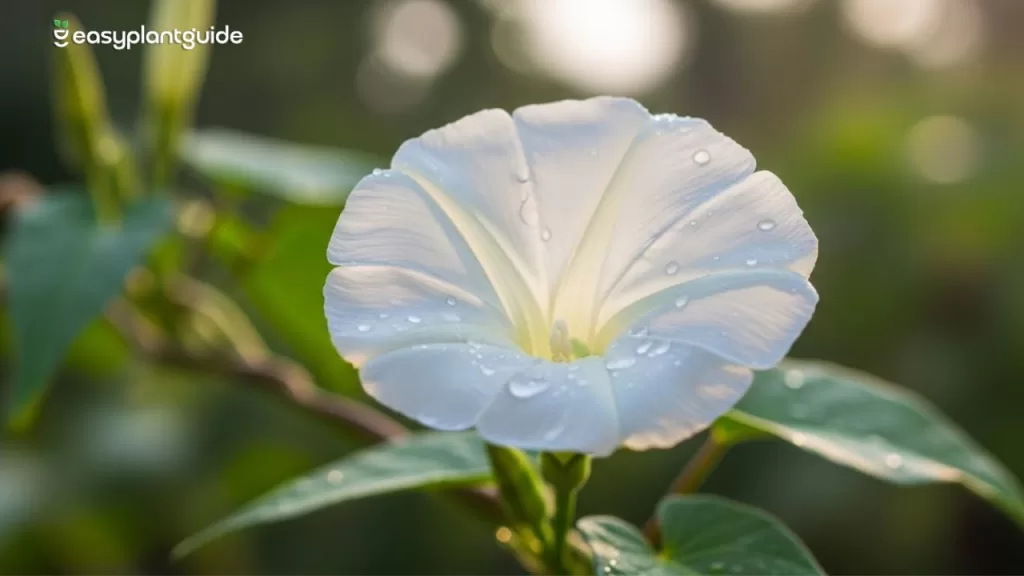
The Sayuri flower is a plant that instantly grabs attention due to its long, slender leaves, soft silver-green tones, and naturally calming presence. Many people love the Sayuri flower because it blends easily with all types of indoor décor, making it suitable for modern, minimalist, and traditional spaces. What makes it even more attractive is its low-maintenance nature, which means you can enjoy its beauty without constant care. In this guide, you’re going to learn everything about the Sayuri flower, from its origins to care tips, symbolism, benefits, and more, written in a friendly and easy-to-follow style that feels like having a plant-loving friend guiding you along the way.
What Is the Sayuri Flower?
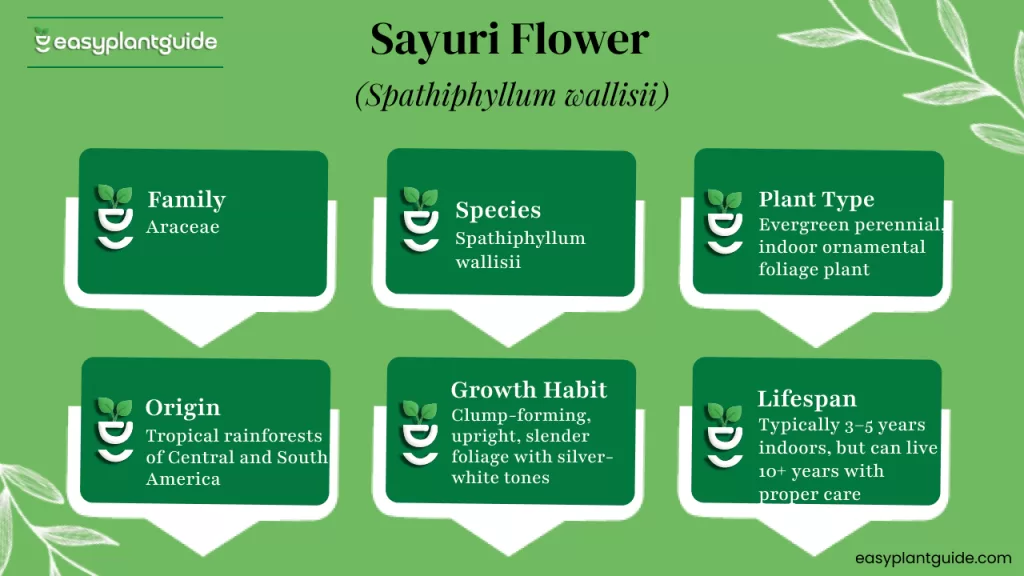
The Sayuri flower is a unique peace-lily-like plant that stands out because of its slender foliage with a silver-white sheen. While many indoor plants rely heavily on their flowers to make an impression, the Sayuri manages to shine mainly through its elegant leaves, although it does produce beautiful spathes occasionally. Its subtle beauty and soothing colors make it ideal for quiet corners, offices, bedrooms, and lounges. Many homeowners appreciate it because it looks sophisticated while still being incredibly easy to care for, which is perfect for anyone who wants a stylish indoor plant without dealing with complicated maintenance routines.
Table: Quick Care Overview of Sayuri Flower
| Care Aspect | Requirement | Notes |
| Light | Indirect sunlight | Avoid harsh direct rays |
| Water | Moderate | Water when topsoil is slightly dry |
| Soil | Well-draining mix | Ideal: soil + perlite + coco peat |
| Humidity | Medium to high | Mist occasionally |
| Fertilizer | Every 4–6 weeks | Balanced liquid feed |
Origin and Botanical Background
The Sayuri plant originates from humid tropical regions, especially areas with thick forest canopies where sunlight filters through gently. This natural environment makes it well-suited for indoor living since it already thrives in conditions with mild light, warm air, and soft humidity. Botanically, it belongs to the Araceae family, which includes many popular indoor species known for their durability and decorative appeal. Understanding its natural background helps plant owners recreate similar conditions at home, making it easier to maintain health, encourage slow but steady growth, and enjoy its elegant appearance throughout the year.
Key Features of the Sayuri Flower
Why Homeowners Love It
The Sayuri flower comes with many appealing features that make it a favorite among plant lovers. These distinct qualities help it stand out:
- Soft, slender leaves with a unique silvery tone
- Occasional white blooms that enhance visual appeal
- Excellent adaptability to indoor light conditions
- Proven air-purification abilities
- Low water and maintenance requirements
These features combined make the Sayuri an excellent choice for anyone wanting an indoor plant capable of transforming a dull corner into an attractive, serene space. Because it thrives on minimal care, even new plant owners can enjoy its beauty without feeling overwhelmed.
Benefits of Keeping a Sayuri Flower Indoors
The Sayuri flower offers several benefits beyond its simple decorative charm. It is widely known for its ability to purify indoor air by removing toxins and pollutants, which helps create a healthier living environment. It also contributes to better humidity levels, which can relieve dryness in air-conditioned or heated rooms. Furthermore, looking at greenery has been proven to reduce stress, making the Sayuri an excellent addition to workspaces or study areas. It is also low-maintenance, making it perfect for people who want beautiful plants without spending too much time tending to them.
- Purifies indoor air by removing toxins
- Boosts humidity levels for healthier breathing
- Enhances interior décor with minimal effort
- Helps reduce stress and supports mental well-being
- Safe and easy to maintain for long-term growth
Sayuri Flower Meaning and Symbolism
Symbolically, the Sayuri flower represents purity, emotional clarity, and inner calm. Its peaceful white blooms resemble those of a classic peace lily, which is often associated with serenity and healing. Many people gift the Sayuri flower during new beginnings such as housewarmings, job promotions, or life transitions because it symbolizes fresh energy and balance. It also represents subtle elegance, making it a thoughtful gift for someone who appreciates beauty without extravagance. Overall, the Sayuri brings a sense of tranquility to any place where it grows.
Complete Sayuri Flower Care Guide
Caring for a Sayuri flower is simple once you understand its natural needs. Because it comes from tropical regions, it prefers environments that mimic warm, gently lit, slightly humid forest floors. This doesn’t mean you need specialized equipment—just a little attention to light, water, and placement. When you provide these basics, the plant rewards you with vibrant leaves, steady growth, and a healthy appearance. Think of this plant as someone who enjoys comfort and balance, not extremes, and you’ll understand how to care for it easily.
Light Requirements
The Sayuri flower thrives best in indirect sunlight, making it perfect for indoor settings where harsh rays don’t directly hit the leaves. Direct sunlight may scorch its delicate foliage, so choosing a spot with soft, filtered light is ideal. You can place it near windows with curtains, naturally shaded corners, or rooms with bright ambient light. Here’s a quick list to remember:
- Bright, indirect sunlight
- Partial shade
- Avoid harsh direct rays
- Rooms with filtered daylight
- Corners that receive soft, diffused light
Think of it like a cozy reader who loves light but doesn’t want the sun shining directly into their eyes.
Watering Needs
Watering the Sayuri flower requires a gentle balance. Its roots prefer moist soil, but too much water can cause root rot, which is one of the most common problems plant owners face. Let the top layer of soil dry slightly before watering again. This ensures the plant stays hydrated without becoming waterlogged. During warmer months, it may require slightly more frequent watering, whereas in cooler seasons, you’ll need to reduce the frequency. Monitoring the soil with your fingers is the easiest way to get the watering right every time.
Soil and Potting Mix
Choosing the right soil for your Sayuri flower sets the foundation for long-term health. A light, aerated, and well-draining potting mix works best because it prevents excess water from remaining around the roots. A combination of garden soil, perlite, and coco peat creates ideal moisture retention while still allowing proper airflow. This mixture helps roots stay strong and healthy. Additionally, using a pot with drainage holes ensures that extra water flows out instead of collecting at the bottom, protecting the plant from fungal issues.
Temperature and Humidity Preferences
The Sayuri flower prefers warm temperatures ranging from 18°C to 28°C, making it perfect for indoor environments. Because it originates from tropical climates, it loves humidity, something many indoor spaces lack naturally. Misting the leaves occasionally or placing the pot near a humidity tray helps maintain the plant’s health. Low humidity can cause leaf tips to brown, but keeping the air comfortably moist ensures shiny foliage and steady growth. The goal is to mimic gentle tropical conditions without needing advanced humidity machines.
Fertilizing the Sayuri Flower
Feeding your Sayuri flower helps boost its growth, especially during the active growing seasons of spring and summer. Using a balanced liquid fertilizer every four to six weeks provides the nutrients it needs to maintain strong roots and vibrant foliage. However, over-fertilizing can cause more harm than good, leading to burnt roots or faded leaves. Always dilute the fertilizer and avoid feeding during winter when the plant naturally slows down. Think of fertilizer as a little extra nutrition—not something the plant needs constantly.
Pruning and Maintenance Tips
Pruning the Sayuri flower helps it stay attractive and healthy. Over time, some leaves may turn yellow or brown due to age or environmental factors. Removing these leaves allows the plant to redirect its energy to new growth. Light pruning also prevents pests from hiding in dead foliage. Wiping the leaves regularly with a damp cloth removes dust, which improves the plant’s ability to absorb light and perform photosynthesis. These small maintenance habits make a big difference over time and keep your plant looking polished.
Common Problems and Solutions
Like most indoor plants, the Sayuri flower may experience a few problems, but they are simple to fix. Yellow leaves typically indicate overwatering, while brown tips suggest low humidity or too much direct sunlight. Drooping leaves usually mean the plant needs a drink or is reacting to environmental stress. Spots on the foliage might indicate fungal infections, which can be treated with a mild fungicide. Slow growth often results from insufficient light. Understanding these issues early helps you correct them before they affect the plant’s overall health.
How to Propagate Sayuri Flower
Propagating the Sayuri flower through root division is simple and rewarding. Begin by removing the plant from its pot and gently separating a healthy clump that has its own roots attached. Plant the division in a fresh pot with well-draining soil and place it in bright, indirect light. Keep the soil slightly moist for the first few weeks until new growth appears. Propagation allows you to multiply your plants, share them with friends, or fill different parts of your home with this elegant beauty without purchasing new ones.
Sayuri Flower Uses in Home Décor
The Sayuri flower has a stylish, calming presence that makes it ideal for home décor. Its tall, slender leaves create a clean and modern look, perfect for minimalist homes. It works wonderfully on shelves, desks, bedside tables, and bathroom countertops where bright indirect light enhances its beauty. Many people also use it in office settings because its peaceful appearance helps create a stress-free atmosphere. Here are some popular décor uses:
- Ideal for decorating office desks
- Beautiful addition to bedroom corners
- Great for living room shelves and tabletops
- Complements modern minimalist interiors
- Perfect for well-lit bathrooms with soft light
Conclusion
The Sayuri flower is an elegant, low-maintenance indoor plant that brings beauty, calmness, and health benefits into any living space. Its soft, silver-green leaves and occasional white blooms create a peaceful atmosphere, making it ideal for homes, offices, and bedrooms. With simple care routines and flexible growing conditions, even beginners can keep this plant thriving. Whether you’re looking for a decorative piece, a natural air purifier, or a meaningful gift, the Sayuri flower is a wonderful choice that adds long-lasting charm and tranquility to your surroundings.
Check Out other Plant Guide Blogs.