

What flowers are toxic for dogs is a question every responsible pet parent should take seriously, because the answer can mean the difference between a harmless afternoon and a medical emergency. Dogs are naturally curious creatures, and they explore the world with their mouths just like toddlers do. Bright colors, soft petals, and interesting smells attract them instantly. Unfortunately, many popular flowers contain toxins that can harm a dog’s digestive system, nervous system, or vital organs. Understanding these dangers helps you create a safer environment for your furry companion.
What flowers are toxic for dogs is also an important concern because exposure often happens when owners least expect it. A quick sniff during a walk, a fallen petal in the yard, or a bouquet placed within reach can all become hidden threats. Dogs don’t recognize danger the way humans do, so even brief contact with certain flowers can trigger serious reactions. By learning which blooms are unsafe and staying alert in everyday situations, you can reduce risks and ensure your dog enjoys a healthier, worry-free life.
Why Flowers Can Be Dangerous for Dogs
Flowers can be dangerous for dogs because plants naturally produce chemical compounds to protect themselves from insects and animals. While these toxins may not affect humans, What Flowers Are Toxic for dogs process substances differently. Even a small amount of a toxic flower can cause serious reactions, especially in smaller breeds. Some toxins irritate the mouth and stomach, while others interfere with the heart or kidneys. Because dogs do not know which plants are safe, they rely completely on their owners to keep harmful flowers out of reach.
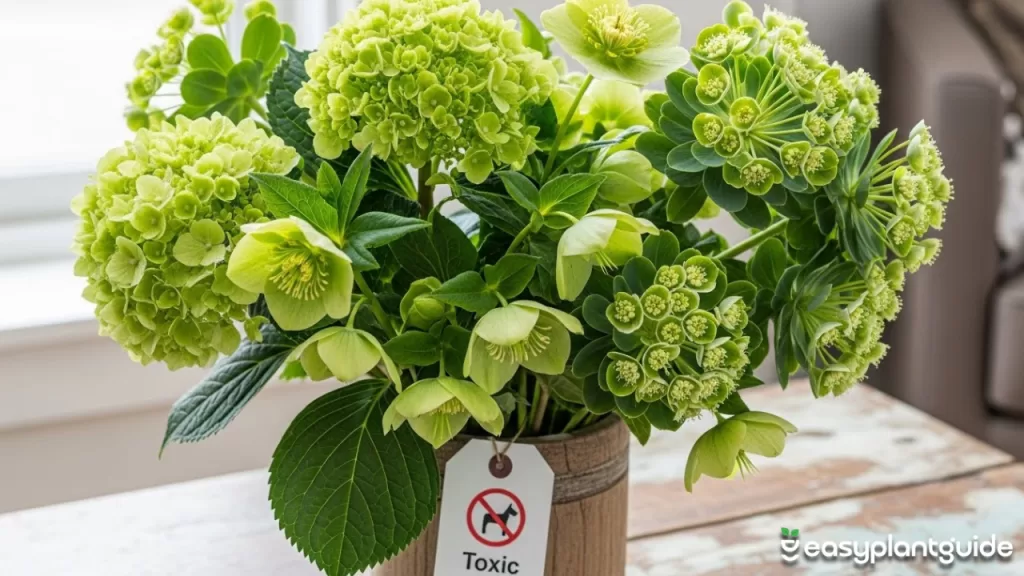
How Dogs Get Exposed to Toxic Flowers
Dogs are exposed to toxic flowers in more ways than most people realize. Chewing leaves or petals is the most obvious risk, but it does not stop there. Dogs may lick pollen from their fur, drink contaminated vase water, or even inhale pollen particles. Outdoor exposure happens during walks, playtime in the yard, or visits to parks. Indoor exposure often occurs when bouquets are placed at nose level. These everyday situations make accidental poisoning surprisingly common.
Common Symptoms of Flower Poisoning in Dogs
The symptoms of flower poisoning in What Flowers Are Toxic for dogs can range from mild discomfort to life-threatening emergencies. Early signs often include drooling, vomiting, diarrhea, and loss of appetite. As toxicity increases, dogs may show weakness, tremors, difficulty breathing, or abnormal heart rhythms. Some flowers cause delayed reactions, meaning symptoms may appear hours later. This delay can confuse owners and slow treatment. Recognizing early warning signs and connecting them to possible plant exposure is critical for fast veterinary care.
Top 5 Highly Toxic Flowers Dogs Should Never Eat
Some flowers are extremely toxic and should never be accessible to dogs under any circumstances.
- Lily varieties that can cause kidney failure
- Oleander containing heart-affecting toxins
- Foxglove that disrupts heart rhythm
- Autumn crocus leading to organ damage
- Sago palm flowers causing liver failure These plants are dangerous even in tiny amounts. A single bite, lick, or exposure to pollen can result in severe poisoning, making immediate veterinary attention essential.
Popular Garden Flowers That Are Toxic for Dogs
Many common garden flowers are toxic for dogs, even though they are widely grown for decoration. Dog owners often plant these flowers without realizing the risk they pose. Dogs digging in soil, chewing stems, or playing with fallen petals can easily ingest harmful substances. The danger increases during blooming seasons when petals drop to the ground. Regular garden maintenance and plant awareness are crucial steps in preventing accidental poisoning in outdoor spaces where dogs roam freely.
Indoor Flowers That Pose Hidden Risks
Indoor flowers pose hidden risks because they are often placed in areas What Flowers Are Toxic for dogs can easily reach. Coffee tables, low shelves, and kitchen counters are common spots for floral arrangements. Dogs may knock over vases, chew fallen petals, or drink water that contains plant toxins. Since indoor environments feel controlled and safe, many owners underestimate the danger. However, indoor poisoning cases are frequent, especially after holidays or celebrations when fresh flowers are brought into the home.
Indoor flowers can be especially dangerous because dogs spend most of their time inside the house, increasing the chances of repeated exposure. A curious dog may return to the same plant multiple times, licking pollen, nibbling leaves, or playing with dropped stems. Even flowers placed “out of reach” can become accessible if a vase tips over. Because indoor incidents happen quietly and without supervision, symptoms may go unnoticed until they become severe, making prevention and awareness absolutely essential.
5 Indoor Flowers That Can Harm Dogs
Certain indoor What Flowers Are Toxic for Dogs.
- Peace lilies causing mouth irritation
- Calla lilies leading to drooling
- Amaryllis bulbs triggering vomiting
- Chrysanthemums affecting coordination
- Daffodils with toxic bulbs These flowers may not always be fatal, but they can cause significant discomfort and distress. Keeping them completely out of your living space is the safest option for dog owners.
Outdoor Wildflowers That Are Dangerous for Dogs
Outdoor wildflowers are often overlooked when considering dog safety. These plants grow naturally in parks, trails, and open fields where dogs love to explore. Wildflowers may appear harmless, but many contain potent toxins. Dogs sniffing, chewing, or brushing against these plants can be exposed quickly. Since wildflowers are not planted intentionally, owners may not recognize them. Learning to identify common toxic wildflowers helps reduce risks during outdoor adventures.
5 Wildflowers Dogs Should Avoid Outdoors
- Buttercups causing mouth irritation
- Bluebonnets affecting the liver
- Lupine triggering seizures
- Milkweed causing heart problems
- Yew flowers leading to collapse These plants are often found in natural landscapes, making supervision during walks and hikes especially important for dog safety.
Toxic Flowers and Their Effects on Dogs
| Flower Name | Toxic Part | Main Symptoms | Severity |
| Lily | Leaves, pollen | Kidney failure | Severe |
| Oleander | All parts | Heart issues | Severe |
| Daffodil | Bulb | Vomiting | Moderate |
| Chrysanthemum | Flowers | Tremors | Mild–Moderate |
| Foxglove | Leaves | Irregular pulse | Severe |
Why Puppies Are More at Risk
Puppies face a higher risk from toxic flowers because their bodies are still developing. Their small size means toxins spread faster, and their organs cannot process chemicals efficiently. Puppies also chew more due to teething and curiosity. A flower that causes mild stomach upset in an adult dog can be deadly for a puppy. Extra supervision, training, and careful plant choices are essential when young What Flowers Are Toxic for dogs are part of the household.
What to Do If Your Dog Eats a Toxic Flower
If your dog eats a toxic flower, quick action is critical. Remove any remaining plant material from their mouth and prevent further exposure. Contact your veterinarian immediately and describe the plant if possible. Avoid inducing vomiting unless instructed by a professional. Time-sensitive treatment can prevent toxins from causing lasting damage. Keeping emergency numbers handy and knowing nearby veterinary clinics can make a life-saving difference in stressful situations.
How to Create a Dog-Safe Garden

Creating a dog-safe garden starts with plant selection. Choose non-toxic flowers and remove harmful plants entirely. Use fencing or raised beds to separate What Flowers Are Toxic for dogs from restricted areas. Regularly clean fallen petals and leaves, as toxins can remain active even after plants drop debris. A dog-safe garden allows your pet to explore freely while giving you peace of mind that beauty and safety can coexist harmoniously.
What Flowers Are Toxic for Dogs alternatives allow you to enjoy colorful gardens without worry. Flowers such as roses, sunflowers, snapdragons, and orchids are generally considered safe for What Flowers Are Toxic for dogs. These plants provide visual appeal and fragrance without toxic risks. Choosing safe alternatives is like swapping sharp toys for soft ones—it keeps your dog happy while preventing unnecessary danger. Always double-check plant safety before adding new flowers to your home or garden.
How to Train Dogs to Avoid Flowers
Training dogs to avoid flowers is an effective long-term safety strategy. Teaching commands like “leave it” and reinforcing boundaries helps prevent chewing behavior. Consistent training, positive reinforcement, and supervision work together to reduce risky habits. Training does not replace plant safety, but it adds an extra layer of protection. Over time, What Flowers Are Toxic for dogs learn which areas and objects are off-limits, reducing the likelihood of accidental poisoning.
Myths About What Flowers Are Toxic for Dogs
Many people believe What Flowers Are Toxic for dogs instinctively know which plants are dangerous, but this is a myth. Curiosity often outweighs caution. Another myth is that dried or wilted flowers are harmless, when in reality toxins can remain potent. Some owners also assume only exotic plants are toxic, ignoring common household flowers. Dispelling these myths helps dog owners take proactive steps rather than relying on assumptions that could put pets at risk.
Conclusion
Knowing what flowers are toxic for dogs equips you to make safer choices every day. From gardens to living rooms, awareness reduces risks and prevents emergencies. Flowers may add beauty to your surroundings, but your dog’s health is far more valuable. By staying informed, choosing pet-safe plants, and acting quickly when accidents happen, you create a safer, happier environment where your dog can thrive without hidden dangers.
Knowing what flowers are toxic for dogs also builds confidence in your daily decisions as a pet owner. Instead of worrying about every plant your dog encounters, you can enjoy your home and garden with peace of mind. Small changes, like replacing risky flowers or supervising outdoor play, can have a big impact on safety. When protection becomes a habit rather than a reaction, What Flowers Are Toxic for dogs benefits from a secure space where curiosity is welcomed without unnecessary danger.
Checkout for more green blogs here.