
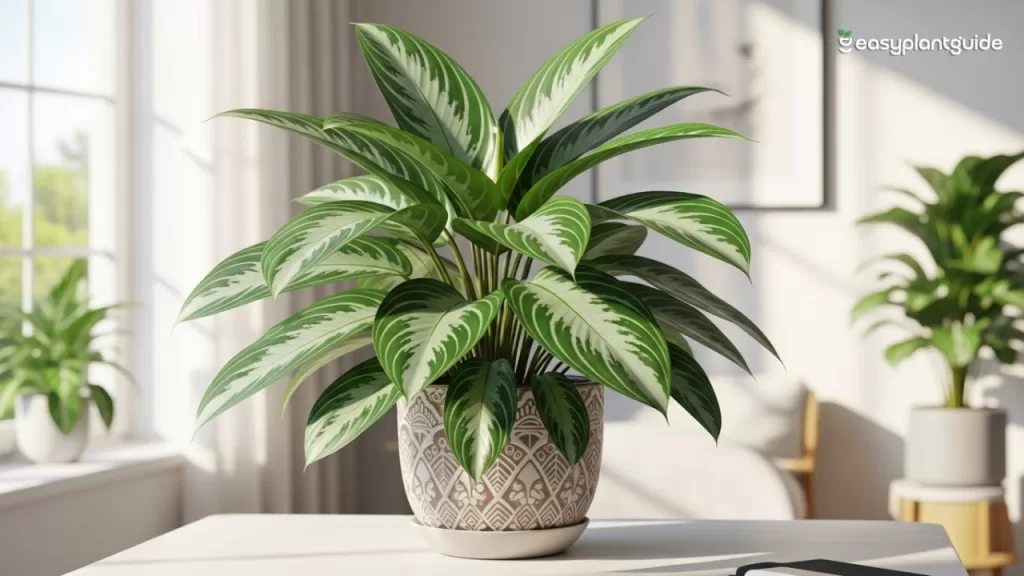
If you’ve ever walked into a room and felt instantly relaxed, chances are there was a lush green plant nearby. Among these green gems, the Aglaonema Emerald stands out. This tropical beauty isn’t just pretty—it’s a mood booster, air purifier, and low-maintenance companion rolled into one. In this guide, I’ll share everything you need to know to make your Aglaonema Emerald flourish indoors.
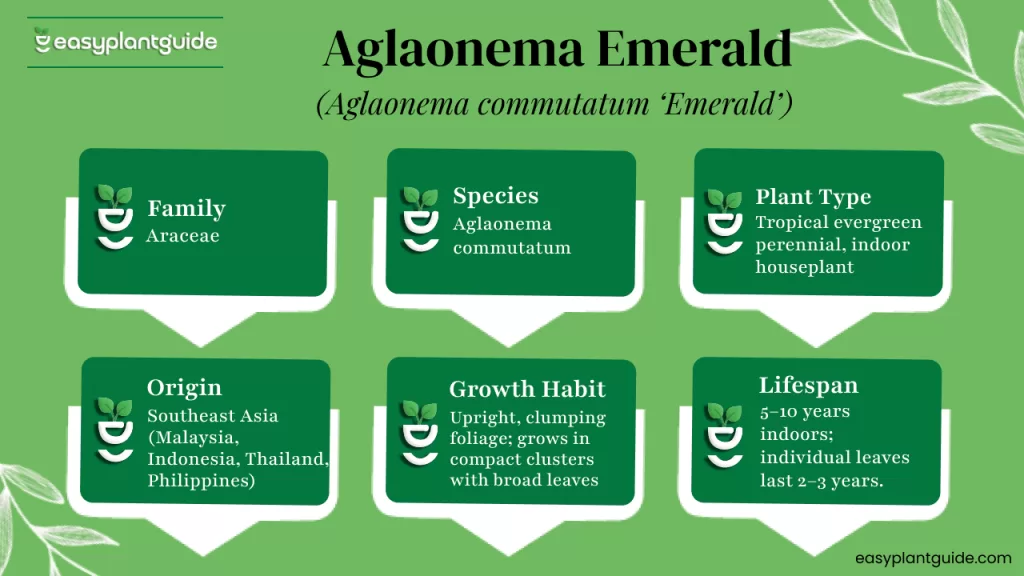
What Is Aglaonema Emerald?
The Aglaonema Emerald, commonly known as the Chinese Evergreen, is a stunning tropical plant native to the lush forests of Southeast Asia. Its striking emerald-green leaves, often adorned with silvery patterns or speckles, make it a standout addition to any indoor space.
Known for being low-maintenance and resilient, this plant is ideal for both beginners and seasoned plant lovers. It thrives in low to medium light conditions and adapts well to indoor environments. Not only does it add a touch of elegance, but it also promotes a calming, natural ambiance wherever it is placed.
5 Reasons You’ll Love Aglaonema Emerald
1. Air Purification
The Aglaonema Emerald isn’t just a pretty face—it’s a natural air purifier. Its lush leaves help remove toxins like formaldehyde, benzene, and other indoor pollutants, improving air quality and creating a healthier environment for you and your family.
2. Low Maintenance
If you’re not a green-thumb expert, no worries! This plant thrives with minimal watering and care. It’s forgiving if you forget to water it occasionally and doesn’t demand strict attention, making it perfect for busy lifestyles.
3. Indoor-Friendly
Not every home or office has perfect sunlight, and that’s okay. Aglaonema Emerald adapts well to low and medium light, so it can flourish in apartments, offices, or rooms with limited natural light.
4. Decor Versatility
From modern minimalist spaces to tropical-themed rooms, this plant blends effortlessly with any décor. Its vibrant leaves and unique patterns make it a natural statement piece, whether on a desk, shelf, or living room corner.
5. Stress Relief
There’s something magical about greenery. Simply having an Aglaonema Emerald around can reduce stress and boost mood.
It creates a calming atmosphere, making it a small but powerful companion for your home or workspace.
There’s something magical about greenery. Simply having an Aglaonema Emerald around can reduce stress, boost mood, and create a calming atmosphere, making it a small but powerful companion for your home or workspace.
How to Care for Aglaonema Emerald Indoors
Light Requirements
- Thrives in bright, indirect light for optimal growth.
- Can tolerate low-light conditions, though growth may slow.
- Avoid direct sunlight, as it can scorch the leaves.
- Ideal for apartments or rooms with filtered sunlight.
- Rotate the plant occasionally to ensure even leaf exposure.
Watering Tips
- Water once a week or when the top inch of soil feels dry.
- Avoid overwatering; soggy soil causes root rot.
- Use room-temperature water to prevent shock.
- Mist occasionally to increase humidity.
- Empty excess water from the saucer.
Soil and Potting
- Well-draining soil is essential.
- Use a pot with drainage holes.
- Mix peat, perlite, and potting soil for best results.
- Repot every 2–3 years.
- Avoid heavy clay soil that retains water.
Aglaonema Emerald and Pets
While the Aglaonema Emerald is a beautiful and low-maintenance indoor plant, it’s important to remember that it is mildly toxic to cats and dogs if ingested. Eating the leaves can cause symptoms like irritation in the mouth, drooling, or upset stomach. To keep your furry friends safe, place the plant out of their reach—hanging pots, high shelves, or rooms that pets don’t access are ideal. Regularly monitor your pets around the plant, and if you notice any unusual behavior after contact, consult your veterinarian immediately. With a few precautions, you can enjoy the beauty of Aglaonema Emerald without compromising pet safety.
Fertilizing Your Aglaonema Emerald
| Fertilizer Type | Frequency | Notes |
|---|---|---|
| Liquid fertilizer | Every 4–6 weeks | Dilute to half strength |
| Slow-release granules | Every 3 months | Works well for busy owners |
| Organic compost | Every 2 months | Boosts soil nutrients |
| Balanced NPK | Monthly | Supports overall growth |
| Foliar spray | Optional | Use in warmer months |
5 Common Problems and How to Fix Them
1. Yellow Leaves
Yellowing leaves often indicate overwatering or insufficient light. Make sure the soil is well-draining and allow the top inch to dry out between waterings. If the problem persists, move your plant to a brighter spot with indirect sunlight.
2. Brown Tips
Brown leaf tips are usually caused by low humidity or inconsistent watering. Mist your plant regularly, especially in dry indoor environments, and maintain stable moisture levels in the soil. Using a humidity tray can also help.
3. Slow Growth
If your Aglaonema Emerald is growing slowly, it may be getting insufficient light or lacking nutrients. Move the plant closer to a window with indirect sunlight and consider fertilizing monthly during the growing season to boost its vitality.
4. Leaf Curling
Leaves may curl when exposed to too much direct sunlight or temperature stress. Provide a shaded spot away from harsh sun rays and maintain consistent indoor temperatures. Curling can also indicate underwatering, so check the soil moisture.
5. Pests (Mealybugs, Spider Mites)
Common pests like mealybugs or spider mites can damage leaves. Wipe affected areas with a damp cloth and treat with insecticidal soap or neem oil. Regularly inspect your plant to catch infestations early.
Propagating Aglaonema Emerald
Stem Cuttings
To propagate your Aglaonema Emerald using stem cuttings, start by cutting healthy stems that are about 4 to 6 inches long. Remove the lower leaves from the cutting and place it either in water or directly into moist soil. Keep the cutting in a spot with bright, indirect light, and within 2 to 4 weeks, you should see roots beginning to develop, signaling successful propagation.
Division Method
Another effective way to propagate Aglaonema Emerald is through the division method. Carefully remove the plant from its pot and gently separate the roots into smaller clumps. Replant each clump into fresh, well-draining soil and water lightly after repotting. Monitor the newly divided plants for 1 to 2 weeks to ensure they adjust well and show no signs of stress.
Aglaonema Emerald Varieties
The Aglaonema Emerald comes in several popular cultivars, each with its own charm and distinctive features. One of the most sought-after varieties is the Aglaonema Emerald Beauty, known for its deep green leaves with silver speckles that shimmer in indirect light. Another favorite is the Silver Bay, which has a lighter green foliage with striking silver patterns along the veins, giving it a more elegant and modern look.
The Maria cultivar stands out with slightly variegated leaves, combining dark green and light green shades for a visually rich appearance. These varieties are not only aesthetically appealing but also share the same low-maintenance traits, making them perfect for beginners and seasoned plant enthusiasts alike. Choosing the right cultivar can add a unique personality to your indoor space, whether you want a bold statement piece or a subtle touch of greenery.
Styling Ideas for Your Home
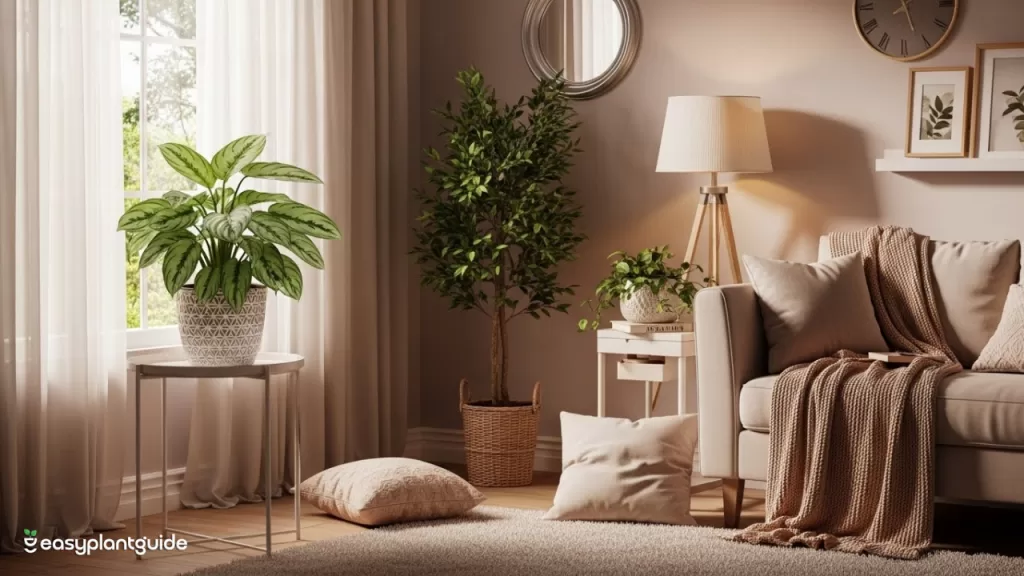
- Living room centerpiece: Place in decorative pots.
- Bedroom corner: Creates a calming vibe.
- Office desk accent: Boosts focus and productivity.
- Bathroom green touch: Thrives in humid spaces.
- Bookshelf filler: Adds texture and color.
5 Tips to Keep Aglaonema Emerald Healthy
- Rotate the plant occasionally to ensure all sides receive equal light, promoting even growth and preventing lopsided leaves.
- Dust leaves with a soft cloth regularly to remove dirt and allow the plant to efficiently absorb sunlight.
- Keep away from cold drafts or sudden temperature changes, as Aglaonema Emerald prefers stable, warm indoor conditions.
- Maintain consistent indoor temperature, ideally between 65–80°F (18–27°C), to support healthy growth and vibrant foliage.
- Inspect regularly for pests like mealybugs or spider mites, and act quickly with natural or mild insecticidal solutions if needed.
Fun Facts About Aglaonema Emerald
The Aglaonema Emerald, often called “evergreen luck” in Feng Shui, symbolizes prosperity and positive energy in the home while also purifying indoor air more effectively than some expensive air filters, making it both beautiful and functional. With proper care, its leaves can live for 2 to 3 years, and the plant itself can grow up to 3 feet indoors, creating a striking presence. Thanks to its resilience and low-maintenance nature, the Aglaonema Emerald has become a favorite among beginners and plant enthusiasts alike.
Troubleshooting Your Plant Like a Pro
If your Aglaonema Emerald starts showing signs of stress, there’s usually a simple fix. Drooping leaves often indicate that the plant isn’t receiving enough water or light, so check soil moisture and adjust its position. Discoloration in the leaves can be a sign of improper lighting or nutrient deficiencies in the soil—moving the plant to a brighter spot or supplementing with balanced fertilizer can help.
Pest infestations, like mealybugs or spider mites, should be treated promptly using neem oil or gentle insecticidal soap. Wilting may occur if the roots are cramped, in which case repotting into fresh soil can revive the plant. Lastly, slow growth can usually be corrected by fertilizing regularly and ensuring the plant gets adequate indirect light.
The Perfect Environment for Aglaonema Emerald
To help your Aglaonema Emerald thrive, it’s important to create the ideal environment. The plant prefers temperatures between 65–80°F (18–27°C) and should be kept away from cold drafts or sudden temperature changes. Humidity levels around 50–60% are ideal, and occasional misting can boost its health in drier indoor conditions. Bright, indirect light is preferred, as direct sunlight can scorch the leaves. The soil should be well-draining and rich in organic matter to support healthy roots, and while the pot size can vary, it must have proper drainage to prevent waterlogging. With these conditions, your Aglaonema Emerald will flourish and remain vibrant year-round.
Conclusion
Caring for an Aglaonema Emerald is a joyful experience that rewards you with beauty, serenity, and cleaner air. By following these practical tips, tricks, and troubleshooting methods, you’ll have a vibrant indoor plant that thrives year-round. Whether you’re a beginner or a seasoned plant parent, this emerald gem is a must-have addition to any home. So why wait? Bring one home, nurture it, and let your space flourish with life!
Explore more plant blogs and grow your green journey with us.