
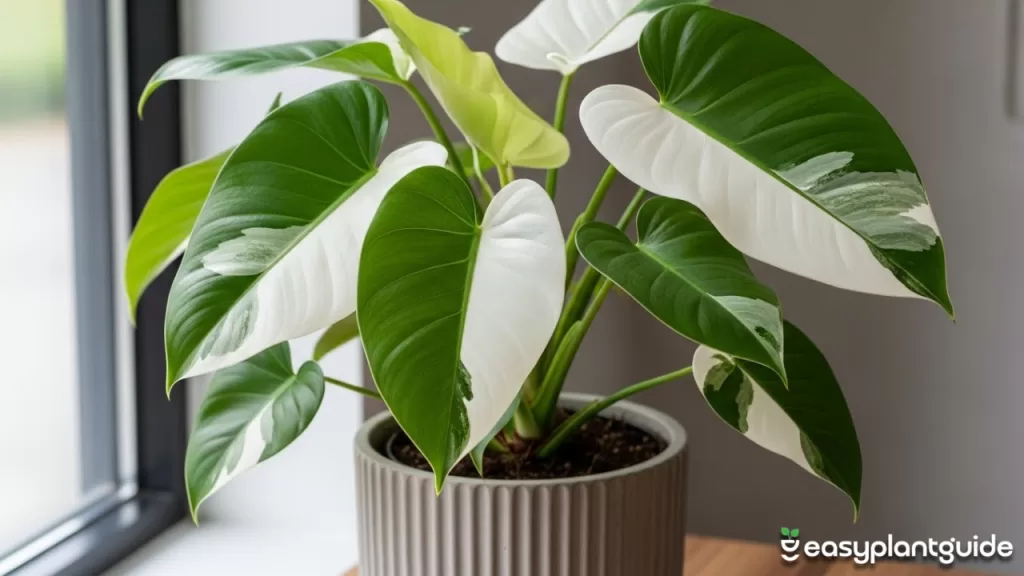
White Wizard Philo is not just another houseplant sitting quietly in the corner of a room. It’s a bold personality, a living artwork, and a conversation starter all rolled into one pot. With its dramatic green leaves splashed in clean white variegation, this plant looks like it was painted by hand. If you’ve ever wanted a plant that feels luxurious without being impossible to care for, White Wizard Philo fits that dream perfectly. It balances elegance with approachability, which is exactly why it has become so desirable among indoor plant enthusiasts.
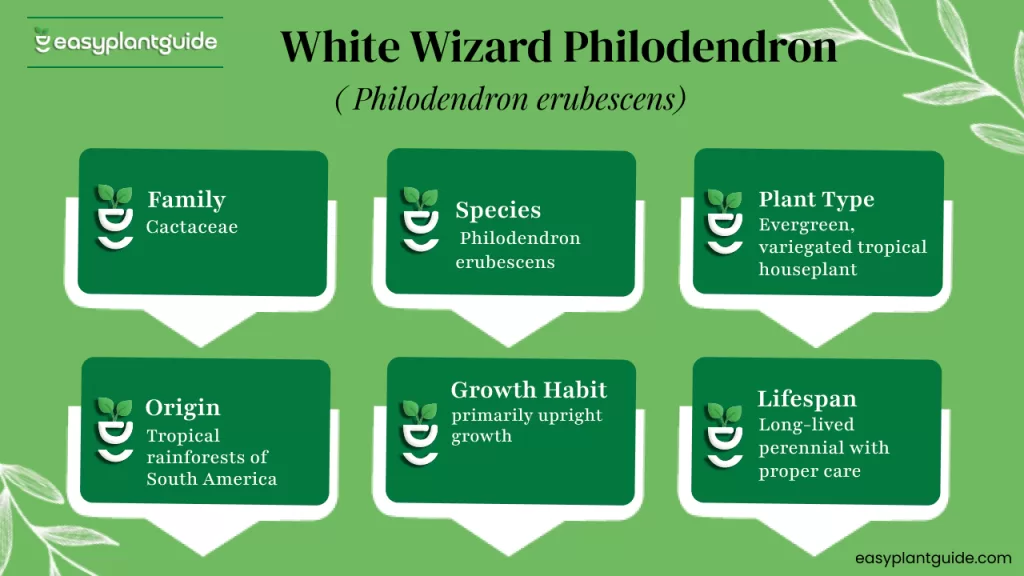
Why White Wizard Philo Is So Popular Right Now
Trends come and go, but some plants earn lasting admiration. White Wizard Philo has climbed the popularity ladder because it offers something rare: strong variegation paired with relatively stable growth. Unlike some fussy variegated plants that lose color easily, this one rewards consistent care with bold, long-lasting patterns. It’s like owning a designer piece that actually gets better with time.
Caring for White Wizard Philo Indoors
Caring for White Wizard Philo is easier than it looks, but it requires attention to detail. This plant prefers bright, filtered light and well-draining soil to prevent root rot. Regular watering, while allowing the top layer of soil to dry, keeps it healthy and vibrant. Providing moderate humidity and stable temperatures ensures the leaves stay smooth and variegation remains prominent. With the right balance of light, water, and warmth, White Wizard Philo grows steadily, rewarding plant owners with stunning, dramatic foliage that enhances any room.
White Wizard Philo: A Tropical Treasure
White Wizard Philo is a striking tropical plant that brings elegance and charm to any indoor space. Its bold white variegation on deep green leaves makes it a standout among houseplants. Native to South America, this plant thrives in warm, humid environments with bright, indirect light. Understanding its tropical origins helps plant parents recreate the perfect conditions indoors. With consistent care, White Wizard Philo develops strong stems and vibrant foliage, making it a long-lasting and visually rewarding addition to your plant collection.
Botanical Roots and Natural Habitat
White Wizard Philo belongs to the Philodendron erubescens group, native to the tropical rainforests of South America. In the wild, these plants climb trees, stretching toward dappled sunlight while enjoying warm temperatures and high humidity. Understanding this origin is key. When you recreate those conditions indoors, even loosely, the plant responds with healthier leaves, stronger stems, and more impressive variegation.
1. Tropical Origins of White Wizard Philo
White Wizard Philo traces its roots to the lush tropical rainforests of South America, where warmth, moisture, and filtered light dominate the environment. In these regions, rainfall is frequent, humidity remains consistently high, and temperatures rarely fluctuate. This stable climate allows the plant to grow steadily throughout the year. Because it evolved in such conditions, White Wizard Philo naturally prefers indoor environments that feel warm, slightly humid, and protected from sudden changes, helping it maintain healthy foliage and strong overall structure.
2. Natural Climbing Behavior in the Wild
- In its natural habitat, White Wizard Philo grows as a climber, attaching itself to trees and large plants for support.
- Instead of spreading along the ground, it uses aerial roots to anchor upward, allowing its leaves to access better light above the forest floor.
- This climbing habit explains why the plant develops thick stems and large leaves indoors.
- Providing a support pole or stake at home can encourage upright growth and mimic its natural climbing instincts.
How Natural Habitat Influences Indoor Care
The rainforest environment directly shapes how White Wizard Philo behaves indoors. High humidity keeps the leaves smooth and vibrant, while indirect sunlight protects the delicate white variegation from burning. Warm temperatures promote steady growth, while cold or dry air can slow development. By loosely recreating these rainforest conditions—bright filtered light, balanced moisture, and gentle warmth—you help the plant feel “at home,” resulting in stronger growth and more visually striking foliage.
Light Requirements That Keep Variegation Strong
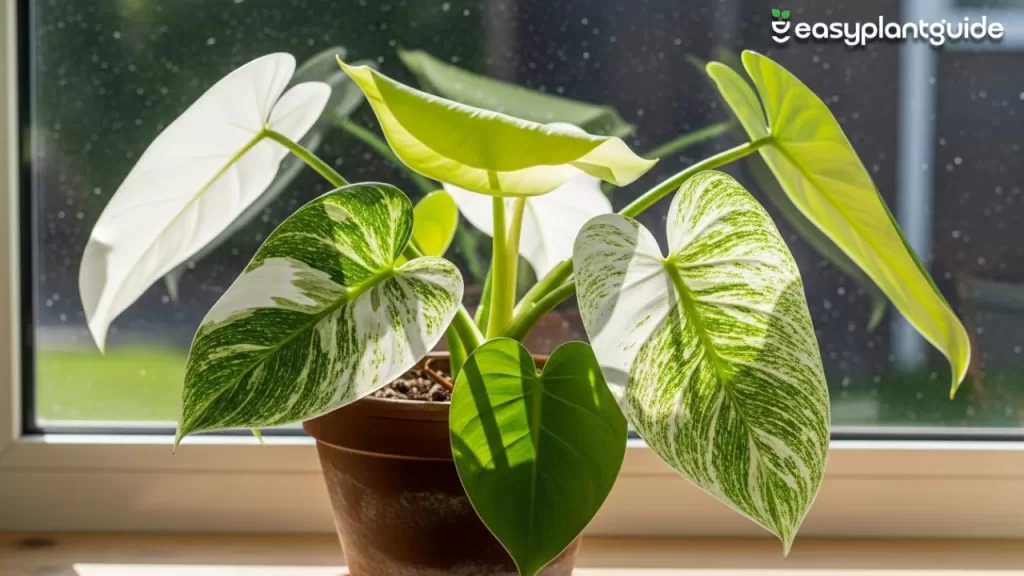
Light is the single most important factor in keeping White Wizard Philo looking its best. Bright, indirect light helps maintain crisp white patterns without damaging the leaves. Too little light causes the plant to revert to greener foliage, while harsh direct sun can scorch the white areas, leaving brown patches behind.
Signs Your Light Setup Is Perfect
- Leaves show bold, clean white variegation
- New leaves emerge regularly
- Leaf size gradually increases
- No burn marks or faded patches
- Stems grow upright and firm
Watering Best Practices to Follow
- Water only when the top soil feels dry
- Use pots with proper drainage
- Avoid cold or chlorinated water
- Reduce watering during winter months
- Never leave water standing in the saucer
White Wizard Philo Growth Habit
White Wizard Philo has a primarily upright growth habit, developing thick, sturdy stems that support large, dramatic leaves. Unlike trailing philodendrons, it climbs slowly and steadily, often benefiting from a support pole or stake indoors. The plant produces new leaves gradually, allowing for controlled, manageable growth. Its growth rate is moderate, making it suitable for both beginners and experienced plant enthusiasts. With proper light, humidity, and watering, White Wizard Philo maintains strong stems and vibrant variegation, creating a striking focal point in any indoor space.
Choosing the Best Soil Mix for Healthy Roots
Roots are the foundation of any healthy plant, and White Wizard Philo is no exception. Dense soil suffocates roots and invites rot, while airy mixes encourage strong root development. A chunky, well-draining mix is ideal, mimicking the loose forest debris this plant grows in naturally.
| Soil Component | Benefit |
| Potting soil | Provides nutrients |
| Perlite | Improves drainage |
| Orchid bark | Enhances airflow |
| Coco coir | Maintains moisture balance |
Temperature and Humidity Preferences
White Wizard Philo enjoys warmth and steady conditions. Sudden temperature changes can stress it out, much like stepping from summer heat into an air-conditioned room too quickly. Moderate humidity keeps the leaves smooth and vibrant, while dry air can cause crispy edges.
Ideal Indoor Environment Checklist
- Temperatures between 18–27°C
- Humidity levels above 50%
- No exposure to cold drafts
- Keep away from heaters or AC vents
- Stable conditions year-round
Fertilizing White Wizard Philo Without Overdoing It
Feeding your plant is like seasoning food. Too little and it’s bland, too much and it’s ruined. During the growing season, a balanced liquid fertilizer once a month is enough. This supports leaf development and overall plant strength without overwhelming the roots.Pruning isn’t just about looks; it’s about health. Removing damaged or yellowing leaves allows the plant to redirect energy toward new growth.
Regularly wiping the leaves also helps the plant photosynthesize better by removing dust buildup. Propagation is where the magic truly happens. By taking a healthy stem cutting with at least one node, you can grow a brand-new White Wizard Philo. Rooting in water lets you watch the process unfold, while soil propagation offers a more direct transition to pot life.
Common Problems and How to Fix Them
- Yellow leaves are often a clear sign of overwatering, especially when the soil stays wet for too long and roots struggle to breathe properly.
- Small leaves or unusually long gaps between nodes usually indicate that the plant is not receiving enough bright, indirect light.
- Brown or crispy leaf edges commonly point to dry air or low humidity in the surrounding environment.
- Sudden leaf drooping may signal stress from temperature changes, drafts, or inconsistent watering habits.
- Slow or stalled growth often means the plant needs better light, nutrients, or more stable care conditions.
Is White Wizard Philo Safe Around Pets?
Unfortunately, no. Like most philodendrons, White Wizard Philo is toxic if ingested by pets or humans. The plant contains calcium oxalate crystals, which can cause mouth irritation, drooling, vomiting, and difficulty swallowing if chewed or eaten. Curious pets, especially cats and dogs, are most at risk due to their chewing habits. While the plant is safe to touch, it should always be placed out of reach to prevent accidental ingestion and ensure a safe home environment.
Conclusion
White Wizard Philo is more than just a passing plant trend—it’s a truly rewarding experience for anyone who enjoys nurturing greenery. Its bold white variegation instantly elevates any indoor space, while its care needs remain reasonable and easy to understand with time. This plant teaches patience, observation, and consistency, making it especially satisfying to grow.
When cared for thoughtfully, each new leaf feels like an achievement, often emerging larger and more striking than the last. Treating White Wizard Philo as a living companion rather than a decorative object builds a stronger connection, and in return, it delivers lasting beauty and impressive, healthy growth.
If you’re interested in important facts about Pink Cymbidium Orchid, be sure to read this article for more insights.