
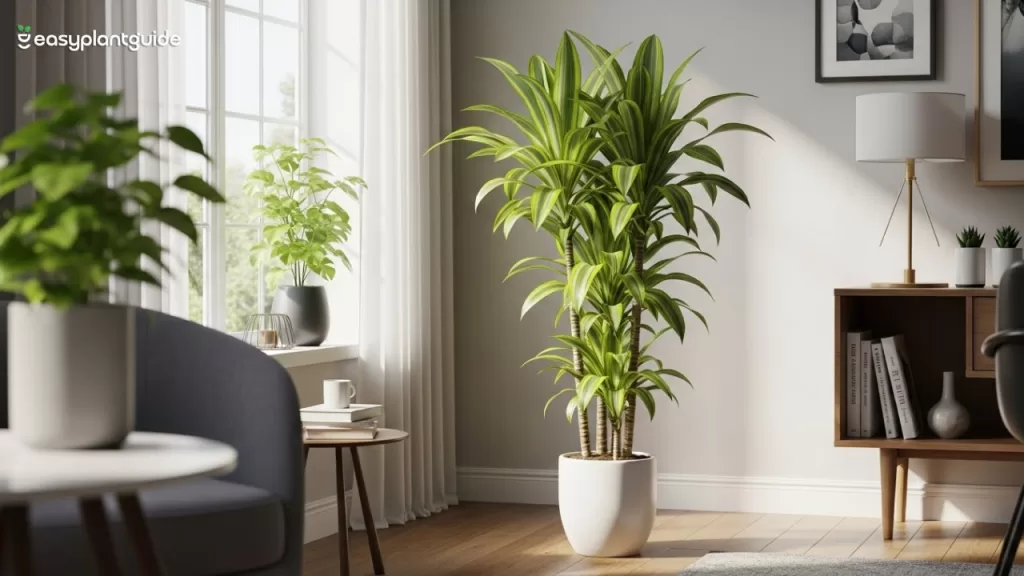
The Dracaena deremensis plant is one of those indoor plants that quietly steals the show. It does not scream for attention, yet it transforms rooms with calm, structured elegance. If houseplants were people, this one would be the reliable friend who always looks good without trying too hard.
Popular in homes, offices, and apartments, this tropical beauty is loved for its upright growth, striped leaves, and forgiving nature. Whether you are a beginner or a seasoned plant parent, the Dracaena deremensis plant fits right in. So why does this plant keep popping up everywhere? And more importantly, how do you keep it thriving instead of just surviving? Let’s dig in.
What Is the Dracaena Deremensis Plant?
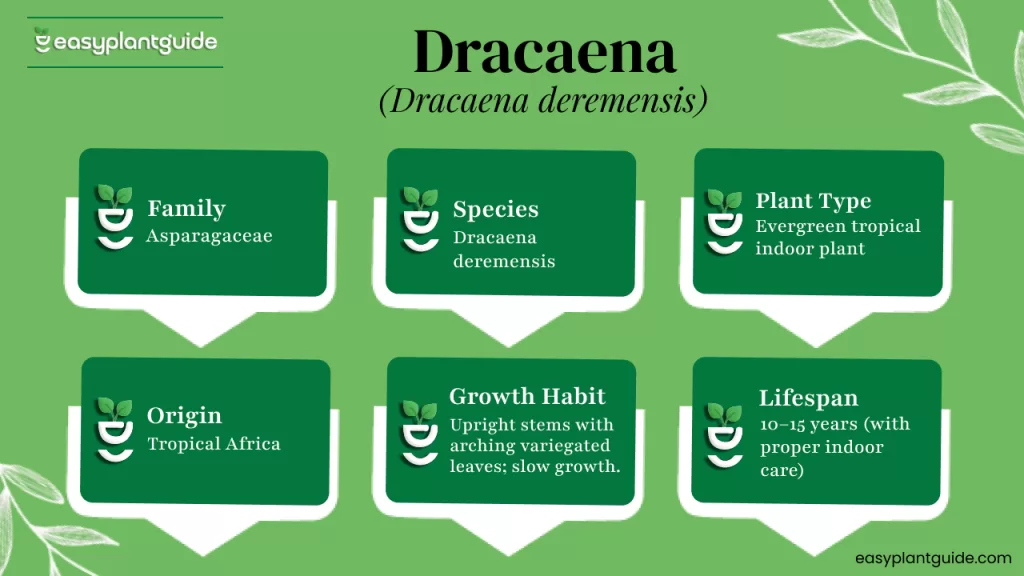
The Dracaena deremensis plant is a popular member of the Dracaena family and is often classified as a variety of Dracaena fragrans. Native to the tropical regions of Africa, this plant has adapted exceptionally well to indoor conditions, making it a favorite choice for homes and offices alike.
It features tall, cane-like stems topped with long, arching leaves that display attractive shades of green, often accented with yellow or cream striping. Known for its upright growth and elegant form, the Dracaena deremensis plant is commonly used as a floor plant to add height and structure, while younger plants look equally stylish on raised stands or tabletops.
Why the Dracaena Deremensis Plant Is So Popular
There is a reason this plant has earned a permanent spot in interior design magazines and office lobbies.
Key Reasons Plant Lovers Choose It
- It thrives in low to medium light
- It requires minimal watering
- It improves indoor aesthetics instantly
- It adapts well to indoor temperatures
- It grows slowly and predictably
Popular Varieties of Dracaena Deremensis Plant
Not all Dracaena deremensis plants look the same, and that is part of their charm. Each variety has its own distinct personality, leaf pattern, and visual appeal, allowing plant lovers to choose one that best fits their space and style. Dracaena ‘Warneckii’ is known for its narrow green leaves edged with white or gray striping, giving it a clean, modern look.
Dracaena ‘Janet Craig’ features deep green, glossy leaves and is especially valued for its tolerance of low-light conditions. Dracaena ‘Lemon Lime’ stands out with vibrant yellow and green striped foliage that instantly brightens indoor spaces. Dracaena ‘White Stripe’ offers softer contrast with pale striping running along its leaves, while Dracaena ‘Compacta’ has dense, tightly packed foliage and a slower growth habit, making it ideal for smaller areas.
Ideal Light Conditions for Healthy Growth
Light can make or break your plant’s mood. The Dracaena deremensis plant prefers bright indirect light, but it is impressively tolerant.
- Place near east or north-facing windows
- Avoid harsh afternoon sun
- Low light is acceptable, growth slows
- Variegated varieties need more light
- Rotate the plant monthly for even growth
How Often Should You Water the Dracaena Deremensis Plant?
If overwatering had a most-wanted list, the Dracaena deremensis plant would top it. This plant prefers its soil to dry out slightly between waterings, making it more forgiving for busy plant parents. The best approach is to check the top two inches of soil and water only when it feels dry. Always use room-temperature water and ensure the pot has proper drainage to prevent water from pooling at the roots. During winter, reduce the frequency of watering, as the plant’s growth naturally slows down. Remember, overwatering is like forcing the plant to wear wet shoes all day—it simply doesn’t end well.
Best Soil Mix for Dracaena Deremensis Plant
Soil is the foundation of a plant’s health, and the Dracaena deremensis thrives in a mix that is both breathable and supportive. The ideal soil is well-draining, slightly acidic to neutral, rich in organic matter, and lightweight rather than compacted. A peat-based indoor plant mix combined with perlite works beautifully, allowing roots to breathe while retaining enough moisture to support growth.
Temperature and Humidity Requirements
The Dracaena deremensis plant enjoys stable indoor conditions, much like many of us. It grows best in temperatures between 65°F and 80°F and should be kept away from cold drafts, air conditioners, or heaters. Moderate indoor humidity is ideal, and occasional misting can help maintain leaf health. Bathrooms and kitchens often provide the perfect humidity balance. Sudden drops in temperature can stress the plant and may cause leaf drop, so consistency is key.
Fertilizing the Dracaena Deremensis Plant
Feeding your plant is like giving it a gentle boost rather than a full energy drink. Use a balanced liquid fertilizer and feed once a month during spring and summer, when the plant is actively growing. Avoid fertilizing in winter, as growth slows down. Always dilute the fertilizer to half strength to prevent nutrient burn, and flush the soil occasionally to remove any salt buildup. Less is more when it comes to feeding this plant, and moderation ensures healthy, vibrant leaves.
Pruning and Maintenance Made Easy
Pruning keeps your Dracaena deremensis looking tidy and encourages fresh growth. Regularly remove yellow or damaged leaves and cut back leggy stems to maintain a balanced shape. Use clean, sharp scissors to prevent infections, and prune during the spring or summer when the plant is actively growing. New growth will typically appear below the cuts, rejuvenating the plant’s appearance. Think of pruning as a haircut—it refreshes the overall look and keeps your plant looking its best.
Propagation of Dracaena Deremensis Plant
You can propagate this plant without any complicated tricks. Stem cuttings can be rooted either in water or directly in soil, while techniques like air layering or cane cuttings are also effective for larger plants. Division of mature plants is another option for those looking to create multiple new plants. Propagation may take time and patience, but watching a new plant grow from a cutting is incredibly satisfying and rewarding for any plant enthusiast.
Benefits of Growing Dracaena Deremensis Indoors
The Dracaena deremensis plant is more than just a visually appealing addition to your home or office. Its presence brings a range of practical and aesthetic benefits, making it a favorite among indoor plant enthusiasts.
1. Enhances Interior Décor
With its tall, cane-like stems and elegant, arching leaves, the Dracaena deremensis adds instant style to any space. Its structured form creates a sense of order, while the variegated leaf patterns provide subtle color contrast. Whether placed in a modern living room, a minimalist office, or a cozy corner, this plant acts as a natural décor element, elevating the overall ambiance.
2. Helps Improve Air Quality
Like many indoor plants, Dracaena deremensis contributes to cleaner air. It naturally filters toxins such as formaldehyde, benzene, and trichloroethylene from the environment, helping to reduce indoor pollution. By absorbing harmful chemicals and releasing fresh oxygen, it creates a healthier space for you and your family or colleagues.
3. Reduces Visual Clutter
The vertical growth of Dracaena deremensis makes it ideal for organizing and balancing a room visually. Its presence can break up empty corners or fill awkward spaces, reducing the sense of clutter. By drawing the eye upward, it adds height and structure without overwhelming the space.
4. Creates a Calming Atmosphere
Greenery naturally soothes the mind, and the Dracaena deremensis is no exception. Its lush, arching leaves and steady growth pattern create a tranquil environment, helping to reduce stress and promote relaxation. Placing it near workspaces or reading nooks can enhance focus and well-being.
5. Perfect for Offices and Homes
Whether you’re decorating a home or a workplace, this plant fits seamlessly. It thrives in indoor conditions, tolerates moderate light, and requires minimal maintenance. Its combination of beauty, air-purifying ability, and calming effect makes it an excellent choice for both residential and professional settings.
Common Problems and Their Solutions
Even low-maintenance plants like the Dracaena deremensis can have off days. Understanding common issues and their solutions will help keep your plant healthy, vibrant, and thriving. Most problems are care-related and easy to fix once you know what to look for.
1. Yellow Leaves from Overwatering
One of the most common issues with Dracaena deremensis is yellowing leaves, usually caused by overwatering. When the roots sit in water for too long, they can rot, which prevents the plant from absorbing nutrients properly. To fix this, reduce watering and ensure the pot has proper drainage. Removing any yellow leaves at the base also helps the plant redirect energy to healthy growth.
2. Brown Leaf Tips from Dry Air or Salt Buildup
Brown tips are often a sign of low humidity or excess salts in the soil from fertilizers. Increasing humidity by misting the leaves or placing a humidifier nearby can help. Additionally, occasionally flushing the soil with water will wash away excess salts and prevent tip burn, keeping the foliage looking lush.
3. Drooping Leaves from Cold Stress
Dracaena deremensis is sensitive to sudden drops in temperature. If leaves appear droopy or limp, it may have been exposed to drafts, air conditioning, or cold windows. Move the plant to a warmer, stable environment and remove any damaged leaves. Recovery can take a few weeks, but the plant usually bounces back when conditions stabilize.
4. Slow Growth Due to Low Light
While this plant tolerates low light, insufficient lighting can slow its growth and cause leaves to lose vibrancy. If your plant looks leggy or pale, consider moving it closer to a bright, indirect light source. Rotating the plant occasionally will also ensure even growth on all sides.
5. Leaf Spots from Excess Moisture
Water sitting on leaves or overly damp soil can cause fungal or bacterial leaf spots. Remove affected leaves and improve air circulation around the plant. Avoid splashing water on the foliage and ensure the soil drains well. Regularly inspecting the plant helps catch problems early before they spread.
Is the Dracaena Deremensis Plant Safe for Pets?
Unfortunately, the Dracaena deremensis plant is toxic to cats and dogs if ingested. Pet owners should take precautions to ensure their furry friends stay safe. It’s best to keep the plant out of reach, placing it on high shelves, in hanging planters, or on raised stands where pets cannot access it. If you notice your pet showing interest in chewing plants, consider substituting with pet-safe alternatives to prevent accidents. In the event that a pet does ingest any part of the plant, contact a veterinarian immediately. When it comes to pets, taking proactive measures is always better than dealing with potential health issues later.
Dracaena Deremensis Plant Care Summary
| Care Factor | Ideal Condition |
|---|---|
| Light | Bright, indirect |
| Watering | When top soil dries |
| Soil | Well-draining mix |
| Temperature | 65°F–80°F |
| Fertilizer | Monthly (growing season) |
Styling Ideas for Interior Spaces
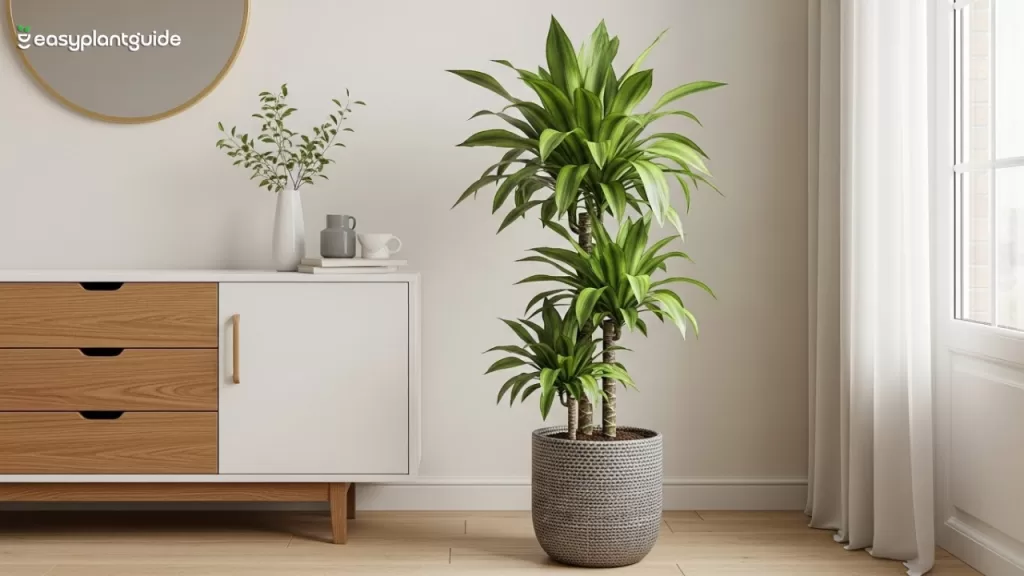
The Dracaena deremensis plant plays well with modern and minimal interiors.
- Use neutral ceramic pots
- Pair with wooden furniture
- Place near windows for height balance
- Combine with smaller plants
- Use floor planters for drama
Conclusion
The Dracaena deremensis plant is a perfect example of how beauty and elegance do not need to come with complicated care. With just a little attention—providing steady, indirect light, mindful watering, and occasional pruning—this plant rewards you with lush, vibrant foliage and a timeless, sophisticated presence. Its adaptability makes it ideal for busy lifestyles, beginners, or anyone
Explore more plant blogs and grow your green journey with us.