
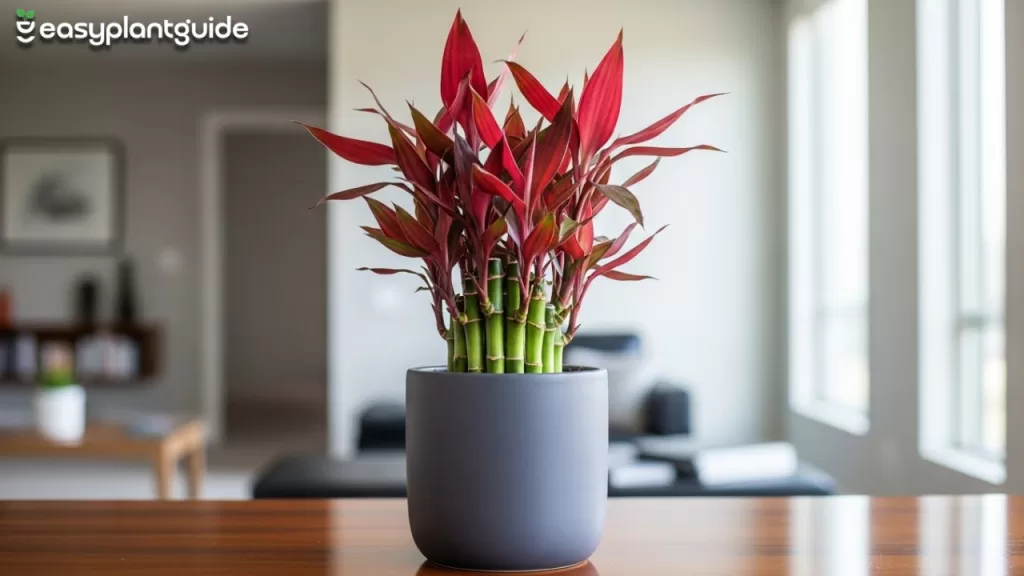
The pink bamboo plant, often admired for its elegant stalks and soft pink-striped foliage, is a popular indoor plant that blends beauty with simplicity. Commonly associated with good luck and positive energy, this plant has become a favorite choice for homes, offices, and gifting purposes. Its upright growth, graceful appearance, and ability to adapt to indoor environments make it ideal for beginners as well as experienced plant lovers.
What truly sets the pink bamboo plant apart is its unique coloration. Unlike traditional green bamboo-like plants, this variety displays subtle pink, cream, or reddish tones along its leaves or stems, adding a modern decorative touch. Despite its exotic appearance, the plant is surprisingly low maintenance.This comprehensive pink bamboo plant care guide will walk you through everything you need to know—from light and watering requirements to propagation methods and common problems—so your plant remains healthy, vibrant, and visually appealing throughout the year.
What Is Pink Bamboo Plant?
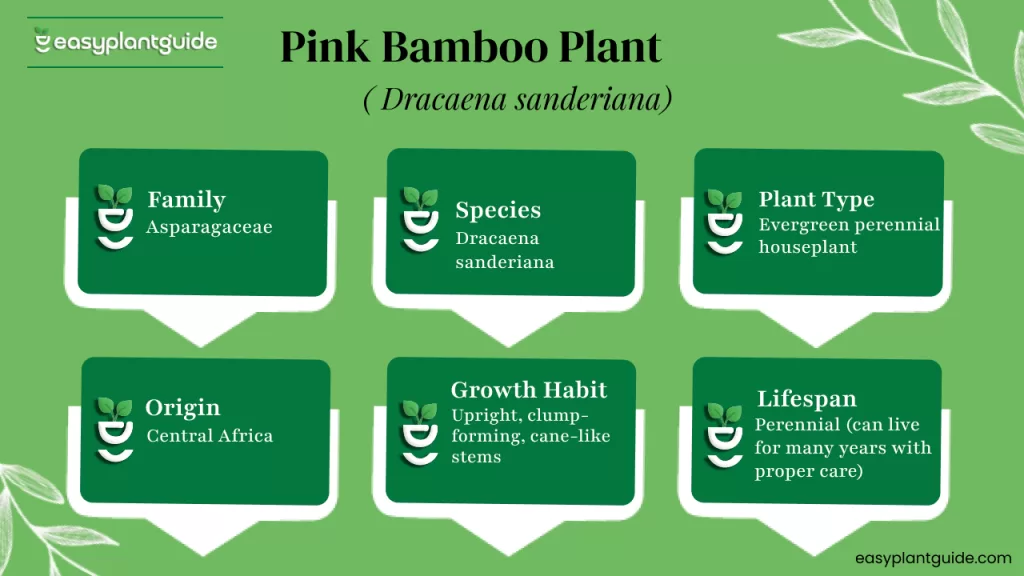
The pink bamboo plant is not true bamboo but a decorative indoor plant known for its cane-like stems and narrow, arching leaves. It grows upright with segmented stalks that resemble bamboo, making it a popular ornamental choice. The plant’s pink or variegated leaf edges give it a distinctive appearance, especially in bright indoor settings. Its compact size and slow growth habit make it well-suited for tabletops, shelves, and corners.
Despite its name, the pink bamboo plant is not a bamboo species. It is often mistaken for true bamboo due to its segmented stems. Culturally, it is associated with Feng Shui, symbolizing luck, harmony, and prosperity. A unique fact is that its stalks can be trained into spirals and shapes, adding artistic value.
Why Pink Bamboo Plant Is Popular
Low Maintenance Nature
One of the main reasons the pink bamboo plant is so widely loved is its remarkably low maintenance nature. This plant adapts easily to different indoor environments and tolerates a wide range of light conditions, from low to bright indirect light. It does not demand frequent watering and can thrive in either soil or water with minimal effort. Its ability to adjust to normal indoor temperatures makes the pink bamboo plant an ideal choice for busy households, offices, and beginner plant owners.
Aesthetic Value
The pink bamboo plant stands out for its soft pink and green foliage that instantly adds warmth and sophistication to any indoor space. Its elegant upright growth creates a neat and calming appearance, making it perfect for modern, minimalistic, and traditional décor styles. Whether displayed in glass containers, ceramic pots, or stylish planters, the pink bamboo plant enhances tabletops, shelves, and corners, offering decorative versatility while maintaining a clean and refreshing visual appeal.
Light Requirements
1. Ideal Light Conditions
The pink bamboo plant grows best in bright, indirect light that mimics its natural tropical environment. Positioning it near an east- or north-facing window allows the plant to receive gentle morning or diffused daylight without exposure to harsh sun rays. Consistent lighting supports steady growth and keeps the plant healthy. Sudden changes in light levels should be avoided, as stable conditions help the pink bamboo plant maintain strong stems and well-balanced foliage.
2. Maintaining Visual Appeal
Proper lighting plays a major role in preserving the pink bamboo plant’s attractive variegation. Adequate light enhances the soft pink and green tones on the leaves, keeping the plant vibrant and decorative. When light levels are too low, the foliage may lose its color intensity and appear dull or pale green. Providing sufficient indirect light ensures the plant retains its signature look and remains visually appealing indoors.
3. Low Light Tolerance
The pink bamboo plant can tolerate low light conditions, which adds to its reputation as an easy-care houseplant. However, prolonged low light exposure may slow growth and reduce leaf coloration. To support better development, rotating the plant occasionally helps ensure even light distribution. Moving it slightly closer to a light source can also improve overall health while still avoiding direct sunlight.
4. Risks of Direct Sunlight
Direct sunlight can be harmful to the pink bamboo plant, often leading to scorched or discolored leaves. Extended exposure to strong sun rays may cause brown patches, leaf curling, or faded foliage. To prevent damage, place the plant behind sheer curtains or in areas with filtered light. This protective approach allows enough brightness while shielding the plant from harsh sunlight.
Watering Pink Bamboo Plant
The pink bamboo plant can grow in either water or soil, making watering flexibility one of its standout features. Always check moisture levels before watering to avoid root rot.
In soil, water when the top inch feels dry. During warmer months, watering may be required once a week, while winter watering should be reduced. If grown in water, change the water every 7–10 days to prevent bacterial buildup. Using filtered or distilled water helps avoid chemical damage from tap water. Proper drainage is essential for soil-grown plants to keep roots healthy.
Soil and Potting Needs
A well-draining potting mix is essential for keeping the pink bamboo plant healthy and free from root problems. An ideal mix includes high-quality indoor potting soil blended with perlite or coarse sand to improve airflow and drainage. Always select pots with drainage holes to prevent water from collecting at the roots. Repotting is typically needed every one to two years or when roots become crowded. Light fertilization during the active growing season supports strong stems and lush foliage.
Temperature and Humidity Preferences
The pink bamboo plant thrives in warm indoor conditions, with an ideal temperature range between 65–85°F (18–29°C). Sudden temperature changes should be avoided, especially exposure to cold drafts, air conditioners, or heaters. Moderate humidity levels suit the plant well, but dry indoor air may cause leaf tips to brown. Occasional misting or placing a humidity tray nearby helps maintain moisture levels and keeps the foliage healthy and attractive.
Propagation of Pink Bamboo Plant
Propagating the pink bamboo plant is simple and highly rewarding, even for beginners. Start by cutting a healthy stalk just below a visible node using clean, sharp scissors. The cutting can be placed in clean water or moist soil, depending on preference. Roots usually begin to form within three to four weeks. Spring and early summer are the best times for propagation, as warmer temperatures and active growth encourage faster and stronger root development.
Common Problems and Solutions
1. Yellowing Leaves
Yellowing leaves on a pink bamboo plant are usually a sign of overwatering or poor drainage. When roots sit in soggy soil, they struggle to absorb oxygen, leading to leaf discoloration. Allow the top layer of soil to dry slightly before watering again and always use pots with proper drainage holes. If the plant is grown in water, ensure the water is changed regularly to prevent stagnation and keep the roots healthy.
2. Browning Leaf Tips
Browning leaf tips are commonly caused by low humidity levels or chemicals such as chlorine and fluoride found in tap water. The pink bamboo plant is sensitive to these conditions, which can stress the foliage. Switching to distilled or filtered water often improves leaf appearance. Increasing indoor humidity through light misting or placing a humidity tray nearby also helps prevent further browning and keeps the leaves fresh.
3. Pest Issues
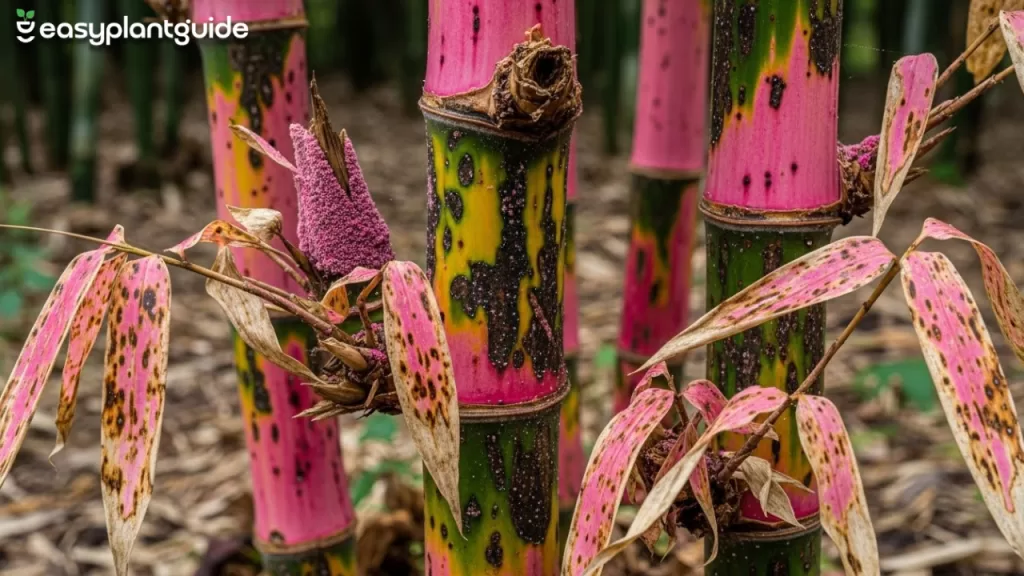
Although generally resilient, the pink bamboo plant can occasionally attract pests like spider mites, mealybugs, and aphids. These pests often appear in dry or dusty environments and may weaken the plant if left untreated. Regularly wiping the leaves with a damp cloth helps prevent infestations. Applying neem oil or a mild insecticidal soap is an effective way to control pests while keeping the plant safe indoors.
4. Other Plant-Specific Issues
Root rot is one of the most serious problems affecting the pink bamboo plant and usually results from prolonged overwatering or stagnant water conditions. Affected plants may show mushy roots and wilting foliage. To prevent recurrence, remove damaged roots immediately and repot the plant in fresh, well-draining soil. Ensuring proper airflow, drainage, and controlled watering helps maintain long-term plant health.
Seasonal Care Tips
- During spring and summer, the pink bamboo plant experiences active growth and benefits from regular watering and occasional feeding.
- In fall and winter, growth slows, so reduce watering and avoid fertilizing. Light pruning helps maintain shape year-round.
- Adjust light exposure during shorter days to maintain leaf color.
Final Thoughts
The pink bamboo plant is a perfect blend of elegance and simplicity. Its low maintenance needs, symbolic value, and striking appearance make it an excellent indoor companion. With proper light, mindful watering, and basic care, this plant will thrive and enhance your living space for years. Whether you’re new to houseplants or expanding your collection, the pink bamboo plant is a reliable and stylish choice.
Often associated with good fortune and balanced energy, it fits beautifully into homes, offices, and workspaces alike. Its ability to adapt to different conditions with minimal attention makes it especially rewarding to grow. With consistent care and a suitable spot indoors, the pink bamboo plant becomes a long-lasting decorative feature that adds both charm and tranquility to any setting.
Checkout for more Greeen Blogs here.