
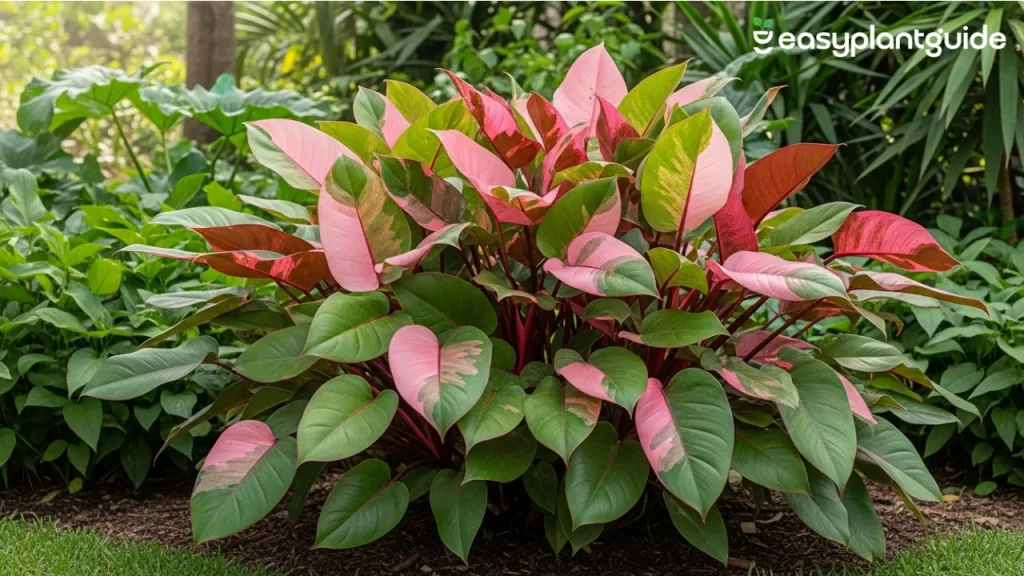
The Variegated Pink Princess Philodendron is one of the most admired and rare tropical houseplants in modern indoor gardening. Known for its deep green to nearly black leaves decorated with striking pink variegation, this plant has become a symbol of luxury and exclusivity among plant collectors.
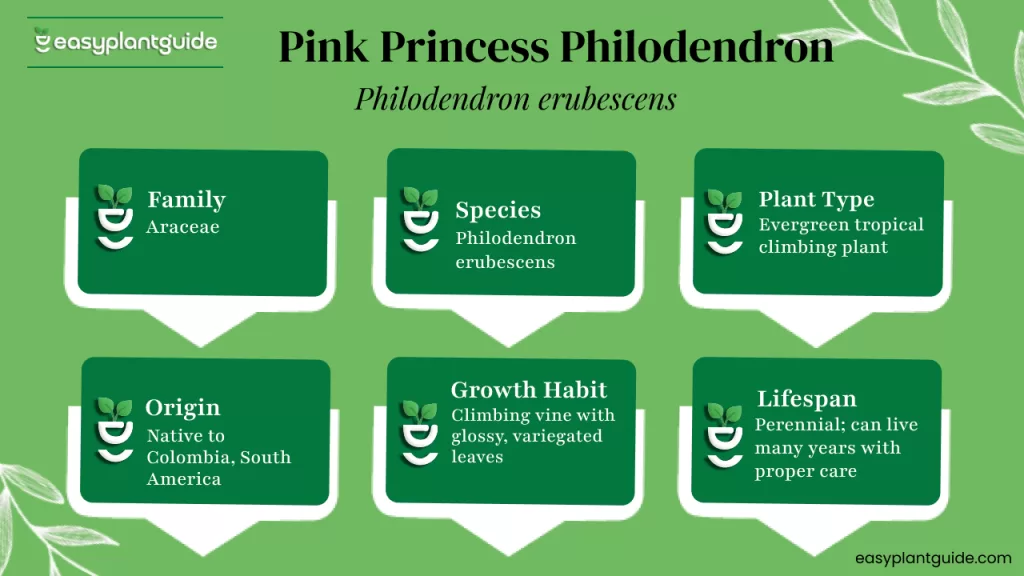
Native to Colombia, it belongs to the Philodendron erubescens species and thrives in warm, humid environments. Each leaf displays a unique variegation pattern, making no two plants identical. Because the pink color is caused by a natural genetic mutation, it is unpredictable and highly valued, increasing the plant’s global demand.
Origin and Botanical Background
The Variegated Pink Princess Philodendron originates from the tropical rainforests of South America, particularly Colombia. In its natural habitat, it grows as a climbing plant beneath the forest canopy, receiving filtered sunlight and high humidity. Botanically, it is classified as Philodendron erubescens ‘Pink Princess,’ a member of the Araceae family. The plant’s pink variegation occurs due to a lack of chlorophyll in certain leaf cells. This mutation is rare and unstable, which explains why consistent pink coloring is difficult to achieve and maintain.
Unique Variegation and Leaf Appearance
What truly sets the Variegated Pink Princess Philodendron apart is its stunning foliage. The leaves are heart-shaped, glossy, and thick, with a dramatic contrast between dark green and vibrant pink. Variegation can appear as marbling, splashes, streaks, or large pink sectors. Some leaves may show light blush tones, while others develop bold bubblegum-pink patches. Because pink areas lack chlorophyll, they do not contribute to photosynthesis, making balanced variegation essential for plant health. This natural unpredictability makes each leaf a visual surprise.
Popularity and Market Demand
The Variegated Pink Princess Philodendron has gained massive popularity due to social media exposure, particularly on Instagram and TikTok. Its bold color contrast and rarity have turned it into a must-have plant for collectors worldwide. Limited supply, slow propagation, and unstable variegation contribute to its high market value. Well-variegated plants can sell for hundreds or even thousands of dollars. The plant’s reputation as a “statement plant” has also increased its desirability among interior designers and plant enthusiasts looking to elevate their indoor spaces.
1. Influence of Social Media on Popularity
The Variegated has experienced a dramatic rise in popularity due to widespread exposure on social media platforms such as Instagram, TikTok, and Pinterest. Plant influencers frequently showcase its striking pink-and-green foliage, making it visually appealing and highly shareable. Viral videos and photos have increased global awareness and created a strong desire among plant lovers to own this rare specimen. As a result, the plant has become a symbol of modern plant culture and aesthetic indoor gardening.
2. Rarity and Limited Market Availability
- The plant’s pink variegation comes from an unstable genetic mutation, making true variegated specimens naturally rare
- Propagation is difficult because many cuttings revert back to solid green growth
- Reversion reduces the number of sellable, high-quality plants available in the market
- Slow growth rates limit how quickly new plants can be produced
- High global demand combined with restricted supply drives up its market value worldwide
3. High Value Among Collectors and Designers
The Variegated Pink Princess Philodendron is considered a premium statement plant among collectors and interior designers. Well-variegated specimens with balanced pink patterns are especially prized and often command high prices. For collectors, owning this plant represents status, rarity, and horticultural achievement. Interior designers value it for its dramatic color contrast and ability to elevate luxury spaces. Its unique appearance and exclusivity continue to drive demand, making it one of the most valuable houseplants today.
Light Requirements for Healthy Growth
Proper lighting is essential for maintaining the pink variegation of the Variegated Pink Princess Philodendron. The plant thrives in bright, indirect light, which encourages vibrant coloration without damaging the leaves. Insufficient light often causes the plant to produce more green leaves, reducing pink variegation. On the other hand, direct sunlight can scorch the pink areas, leading to brown or crispy patches. Placing the plant near an east- or north-facing window or using a grow light helps ensure consistent, healthy growth and optimal color development.
Watering Needs and Moisture Balance
Watering the Variegated Pink Princess Philodendron correctly is crucial for preventing root rot and dehydration. The plant prefers evenly moist soil but should never sit in waterlogged conditions. Watering should be done when the top one to two inches of soil feel dry to the touch. Overwatering can lead to yellowing leaves and root decay, while underwatering causes drooping and slow growth. Using room-temperature water and ensuring proper drainage allows the roots to breathe and supports steady, healthy development.
Soil Composition and Potting Medium
The Variegated Pink Princess Philodendron requires a well-draining, airy soil mix to thrive. Dense or compacted soil can suffocate the roots and trap excess moisture, increasing the risk of root rot. A high-quality aroid mix that combines potting soil, orchid bark, perlite, and coco coir provides excellent aeration and moisture retention. This soil structure mimics the plant’s natural rainforest environment, where roots grow in loose organic matter. Repotting every one to two years ensures fresh nutrients and sufficient space for root expansion.
Temperature and Humidity Requirements
As a tropical plant, the Variegated Pink Princess Philodendron prefers warm temperatures and high humidity. Ideal temperatures range between 65°F and 85°F, making it well-suited for indoor environments. Exposure to cold drafts or sudden temperature changes can cause stress and leaf damage. High humidity levels between 60% and 80% support healthy leaf growth and vibrant variegation. While the plant can adapt to average household humidity, using a humidifier or placing it near other plants can significantly improve its appearance.
1. Ideal Temperature Range for Healthy Growth
The Variegated Pink Princess Philodendron thrives best in warm, stable temperatures that resemble its tropical rainforest origins. An ideal temperature range of 65°F to 85°F allows the plant to grow steadily and produce healthy foliage. Temperatures below this range can slow growth and weaken the plant, while extreme heat may cause leaf stress. Maintaining consistent indoor temperatures helps prevent shock, encourages active growth, and supports long-term plant health throughout the year.
2. Importance of High Humidity Levels
High humidity plays a crucial role in the overall health of the Variegated Pink Princess Philodendron. Humidity levels between 60% and 80% help prevent leaf curling, browning edges, and slow growth. Adequate moisture in the air supports larger leaves and enhances pink variegation. In dry indoor environments, especially during winter, low humidity can negatively impact the plant. Increasing humidity creates conditions similar to its natural habitat, improving its appearance and vitality.
3. Managing Indoor Climate Conditions
Managing indoor temperature and humidity is essential for keeping the Variegated Pink Princess Philodendron healthy. Sudden temperature changes, cold drafts, or exposure to air conditioning vents can cause leaf damage and stress. Using a humidifier, placing the plant near other houseplants, or positioning it in a bathroom with indirect light can help maintain proper humidity. Consistent environmental conditions reduce stress and allow the plant to focus energy on producing vibrant, variegated foliage.
Fertilization and Nutrient Needs
Regular fertilization supports strong growth and healthy foliage in the Variegated Pink Princess Philodendron. During the active growing season, which includes spring and summer, a balanced liquid fertilizer diluted to half strength should be applied once a month. This provides essential nutrients without overwhelming the plant. Over-fertilization can lead to salt buildup in the soil, causing leaf burn and root damage. During fall and winter, fertilization should be reduced or stopped, as the plant’s growth naturally slows during this period.
Growth Habit and Support Systems
The Variegated Pink Princess Philodendron is a natural climber and benefits greatly from vertical support. In its native habitat, it climbs trees using aerial roots, which help it access more light. Indoors, providing a moss pole or trellis encourages upward growth and larger, more mature leaves. Supported plants often display improved variegation and stronger stems. Without support, the plant may grow leggy and produce smaller leaves. Training the plant to climb also enhances its overall aesthetic appeal.
Pruning and Variegation Maintenance
Pruning plays an important role in maintaining the shape and variegation of the Variegated Pink Princess Philodendron. Removing leggy stems encourages bushier growth and helps redirect energy to healthier areas. If the plant begins producing solid green leaves, selective pruning can help restore variegation. However, excessive pruning should be avoided, as it may stress the plant. Always use clean, sterilized tools to prevent disease. Proper pruning improves air circulation, supports balanced growth, and keeps the plant visually attractive.
Propagation Methods and Challenges
Propagation of the Variegated Pink Princess Philodendron is typically done through stem cuttings. A cutting must include at least one node to produce new growth. While propagation is relatively simple, maintaining variegation is challenging because pink coloration is genetic. Cuttings taken from less-variegated sections may revert to green growth permanently. Rooting can be done in water, sphagnum moss, or soil under warm, humid conditions. Patience is required, as the plant grows slowly and may take several weeks to establish roots.
Common Problems and Their Solutions
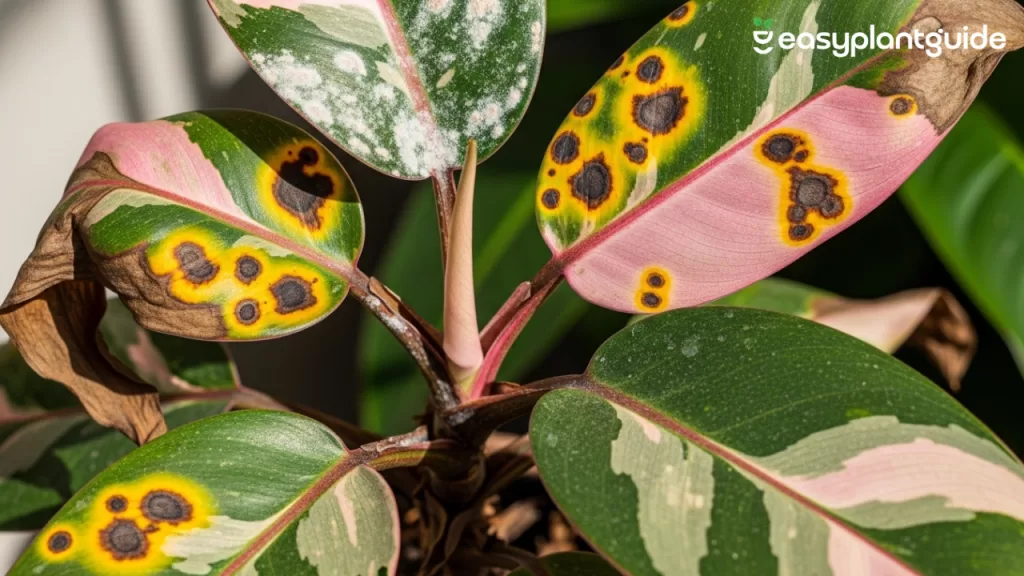
- The Variegated Pink Princess Philodendron may show fading pink variegation when it does not receive enough bright, indirect light, causing new leaves to grow mostly green as the plant increases chlorophyll production for survival.
- Slow growth is commonly linked to low light levels, lack of nutrients, or cooler temperatures, all of which reduce the plant’s ability to produce new leaves and maintain healthy development.
- Brown or crispy leaf edges often occur due to low humidity or exposure to direct sunlight, especially on pink areas that are more sensitive and prone to burning.
- Yellowing leaves are usually a sign of overwatering, poor drainage, or compacted soil, which can lead to root stress and reduced nutrient absorption.
Toxicity and Safety Concerns
Like most philodendrons, the Variegated Pink Princess Philodendron is toxic if ingested. It contains calcium oxalate crystals, which can cause irritation, swelling, and discomfort in pets and humans. Cats and dogs are especially vulnerable if they chew on the leaves. Symptoms may include drooling, vomiting, and difficulty swallowing. For safety, the plant should be placed out of reach of pets and children. Wearing gloves while pruning is also recommended for individuals with sensitive skin.
Why the Variegated Pink Princess Is Expensive
The high price of the Variegated Pink Princess Philodendron is driven by rarity, demand, and slow propagation. Producing plants with stable and attractive pink variegation is difficult, and many cuttings revert to green. This unpredictability limits supply while demand continues to grow worldwide. Additionally, the plant’s slow growth rate means it takes time to produce sellable specimens. Collectors are willing to pay premium prices for plants with balanced, vibrant variegation, making it one of the most valuable houseplants on the market.
Conclusion
The Variegated Pink Princess Philodendron is a remarkable houseplant that combines beauty, rarity, and botanical intrigue. Its dramatic pink variegation and dark foliage make it a standout addition to any plant collection. While it requires careful attention to light, humidity, and watering, the rewards are well worth the effort. With proper care and patience, this plant can thrive indoors and continue producing stunning, one-of-a-kind leaves. For collectors and enthusiasts alike, the Pink Princess truly lives up to its royal reputation.
Checkout for more Green Blogs here.