
Dwarf Snake Plant: 7 Powerful Pros & Easy Care Guide
If you’re looking for a houseplant that feels almost too good to be true, the dwarf snake plant might be your perfect match. It’s compact, stylish, and tough enough to survive even the most forgetful plant parent. Sounds dreamy, right? In this guide, we’ll talk about everything you need to know, from care tips to benefits, growth habits, and common mistakes, all wrapped in a friendly, no-nonsense conversation. Let’s dig in.
What Is a Dwarf Snake Plant?
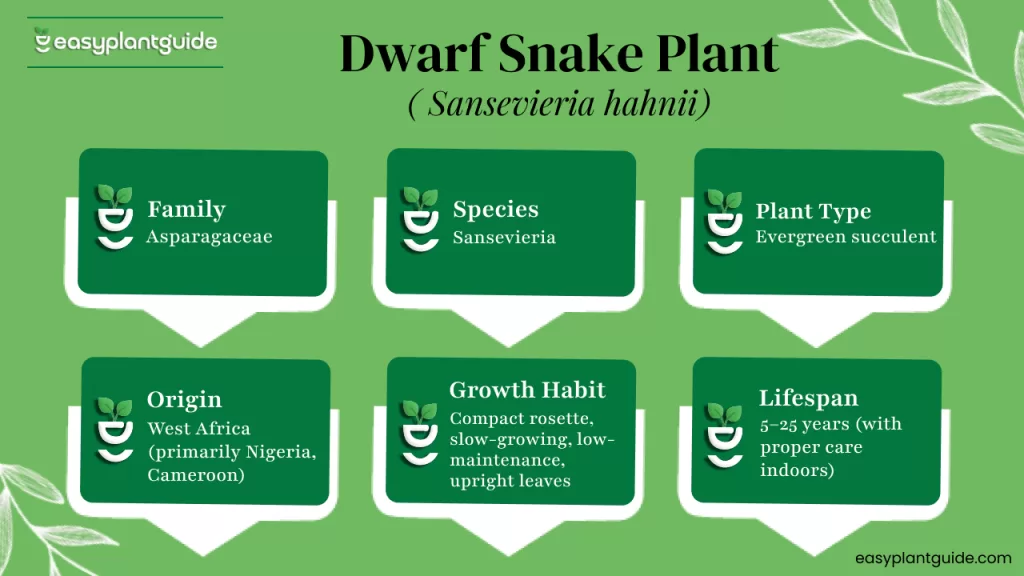
The dwarf snake plant is a smaller, cuter version of the classic snake plant. Botanically known as Sansevieria hahnii or sometimes Dracaena trifasciata ‘Hahnii’, it grows in a tight rosette shape, almost like a green flower frozen mid-bloom. Unlike its tall cousins, this plant stays short and compact, which makes it perfect for desks, shelves, and small apartments. Think of it as the minimalist version of a very famous design icon.
Why the Dwarf Snake Plant Is So Popular
There’s a reason this plant keeps popping up in homes, offices, and Instagram feeds. It quietly fits into your space and asks for very little in return. Here’s why people love it so much:
- It doesn’t need constant care
- It adapts well to indoor conditions
- It looks modern and clean
- It works in small spaces
- It forgives missed watering sessions
Types of Dwarf Snake Plant Varieties
Not all dwarf snake plants look the same. Some have bold, eye-catching patterns, while others keep it subtle and calm. Each variety brings its own personality and charm to your space, making it fun to mix and match depending on your style and lighting. Let’s explore the most popular types you’ll see.
Bird’s Nest Snake Plant (Hahnii)
The Bird’s Nest Snake Plant, also called Sansevieria hahnii, is the classic dwarf snake plant you probably picture in your mind. Its compact rosette shape resembles a little green nest, making it perfect for desks, windowsills, or small corners.
Key Features:
- Dark green leaves with faint horizontal stripes
- Leaves grow tightly together in a neat rosette
- Very slow-growing, stays small and manageable
Golden Hahnii
The Goldben Hahnii brings a splash of brightness to any indoor space. Its leaves feature striking yellow edges that contrast beautifully with the dark green center, giving it a slightly tropical look.
Key Features:
- Yellow margins along the edges of each leaf
- Leaves grow in a tight, symmetrical rosette
- Stays small, usually 6–10 inches tall
Silver Hahnii
If you love subtle elegance, the Silver Hahnii is your plant soulmate. Its soft silvery-green tones create a calming, understated vibe, making it perfect for minimalist or Scandinavian-style interiors.
Key Features:
- Silvery-green leaves with gentle striping
- Rosette growth pattern remains compact
- Slow-growing and low-maintenance
Black Dragon Dwarf
The Black Dragon Dwarf is for those who like their indoor plants to make a bold statement. Its deep, dark green leaves almost look black in certain lighting, giving it a modern, dramatic appearance.
Key Features:
- Dark green, almost black leaves
- Compact rosette shape with thick, upright leaves
- Adds a modern, moody aesthetic to interiors
7 Powerful Benefits of a Dwarf Snake Plant
This plant is more than just a pretty face. It quietly improves your space in ways you might not even notice at first.
- Improves indoor air quality
- Requires very low maintenance
- Thrives in low light conditions
- Perfect for small rooms and desks
- Adds a modern aesthetic instantly
It’s like having a silent roommate who cleans the air and never complains.
Dwarf Snake Plant Size and Growth Rate
One of the biggest reasons people choose the dwarf snake plant is its size. It stays small, neat, and well-behaved, making it perfect for desks, shelves, or small corners. On average, it grows to a height of 6 to 10 inches and spreads 6 to 8 inches in width. Its growth rate is slow, which means you won’t wake up one day to find it taking over your room. The dwarf snake plant is patient, steady, and predictable—a rare trait in today’s fast-paced world.
Light Requirements for Dwarf Snake Plant
The dwarf snake plant is not picky, but it does have its preferences. It thrives best in low to medium indirect light and can also tolerate bright indirect light, which encourages slightly faster growth. Artificial lighting works fine too, making it suitable for offices or bedrooms without much natural light. However, harsh direct sunlight should be avoided as it can scorch the leaves, while very low light may slow down growth. Overall, placing it somewhere in between these extremes provides the sweet spot for healthy development.
How Often Should You Water a Dwarf Snake Plant?
Watering is where most people go wrong with dwarf snake plants. This plant prefers dryness over drowning, and the simple rule is: when in doubt, don’t water. Typically, watering every two to three weeks is enough, allowing the soil to dry out completely between sessions. During winter, reduce watering further, and never leave the plant sitting in water as it can lead to root rot. Imagine the dwarf snake plant as a camel—it stores water efficiently and hates soggy feet.
Best Soil for Dwarf Snake Plant
The soil you choose can make or break your plant’s health. A well-draining mix works best, whether it’s cactus or succulent soil, regular potting soil mixed with sand, or soil enriched with perlite or pumice. Drainage is more important than nutrients because the roots need air just as much as they need water. Ensuring the soil doesn’t stay soggy keeps your plant happy and thriving.
Temperature and Humidity Needs
Good news—the dwarf snake plant enjoys the same temperatures humans do. It thrives in temperatures ranging from 18 to 30°C. Cold drafts and frost should be avoided, but average indoor humidity is perfectly sufficient. There’s no need for humidifiers or complicated setups; simple, steady indoor conditions suit this plant just fine.
Fertilizing a Dwarf Snake Plant
Less is more when it comes to feeding. Fertilize the plant once every two to three months using a mild houseplant fertilizer, and skip feeding entirely during winter. Overfeeding can harm the roots, so it’s better to dilute the fertilizer to half strength. Think of fertilizer as a light snack for your plant, not a full meal.
Dwarf Snake Plant Propagation Methods
If you want more plants without spending money, propagation is the way to go. You can propagate dwarf snake plants using leaf cuttings in soil, leaf cuttings in water, or by dividing mature plants. Spring and summer are the best seasons for propagation. It requires patience since growth is slow, but watching new roots and leaves emerge feels like a tiny miracle every time.
Common Problems and How to Fix Them
| Problem | Cause | Solution |
|---|---|---|
| Yellow leaves | Overwatering | Reduce watering |
| Mushy roots | Poor drainage | Change soil |
| Wrinkled leaves | Underwatering | Water lightly |
| Brown tips | Dry air or stress | Trim tips |
| Slow growth | Low light | Move to brighter spot |
Is the Dwarf Snake Plant Safe for Pets?
This is an important consideration for pet owners. The dwarf snake plant is toxic to cats and dogs if ingested, so it’s best to be cautious. Symptoms of ingestion can include nausea, vomiting, and excessive drooling. While the plant itself is low-maintenance and beautiful, curious pets may be tempted to nibble on the leaves, which can lead to mild to moderate discomfort. If you have cats, dogs, or other curious animals in your home, it’s a good idea to place the plant out of their reach or choose pet-safe alternatives for indoor greenery. Keeping your pets and your plant safe is always the priority.
Styling Ideas for Dwarf Snake Plant Indoors

This plant knows how to look good without trying, and it’s surprisingly versatile when it comes to styling. Here are some ways to showcase your dwarf snake plant indoors:
- Place it on a work desk: Its compact size makes it perfect for brightening up your workspace without taking up too much room.
- Style it on floating shelves: Add a touch of greenery to walls or corners by placing it on floating shelves, either alone or alongside small decorative items.
- Use minimal ceramic pots: Keep the look clean and modern by choosing simple ceramic pots that complement the plant’s natural elegance.
- Pair with neutral interiors: Its subtle green tones blend seamlessly with neutral decor, adding a calming and natural accent.
- Group with other small plants: Create a mini indoor garden by combining it with other small houseplants for visual interest and variety.
Dwarf Snake Plant vs Regular Snake Plant
So, which one should you choose? It really depends on your space and the style you’re going for. The dwarf snake plant is perfect if you have limited space, prefer compact decor, enjoy slow-growing plants, like tidy aesthetics, or need a plant that fits comfortably on a desk or shelf. Its small size and rosette shape make it highly versatile for apartments and offices.
On the other hand, regular snake plants are better suited for floor placement and making bold design statements. They grow taller, have striking vertical leaves, and can dominate a corner of a room or act as a dramatic indoor feature. Both varieties share the same easy-care requirements, so whether you choose dwarf or regular, maintenance is simple. The choice mostly comes down to size, style, and placement.
Beginner Care Tips for Long-Term Health
If you’re just starting your plant journey, there are a few golden rules to keep your dwarf snake plant healthy for years. First, avoid overwatering, as this is the most common mistake. Make sure to use pots with proper drainage holes to keep the roots healthy. Wiping the leaves occasionally helps remove dust and lets the plant “breathe” better.
Rotating the plant periodically ensures even growth on all sides, and most importantly, observe before reacting. Plants communicate quietly through changes in leaf color, texture, or posture, so paying attention to these signs will help you respond appropriately. With patience and careful observation, your dwarf snake plant can thrive for many years as a beautiful, low-maintenance addition to your home.
Conclusion
The dwarf snake plant is living proof that good things really do come in small packages. It’s stylish without being flashy, tough without being boring, and simple without being dull. Its compact size, low-maintenance nature, and elegant rosette shape make it a versatile choice for virtually any space, from busy offices to cozy apartments.
Whether you’re a beginner just starting your indoor garden, a busy professional looking for a low-maintenance companion, or someone who simply wants a calm green presence to brighten their surroundings, this plant fits right in. With a little care, it can thrive for years, quietly enhancing your home with its charm while requiring minimal effort. Small in stature but big in personality, the dwarf snake plant truly earns its spot as a favorite indoor plant.
Explore more plant blogs and grow your green journey with us.