
Majesty Palm Cold Tolerance: Ultimate Guide 7 Easy Tips
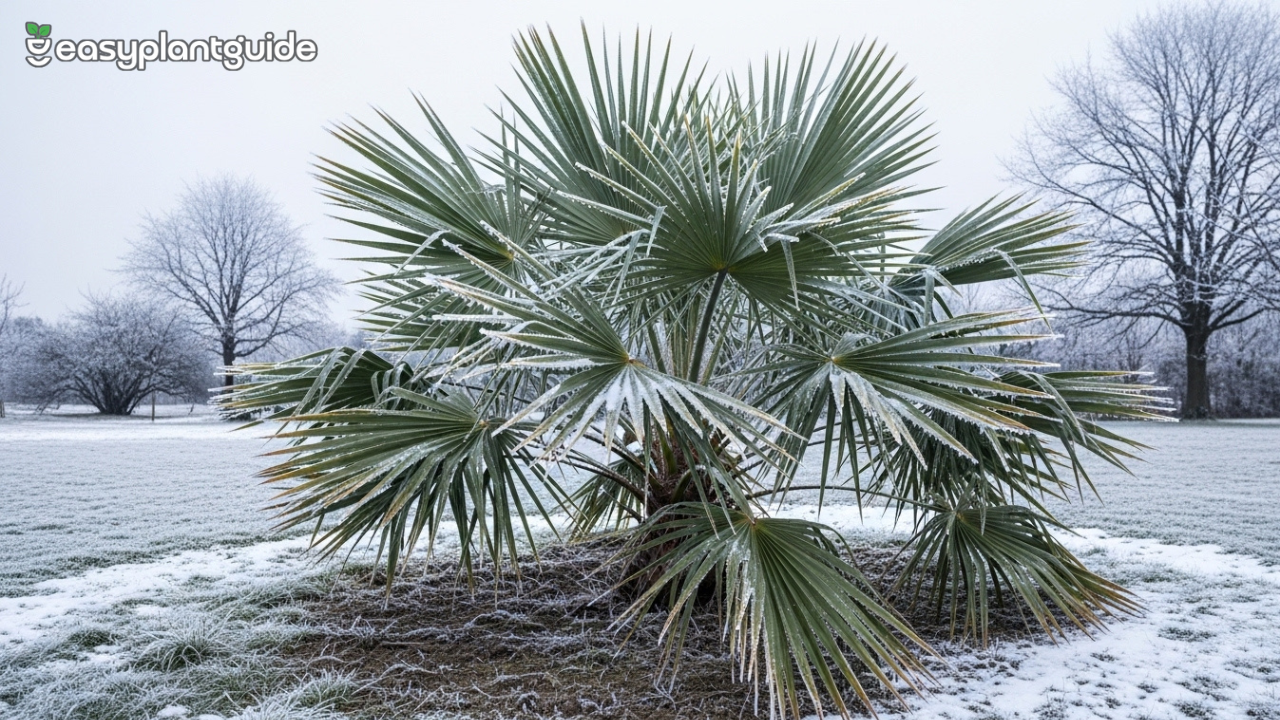
Majesty palm cold tolerance is a major concern for gardeners who admire this elegant tropical plant but live in regions with cooler temperatures. Native to Madagascar, the majesty palm thrives in warm, humid environments and struggles when exposed to cold weather. Many homeowners mistakenly assume palms are cold-hardy, only to discover leaf damage or plant death after winter arrives.

Understanding how much cold a majesty palm can tolerate, how long it can survive lower temperatures, and what protective steps are necessary is essential for maintaining a healthy plant indoors or outdoors throughout the year. Without proper knowledge, even brief exposure to chilly conditions can weaken the plant and cause long-term stress. Factors such as frost, cold winds, and sudden temperature drops can significantly impact its overall health. By learning the limits of majesty palm cold tolerance, gardeners can take timely action to prevent damage.
What Is a Majesty Palm and Where It Comes From
The majesty palm, scientifically known as Ravenea rivularis, is a slow-growing tropical palm commonly sold as a houseplant or ornamental landscape tree. In its native habitat along riverbanks in Madagascar, it enjoys consistently warm temperatures, high humidity, and moist soil conditions. These environmental preferences explain its limited cold tolerance. Because it evolved without exposure to frost or freezing temperatures, the majesty palm Cold Tolerance lacks the natural defenses needed to survive cold climates, making temperature management a critical part of its care.
Ideal Temperature Range for Majesty Palms
Majesty palms grow best in temperatures ranging from 65°F to 85°F, where they can maintain steady growth and healthy foliage. Within this range, the plant efficiently absorbs nutrients, produces new fronds, and resists disease. Once temperatures drop below 60°F, growth slows noticeably. Extended exposure to cooler conditions weakens the palm’s immune system and makes it vulnerable to stress-related issues. Maintaining stable temperatures, especially at night, is essential for preventing cold-related damage and ensuring long-term plant vitality.
Minimum Temperature Majesty Palms Can Tolerate
The absolute minimum temperature a majesty palm Cold Tolerance can tolerate is around 40°F for very short periods. When temperatures fall below this level, the plant begins to experience cold stress that may not be immediately visible. Prolonged exposure below 40°F can cause leaf discoloration, tissue damage, and root problems. Once temperatures reach freezing at 32°F, serious injury or death is likely. Majesty palms are not designed to handle frost, making even brief freezes extremely dangerous to their survival.
USDA Hardiness Zones for Majesty Palms
Majesty palms are best suited for USDA hardiness zones 10 and 11, where winter temperatures remain consistently warm. In these zones, the risk of frost is minimal, allowing the palm to grow outdoors year-round. In zone 9, majesty palms may survive with heavy winter protection but often suffer cosmetic damage. Zones 8 and below are unsuitable for permanent outdoor planting. Gardeners in colder regions should grow majesty palms in containers so they can be moved indoors during cold weather.
Frost Sensitivity and Freeze Damage Risks
- Frost causes ice crystals to form inside majesty palm Cold Tolerance cells, which ruptures plant tissue and results in permanent structural damage.
- Even mild frost exposure can scorch fronds, leading to browning or blackening of leaves within a short period.
- Hard freezes commonly damage the crown of the palm, which is the central growth point essential for survival.
- Once the crown is injured by freezing temperatures, the majesty palm Cold Tolerance usually cannot regenerate or recover.
- Repeated exposure to cold nights gradually weakens the plant, reducing its ability to maintain healthy growth over time.
Early Signs of Cold Stress in Majesty Palms
Cold stress in majesty palms often begins subtly, making early detection important. Initial signs include slight yellowing of lower fronds, slowed growth, and drooping leaves. As exposure continues, leaf tips may turn brown, and entire fronds can become limp or brittle. In severe cases, stems may feel soft or waterlogged due to internal cell damage. Recognizing these symptoms early allows growers to take corrective action, such as relocating the plant or adjusting environmental conditions, before permanent damage occurs.
Can Majesty Palms Recover From Cold Damage
Recovery from cold damage depends largely on the severity and duration of exposure. Mild cold stress may only affect older fronds, which can be pruned while the plant continues to grow new foliage. However, if freezing temperatures damage the crown or root system, recovery is unlikely. Majesty palms do not regenerate from damaged growing points. Healthy roots, a firm trunk, and green tissue at the crown are signs that recovery may be possible with proper warmth, humidity, and care.
Growing Majesty Palms Outdoors in Cooler Climates
Growing majesty palms outdoors in cooler climates requires extra effort and careful planning. These palms should be planted in sheltered areas protected from wind and sudden temperature drops. South-facing walls can provide additional warmth by reflecting heat. Even with these measures, outdoor survival is uncertain during cold winters. Most gardeners in cooler regions treat majesty palms as seasonal outdoor plants, enjoying them during warm months and moving them indoors before temperatures fall too low.
Container Growing and Seasonal Movement
Container growing is the safest method for managing majesty palm cold tolerance in non-tropical climates. Potted palms can be easily moved indoors when temperatures approach 55°F. This flexibility prevents cold stress and allows year-round enjoyment of the plant. Containers also provide better control over soil moisture and drainage, which is crucial during cooler months. Choosing a lightweight pot with good drainage holes makes seasonal movement easier and reduces the risk of root rot caused by cold, wet soil.
Winter Protection Methods for Outdoor Majesty Palms
For gardeners attempting to overwinter majesty palms outdoors, protection is essential. Wrapping the plant with frost cloth or breathable fabric can help retain heat during cold nights. Mulching heavily around the base insulates roots from cold soil temperatures. Temporary structures or covers can shield the palm from wind and frost. However, these methods only offer limited protection and are most effective during short cold spells rather than extended periods of freezing weather.
Indoor Winter Care and Temperature Control
Indoor care during winter plays a major role in maintaining majesty palm health. While indoors protects the plant from cold, low humidity and insufficient light can create new challenges. Maintaining temperatures above 60°F, providing bright indirect light, and increasing humidity with humidifiers or pebble trays are crucial. Avoid placing the palm near cold windows or heating vents, as temperature fluctuations can still cause stress. Consistent indoor conditions help the palm survive winter without damage.
Watering Adjustments During Cold Weather
- Cold temperatures reduce the majesty palm’s growth rate, which lowers its overall water requirements during winter.
- Overwatering in cool conditions is a frequent mistake and can quickly lead to root rot.
- Cool, damp soil creates an ideal environment for fungal diseases that damage the root system.
- Indoor palms dry out more slowly in winter due to reduced evaporation and lower light levels.
- Allowing the top inch of soil to dry before watering helps prevent moisture stress and keeps the plant healthy.
Comparing Majesty Palm Cold Tolerance to Other Palms
Compared to other palm species, majesty palms rank low in cold tolerance. Palms such as windmill palms, pindo palms, and needle palms can survive freezing temperatures with minimal damage. Majesty palms, by contrast, are purely tropical and lack cold-hardy traits. Gardeners seeking a palm for cooler climates should consider these alternatives. Understanding this comparison helps set realistic expectations and prevents disappointment when majesty palms fail to thrive in cold environments.
Common Mistakes Related to Cold Exposure
Many majesty palm losses occur due to preventable mistakes. Leaving plants outdoors too late in fall, underestimating nighttime temperature drops, and assuming palms tolerate frost are common errors. Overwatering during cold weather and placing indoor palms near drafts also contribute to decline. These mistakes weaken the plant gradually, making recovery difficult. Proper timing, temperature awareness, and seasonal care adjustments significantly improve the chances of maintaining a healthy majesty palm.
How Long Majesty Palms Can Survive Cold Conditions

Majesty palms can tolerate brief exposure to cool temperatures but not sustained cold. Short periods at 45–50°F usually cause minimal damage, while prolonged exposure below 40°F results in stress and leaf injury. Freezing temperatures can kill the plant within hours. Duration matters as much as temperature; a single cold night may be survivable, but repeated exposure weakens the palm. Understanding these limits helps gardeners take timely protective action.
Why Majesty Palms Are Sold in Cold Regions
Despite their low cold tolerance, majesty palms are widely sold in colder regions because they are marketed primarily as indoor plants. Their lush appearance and affordability make them popular impulse purchases. Unfortunately, retailers often fail to explain their sensitivity to cold, leading buyers to plant them outdoors year-round. This mismatch between marketing and biological needs causes confusion and plant loss, emphasizing the importance of consumer education regarding temperature requirements.
Long-Term Care Strategy for Majesty Palms
A successful long-term care strategy for majesty palms involves respecting their tropical nature. Providing warm temperatures, consistent moisture, high humidity, and protection from cold ensures steady growth and longevity. For most climates, this means growing them in containers and transitioning them indoors during winter. Accepting their limitations rather than forcing them to adapt to unsuitable conditions leads to healthier plants and better overall results for gardeners.
Final Thoughts
Majesty palm cold tolerance is limited, making temperature management the most critical aspect of care. These palms thrive in warmth and suffer quickly when exposed to cold or frost. Understanding their temperature thresholds, recognizing early signs of stress, and using proper protection methods can prevent damage. Whether grown indoors or outdoors seasonally, majesty palms reward attentive care with graceful foliage and tropical beauty, provided their sensitivity to cold is respected and managed properly.
Checkout for more blogs here.