Rubber Tree Care Guide: 7 Easy Tips for Thriving Plants
If you’ve ever looked at a rubber tree plant and thought, “Wow, I want one for my home,” you’re not alone. These plants aren’t just stunning—they’re like nature’s little air purifiers, adding life and energy to any space. But, here’s the catch: caring for them can feel tricky if you don’t know the ropes. Don’t worry! This rubber tree care guide will walk you through everything, step by step, so your plant thrives instead of struggling.
What Is a Rubber Tree Plant?
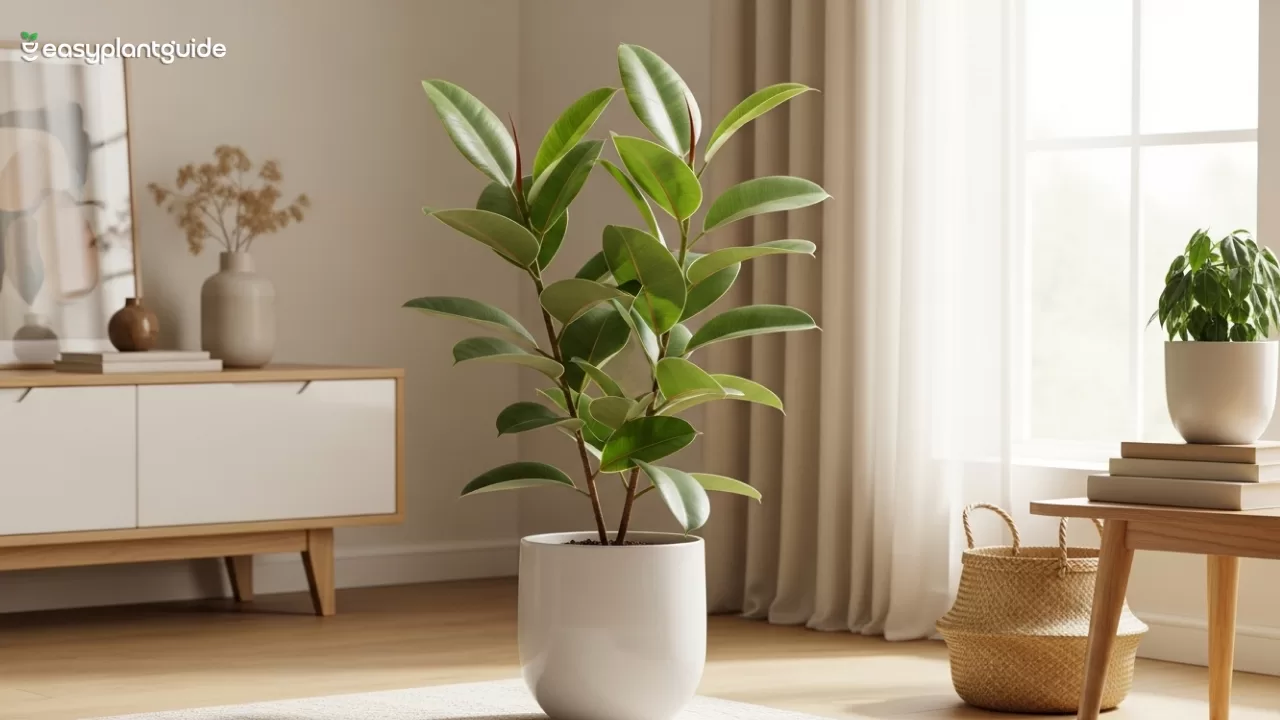
Also known as Ficus elastica, the rubber tree is a tropical plant native to Southeast Asia. Its thick, glossy leaves and upright growth make it a favorite for indoor plant lovers. These plants aren’t just pretty—they’re resilient, making them perfect for beginners and plant enthusiasts alike. Here’s a quick snapshot:
- Scientific Name: Ficus elastica
- Type: Evergreen tropical plant
- Origin: Southeast Asia
- Size: Up to 8 feet indoors, 50+ feet outdoors
- Benefits: Air purification, aesthetic appeal
Why You Should Grow a Rubber Tree
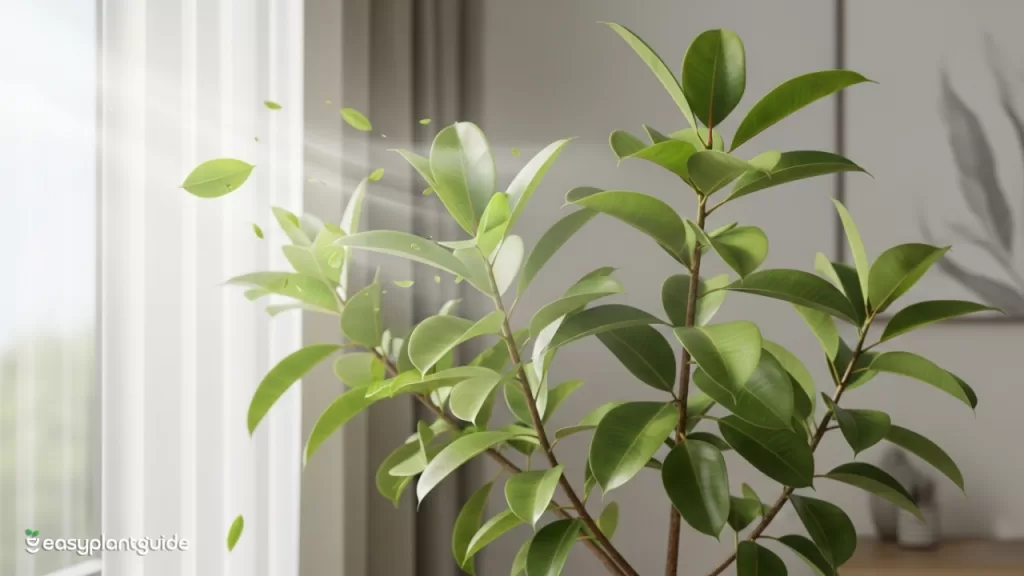
Let’s be honest—besides looking amazing, rubber trees bring some real, practical perks into your home. They help improve indoor air quality by filtering common toxins, while their broad, glossy leaves instantly add a fresh touch of green to any décor. Compared to many houseplants, rubber trees are surprisingly low-maintenance and forgiving, making them ideal for busy schedules or beginners.
They can tolerate low-light conditions, adapt well to indoor environments, and still maintain their elegant appearance. On top of that, their presence creates a calming, natural atmosphere that makes a space feel more relaxed and inviting. Simply put, a rubber tree gives back far more than it asks for—steady beauty with minimal effort.
Choosing the Right Rubber Tree for Your Home
Not all rubber trees are created equal, and choosing the right one can make your care journey much smoother from day one. Look for a plant with healthy, shiny leaves that are free from brown spots or damage, as this usually signals good overall health. Check the roots if possible—they should be firm and not crowded, mushy, or foul-smelling, which could indicate rot.
Avoid rubber trees with yellowing leaves, as this often points to stress or improper care. It’s also important to choose a plant size that fits your available space, allowing room for growth. Before bringing it home, inspect the plant carefully for pests, especially under the leaves and along the stems, to prevent future problems.
Top 7 Tips for Rubber Tree Care
Here’s where we dive into the good stuff. These 7 easy tips will make sure your rubber tree grows lush and happy.
1. Watering Your Rubber Tree
Watering is where many beginners stumble, and a reliable rubber tree care guide can help you get it right. Too much water leads to root rot, while too little causes dry, drooping leaves. Follow these quick rules:
- Water once a week in spring and summer, as recommended in a trusted rubber tree care guide
- Reduce watering in winter to every 2–3 weeks
- Ensure well-draining soil
- Check soil moisture before watering
- Avoid letting water sit in the pot
2. Sunlight Requirements
Rubber trees love light, but they aren’t sun worshippers, and a good rubber tree care guide explains how to give them just the right amount. Too much direct sunlight can scorch leaves, while too little slows growth.
- Bright, indirect sunlight is best
- Can tolerate low light but growth slows
- Rotate the plant monthly for even growth
- Avoid placing near hot vents or cold drafts
- Leaves may turn dark green in low light
3. Soil and Potting Guide
Soil is the foundation of a healthy rubber tree, and following a rubber tree care guide ensures the roots stay happy and thriving. A well-draining mix is essential to prevent waterlogging and maintain overall plant health.
- Use peat-based potting soil
- Mix with perlite or sand for drainage
- Ensure the pot has drainage holes
- Repot every 2–3 years, as suggested in a rubber tree care guide
- Avoid heavy clay soils that retain water
Rubber Tree Soil Comparison Table:
| Soil Type | Pros | Cons | Best Use |
|---|---|---|---|
| Peat-based mix | Retains moisture well | Can compact over time | Indoor plants |
| Sand & perlite | Excellent drainage | Dries faster | Prevents root rot |
| Clay soil | Nutrient-rich | Poor drainage | Outdoor rubber trees |
| Cactus/succulent mix | Quick drainage | Needs frequent watering | Good for beginner pots |
4. Fertilizing Your Rubber Tree
A well-fed rubber tree is a happy tree, and a good rubber tree care guide can help you understand the right fertilizing schedule. But don’t overdo it.
- Feed every 4–6 weeks in the growing season, as recommended by a reliable rubber tree care guide
- Use balanced liquid fertilizer
- Avoid fertilizing in winter
- Check for yellow leaves as a nutrient sign
- Flush soil occasionally to prevent salt buildup
5. Humidity and Temperature Tips
Being tropical, rubber trees prefer warm and humid environments, and a trusted rubber tree care guide can help you maintain the right conditions.
- Ideal temperature: 60–85°F (15–29°C)
- Keep away from cold drafts
- Mist leaves occasionally for humidity
- Group with other plants to increase humidity
- Avoid placing near heaters or AC vents
6. Pruning and Maintenance
Pruning isn’t just for looks—it helps your plant grow strong, and a proper rubber tree care guide explains the best techniques.
- Trim dead or yellow leaves
- Cut back long stems for a compact shape
- Use clean, sharp scissors
- Prune in spring or summer
- Remove pest-infested leaves immediately
7. Common Rubber Tree Problems and Solutions
Even the hardiest plant can face challenges, but following a rubber tree care guide can help you prevent and fix most issues.
- Yellowing leaves → Overwatering or low light
- Brown leaf tips → Low humidity or too much fertilizer
- Drooping leaves → Water stress
- Pests (spider mites, scale) → Insecticidal soap
- Leaf drop → Sudden temperature changes
How Often Should You Repot a Rubber Tree?
Most indoor rubber trees need repotting every 2–3 years, depending on their growth rate and pot size. Following a reliable rubber tree care guide can help you recognize the signs it’s time to repot, such as roots growing out of drainage holes, soil drying out much faster than usual, or the plant becoming top-heavy and unstable. Slow growth despite proper care can also indicate that the roots need more space.
Another warning sign is a foul smell coming from the soil, which may suggest root rot or poor drainage. Repotting into a slightly larger pot with fresh, well-draining soil, as recommended in most rubber tree care guides, gives the roots room to expand and helps restore overall plant health and growth.
Rubber Tree Leaf Care
The leaves of a rubber tree are its crown jewels, and keeping them clean is key for healthy growth. According to a trusted rubber tree care guide, wipe the leaves weekly with a damp cloth to remove dust, which can block photosynthesis and dull their natural shine. Avoid chemical leaf-shine sprays, as they can clog pores and damage leaves over time.
Remove damaged or unhealthy leaves promptly to direct energy toward new growth. Keep an eye out for brown spots, curling, or discoloration, which are early stress signs that a good rubber tree care guide can help you address quickly.
Decorating With Rubber Trees
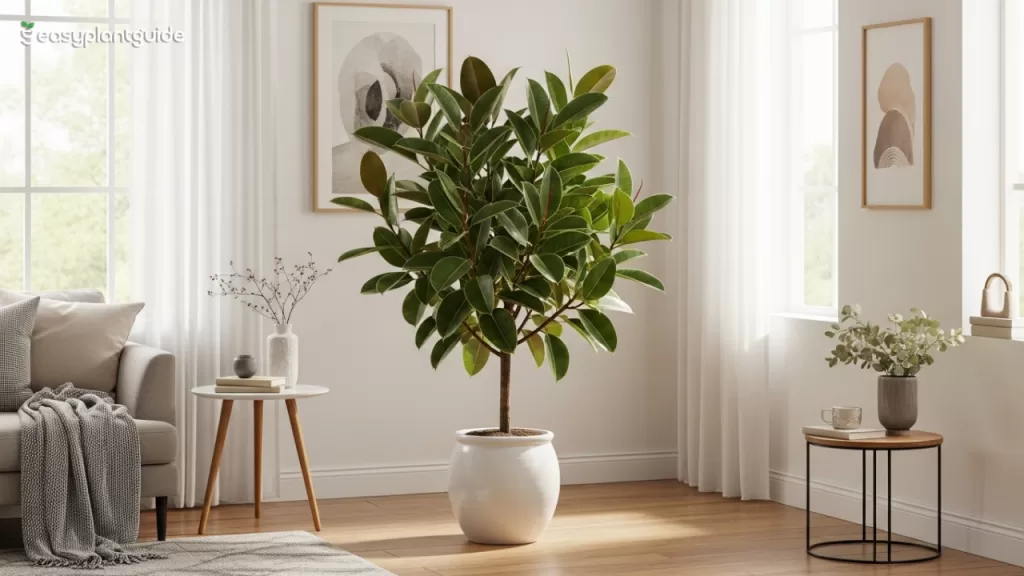
Besides care, rubber trees are a decor superstar.
- Place in living rooms for a focal point
- Perfect for corners that need height
- Use modern ceramic pots for style
- Pair with smaller indoor plants
- Can also work in office spaces
Rubber Tree Propagation
Want more rubber trees? Propagation is surprisingly easy if you follow the steps in a reliable rubber tree care guide. The most common method is using stem cuttings about 4–6 inches long from a healthy plant. Remove the lower leaves, dip the cutting in rooting hormone, and place it in moist soil or water.
Keep the cutting in a warm area with bright, indirect light while roots form. A good rubber tree care guide emphasizes patience and consistent moisture, and within a few weeks, you’ll usually see new roots developing. This way, you can grow a brand-new rubber tree to enjoy yourself or share with friends.
Rubber Tree Safety
If you have pets or children, following a trusted rubber tree care guide is essential for safety. Rubber tree leaves are mildly toxic if ingested and can cause stomach upset in cats and dogs, so always place your plant out of reach.
When pruning or handling the plant, wear gloves, as the milky sap can irritate skin. A proper rubber tree care guide also recommends disposing of cuttings safely to prevent accidental contact or ingestion. By combining safety tips with regular care instructions from a rubber tree care guide, you can ensure both your plant and your household stay happy and healthy.
Tips for Beginners
Start Small and Learn Gradually
If you’re new to plant care, a rubber tree is a perfect place to begin, and this rubber tree care guide will help you get started. Begin with a small plant so you can easily learn its needs and observe how it responds to your care routine.
Follow a Simple Watering Routine
Keeping a simple watering schedule is key, as overwatering is one of the most common mistakes beginners make. This rubber tree care guide recommends always checking the soil before watering to ensure it actually needs moisture.
Avoid Harsh Direct Sunlight
Rubber trees thrive in bright, indirect light rather than harsh, direct sunlight. Too much sun can scorch the leaves and stress the plant, so follow this rubber tree care guide’s advice to place it in the optimal lighting conditions.
Watch for Early Stress Signs
Learn the early warning signs of stress, such as yellowing or drooping leaves. By following this rubber tree care guide, you can catch problems early and take corrective action before they affect overall growth.
Be Patient and Enjoy the Process
Plants grow slowly, and patience is part of the joy. Stick with the tips in this rubber tree care guide, stay consistent, and your plant will reward you with steady, healthy growth over time.
Advanced Rubber Tree Care Tips
Once you’re confident with basic care, you can take your rubber tree maintenance to the next level. Rotating the plant regularly encourages even leaf growth, while humidity trays help recreate the tropical environment it loves. Adjust fertilizer amounts based on seasonal growth to avoid nutrient buildup. You can also experiment with light pruning techniques, including bonsai-style shaping, to control size and form. Regularly checking for subtle pest signs ensures your plant stays healthy and thriving long-term.
Conclusion
Caring for a rubber tree doesn’t have to be complicated or overwhelming. With the right balance of watering, proper light, well-draining soil, and a bit of consistent attention, your plant can thrive for years and gradually transform your space into a lush, vibrant haven. These plants are forgiving, adaptable, and rewarding, making them a joy to grow whether you’re a beginner or an experienced plant lover.
Remember, plants are a reflection of your care and patience. Nurture your rubber tree, pay attention to its signals, and it will reward you with glossy leaves, cleaner air, and a calming presence that brings life into your home. So grab that pot, choose a healthy plant, and start your rubber tree journey today—you’ll be glad you did.
Explore more plant blogs and grow your green journey with us.