
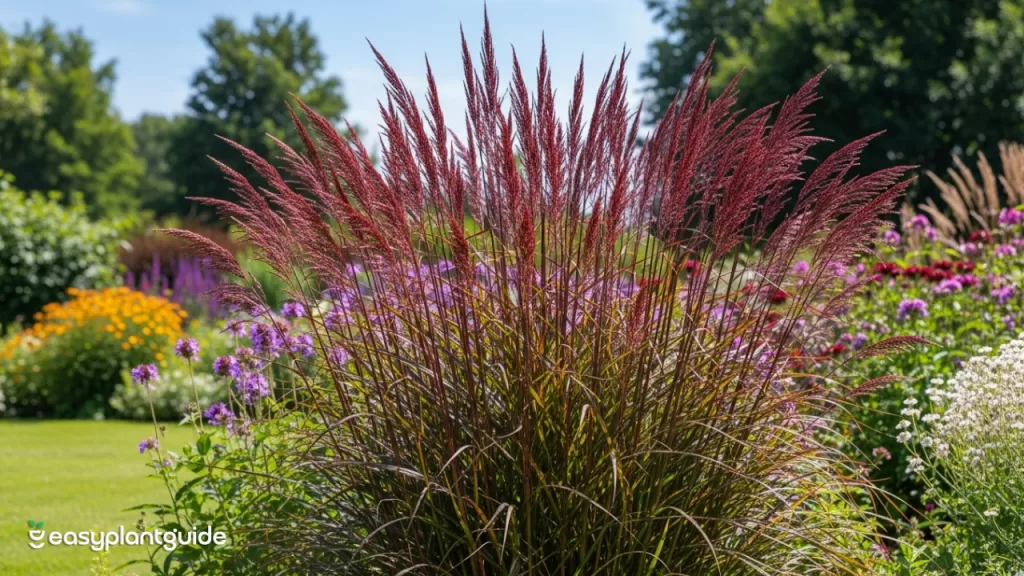
Are you looking to add a splash of color and texture to your garden? Red switch grass might just be your new best friend. This tall, ornamental grass is not only beautiful but also incredibly versatile. In this article, we’ll dive deep into everything you need to know—from planting tips to maintenance tricks—to make your garden pop all year round.
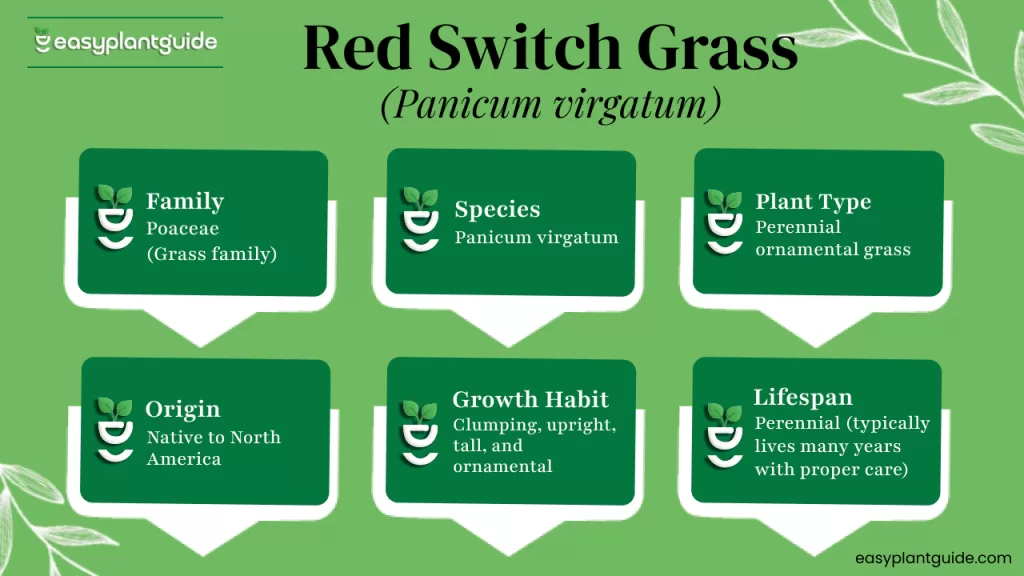
What is Red Switch Grass?
Red switch grass, scientifically known as Panicum virgatum, is a tall, perennial grass native to North America. Its most eye-catching feature is its striking reddish to burgundy foliage, which gradually intensifies in late summer and fall, bringing a warm, vibrant hue to any garden or landscape. Unlike ordinary green grasses, red switch grass adds movement, texture, and seasonal interest, swaying gracefully in the wind and creating a dynamic, natural feel. Beyond its beauty, it is also hardy, drought-tolerant, and low-maintenance, making it a versatile choice for gardeners who want both aesthetic appeal and practical benefits.
Why You Should Choose Red Switch Grass
There are many types of ornamental grasses available, but red switch grass truly stands out from the rest. It offers a perfect blend of beauty, strength, and practicality. With its striking red-tinted foliage and graceful upright form, it adds instant texture and color to any outdoor space. But it’s not just about looks—this grass is incredibly hardy, drought-tolerant, and easy to grow in a wide variety of soil conditions. Whether you need a bold focal point for your landscape, a natural privacy screen, or an attractive border that changes color with the seasons, red switch grass is a reliable and long-lasting choice for any gardener.
5 Amazing Features of Red Switch Grass
1. Stunning Seasonal Color
One of the most eye-catching qualities of red switch grass is its vibrant red and burgundy foliage that appears in late summer and lasts through the fall. This rich coloration brings warmth and depth to gardens, especially when other plants begin to fade.
2. Tall and Graceful Growth
With a height of up to six feet, red switch grass grows upright in elegant clumps. Its tall, slender blades sway beautifully in the breeze, creating movement and a visually appealing texture in any landscape.
3. Tough and Adaptable
This grass thrives in a variety of conditions, making it incredibly versatile. It grows well in many types of soil, including sandy, loamy, and clay soils, and can handle both drought and occasional flooding. Its hardiness makes it ideal for different climates and easy for gardeners to maintain.
4. Ideal for Privacy and Structure
When planted in groups, red switch grass forms dense clusters that work perfectly as natural privacy screens or windbreaks. It’s a functional and attractive alternative to artificial fencing, adding structure without blocking light completely.
5. Wildlife Friendly
Red switch grass also plays an important role in supporting nature. Its seeds provide food for birds, and its foliage creates shelter for small wildlife. In addition, it attracts pollinators like butterflies, helping to promote a healthy garden ecosystem.
Benefits for Landscaping
1. Adds Vertical Interest and Texture
Red switch grass brings height and structure to gardens, making it perfect for creating visual interest. Its upright form contrasts nicely with low-growing plants and flowering perennials, giving your landscape depth and dimension.
2. Fills Gaps in Perennial Beds
This grass is excellent for filling empty spaces in garden beds. It grows in neat clumps that blend naturally with other plants, helping to create a fuller, more balanced landscape design without looking overcrowded.
3. Ideal for Naturalistic Garden Designs
Red switch grass fits beautifully into modern landscaping styles, especially prairie-style, woodland, and native garden designs. Its soft movement in the wind and natural appearance make it a great choice for creating relaxed, organic-looking outdoor spaces.
4. Low-Maintenance and Drought-Tolerant
One of the biggest advantages of red switch grass is how easy it is to care for. Once established, it requires very little attention, rarely needs fertilizing, and can thrive even in hot, dry conditions. This makes it perfect for busy gardeners.
5. Excellent for Erosion Control
Thanks to its deep root system, red switch grass is very effective at preventing soil erosion. It helps stabilize slopes, riverbanks, and other areas prone to runoff, making it both a practical and beautiful landscaping solution.
How to Plant Red Switch Grass
Planting red switch grass is easier than you might think. Here’s a simple guide:
- Choose a sunny location with well-draining soil.
- Space plants about 2–3 feet apart to allow for growth.
- Dig a hole slightly larger than the root ball.
- Place the grass in the hole and backfill with soil.
- Water thoroughly to help establish roots.
5 Essential Tips for Successful Growth
1. Water Regularly During the First Season
Red switch grass is drought-tolerant once established, but young plants need consistent moisture to develop strong roots. During the first growing season, water the grass regularly—especially during dry spells—to help it settle and grow properly.
2. Apply Mulch to Retain Moisture
Adding a layer of organic mulch around the base of the plant helps retain soil moisture and prevent weeds from competing for nutrients. Mulching also protects the root zone during temperature changes and keeps the soil cool in hot weather.
3. Avoid Overly Rich Soil
While fertile soil may seem beneficial, red switch grass actually prefers average soil conditions. Overly rich or heavily fertilized soil can encourage rapid, floppy growth, causing the plant to lose its sturdy, upright shape. Keep feeding minimal for best results.
4. Trim Back in Early Spring
Cutting back the plant before new growth appears is essential for maintaining a tidy look. Trim the grass to about 6–8 inches in early spring to remove old stems and make room for fresh, healthy foliage to emerge.
5. Divide Every 3–4 Years
To keep your red switch grass vigorous and productive, divide the clumps every three to four years. This helps prevent overcrowding, rejuvenates older plants, and allows you to propagate new plants for other areas of your garden.
Soil and Climate Requirements
| Soil Type | Water Retention | Ideal Conditions | Notes |
|---|---|---|---|
| Sandy | Low | Good drainage | Mix compost to improve soil quality |
| Loamy | Medium | Best for growth | Naturally rich and well-draining |
| Clay | High | Moist but manageable | Add sand or organic matter for better drainage |
| Silty | Medium | Fertile and smooth | Avoid waterlogging for healthy roots |
Red Switch Grass Maintenance
Red switch grass is known for being low-maintenance, but a little care goes a long way in keeping it healthy and attractive. Although it can tolerate dry conditions once established, occasional watering during long periods of drought helps maintain its vibrant color and strong growth. Fertilizing should be done sparingly—once a year in early spring is usually enough, and a light application of compost or a balanced fertilizer will support healthy development without making the plant floppy.
Maintenance also includes seasonal cleanup. Removing dead or dried foliage in early spring keeps the plant looking fresh and allows new growth to emerge easily. While red switch grass is generally pest-resistant, it’s still good practice to occasionally check for common pests such as aphids or spider mites, especially during hot, dry weather. In addition, because this grass grows in dense clumps over time, it’s important to monitor its spread to prevent overcrowding. Dividing the plant when needed will help maintain airflow and promote long-term health.
Seasonal Care Checklist
- Spring: Cut back old growth to about 6–8 inches to make room for fresh foliage. Apply a light dose of fertilizer or compost to encourage healthy new growth.
- Summer: Keep an eye out for pests like aphids or spider mites and treat early if needed. Water during hot or dry periods to keep the plant vibrant.
- Fall: Enjoy the stunning red and burgundy foliage as the plant reaches its peak color. This is also a good time to tidy up any broken stems if necessary.
- Winter: Leave the tall stems and seed heads intact for winter interest. They not only look beautiful with frost but also provide food and shelter for birds and small wildlife.
- All Year: Maintain moderately moist soil, especially during prolonged dry conditions. Avoid overwatering, as this plant prefers well-drained soil.
Common Problems and How to Avoid Them
1. Flopping from Over-Fertilization
Red switch grass is naturally upright, but it can start to flop over if grown in soil that is too rich or if it receives too much fertilizer. Excess nutrients cause rapid, weak growth that can’t support itself. To avoid this, use minimal fertilizer and choose average-quality soil rather than heavily amended soil.
2. Faded Foliage Color
If your red switch grass lacks its signature red and burgundy tones, it may not be getting enough sunlight. This plant needs full sun to produce vibrant color. When grown in too much shade, its leaves often stay green or look dull. Relocating it to a sunnier spot will bring back its bold color.
3. Root Rot from Poor Drainage
Although this grass tolerates drought, it struggles in soggy soil. Overwatering or poor drainage can cause root rot, leading to yellowing leaves and poor growth. To prevent this, plant red switch grass in well-drained soil and avoid areas where water tends to collect after rain.
4. Competition from Nearby Plants
When planted too close to trees or aggressive shrubs, red switch grass may struggle due to competition for water and nutrients. It grows best when given enough space to expand naturally. Proper spacing also improves airflow, reducing the risk of disease.
5. Unwanted Spreading
In ideal growing conditions, red switch grass can spread through self-seeding. While it isn’t considered invasive, it may begin to take over nearby spaces if not managed. To control this, remove seed heads before they fall or divide established clumps every few years.
Companion Plants for Red Switch Grass
Red switch grass pairs beautifully with a variety of plants to enhance both color and texture in the garden. Coneflowers and black-eyed Susans provide bright seasonal contrast, while sedums and other ornamental grasses add depth and movement. Native wildflowers make excellent companions by supporting pollinators, and daylilies bring additional summer interest. For foliage variety, coral bells complement the grass with their rich leaf colors and compact form.
Design Ideas Using Red Switch Grass
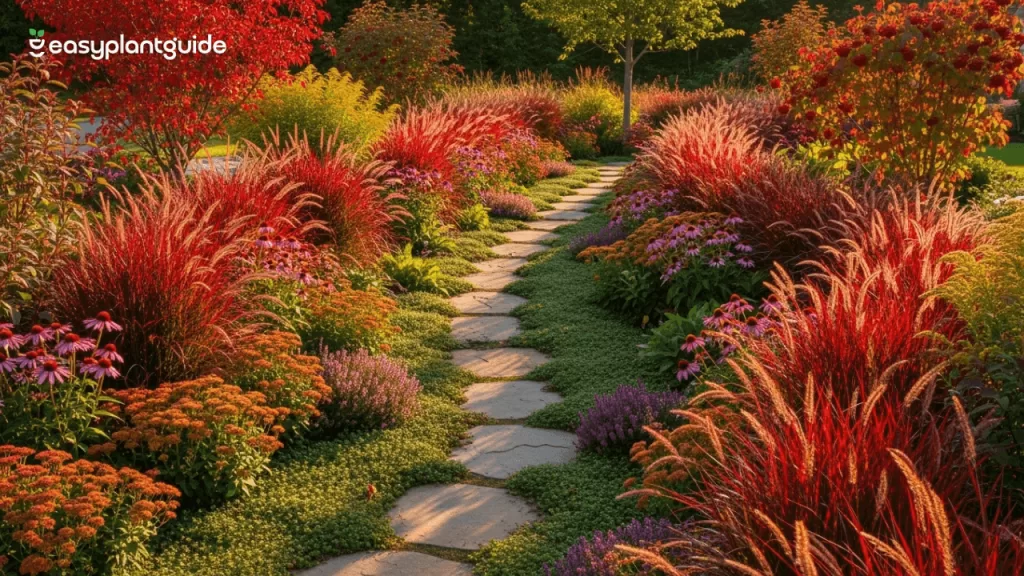
- Create a dramatic backdrop for perennials
- Line walkways for soft movement and color
- Build natural privacy screens
- Plant in mass for prairie-style gardens
- Combine with flowering shrubs for seasonal interest
Conclusion
If you’re seeking a low-maintenance, visually striking, and wildlife-friendly addition to your garden, red switch grass is a perfect choice. With its vibrant color, elegant movement, and adaptability, it brings life and texture to any landscape. By following proper planting and care tips, you can enjoy this stunning grass for years to come. Ready to transform your garden? Red switch grass is waiting to make its mark!
Explore more plant blogs and grow your green journey with us.