
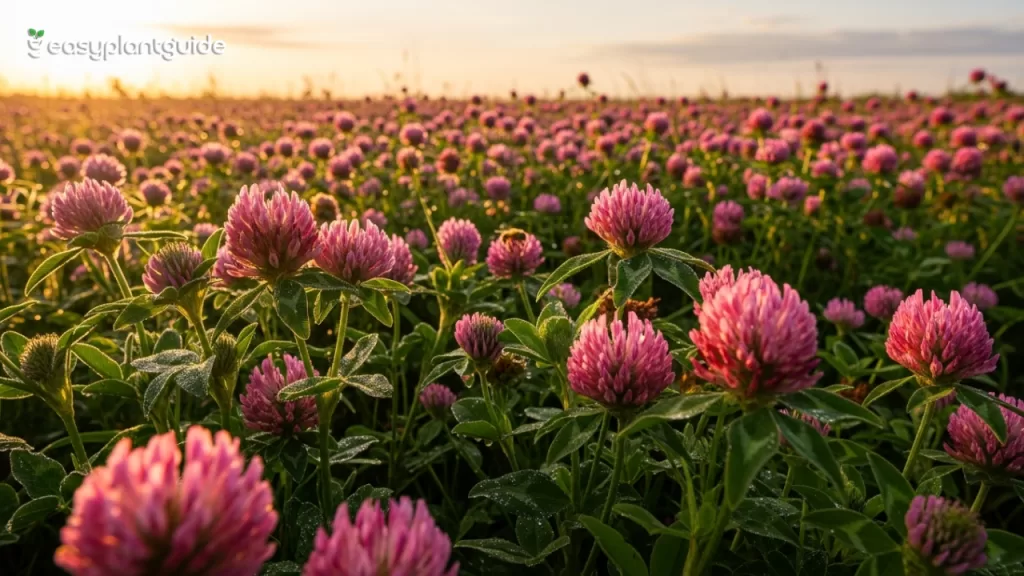
Have you ever wandered through a meadow or garden and noticed clusters of soft, delicate pink flowers swaying gently in the breeze? That enchanting sight is none other than pink clover, a plant that captivates both the eye and the senses. Unlike ordinary flowers, carries a quiet charm—it’s small yet resilient, simple yet striking. Its rosy blossoms aren’t just a feast for the eyes; they play a vital role in supporting local ecosystems by attracting bees and other pollinators. Beyond its visual appeal, pink has a rich history of being used in traditional herbal remedies, making it a plant of both beauty and purpose.
But isn’t just about aesthetics or tradition—it’s a nutritional powerhouse waiting to be discovered. Packed with essential vitamins, minerals, and natural compounds, this plant offers a range of health benefits, from boosting immunity and supporting heart health to easing menopausal symptoms. For gardeners, it’s an easy-to-grow, resilient plant that adds life and color to any space. For wellness enthusiasts, it’s a natural ally in teas, supplements, and skincare routines. In short, is a delightful combination of charm, health, and versatility, making it a true gem in the plant world.
What is Pink Clover?
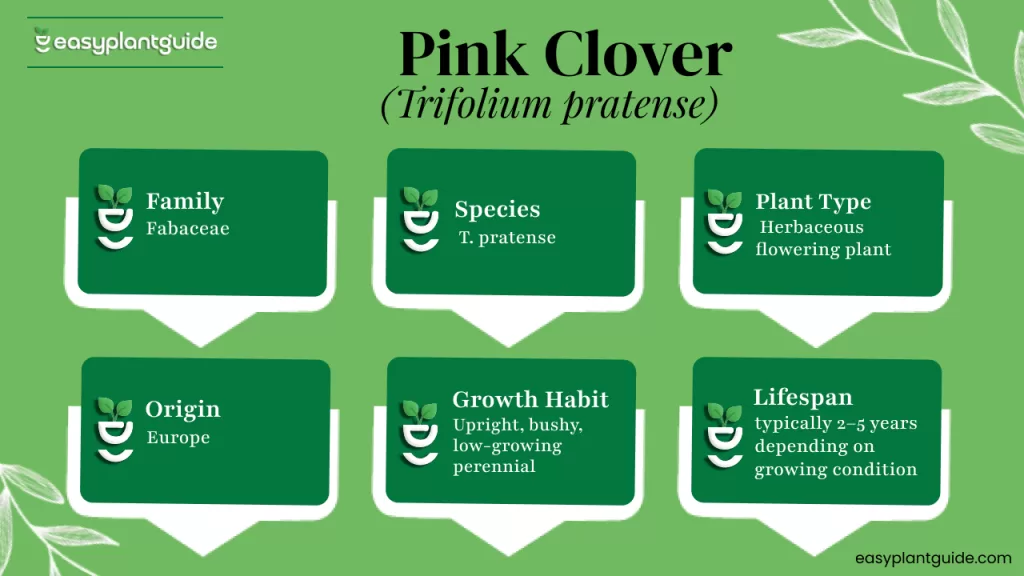
Pink clover, scientifically called Trifolium pratense, is more than just a pretty flower—it’s a fascinating memberrof the legume family. At first glance, it’s easy to mistake it for red clover, but stands out with its softer, pastel-pink hues that give it a delicate, almost dreamy appearance. Its compact flower heads and slender stems make it a charming addition to any garden or wild meadow. Originally native to Europe, has traveled far beyond its homeland and now thrives across continents, from lush fields and rolling meadows to roadside patches and backyard gardens.
Its adaptability and resilience allow it to grow in a variety of climates and soil types, making it a favorite among gardeners and herbal enthusiasts alike.
History and Origins of Pink Clover
Did you know that has rbeen used for centuries? Ancientcivilizations valued it for:
- Treating respiratory problems
- Boosting overall vitalityBoosting overall vitality
- Supporting female reproductive health
- Improving skin conditions
- Serving as a nutritious forage for livestock
Its versatility made it a staple in both herbal pink clovemedicine and agriculture.
Nutritional Profile of Pink Clover
Pink clover is not just pretty—it’s packed with nutrients:
| Nutrient | Amount per 100g | Benefit |
| Protein | 23g | Muscle growth & repair |
| Fiber | 15g | Digestive health |
| Calcium | 150mg | Strong bones |
| Iron | 5mg | Prevents anemia |
| Vitamin C | 35mg | Boosts immunity |
Top Health Benefits of Pink Clover
Here’s why pink clover deserves a spot inyour life:
Supports Heart Health
- Helps lower cholesterol naturally
- Promotes healthy blood circulation
- Reduces risk of cardiovascular diseases
- Contains antioxidantthat fight free radicals
- Helps maintain blood pressure
Boosts Immune System
- Rich in vitamin C
- Supports white blood cell production
- Fights infections and colds
- Anti-inflammatory properties
- Enhances overall immunity
Aids in Menopause Relief
Pink clover contains isoflavones, plant compounds that mimic estrogen. They can:
- Reduce hot flashes
- Improve sleep quality
- Stabilize mood wings
- Maintain bone density
- Support hormonal balance
How to Use Pink Clover
In Tea Form
- Steep 1-2 teaspoons in hot water
- Drink 1-2 times daily
- Adds natural sweetness without sugar
- Refreshing and calming
- Can be combined with mint or chamomile
As a Dietary Supplement
- Available in capsules or powders
- Follow package dosage
- Mix with smoothies
- Can be added to salads
- Boosts nutritional intake
In Skin Care
- Used in homemade masks
- Reduces skin inflammation
- Promotes healing of minor wounds
- Improves skin texture
- Acts as a natural toner
Gardening Tips for Pink Clover
Want to grow at home? Here’s how:
- Plant seeds in well-drained soil
- Choose a sunny spot
- Water moderately
- Avoid overcrowding
- Harvest flowers when fully bloomed
Pink Clover and Bees
Pink clover is a bee magnet!
- Attracts honeybees
- Supports pollination
- Boosts localecosystem
- Produces fragrant nectar
- Helps in honey production
Pink Clover vs Red Clover
Though similar, has subtle differences:
| Feature | Pink Clover | Red Clover |
| Flower Color | Light pink | Dark red/purple |
| Growth Height | 20-80 cm | 30-90 cm |
| Taste | Milder | Slightly bitter |
| Common Use | Tea & ornamental | Herbal remedies & fodder |
| Medicinal Value | High | High |
Precautions While Using Pink Clover
While s generally considered safe and beneficial, it’s important to keep a few precautions in mind to ensure you get the most out of it without any side effects. If you are pregnant or breastfeeding, it’s best to consul your doctor before using in teas, supplements, or skincare. Although natural, its pink compounds can sometimes affect hormone levels, so professional guidance is always a good idea.
Another point to consider is that may interact with blood-thinning medications. If you’re taking aspirin, warfarin, or similar drugs, using without medical advice could increase the risk of excessive bleeding. Avoid consuming it in large amounts, as excessive intake may lead to digestive discomfort or hormonal imbalances. When using topically, always perform a patch test first to check for any skin irritation or allergic reactions. Finally, to maintain its potency and freshness, store in a cool, dry place, away from direct sunlight and moisture.
Interesting Facts About Pink Clover
- Clover leaves symbolize luck—3 leaves for ordinary luck, 4 leaves for exceptional luck.
- attracts butterflies as well as bees.
- Its seeds can remain dormant for years before germinating.
- Often used as a natural nitrogen-fixer in crop rotation.
- Can grow in poor soil conditions, making it resilient.
Pink Clover in Modern Medicine
Recent studies highlight
- Anti-inflammatory properties
- Antioxidant activity
- Potential cancer-fighting compounds
Hormonal balancing effects - Heart-protective benefits
Fun Ways to Include Pink Clover in Your Life
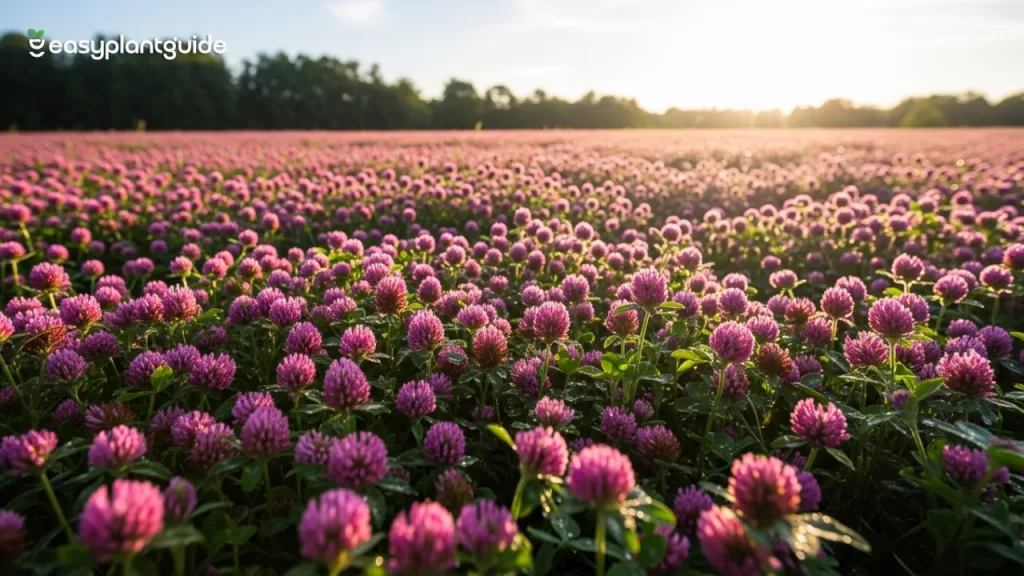
- Brew a relaxing
- Add fresh flowers
- Use in DIY skincare
- Decorate cakes and desserts
- Grow a small patch in your garden
Conclusion
Pink clover isn’t just a charming addition to your garden; it’s a true powerhouse of health and natural wellness. This unassuming plant packed with nutrients and beneficial compounds that can support your immune system, promote heart health, and even provide relief during menopause. Whether you’re enjoying it as a soothing tea, incorporating it into supplements, or using it in skincare, pink proves that beauty and health can go hand in hand. Its subtle pink blossoms may seem delicate, but the plant’s impact on overall well-being is anything but small.
Beyond its health benefits, plays an important role in the ecosystem. It’s a magnet for bees, butterflies, and other pollinators, helping to sustain local biodiversity. Its resilience and adaptability make it easy to grow, even in less-than-ideal soil conditions, s anyone can enjoy its charm. So, the next time you spot those soft pink flowers swaying in the breeze, remember—they’re more than just a pretty sight. They’re a natural gift that nourishes both your body and the environment.
Checkout for more Blogs Details here.