
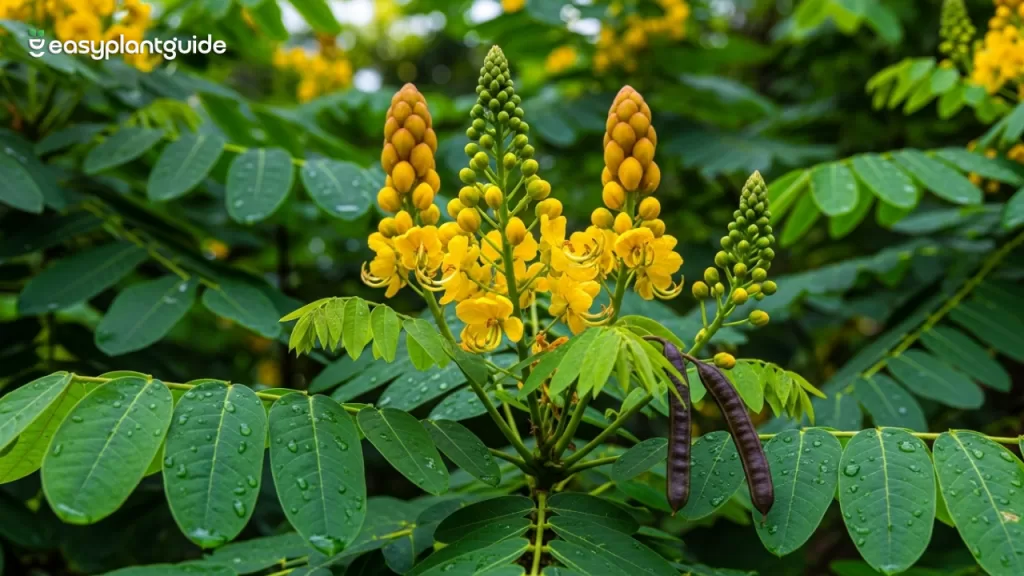
Have you ever heard of a plant that looks like a golden candle and can do wonders for your health? That’s the candle bush, also scientifically known as Senna alata. This vibrant plant isn’t just a feast for the eyes it’s a powerhouse of medicinal properties. From skin care to natural remedies, has been cherished in traditional medicine for centuries. In this article, we’ll dive deep into everything you need to know about , its benefits, uses, cultivation, and more.
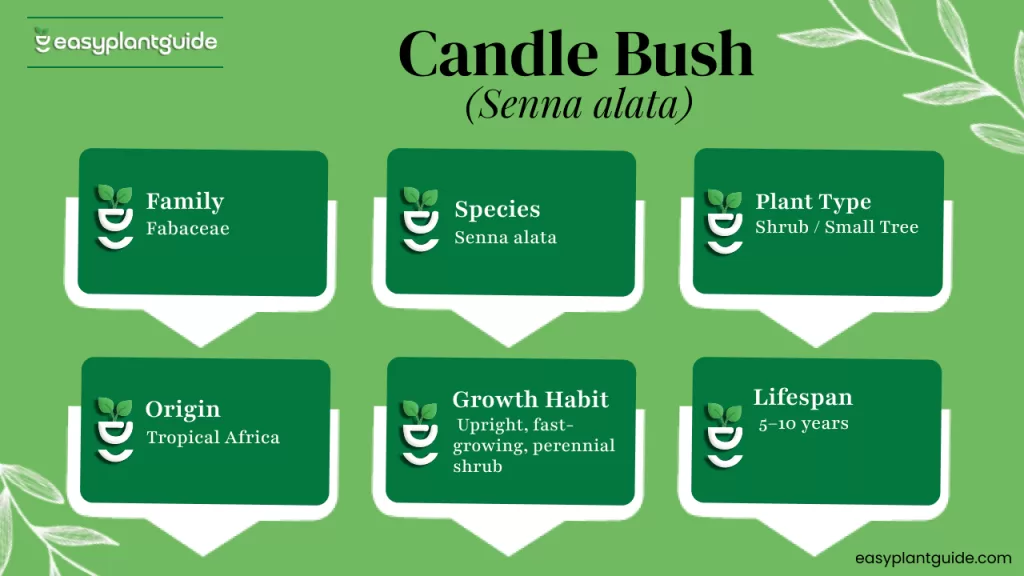
What Is Candle Bush?
Candle bush, scientifically known as Senna alata, is a vibrant tropical shrub celebrated for its striking yellow flowers that resemble candles. Native to Africa but now found in many warm regions worldwide, this plant is not just visually appealing it’s a powerhouse of medicinal benefits. Traditionally, leaves have been used to treat fungal infections like ringworm, soothe eczema and skin irritations, and even support digestive health. The plant contains natural antifungal and anti-inflammatory compounds, making it a staple in herbal remedies. Additionally, it can help detoxify the body, boost immunity, and provide mild pain relief. Whether used as a paste, tea, or topical extract, offers a natural, effective way to promote overall wellness.
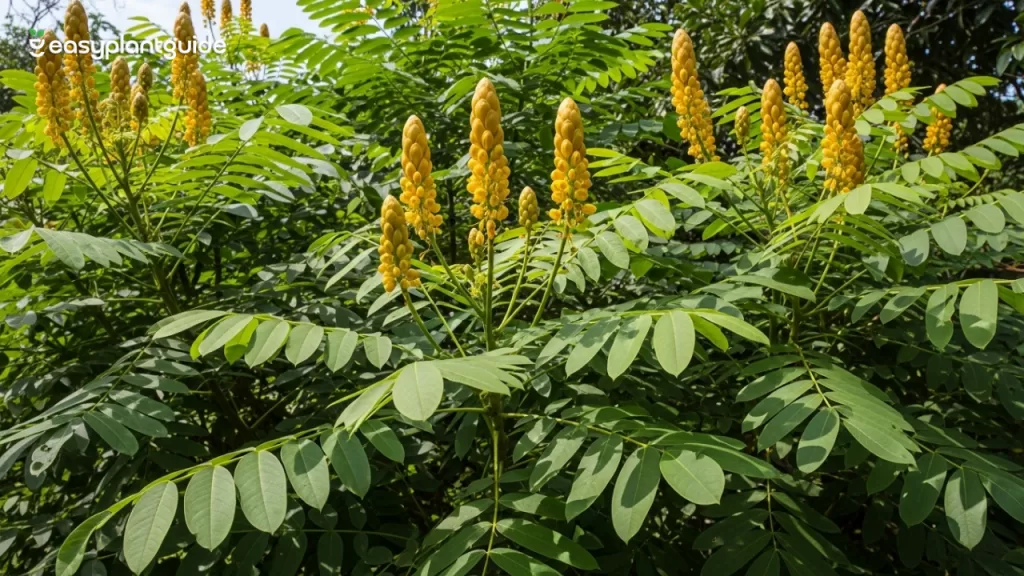
Beyond its medicinal uses, is easy to grow and adds beauty to any garden with its towering yellow flower spikes. It thrives in sunny locations with well-drained soil and can be propagated from seeds or cuttings. The leaves, flowers, and even seeds are utilized for various purposes from herbal teas to skincare applications. With proper care, it blooms during the rainy season, attracting pollinators and enhancing garden ecosystems. Candle bush is truly a remarkable plant that combines natural beauty with therapeutic benefits, making it a must-have for gardeners and herbal enthusiasts alike.
Key Features of Candle Bush
- Bright yellow candle-like flowers
- Large green leaves with medicinal uses
- Fast-growing tropical shrub
- Can reach up to 3 meters in height
- Resilient to different soil types
Scientific Classification
| Feature | Details |
| Scientific Name | Senna alata |
| Family | Fabaceae |
| Plant Type | Shrub |
| Origin | Tropical Africa |
| Uses | Medicinal, ornamental |
Top 7 Candle Bush Benefits
Let’s explore why candle bush is considered a miracle plant in traditional medicine.
1. Natural Antifungal Treatment
Candle bush leaves are rich in antifungal compounds, making them highly effective in treating skin infections. The plant is especially known for combating ringworm, athlete’s foot, and other fungal conditions. Traditionally, people crush the leaves into a paste and apply it directly to affected areas, which helps reduce itching, redness, and irritation. The antifungal properties work naturally without harsh chemicals, making a safe and eco-friendly alternative to commercial treatments.
2. Boosts Immune System
Regular consumption of extracts or teas can strengthen the immune system. The plant contains bioactive compounds that help your body fight off infections and reduce susceptibility to common illnesses like colds and flu. Including in your wellness routine may support overall immunity, making it easier for your body to ward off harmful pathogens.
3. Promotes Skin Health
Candle bush leaves are widely used in traditional skincare remedies. They are effective in treating eczema, rashes, and other skin irritations, thanks to their soothing and healing properties. Applying paste or ointments made from its extracts can help calm inflammation, reduce redness, and promote healthier, nourished skin. Its natural compounds work gently yet efficiently, making it ideal for sensitive skin.
4. Supports Digestive Health
Candle bush acts as a mild natural laxative, which helps regulate bowel movements and relieve constipation. Drinking tea made from its leaves can improve digestion, reduce bloating, and support a healthy gut. Unlike harsh chemical laxatives,works gradually, making it safe for long-term use to maintain proper digestive health.
5. Detoxifies the Body
The detoxifying properties of candle bush help cleanse the liver and kidneys, facilitating the removal of toxins from the body. This process supports overall wellness by enhancing metabolism, energy levels, and organ function. Herbalists often recommend as part of natural detox routines because of its gentle yet effective cleansing ability.
6. Anti-inflammatory Properties
Topical applications or teas made from can reduce inflammation in various parts of the body. Whether it’s swelling due to injuries, joint inflammation, or general irritation, the plant’s anti-inflammatory compounds help soothe pain and promote faster recovery. Its dual action both internal and external makes it a versatile remedy for inflammation-related conditions.
7. Natural Pain Relief
Traditional medicine uses candle bush to alleviate minor aches, headaches, and joint pain. Applying leaf paste to sore areas or drinking tea can provide gentle pain relief without relying on synthetic drugs. Its natural analgesic properties complement other treatments, offering a holistic approach to managing discomfort.
How to Use Candle Bush
Using candle bush depends on your goal—here’s a breakdown:
Leaf Application
- Crush leaves into a paste
- Apply to affected skin areas
- Leave for 30–60 minutes
- Wash with lukewarm water
- Repeat 2–3 times daily
Candle Bush Tea
- Boil 5–10 leaves in water
- Let it steep for 10 minutes
- Strain and drink
- Can add honey for taste
- Consume 1–2 times daily
Oil and Extracts
- Available in herbal stores
- Apply on skin for eczema or rashes
- Mix with carrier oils for massages
- Follow package instructions
- Store in a cool, dry place
How to Grow Candle Bush
Growing your own candle bush is easier than you think. Here’s how:
- Choose a sunny location
- Plant seeds 1–2 cm deep in fertile soil
- Water moderately but consistently
- Fertilize once a month
- Prune regularly to maintain shape
Candle Bush Flowering Season
Candle bush is a striking tropical plant that reaches its peak beauty during the rainy season when it bursts into vivid yellow flower spikes that resemble glowing candles. These vibrant blooms not only create a stunning visual display but also play a crucial role in the ecosystem by attracting pollinators such as bees, butterflies, and other beneficial insects, which help with fertilization and plant reproduction. The flowering period usually lasts 6–8 weeks, during which the plant becomes a hub of activity, buzzing with pollinators and adding life to gardens or wild landscapes. This seasonal bloom not only enhances the aesthetic appeal of any space but also supports biodiversity, making candle bush both an ornamental and ecologically valuable plant.
Traditional Uses of Candle Bush
- Treats fungal skin infections
- Soothes eczema and dermatitis
- Improves digestion and gut health
- Boosts immunity
- Acts as a natural laxative
Modern Uses in Medicine
- Extracts for antifungal creams
- Herbal teas for detoxification
- Supplements for immune support
- Cosmetic products for skin care
- Pain-relief herbal ointments
Potential Side Effects
Although generally safe, candle bush can have side effects if misused:
- May cause diarrhea if consumed in excess
- Can interact with blood-thinning medications
- Not recommended during pregnancy or breastfeeding
- Possible skin irritation in sensitive individuals
- Avoid ingestion of unprocessed seeds
Candle Bush vs Other Medicinal Plants
Candle bush is truly remarkable due to its powerful antifungal and skin-healing properties, setting it apart from other well-known medicinal plants like aloe vera or neem. While aloe vera soothes burns and moisturizes the skin and neem offers general antibacterial benefits, candle bush specifically targets fungal infections such as ringworm, athlete’s foot, and other stubborn skin conditions with remarkable effectiveness. Its leaves contain bioactive compounds that penetrate the skin to combat fungal growth, reduce inflammation, and promote faster healing. This focused action makes candle bush a go-to natural remedy for skin ailments, offering a safe and reliable alternative to chemical treatments while also supporting overall skin health.
Harvesting Candle Bush Leaves
- Pick mature leaves
- Wash thoroughly to remove dirt
- Dry in a shaded area
- Store in airtight containers
- Use fresh for maximum potency
Candle Bush Seeds and Propagation
Candle bush seeds are remarkably easy to propagate, making it a great plant for both beginners and experienced gardeners. For best results, soak the seeds overnight in water before planting, which helps soften the hard seed coat and accelerates germination. Once planted in well-drained, fertile soil, the seeds usually sprout within 1–2 weeks, quickly developing into healthy seedlings. With proper sunlight, watering, and care, these young plants grow rapidly, eventually producing the iconic bright yellow flower spikes. Propagating candle bush from seeds is not only simple but also rewarding, allowing gardeners to enjoy both its medicinal benefits and stunning ornamental appeal.
Candle Bush in Landscaping
Besides its impressive medicinal properties, candle bush is an excellent choice for gardeners looking to add a tropical flair to their outdoor spaces. Its vivid yellow flower spikes create a striking visual impact, making it ideal for hedges, garden borders, or as standalone ornamental shrubs. Beyond beauty, these flowers attract pollinators like bees and butterflies, enhancing biodiversity in your garden. The plant grows quickly, adapts well to different soil types, and requires minimal maintenance, making it both practical and visually appealing. By planting candle bush, you not only enjoy its therapeutic benefits but also transform your garden into a lively, colorful, and ecologically friendly haven.
Interesting Facts About Candle Bush
- The plant can survive drought conditions
- Leaves have a unique winged pattern
- Flower spikes resemble candles, hence the name
- Often used in traditional African medicine
- Can attract pollinators, benefiting your garden ecosystem
Conclusion
Candle bush is a remarkably versatile plant, offering both aesthetic appeal and powerful medicinal benefits. Its vibrant yellow flower spikes not only brighten up gardens but also attract pollinators, supporting local ecosystems. Beyond its visual charm, candle bush has been used for centuries in traditional medicine to treat skin infections, soothe rashes, improve digestion, and boost immunity. Whether applied as a leaf paste, consumed as tea, or used in herbal extracts, every part of the plant provides natural healing properties, making it a trusted remedy in many cultures.
In addition to its therapeutic value, candle bush is easy to cultivate, thriving in tropical and subtropical climates with minimal care. Its rapid growth and resilience make it perfect for gardeners seeking an ornamental plant that doubles as a natural pharmacy. The next time you admire its golden, candle-like flowers, remember that you’re not just enjoying a beautiful plant you’re witnessing nature’s own medicine in action. Candle bush truly exemplifies the perfect blend of beauty, health, and practicality, making it a must-have for anyone passionate about gardening or herbal remedies.
Checkout for more Blogs Details here.