
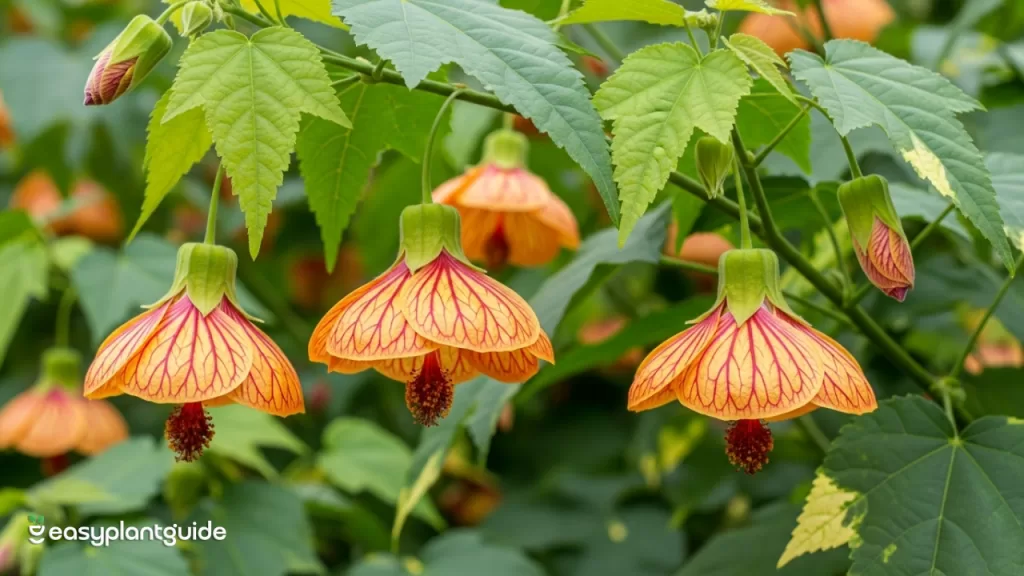
Have you ever walked past a garden and stopped dead in your tracks, captivated by a beautiful plant whose flowers look like miniature, brightly colored bells dangling on strings? If you have, chances are you were looking at the Abutilon pictum, a true garden marvel often nicknamed the Flowering Maple or, more delightfully, the Chinese Lantern Plant. It’s an absolute showstopper, bringing an exotic, tropical flair to any setting, whether it’s an outdoor garden in a warm climate or a sun-drenched windowsill indoors.
But what exactly makes this plant so special, and more importantly, how do you keep it thriving so you can enjoy those glorious, heavily veined, apricot-to-orange flowers all season long? That’s what we’re here to uncover. I’ll share the marvelous secrets and five-step process to turn your plant into a magnificent, flowering machine. Ready to unlock the full potential of your Abutilon pictum? Let’s dive in.
The Abutilon’s Origin and Hardiness Zones
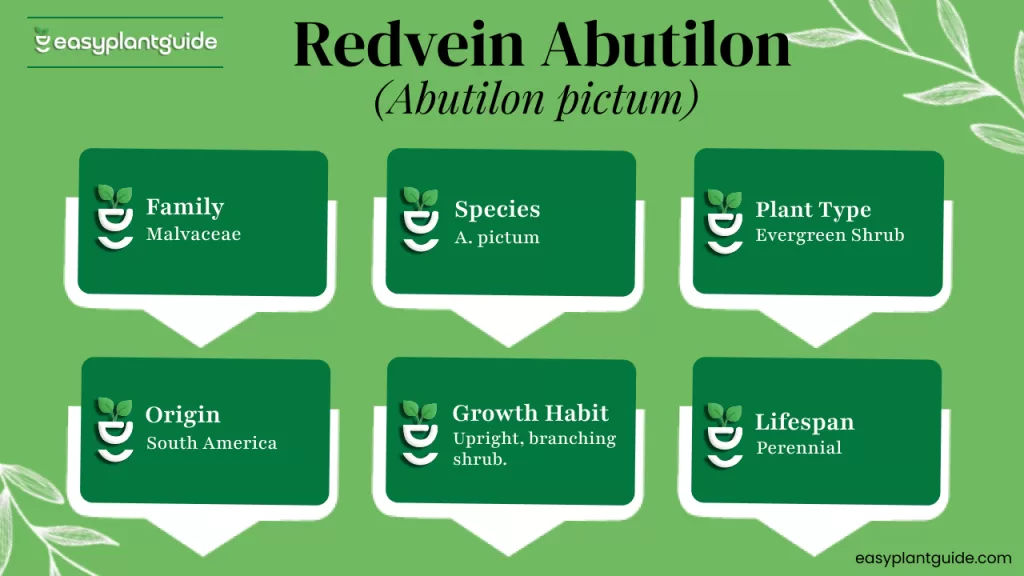
Knowing where your plant comes from is always a good starting point for care. The fact that the Abutilon pictum is a native of the South American tropics tells us everything we need to know about its preference for warmth and moisture.
What Are USDA Hardiness Zones?
The U.S. Department of Agriculture (USDA) Plant Hardiness Zone Map is the standard by which gardeners determine which plants are most likely to thrive in their location. This species is typically hardy in USDA Zones 9-11. Therefore, if you garden in Zone 8 or lower, you must treat your Chinese Lantern as a seasonal annual or, preferably, as a tender perennial that you move indoors for the winter.
Understanding Your New Tropical Friend: What is Abutilon pictum?
Despite one of its popular common names, the Flowering Maple, this plant is not actually a maple tree at all. It’s part of the vast and fascinating Malvaceae family—the mallow family—which also includes hibiscus and cotton. Native to South America, specifically regions like southern Brazil, Argentina, and Uruguay, the Abutilon pictum grows as a large, woody shrub.
It’s cherished for two key features: its handsome, maple-like, palmately-lobed leaves and its iconic, pendulous, bell-shaped flowers. These flowers are the reason for the ‘Chinese Lantern’ moniker, as they hang gracefully on slender stems, often featuring dramatic red or dark-purple veining that contrasts brilliantly with the orange or yellow petals.
The Confusing World of Abutilon Names
When you research this plant, you might run into some synonym trouble. This is common in the botanical world, but important for you to know:
- Abutilon pictum is the currently accepted scientific name.
- Abutilon striatum is an older, often-disputed synonym.
- Redvein Indian Mallow is another common name you’ll see.
- ‘Thompsonii’ with variegated leaves is a famous, mislabeled cultivar.
The 3-Step Secret to Abutilon Pictum Success
If you follow these five fundamental care steps, your Abutilon pictum will reward you with an endless parade of colorful blooms. Think of these steps as the non-negotiables for a happy, healthy plant guaranteed to thrive. These easy, yet crucial, guidelines are all you need to turn your plant into a magnificent, flowering machine, gracing your space with tropical elegance all season long.
1. Mastering the Light and Temperature Balance
Light is the absolute fuel for the famous lantern-like flowers; without enough, your plant may grow leggy and fail to bloom. For outdoor placement, aim for full sun to partial afternoon shade, remembering that scorching climates require dappled light for protection. If kept indoors, a south-facing window is ideal, or a bright east/west window with supplementary light. As a tropical native, it loves heat but is frost tender (cannot tolerate below 32∘F (0∘C)); gardeners outside USDA Zones 9-11 must bring it indoors for the winter, ensuring it has good airflow to prevent fungal issues and appreciating high humidity.
2. The Art of Watering and Soil Needs
As a fast-growing, heavy bloomer, the Abutilon pictum is a thirsty, non-drought-tolerant plant that requires consistent moisture. For watering frequency, drench the soil thoroughly when the top inch feels dry to the touch, which may be daily in summer, and always ensure a pot has excellent drainage to prevent fatal root rot. The plant is a heavy feeder, so provide fertilization every 2-4 weeks with a balanced, liquid, bloom-boosting formula during its active season (spring through fall). For winter care, significantly reduce watering as growth slows, but never let the soil dry out completely.
3. The Crucial Task of Pruning
Pruning is essential for maintaining a desirable shape, preventing legginess, and most importantly, encouraging maximum flower production throughout the season. The primary reason to prune is that it encourages the development of new branches, and since this plant exclusively flowers on new growth, more branches mean more blooms! The best time for major shaping is late winter or early spring before new growth begins. When cutting back, don’t be afraid to be a little aggressive—these are tough shrubs—and aim to cut back about one-third of the plant’s older growth to shape it and vigorously encourage a bushier, denser growth habit.
Propagating Abutilon: Growing Your Collection
This section is perfect for explaining how easily this plant can be multiplied. The fantastic news is that the Abutilon pictum is incredibly generous; it roots readily, making it simple to grow your collection or share its beauty with friends.
Snip, Dip, and Grow: Taking Cuttings
The simplest and most common method for propagating your Chinese Lantern is through semi-hardwood cuttings. The best time for this is during the active growing season, typically spring or summer. To start, simply snip a healthy stem section, remove the lower leaves, and then you have a choice: you can place the cutting directly into moist, well-draining soil (with some rooting hormone, if you wish) or you can root it in a glass of water first. Both methods work well, but placing them straight into soil can sometimes result in a stronger, faster transition.
Starting Abutilon from Seed
While cuttings are certainly faster, growing your plant from seed is also a viable and fascinating option, especially if you want to experiment with crossing different varieties. However, this method will take longer to reach maturity and produce blooms. For the best germination success, the seeds benefit from scarification (lightly nicking the hard shell) and then a period of soaking overnight before planting. Sow the treated seeds in a warm, bright spot, and patiently await your new, tiny Chinese Lanterns.
Feeding Your Blooms: Fertilizer Breakdown
Consistent feeding is essential for abutilon pictum, and a quick mention in the 5-Step Secret just doesn’t cut it. This plant is both a heavy drinker and a heavy eater. To enjoy its nonstop display of Chinese lantern blooms, you need to understand what you’re feeding it and when. This section gives your plant the deeper care it deserves.
The N-P-K Formula for Flowering
To boost flowering, focus on the N-P-K ratio listed on your fertilizer. Phosphorus—the middle number—is key for blooms and root strength. Choose formulas like 10-20-10 or 15-30-15. Avoid high nitrogen levels, which push leafy growth at the expense of flowers. Too much nitrogen turns abutilon pictum into a green shrub with no lanterns.
Seasonal Fertilizer Schedule
Abutilon pictum’s feeding needs shift with the seasons. From early spring to late summer, feed every two to four weeks with liquid fertilizer. As fall cools things down, reduce feeding gradually. In winter, especially indoors, stop fertilizing altogether. This rest period helps the plant recharge for spring growth.
Troubleshooting: Common Pests and Diseases
Even the most glorious plants face challenges, right? While your Abutilon pictum is generally robust and a fairly vigorous grower, it isn’t completely immune to a few common garden problems. But don’t worry—a little preparedness goes a very long way in the world of horticulture! Knowing exactly what tiny threats and viral issues to look for can save your beautiful Chinese Lantern before a small, manageable issue snowballs into a full-blown infestation that stops those beautiful blooms in their tracks.
The Usual Suspects: Insect Pests
| Pest Name | Identification | Best Treatment Strategy |
| Whiteflies | Tiny, white, triangular flying insects, often found under leaves; they fly up in a cloud when disturbed. | Spray with a strong jet of water or neem oil solution, focusing on the undersides of leaves. |
| Spider Mites | Cause fine webbing and tiny stippling (yellow dots) on leaves; thrive in hot, dry conditions. | Increase humidity and use insecticidal soap or neem oil. |
| Aphids | Small, soft-bodied green or black clustered insects, usually found on new growth. | Hand-pick, spray with water, or introduce beneficial insects like ladybugs. |
Abutilon as Interior Décor: The Perfect Houseplant

If you live in a colder region, don’t despair! The Abutilon pictum makes an outstanding, long-flowering houseplant that can be overwintered indoors and then moved outside once the threat of frost is gone. This use is precisely where it gets the charming nickname Parlor Maple.
- It acts as a tender perennial, perfect for cold weather regions.
- Requires the brightest possible light, ideally from a sunny south-facing window.
- Always inspect thoroughly for pests before bringing the plant inside to overwinter.
- The plant can continue to provide active blooming throughout the winter season.
- Maintain the size and shape by hard pruning before the transition indoors.
The Magic of Cultivars and Variegation
The straight species, A. pictum, is beautiful enough, but breeders have given us some fantastic varieties to choose from. When you select a plant, consider these popular options:
Abutilon Pictum ‘Thompsonii’
This is perhaps the most famous and widely available cultivar.
- It features spectacular yellow-splashed, variegated leaves.
- The distinctive variegation is caused by a cultivated, harmless virus.
- Its flowers are typically a vibrant orange.
- The plant offers a stunning visual effect even when not in bloom.
Other Notable Abutilon Selections
- Abutilon megapotamicum is known as the Trailing Abutilon for its weeping habit.
- It produces smaller, characteristically red-and-yellow, lantern-like flowers.
- Abutilon x hybridum is a group offering a massive range of colors.
- These colors include deep reds, vibrant pinks, and various shades of yellow.
Conclusion: Your Abutilon Journey Begins Now
The Abutilon pictum, with its unique, delicate, and dangling bell-shaped flowers and handsome maple-like foliage, is a truly rewarding and enchanting plant to incorporate into your garden or home. By diligently following the marvelous five steps outlined in this guide—which focus on ensuring bright light, providing consistent watering, maintaining regular feeding, conducting preventative pest checks, and employing strategic pruning—you are practically guaranteeing a spectacular, season-long show of vibrant color.
This plant’s ability to thrive and bloom for extended periods makes it a wonderful and standout choice for both experienced gardeners and enthusiastic beginners alike. Don’t be intimidated by its tropical nature; it’s actually quite a forgiving and fast-growing beauty that adapts well to container life and indoor environments. So, gather your supplies, grab your best potting mix, find that perfect sunny spot, and prepare to be utterly delighted by your very own flourishing cluster of colorful Chinese lanterns!
Explore more plant blogs and grow your green journey with us.