
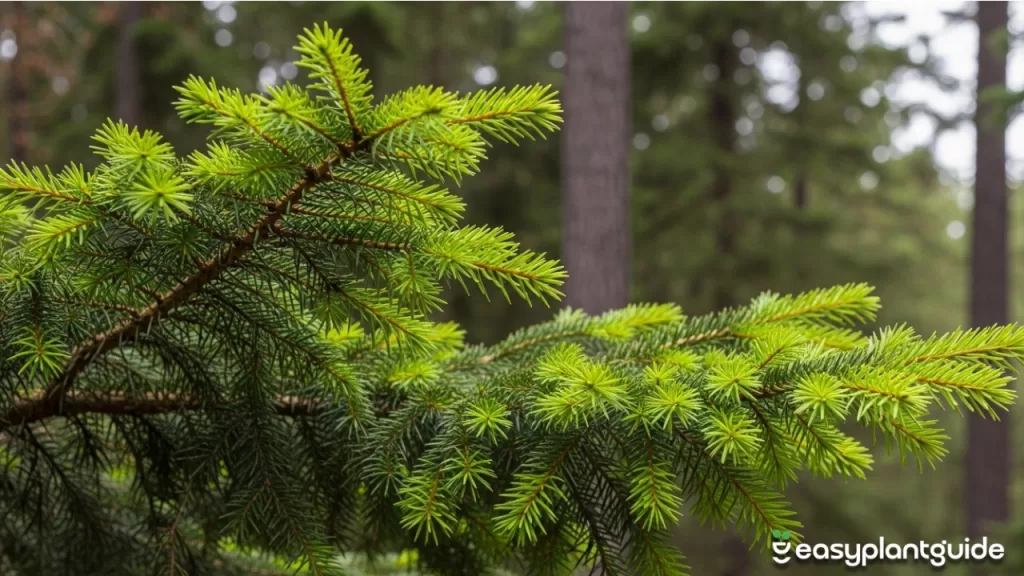
The Abies fraseri, commonly known as the Fraser fir, is a fascinating evergreen tree native to the Appalachian Mountains of the United States. Admired for its rich green color, perfect pyramid shape, and delightful fragrance, this tree has become an American favorite—especially around Christmas. But there’s more to it than decoration. Abies fraseri symbolizes nature’s adaptability and resilience..
The Fraser fir isn’t just admired for its beauty—it’s a living symbol of endurance in harsh mountain environments. Growing gracefully along mist-covered ridges and rocky slopes, it withstands freezing winds and thin soils where few other trees can survive. Its lush needles remain vibrant year-round, offering color and life even in the depths of winter. Beyond its striking appearance, the Abies fraseri plays a vital role in mountain ecosystems, supporting wildlife, conserving soil, and embodying the quiet strength of nature’s design.
What is Abies Fraseri?
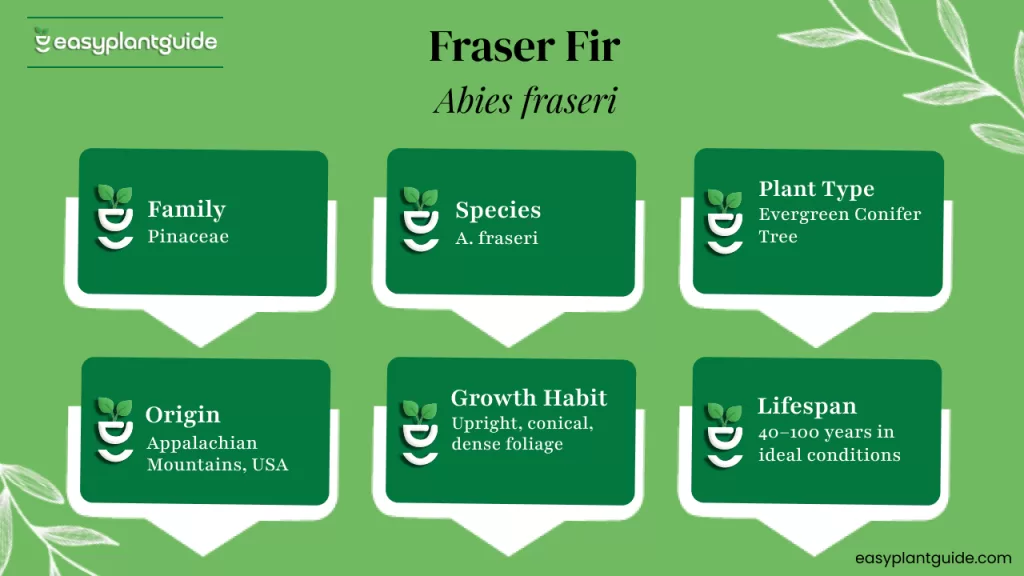
Abies fraseri is a species of fir tree belonging to the Pinaceae family. It’s closely related to the balsam fir but adapted to colder, higher altitudes. This evergreen’s striking appearance—dense foliage, silver-tinged needles, and sturdy branches—makes it both visually appealing and practical. Found in parts of North Carolina, Tennessee, and Virginia, it’s a cornerstone of both local ecosystems and the Christmas tree industry. Its durability, freshness, and fragrance set it apart as a naturally perfect species.
Taxonomy and Scientific Classification
| Category | Classification |
| Kingdom | Plantae |
| Family | Pinaceae |
| Genus | Abies |
| Species | A. fraseri |
| Common Name | Fraser fir |
| Native Range | Appalachian Mountains (U.S.) |
The Origins of Abies Fraseri
The Abies fraseri owes its name to the Scottish botanist John Fraser, who explored the Appalachian Mountains in the 18th century. Fraser collected and documented numerous plant species during his expeditions, leaving a legacy that endures in this majestic tree. The species was officially named in his honor, symbolizing his contribution to botany. Over time, Abies fraseri became an emblem of Appalachian resilience, standing tall amid misty peaks, rocky ridges, and cool, humid air.
Where Does Fraser Fir Grow Naturally?
Fraser firs thrive naturally in the Southern Appalachian Mountains, primarily in North Carolina, Tennessee, and Virginia. They flourish at altitudes between 4,500 and 6,700 feet, where the climate remains cool and moist throughout the year. These forests often experience fog, frost, and strong winds, yet the Fraser fir stands firm, adapting perfectly to such conditions. Its native habitat provides not only shelter for wildlife but also helps regulate mountain ecosystems, making it vital to the region’s natural balance.
Physical Description and Characteristics
The Fraser fir is a stunning evergreen characterized by its symmetrical, conical shape and glossy, dark-green needles. Typically, it grows between 30 and 50 feet tall, with some wild specimens reaching up to 80 feet. Its bark starts smooth and gray, later becoming rough and scaly with age. The tree produces upright, cylindrical cones that begin purple and mature to brown. Its soft, flexible needles with silvery undersides shimmer under sunlight, making this fir a true forest gem.
5 Unique Traits That Make Fraser Fir Stand Out
- Strong branches that hold ornaments without drooping.
- Needle retention that keeps the tree fresh for weeks.
- Fragrance that fills homes with a delightful pine scent.
- Resilient nature to cold, moisture, and wind.
- Perfect shape ideal for decoration and balance.
The Ecological Role of Abies Fraseri
Abies fraseri plays a crucial role in its high-altitude ecosystem. Its dense canopy offers protection and nesting grounds for endangered species like the Carolina northern flying squirrel and the spruce-fir moss spider. The fallen needles enrich the soil, supporting other plant life in the area. Acting as both shelter and sustenance, the Fraser fir ensures the continuity of delicate mountain ecosystems. Its presence is vital to maintaining biodiversity in these unique forest environments.
Abies Fraseri and the Christmas Tree Industry
The Fraser fir dominates the Christmas tree market thanks to its long-lasting freshness, strong branches, and natural fragrance. It’s often called “America’s perfect Christmas tree.” Farmers in North Carolina alone grow over 50 million Fraser firs annually, exporting them nationwide.
Why people love Fraser firs at Christmas:
- Excellent needle retention.
- Pleasant, lasting scent.
- Perfect symmetry for decoration.
- Sturdy branches for heavy ornaments.
- Long indoor lifespan.
Growing Conditions for Fraser Fir
For those interested in cultivating Fraser firs, understanding their preferred environment is essential. They thrive in cool, moist, well-drained soils rich in organic matter. The ideal soil pH ranges between 5.5 and 6.5. These trees prefer full to partial sunlight and cooler temperatures below 75°F. In farms, they’re often planted on north-facing slopes to retain soil moisture and avoid excessive heat. Proper site selection ensures steady growth, strong roots, and healthy, vibrant foliage.
5 Essential Tips for Growing Abies Fraseri Successfully
- Start with healthy seedlings to prevent early disease.
- Space trees at least six feet apart to allow air circulation.
- Prune annually for uniform shape and denser growth.
- Control weeds and pests to reduce competition.
- Water deeply during dry spells to maintain root health.
Common Diseases and Pests
Like many evergreens, Abies fraseri faces threats from pests and diseases. The most destructive is the balsam woolly adelgid, a tiny insect that feeds on tree sap, causing needle loss and bark deformities. Other common problems include root rot, needle rust, and bark beetle infestations. Preventive measures like biological pest control and careful soil management help protect trees. Forest conservation programs are actively researching natural resistance and pest management techniques to preserve this valuable species.
Conservation and Environmental Concerns
The Fraser fir’s natural range is limited to a few high-altitude regions, making it vulnerable to environmental changes. Deforestation, pests, and rising temperatures have reduced wild populations. Conservation efforts include seed banks, reforestation projects, and hybridization with balsam firs to increase pest resistance. Protecting these trees is vital not only for their economic value but also for maintaining Appalachian biodiversity. Through sustainable forestry and community engagement, hope for the Fraser fir’s future remains strong.
Economic and Cultural Importance
Beyond its ecological role, the Fraser fir is a significant economic driver. Its cultivation supports thousands of tree farms in the Appalachian region, creating seasonal jobs and boosting rural economies. The wood’s fragrance also finds use in candle and essential oil industries. Culturally, this fir embodies the spirit of Christmas in countless homes. Cutting a Fraser fir has become a cherished family tradition, symbolizing togetherness, nature, and celebration of life’s simple joys.
Fun Facts About Fraser Firs

- Fraser firs have decorated the White House Christmas Tree more than any other species.
- They can endure winds exceeding 100 mph in the Appalachians.
- Their resin was once used in traditional medicinal salves.
- Needles contain compounds with natural antimicrobial properties.
- North Carolina declared it the official state Christmas tree.
5 Quick Comparison Points – Fraser Fir vs. Balsam Fir
| Feature | Fraser Fir (Abies fraseri) | Balsam Fir (Abies balsamea) |
| Native Region | Southern Appalachians | Northern U.S. & Canada |
| Needle Color | Dark green with silver underside | Uniform green |
| Cone Orientation | Upright, purple-brown | Upright, greenish-purple |
| Branch Strength | Strong and upturned | Slightly weaker |
| Fragrance | Strong and spicy | Mild and sweet |
The Future of Abies Fraseri
The future of the Fraser fir looks promising thanks to scientific research and sustainable forestry. Programs focused on pest resistance, climate adaptability, and forest restoration are underway. Seed banks and hybrid breeding initiatives help maintain genetic diversity. Farmers are also adopting eco-friendly practices, ensuring the tree’s long-term survival. With continued conservation efforts and public awareness, Abies fraseri will remain a symbol of natural elegance and environmental stewardship for generations to come.
Why We Love Fraser Firs – A Personal Perspective
There’s something magical about standing beside a Fraser fir—its scent instantly stirs nostalgia. The soft needles, rich color, and balanced shape capture the essence of winter wonder. For many, it represents tradition, family, and joy. It’s not just a tree—it’s a living reminder of the beauty and resilience found in nature. Every Fraser fir carries a story, from misty mountain forests to living rooms glowing with holiday lights.
Conclusion
The Abies fraseri, or Fraser fir, stands as one of nature’s most enchanting creations. Its strength, elegance, and timeless charm have made it both an ecological treasure and a cultural icon. From supporting fragile ecosystems to brightening holiday homes, it bridges the natural and human worlds beautifully. As conservationists and growers continue their work, this tree’s future remains bright. The Fraser fir doesn’t just survive—it thrives, reminding us of nature’s power to inspire, endure, and unite us all.
Explore more informative blogs here.