
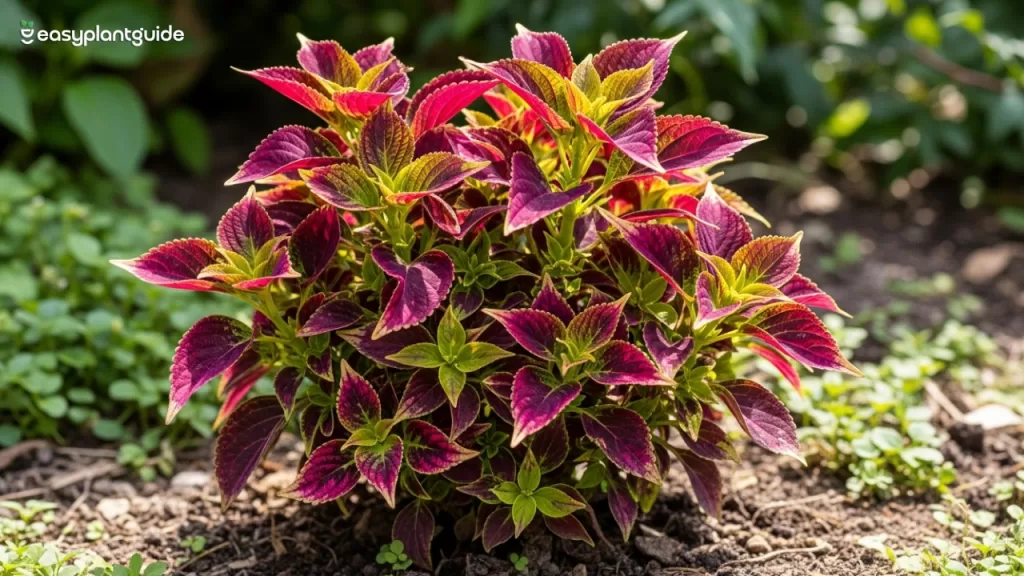
If you’re looking for a plant that instantly transforms your garden with bold color, texture, and personality, the Alternanthera plant is one of the best choices you’ll ever make. This tropical beauty is vibrant, fast-growing, and surprisingly low-maintenance—perfect for beginners and seasoned gardeners alike. In this guide, you’ll discover everything from care tips and propagation to benefits and common problems. Let’s dive deep into the bright, fiery world of Alternanthera.
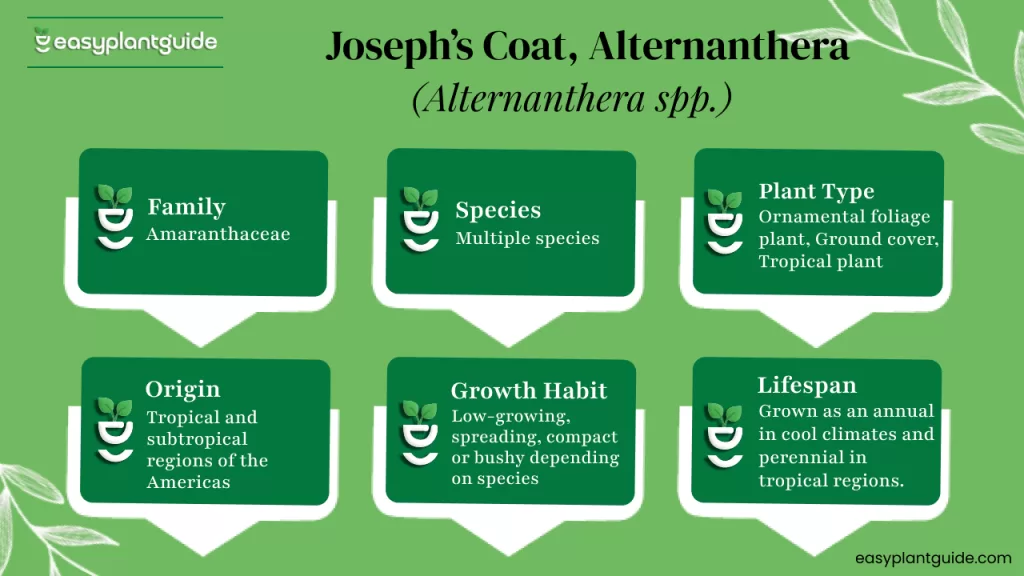
What Makes the Alternanthera Plant So Special?
The Alternanthera plant isn’t just another ornamental addition to your garden—it’s a true color bomb that instantly elevates any landscape. Known for its bold and dramatic foliage, this plant offers shades ranging from neon green and lime yellow to deep burgundy, fiery red, golden tones, and rich purples. Its colors don’t fade easily and often intensify with sunlight, making it one of the most visually striking foliage plants you can grow.
Beyond its beauty, Alternanthera is valued for its versatility. It works equally well as ground cover, border edging, filler plant, or container highlight. Its compact growth habit and quick spreading ability make it ideal for designing clean lines, colorful patterns, and eye-catching contrast in gardens. Plus, it’s low-maintenance, drought-tolerant once established, and thrives in a wide range of climates—making it both stunning and beginner-friendly.
Key Features of Alternanthera Plant
- Fast-growing tropical plant
- Comes in several bold foliage colors
- Works beautifully as ground cover
- Thrives in warm climates
- Easy to maintain
- Perfect for borders and pathway edges
- Suitable for both gardens and containers
- Offers year-round color in warm regions
- Responds well to pruning for bushier growth
- Highly versatile for landscaping designs
- Can be propagated easily through cuttings
- Tolerates heat and humidity extremely well
Popular Types of Alternanthera You Can Grow
There are more than 200 species of Alternanthera plant, but a handful have become favorites among gardeners due to their striking colors, unique textures, and adaptability.
1. Alternanthera ficoidea
Known for its small, vibrant leaves, Alternanthera ficoidea is often used as a colorful ground cover or for creating patterned garden designs. Its foliage can appear in shades of yellow, red, green, and purple, depending on the variety and sunlight exposure.
2. Alternanthera dentata
This variety is easily recognized by its deep burgundy or almost black leaves, adding dramatic contrast to any garden. Alternanthera dentata grows slightly taller than other types, making it perfect for borders, containers, and mixed foliage arrangements.
3. Alternanthera brasiliana
Featuring broad leaves and a bushy growth habit, Alternanthera brasiliana shines with shades of purple and bronze. It is hardy, fast-growing, and often used in tropical-themed gardens for its rich, warm tones.
4. Alternanthera reineckii
A favorite in aquascaping, Alternanthera reineckii thrives underwater and adds bold color to aquariums. Its reddish-purple leaves bring life to aquatic landscapes, making it one of the most visually striking aquarium plants.
5. Alternanthera ‘Little Ruby’
This compact variety is loved for its deep ruby-red foliage and tidy, rounded shape. It stays low and dense, making it ideal for edging garden beds, pathways, and container displays.
Best Places to Grow Alternanthera
The Alternanthera plant is highly adaptable, but the location you choose can greatly affect its color intensity and growth. For garden borders, it works wonderfully, creating a striking frame around flower beds or pathways and adding a natural contrast against green foliage. Within flower beds, it brings a splash of color and texture, filling gaps between taller flowering plants and making the overall arrangement more vibrant.
Planting Alternanthera along pathway edges creates a neat, colorful border that guides the eye and enhances the walkway’s appeal. In rock gardens, it thrives where drainage is excellent, with its bold leaves standing out beautifully against neutral-toned stones. Alternanthera also performs exceptionally well in mixed containers, either alone or paired with other tropical plants, allowing you to move it around to capture optimal sunlight and maintain its bright, vivid colors.
Alternanthera Plant Care Guide
Taking care of the Alternanthera plant is simpler than you might think, and with the right attention, it will thrive beautifully in your garden. One of the most important factors for this plant is light. Alternanthera absolutely loves bright sunlight, and the more sun it receives, the more vibrant and intense its leaf colors become. For best results, place it in full sun whenever possible. In areas with extreme heat, some partial shade can help protect the leaves from scorching. Avoid deep shade, though, because it can make the plant look dull and leggy, causing its colors to fade and growth to slow down.
Soil Requirements for Healthy Growth
| Component | Purpose |
|---|---|
| Garden soil | Base structure |
| Compost | Nutrient boost |
| Sand | Improves drainage |
| Coco peat | Retains moisture |
| Perlite | Aeration support |
Watering Your Alternanthera the Right Way
Watering can truly make or break an Alternanthera plant. The soil should always remain slightly moist, but it should never become soggy, as excess water can cause root rot and other problems. To keep it healthy, water the plant deeply but less frequently, allowing the soil to dry a little between watering sessions. Overhead watering should be avoided, as wet leaves can attract pests and fungal issues. During winter, reduce watering since the plant grows slower, and use mulch to help retain moisture while checking the topsoil before each watering.
Temperature & Humidity Preferences
As a tropical plant, Alternanthera loves warmth and thrives in moderate humidity. It grows best in temperatures ranging from 20 to 32°C, but it can tolerate a minimum of 12°C if protected. Frost is harmful and should be avoided, and cold drafts from air conditioning or windows can stress the plant. Maintaining moderate humidity and consistent warmth ensures the foliage stays vibrant and the plant grows vigorously.
Fertilizing Alternanthera for Vibrant Colors
A little feeding goes a long way with Alternanthera, but over-fertilizing can actually dull the beautiful leaf colors. Using a balanced fertilizer with equal parts nitrogen, phosphorus, and potassium, such as NPK 10-10-10, once a month during the growing season helps maintain its vivid hues. Fertilizer should be reduced in winter when growth slows, and liquid fertilizers are often the most effective. Avoid high nitrogen fertilizers, as they can cause the foliage to grow lush but lose its striking colors.
How to Prune Alternanthera Plant for Bushy Growth
Pruning is essential if you want your Alternanthera plant to develop fuller and thicker foliage. Regular trimming every four to six weeks encourages new growth and keeps the plant looking compact and vibrant. Remove any leggy or overgrown stems to maintain shape, and pinch the tips of healthy branches to stimulate more branching. Always use clean, sharp tools to prevent infections, and consider composting the trimmings to recycle nutrients back into your garden.
Propagation: Grow More Alternanthera Plant for Free
Propagating Alternanthera plant is surprisingly easy, making it perfect for beginners who want to expand their garden without spending extra money. Start by choosing a healthy stem and cutting a section about four to six inches long. Remove the lower leaves and place the cutting either in water or directly into moist soil. Keep the cutting in bright, indirect light, and within 10 to 15 days, you should see roots developing, ready to grow into a new vibrant plant.
Benefits of Growing Alternanthera Plant
The Alternanthera plant offers far more than just stunning beauty for your garden. Gardeners love it because it instantly enhances visual appeal with its vibrant, colorful foliage that stands out in any setting. It is low-maintenance, requiring minimal effort to keep healthy, yet it grows fast and fills spaces quickly. Its versatility allows it to thrive both indoors and outdoors, making it perfect for containers, borders, or ground cover. Overall, Alternanthera is an ideal choice for anyone looking to add a splash of color without a lot of hassle.
Common Problems and Solutions
Even though Alternanthera is a hardy plant, it can still encounter a few common issues. If the leaves start fading or losing their vibrant color, it usually means the plant isn’t getting enough sunlight. Drooping leaves often indicate overwatering, while stunted growth can be a sign of poor soil quality or lack of nutrients. Leaf burn may occur if the plant is exposed to too much sun without sufficient moisture, and pests like aphids or mites can sometimes cause minor damage if left unchecked. Keeping an eye on these factors helps ensure your plant stays healthy and colorful.
Pests That Affect Alternanthera
Most pests that affect Alternanthera are easy to control with simple care techniques. Common offenders include aphids, spider mites, mealybugs, caterpillars, and whiteflies. Regularly inspecting the plant, removing affected leaves, and using natural treatments such as neem oil can keep these pests under control. With a little attention, you can protect your Alternanthera and maintain its bright, healthy foliage all year round.
How to Use Alternanthera in Landscaping
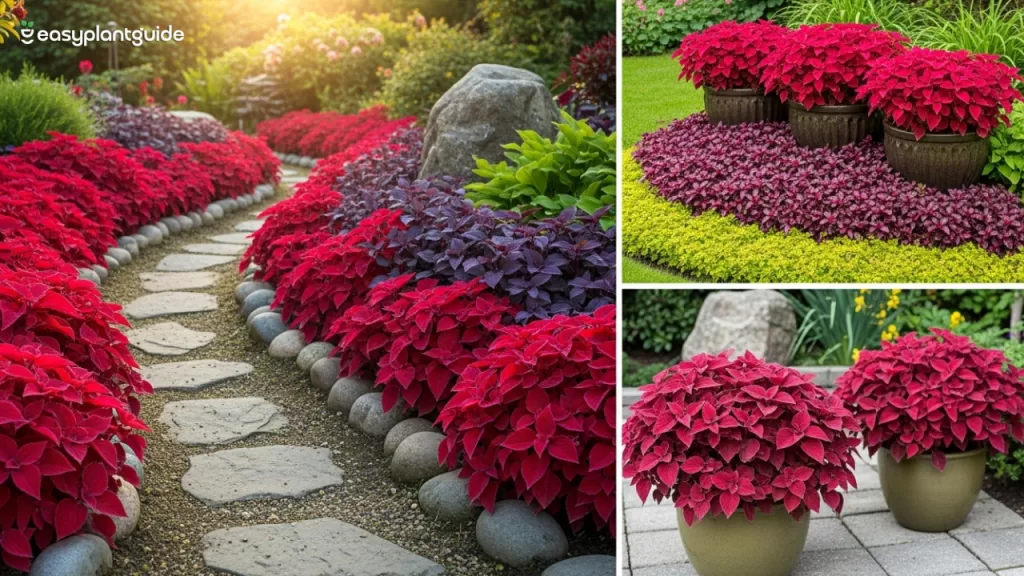
One of the plant’s biggest strengths is its aesthetic versatility.
- Create colorful borders
- Pair with green foliage plants
- Use as a carpet plant
- Contrast with tall flowering plants
- Add to tropical-themed gardens
Indoor Care for Alternanthera Houseplants
Although Alternanthera plant is primarily an outdoor plant, it can thrive indoors when given the right care. Place it near a sunny window where it can receive bright, indirect light to maintain its vibrant foliage. Keep humidity at a moderate level, and avoid exposing the plant to cold drafts from air conditioning or windows, which can stress it. Use a lightweight, well-draining potting mix to prevent waterlogging, and prune regularly to maintain its shape and encourage bushier growth. With these simple steps, your indoor Alternanthera can flourish just as beautifully as it does outdoors.
Final Tips for Growing a Thriving Alternanthera Garden
- Provide plenty of bright light to enhance leaf color.
- Maintain warm temperatures and moderate humidity.
- Water consistently, keeping the soil slightly moist but not soggy.
- Prune regularly to encourage bushier, fuller growth.
- Use well-draining soil and feed occasionally for vibrant foliage.
Conclusion
The Alternanthera plant is truly a garden transformer. Whether you’re a beginner or an experienced gardener, this vibrant foliage plant adds life, color, and personality to any space. With the right light, soil, and care, it grows fast, stays healthy, and becomes a standout feature in your garden or landscape design. If you’re ready to elevate your plant collection, Alternanthera is the perfect choice—bold, beautiful, and surprisingly easy to grow.
Explore more plant blogs and grow your green journey with us.