
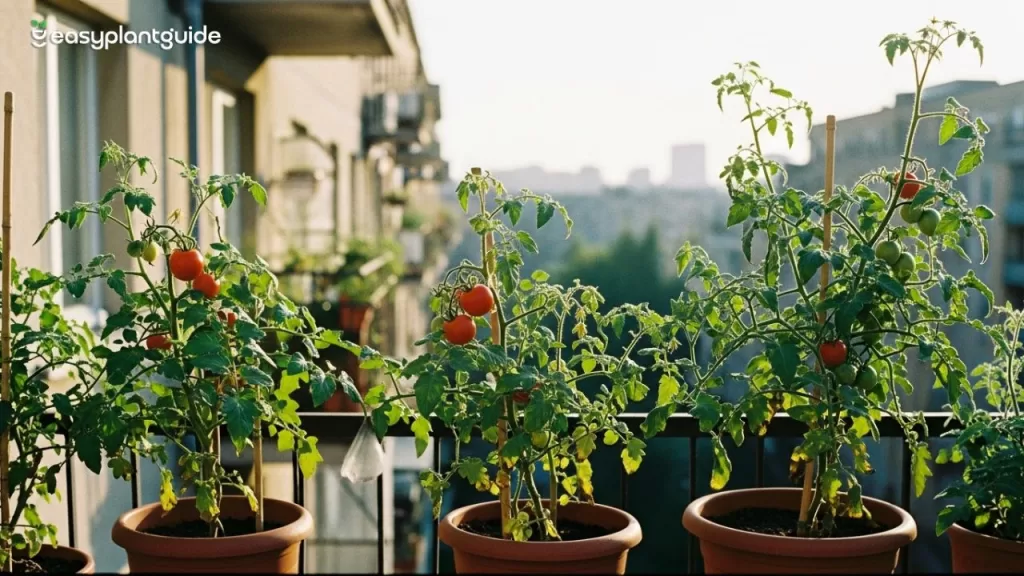
Growing tomato plants balcony is one of the most rewarding and exciting gardening experiences you can enjoy, especially if you’re someone who loves the idea of harvesting homegrown produce right outside your door. The beauty of growing tomatoes in balcony containers is that you don’t need a huge backyard or professional gardening skills to succeed. All you really need is the right setup, proper sunlight, quality soil, consistent watering, and thoughtful care.
With these elements combined, even the smallest balcony can transform into a productive mini garden filled with vibrant greenery and delicious tomatoes. As you embark on this journey, you’ll notice how gardening instantly adds peace, purpose, and satisfaction to your daily life, all while giving you fresh vegetables you can proudly say you grew yourself.
Why Tomato Plants Grow Exceptionally Well on Balconies
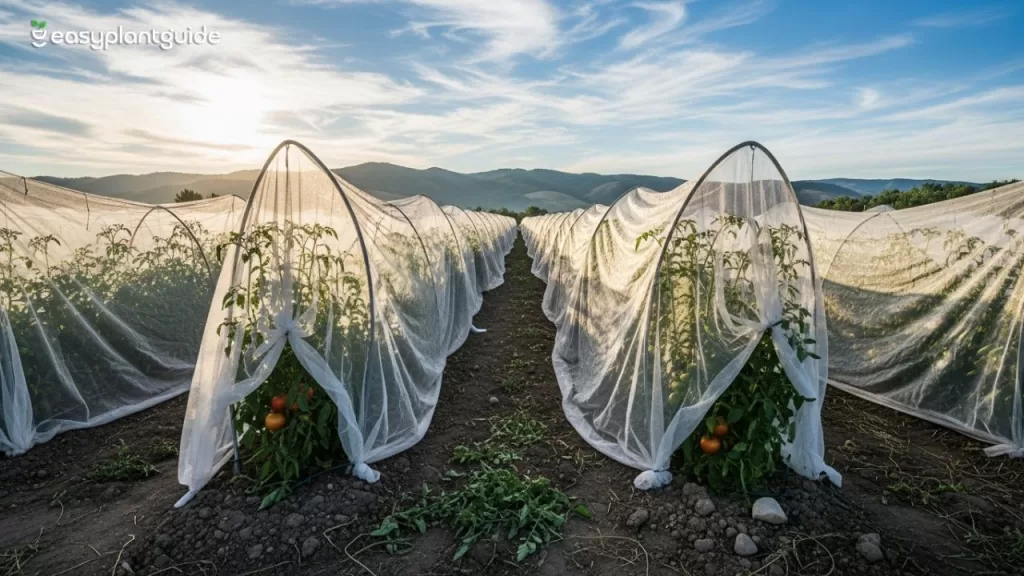
Tomato plants naturally love warm environments, direct sunshine, and gentle airflow, all of which balconies tend to provide effortlessly. While many people assume that tomato plants require large garden beds to thrive, the truth is that tomatoes adapt very well to container gardening when placed in the right conditions. The elevated height of balconies protects the plants from pests often found in ground-level gardens, and containers give you more control over soil quality, watering patterns, and drainage.
This means your tomato plants balcony get a stable, controlled environment that supports healthy root development and generous fruit production. When you combine the natural warmth of a balcony setting with the convenience of container management, you end up with an ideal microclimate that encourages steady plant growth and productivity.
Choosing the Best Tomato Varieties for Balcony Gardening
Selecting the right tomato variety is one of the most important steps in your balcony gardening journey. Since balcony spaces are typically smaller and more contained, it helps to choose compact, fast-growing varieties that don’t require excessive space or sprawling vines. Many tomatoes are bred specifically for container gardening and balcony environments, offering excellent yield even in limited spaces. Choosing wisely ensures that your plants have enough room to grow comfortably, get proper air circulation, and produce fruit without overwhelming the area or becoming difficult to manage. Keeping plant behavior and space limitations in mind allows you to pick varieties that match your balcony conditions and gardening goals.
Top Balcony-Friendly Tomato Varieties
- Dwarf tomato plants
- Cherry and grape tomato types
- Patio hybrid tomatoes
- Determinate compact varieties
- Small Roma tomatoes
These varieties stay manageable, grow beautifully in containers, and tend to produce fruit earlier than larger types.
Essential Supplies You Need Before Planting Tomatoes
Before you begin growing tomato plants balcony, it’s important to collect all the basic supplies so you can create an ideal growing environment. Containers, soil, fertilizers, support structures, and watering tools are all fundamental to success. Having everything prepared helps you avoid unnecessary stress and makes the gardening process smooth and enjoyable. The right tools not only make the job easier but also directly influence your tomatoes’ ability to grow vigorously and produce abundant fruit. It’s similar to building a strong foundation for a house—once the base is right, everything else falls into place naturally.
Must-Have Balcony Gardening Items
- Large pots (minimum 5 gallons)
- High-quality potting mix
- Liquid or slow-release fertilizer
- Tomato cages or stakes
- A watering can or small drip irrigation system
The Ideal Container Size for Balcony Tomato Plants
Container size plays a crucial role in the overall health and productivity of balcony-grown tomatoes. Tomato plants balcony develop deep root systems, and giving those roots enough room to expand is essential for strong growth. If a container is too small, the plant becomes root-bound, resulting in stunted growth, fewer blossoms, and fewer tomatoes. Larger containers also retain moisture more effectively and help prevent rapid drying, which can be a challenge in sun-exposed balconies. Choosing the right pot size ensures your tomatoes develop a robust structure capable of supporting heavy fruiting throughout the season.
Container Size Chart for Balcony Tomatoes
| Tomato Type | Minimum Pot Size | Ideal Depth | Notes |
| Cherry Tomatoes | 3–5 gallons | 12–14 inches | Great for beginners |
| Determinate Varieties | 5–7 gallons | 14–16 inches | Compact and manageable |
| Indeterminate Varieties | 10–15 gallons | 16–18 inches | Requires support and regular pruning |
Preparing the Perfect Soil Mix for tomato plants balcony
Creating the right soil mixture is essential because container-grown tomato plants rely entirely on the nutrients you provide. Unlike garden soil, which contains natural microorganisms and worms that enrich the earth, container soil must be carefully blended to supply the ideal balance of drainage, aeration, and nutrition. A well-crafted soil mix improves water retention without becoming soggy, prevents root rot, and encourages strong root growth. Using high-quality soil ensures your plants receive consistent nourishment and remain healthy enough to produce flavorful tomatoes throughout the season. Ideal Soil Mix Ingredients
- Compost for nutrients
- Coco coir or peat moss for moisture balance
- Perlite for improved drainage
- Slow-release fertilizer pellets
- Additional organic amendments like bone meal
How to Properly Plant Tomato Seedlings on a Balcony
Planting tomato plants balcony seedlings correctly gives them the strong start they need to grow into productive, fruit-bearing plants. One of the most effective methods is planting them deep so that part of the stem is buried, allowing new roots to grow from the buried stem area. This creates a sturdier foundation for the plant, enabling it to support heavier fruit clusters later on. Proper planting also helps reduce transplant shock, allowing the tomato plant to adapt quickly to its new container and balcony environment. Giving extra attention during planting pays off significantly during the growing season. Step-by-Step Planting Guide
- Fill your container halfway with potting mix.
- Remove the lower leaves from the seedling.
- Plant the seedling deeply, allowing two-thirds of the stem to sit below the soil line.
- Add more soil around the stem and pack gently.
- Water the plant thoroughly to settle the soil.
Sunlight Requirements for Tomato Plants on Balconies
Tomatoes are sun-loving plants that thrive in bright, warm conditions. When grown on a balcony, they need at least six to eight hours of direct sunlight daily to produce sweet, flavorful fruit. The sunlight triggers photosynthesis, allowing the plant to convert energy into growth and fruit production. If your balcony faces south or west, you already have an excellent sun exposure advantage. For shaded balconies, choosing shade-tolerant varieties or adding reflective surfaces can make a big difference. Giving your tomatoes the right light ensures steady growth and vibrant fruit development. Sunlight Tips for Better Growth
- Aim for 6–8 hours of direct sunlight each day.
- Use reflective surfaces to increase available light.
- South or west-facing balconies give the best exposure.
- Rotate pots periodically for even growth.
- Choose cherry tomatoes for partial-sun balconies.
Watering Tomato Plants Correctly on a Balcony
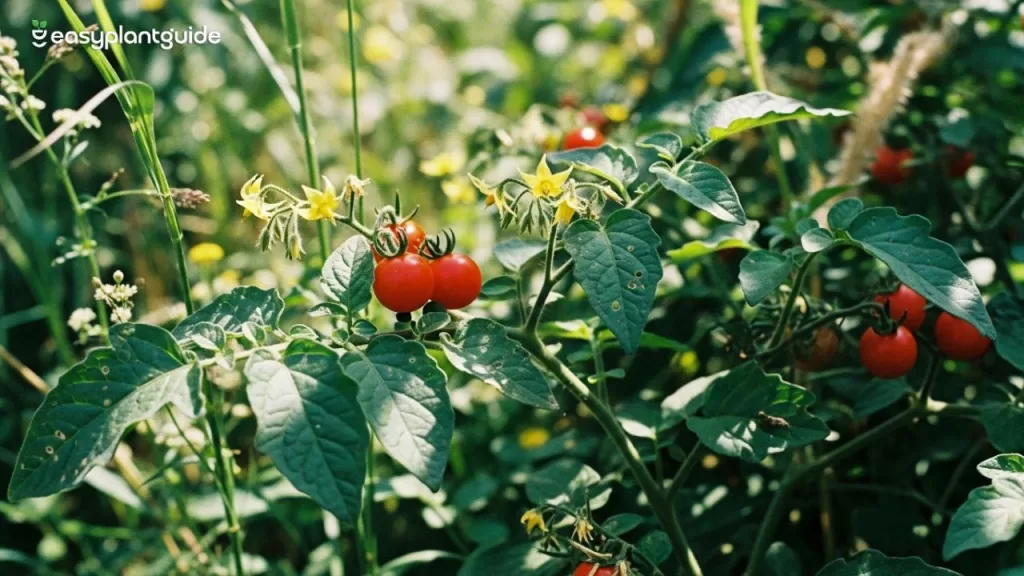
Watering tomato plants balcony can be tricky because containers tend to dry out faster than garden beds. Too much water leads to root rot, while too little causes wilting and poor fruit development. The goal is to keep the soil consistently moist without flooding it. Deep watering encourages roots to grow downward, making the plant stronger and more resilient. Using mulch or placing containers in shaded areas during extreme heat can also help maintain steady moisture levels. Smart Watering Tips
- Water deeply once the top inch of soil feels dry.
- Avoid wetting the leaves to reduce disease risk.
- Use mulch to retain moisture.
- Install a self-watering container for convenience.
- Adjust watering during heatwaves or windy days.
Fertilizing Balcony Tomatoes for Maximum Harvest
Feeding your tomato plants balcony regularly ensures they have the nutrients needed for flower and fruit production. Since container soil loses nutrients faster than garden soil, consistent fertilization is essential. Using a balanced fertilizer during early growth and switching to a phosphorus-rich formula during flowering gives your tomato plants the support they need to push out more blossoms and larger, juicier fruit. Regular feeding leads to stronger stems, greener leaves, and a more productive plant. Effective Fertilization Routine
- Use balanced fertilizer during early plant growth stages.
- Apply phosphorus-rich fertilizer once flowering begins.
- Fertilize every 10–14 days for best results.
- Avoid excess nitrogen to prevent leafy overgrowth.
- Add liquid seaweed for additional micronutrients.
Supporting tomato plants balcony with Cages and Stakes
Tomato plants balcony naturally grow tall, and many varieties produce heavy clusters of fruit that require support. Without support, the plant can bend, break, or become stressed. Using cages, stakes, or trellises on your balcony ensures your tomato plants balcony maintains proper structure throughout the season. Good support also improves airflow, reducing the chances of fungal problems. Investing in proper support methods helps maintain a healthy plant and ensures your tomatoes ripen evenly and remain easy to harvest. Best Support Options for Balcony Tomatoes
- Sturdy tomato cages
- Bamboo stakes
- Vertical trellises
- Wall-mounted hooks
- Twine or string systems
Pruning and Routine Maintenance of tomato plants balcony
Pruning helps manage your tomato plants balcony growth and directs more energy toward fruiting. By removing unnecessary suckers and yellowing leaves, you help improve air circulation and sunlight penetration. This reduces the risk of diseases and ensures the plant maintains a healthy, productive structure. Regular maintenance also includes checking for pests, adjusting supports, and keeping the soil surface clean. The more routine care you provide, the better your tomato plants will perform on your balcony. Pruning and Care Tips
- Remove unnecessary suckers regularly.
- Cut off yellow or diseased leaves.
- Keep the balcony area clean.
- Monitor for pests weekly.
- Prune during dry weather.
Common tomato plants balcony Problems and Simple Fixes
Balcony gardening comes with unique challenges such as strong winds, limited space, and fluctuating temperatures. Tomato plants balcony may face issues like blossom end rot, pest infestations, sunscald, and irregular watering problems. Fortunately, most of these issues are easy to manage once identified early. Solving small problems quickly prevents them from turning into major obstacles that affect your harvest. Keeping an eye on your plants and taking preventive steps ensures they remain healthy and productive throughout the season.
Common Issues You Might Face
- Blossom end rot
- Aphids and whiteflies
- Sunscald of fruits
- Overwatering and root rot
- Lack of pollination
Easy Fixes for Fast Recovery
- Add calcium to prevent blossom end rot.
- Use neem oil sprays to manage pests.
- Provide shade during extreme heat.
- Improve drainage to avoid root rot.
- Gently shake plants to enhance pollination.
Harvesting Balcony-Grown Tomatoes the Right Way
Harvesting tomatoes is the most exciting part of balcony gardening. Knowing exactly when to pick the fruit ensures the best flavor, texture, and sweetness. Tomatoes should be harvested when they are fully colored and slightly firm but not hard. Picking fruit regularly encourages the plant to keep producing more. Keeping harvested tomatoes at room temperature also allows them to maintain their rich flavor. With proper harvesting techniques, you’ll enjoy a continuous supply of fresh tomatoes from your balcony garden throughout the growing season.
Harvesting Tips for Best Flavor
- Pick tomatoes when fully colored.
- Twist gently to remove them from the stem.
- Harvest often to encourage more fruiting.
- Ripen slightly pale tomatoes indoors.
- Avoid refrigerating freshly picked tomatoes.
Space-Saving Layout Ideas for tomato plants balcony
Balcony gardening often requires creativity because space is usually limited. Using vertical space, corners, and railing areas helps you grow more plants without crowding the space. With smart layout ideas, you can enjoy a lush balcony garden that looks beautiful and functions efficiently. Creative arrangements not only maximize growing space but also improve airflow and accessibility. When your balcony is well organized, caring for your tomato plants balcony becomes easier and more enjoyable.
Smart Balcony Layout Techniques
- Install vertical plant racks
- Use hanging planters
- Arrange containers in sunny corners
- Add multi-tier shelves
- Use railing-mounted pots
Final Tips for Successful tomato plants balcony Gardening
Success with tomato plants balcony comes down to patience, observation, and consistent care. While tomatoes are relatively easy to grow, they depend on your attention to watering, sunlight, pruning, and overall maintenance. Creating a routine helps you stay on track and ensures your tomatoes stay healthy throughout the season. The more you understand your plants’ needs, the easier it becomes to adjust your care strategies. With time and practice, balcony gardening becomes second nature, and your tomato harvest will be abundant and delicious.
Practical Final Advice
- Experiment with different container sizes and varieties.
- Monitor plants frequently for early signs of problems.
- Adjust watering schedules based on weather conditions.
- Start with high-quality seeds or seedlings.
- Keep your gardening routine simple and enjoyable.
Conclusion
Growing tomato plants balcony is a wonderfully rewarding experience, offering not only fresh, delicious harvests but also a deeper connection with nature. With the right containers, soil mix, sunlight exposure, and care techniques, even the smallest balcony can become a thriving tomato garden. Each step—from planting to harvesting—brings new learning opportunities and a sense of accomplishment. Whether you’re a beginner or someone looking to enhance your gardening skills, tomato plants balcony growing opens the door to sustainable living and daily satisfaction. Enjoy your gardening journey, and may your balcony be filled with vibrant plants and flavorful tomatoes.
Check out other Blogs on Plants.