
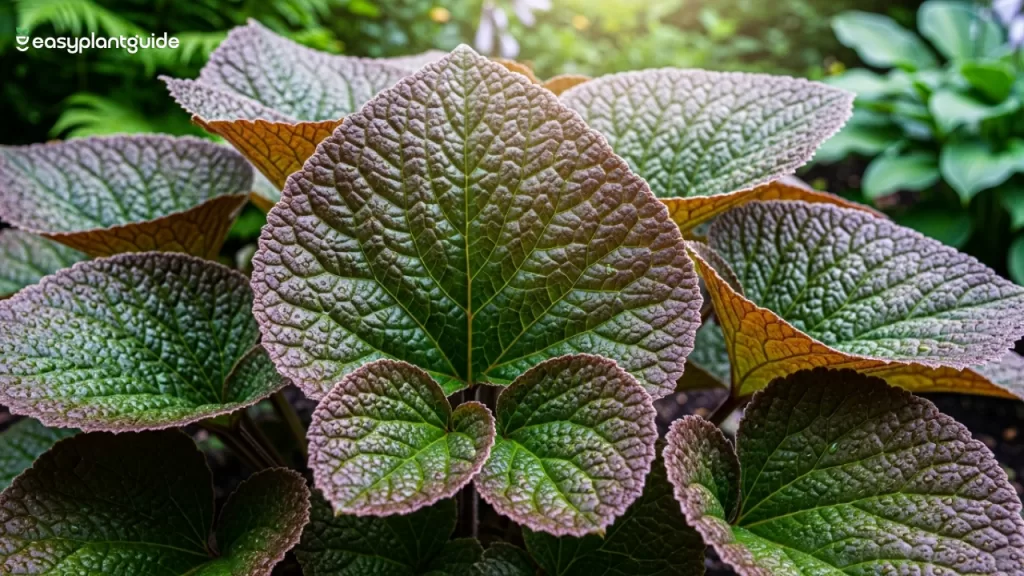
If you’re looking for a plant that brings dramatic foliage, bold colors, and a unique texture to your garden, the Ligularia Othello plant might just be your next favorite perennial. With its large, heart-shaped leaves and striking bronze tones, this plant instantly elevates any shady or woodland garden. In this guide, you’ll learn everything from planting and care to troubleshooting and design tips—all in a friendly, easy-to-follow way.
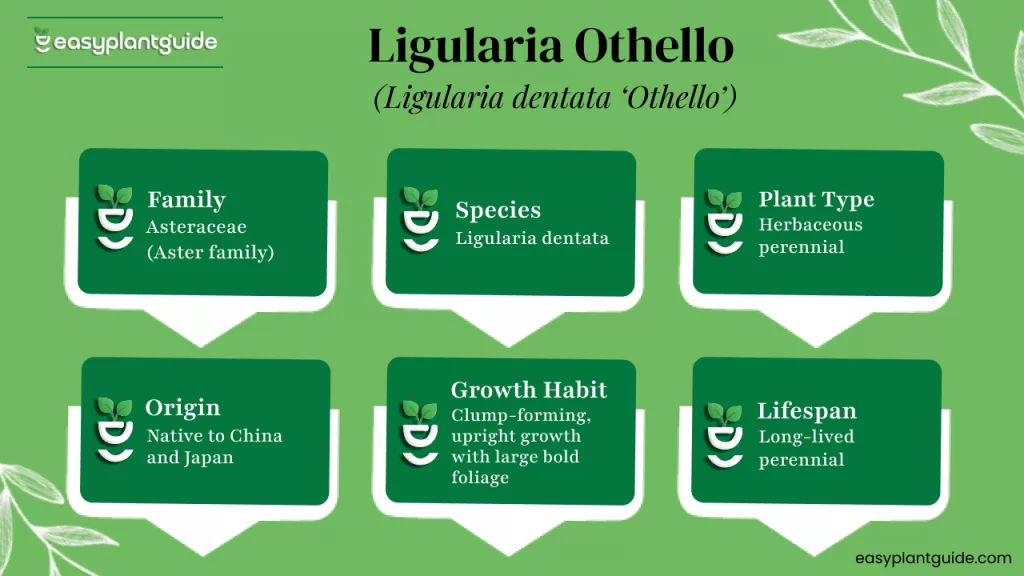
What Is the Ligularia Othello Plant?
The Ligularia Othello plant is a striking, moisture-loving perennial prized for its dramatic foliage and vibrant summer blooms. Its large, heart-shaped leaves emerge with deep purple or bronze tones in spring, gradually turning rich green on top while retaining a purplish underside. In mid to late summer, the plant sends up tall spikes of bright yellow, daisy-like flowers that create a bold contrast against the dark leaves.
Thriving naturally in cool, shaded, woodland-like environments, the Ligularia Othello is a favorite for gardeners who want to add texture, color, and a lush, tropical feel to their shade gardens. Its impressive size and unique coloring help it stand out effortlessly, making it a true focal point in any landscape.
Why Gardeners Love the Ligularia Othello
The Ligularia Othello plant wins the hearts of gardeners for many reasons. Its highly ornamental appearance, with large, dark-toned leaves and vibrant yellow flowers, makes it a striking addition to any garden. It thrives in shaded areas, making it perfect for shade gardens or woodland corners. Beyond its beauty, it adds drama and texture to garden designs without demanding constant care. This perennial is relatively low-maintenance, long-living, and hardy, making it a reliable choice for both novice and experienced gardeners alike.
Best Growing Conditions for Ligularia Othello
Light Requirements
The Ligularia Othello plant thrives in partial to full shade, making it perfect for woodland gardens, shaded borders, or spots with dappled sunlight. While it can tolerate a little morning sun, prolonged exposure to harsh afternoon rays can cause leaf scorch, turning the dramatic foliage brown and wilted. Keeping it in cooler, shaded areas ensures the leaves stay lush, vibrant, and healthy throughout the growing season.
Temperature & Climate
This plant prefers cooler climates and does well in USDA hardiness zones 4–8, where it can tolerate cold winters and mild summers. It doesn’t perform well in extremely hot or dry conditions, as high temperatures can stress the plant and stunt growth. Maintaining a consistently cool and humid environment helps the Ligularia Othello flourish and produce those bold, striking leaves and bright yellow flowers.
Perfect Soil Type for Healthy Growth
The Ligularia Othello plant thrives in rich, fertile soil that is high in organic matter. It prefers soil that stays moist but is also well-drained, allowing roots to absorb nutrients without becoming waterlogged. Amending your garden soil with compost or organic matter ensures the plant grows lush and strong while maintaining vibrant foliage.
Watering Needs: Keeping It Consistent
This plant absolutely loves moisture, so it’s important to keep the soil evenly damp at all times. Avoid letting it dry out or become soggy—think of it like keeping a sponge moist, not dripping. Consistent watering helps the leaves stay crisp, full, and striking, ensuring the plant remains healthy throughout the growing season.
How to Plant Ligularia Othello
Planting Ligularia Othello is straightforward when you follow a few key steps. Begin by selecting a shaded spot with rich, organic soil. Dig a hole twice the width of the plant’s root ball and carefully place the plant in it. Backfill gently, making sure the roots are well-covered, and water thoroughly to help the plant settle. Proper initial planting sets the stage for healthy growth and bold foliage.
Fertilizing Ligularia Othello the Right Way
For optimal growth, use a slow-release, balanced fertilizer in early spring to provide essential nutrients. Mulching around the plant not only conserves soil moisture but also helps retain nutrients for long-term health. Regular fertilization and mulching encourage vibrant leaves, stronger stems, and abundant yellow blooms during the summer.
Common Problems and Simple Solutions
1. Leaf Scorch
One of the most common issues with the Ligularia Othello plant is leaf scorch. This happens when the plant receives too much direct sunlight or the soil dries out, causing the leaf edges to turn brown and crispy. Providing partial to full shade and keeping the soil consistently moist usually prevents this problem.
2. Wilting
Wilting can occur if the plant isn’t receiving enough water, as its large leaves lose moisture quickly. Regular and even watering, combined with mulching to retain soil moisture, helps the plant stay healthy and turgid throughout the growing season.
3. Pest Damage
Slugs and snails are the primary pests that target Ligularia Othello. They chew holes in the leaves, weakening the plant and affecting its appearance. Using slug traps, natural repellents, or removing debris around the plant can help manage these pests effectively.
4. Fungal Issues
Powdery mildew and root rot may appear if the plant is exposed to excessive moisture or poor drainage. Ensuring proper spacing for airflow, watering at the soil level, and using well-drained soil reduces the risk of fungal infections.
5. Quick Solutions
Most problems can be resolved by small adjustments: moving the plant to a shadier spot, maintaining consistent watering, applying slug control methods, improving airflow, and avoiding waterlogged soil. With proper care, Ligularia Othello can thrive with vibrant foliage and stunning yellow blooms.
Pests That Affect Ligularia Othello Plant
This plant may attract slugs, snails, aphids, and caterpillars, which can damage leaves and hinder growth. A natural Neem oil spray works well to control most soft-bodied pests and keeps the foliage healthy. Maintaining clean soil and removing debris around the plant also helps prevent infestations and encourages strong, vibrant growth.
Diseases to Watch Out For
While the Ligularia Othello plant is generally hardy, it can sometimes be affected by a few common diseases. Keeping an eye out and maintaining proper care can prevent most problems:
- Fungal Root Problems: Overly wet or poorly drained soil can lead to root rot and other fungal issues. Planting in well-drained soil and avoiding waterlogged conditions keeps roots healthy and strong.
- Mildew: Powdery or downy mildew can appear on the leaves, especially in humid conditions or when airflow is poor. Regularly spacing plants and ensuring good ventilation helps reduce this risk.
- Leaf Spot: Small brown or black spots may develop on leaves due to fungal infections. Removing affected foliage and avoiding overhead watering can help control leaf spot.
Companion Plants That Enhance Its Beauty
Pairing the Ligularia Othello plant with other shade-loving plants can create a lush, textured garden that highlights its dramatic foliage. Consider the following companions:
- Hellebores: Early-blooming hellebores provide color and interest in late winter to early spring, bridging the gap until Ligularia’s summer blooms.
- Hostas: Their broad, variegated leaves contrast beautifully with the dark bronze-green foliage of Ligularia Othello, adding depth to shaded garden areas.
- Ferns: The delicate, feathery fronds of ferns complement the bold, heart-shaped leaves of Ligularia, creating a natural woodland feel.
- Astilbe: With their soft, plume-like flowers, astilbes add a splash of color and height, balancing the dense foliage of Ligularia.
- Japanese Forest Grass: The fine, flowing texture of this grass pairs well with the boldness of Ligularia leaves, adding movement and contrast.
Care Summary for Ligularia Othello
| Feature | Requirement | Notes |
|---|---|---|
| Light | Partial–Full Shade | Avoid harsh sun |
| Water | High moisture | Never let soil dry out |
| Soil | Rich, organic | Add compost |
| Bloom Time | Mid–Late Summer | Yellow flowers |
| Hardiness | Zones 4–8 | Cold tolerant |
5 Smart Tips for Faster, Stronger Growth
- Maintain consistent moisture: The Ligularia Othello thrives in evenly damp soil, so water regularly to prevent the leaves from wilting and ensure healthy, vibrant growth.
- Apply compost annually: Adding compost each year enriches the soil with nutrients, promotes strong root development, and supports lush foliage.
- Keep plant in deep shade: Providing ample shade protects the leaves from scorching and helps maintain the plant’s dramatic dark foliage.
- Mulch heavily: Mulching conserves soil moisture, regulates temperature, and reduces weed growth, creating an ideal environment for this moisture-loving perennial.
- Divide every few years: Dividing mature clumps helps rejuvenate the plant, encourages more vigorous growth, and prevents overcrowding in the garden.
5 Design Ideas for Using Ligularia Othello

- Add to woodland gardens
- Line shady walkways
- Use in boggy corners
- Plant near water features
- Mix with bold-textured plants
5 Mistakes to Avoid with Ligularia Othello
- Planting in full sun: Exposing Ligularia Othello plant to direct sunlight can scorch its leaves, causing browning and wilting. Always choose partial to full shade for best results.
- Allowing soil to dry: This moisture-loving plant needs consistently damp soil. Letting it dry out can lead to drooping leaves and stunted growth.
- Ignoring pest problems: Slugs, snails, and other pests can damage foliage if left unchecked. Regular inspection and control methods are essential to maintain healthy plants.
- Overcrowding plants: Planting too close to other perennials can reduce airflow and increase the risk of fungal diseases. Provide adequate spacing for optimal growth.
- Using sandy soil: Sandy or poor-quality soil drains too quickly and cannot retain enough moisture or nutrients. Rich, organic, well-draining soil is ideal for vibrant growth.
How to Propagate Ligularia Othello Plant
Propagating the Ligularia Othello plant is simple using the division method, best done in early spring. Begin by carefully lifting the plant from the soil, then gently separate the root sections into smaller clumps. Replant each section immediately in prepared, rich, and moist soil, making sure the roots are well-covered. Finally, water thoroughly to help the divisions establish and encourage healthy new growth.
Winter Care Tips
Although the Ligularia Othello plant is hardy and can tolerate cold temperatures, it benefits from some extra protection during harsh winters. Applying a thick layer of mulch around the base of the plant helps insulate the roots, preventing them from freezing and ensuring they remain healthy. In addition to mulching, you can remove any dead or damaged leaves to reduce the risk of disease over winter. For extremely cold climates, covering the plant with garden fabric or straw provides additional protection, helping it emerge strong and vibrant when spring arrives. Regular winter care ensures your Ligularia Othello continues to thrive year after year.
Conclusion
The Ligularia Othello plant is truly a standout in any shaded garden, offering bold texture, dramatic color, and a touch of elegance that elevates garden design. With its large, heart-shaped foliage and vibrant yellow blooms, it creates a striking focal point that captures attention throughout the growing season. By providing the right combination of rich soil, consistent moisture, and ample shade, gardeners can enjoy lush, healthy growth year after year. Whether you’re designing a tranquil woodland corner, enhancing a shaded border, or simply adding a unique statement plant, Ligularia Othello proves itself as a reliable, low-maintenance perennial that combines beauty, durability, and versatility in one spectacular package.
Explore more plant blogs and grow your green journey with us.