
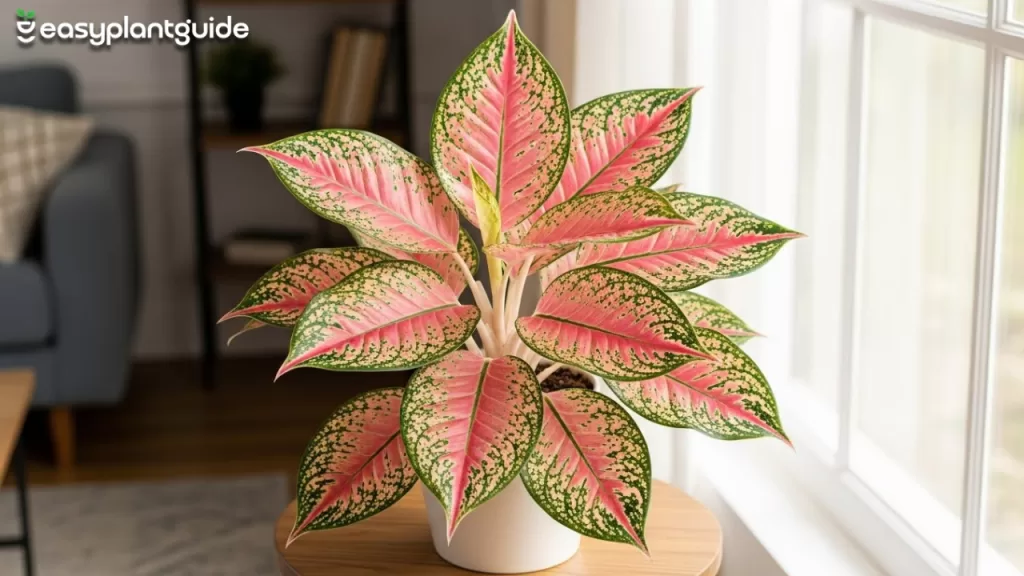
The Aglaonema Butterfly is one of the most beautiful indoor plants admired for its delicate green leaves with soft cream or light pink veins. As part of the Chinese evergreen family, this plant is cherished by beginners and experts alike because it grows well in nearly any indoor environment. The Aglaonema combines aesthetic appeal with effortless maintenance, making it a perfect choice for homes and offices. It also improves indoor air quality naturally. Growing this plant adds elegance and health benefits to any space.
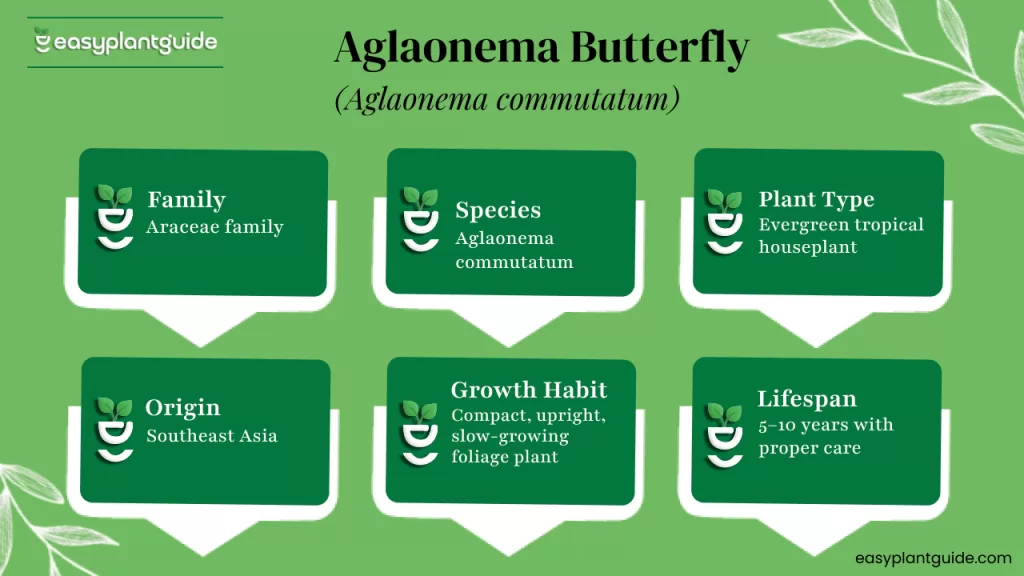
The Aglaonema Butterfly stands out as a versatile indoor plant that brings life and color to any setting. Its soft, patterned leaves create a calming atmosphere, making it ideal for living rooms, workspaces, and study areas. This plant adapts easily to different light and humidity levels, allowing it to remain lush even in less-than-ideal conditions. Because the Aglaonema Butterfly requires minimal care, it suits busy individuals who want beauty without constant attention. Its graceful appearance makes it a timeless décor choice.
Origin and History of Aglaonema Butterfly
The Aglaonema Butterfly originates from the tropical regions of Southeast Asia, where it naturally grows under forest canopies. These shaded, humid environments shaped the plant’s ability to thrive in low-light indoor spaces today. Over the years, plant breeders developed unique Aglaonema varieties, and Aglaonema Butterfly became popular for its soft leaf patterns and strong adaptability. Its calming appearance and resilient nature helped it gain widespread popularity among plant lovers worldwide, especially those seeking low-maintenance ornamental plants with unique foliage.
Why Aglaonema Butterfly Is Popular?
The Aglaonema Butterfly is popular because it combines beauty, durability, and simplicity. Its variegated leaves add instant charm to any room, making it ideal for interior decoration. In addition, the Aglaonema Butterfly can survive neglect, low light, and occasional watering delays, making it perfect for beginners. Many people choose this plant because it brings a touch of nature indoors without requiring demanding care. Whether placed on desks, shelves, or corners, it remains lush and attractive throughout the year.
Ideal Light Conditions for Aglaonema Butterfly
The Aglaonema thrives in indirect or medium light, making it suitable for rooms that don’t receive full sunlight. Bright but filtered light keeps its leaf colors vibrant. Direct sunlight should be avoided because it can burn the delicate leaves. If placed in low light, the Aglaonema will still survive, though its growth may slow slightly. A spot near a window with soft morning light is ideal. This flexibility makes the plant perfect for apartments, offices, and shaded indoor corners.
Watering Needs of Aglaonema
1. Ideal Moisture Levels for Consistent Growth
The Aglaonema Butterfly thrives when its soil maintains a slightly moist but not soggy texture. Allowing the top layer of soil to dry before watering prevents root rot and keeps the plant stable. Using your finger to check moisture depth is a simple and effective method to avoid overwatering. Consistent monitoring creates a balanced moisture environment that supports healthy root development and vibrant leaf coloration. This approach ensures your Aglaonema Butterfly stays resilient and grows steadily.
2. Preventing Overwatering and Root Rot
Overwatering is the most common issue faced by Aglaonema owners, often leading to dangerous root rot. To prevent this, always let the upper inches of soil dry before the next watering session. Avoid leaving the plant sitting in water-filled trays, as excess moisture suffocates the roots. Regularly checking the soil helps you maintain the proper wet-to-dry cycle. A mindful approach to watering keeps the plant’s root system strong, allowing the foliage to remain lush and colorful.
3. Seasonal Watering Adjustments for Better Health
The Aglaonema requires different watering frequencies depending on the season. During warmer months, the soil dries faster, so the plant benefits from slightly more frequent watering. However, in winter, its growth slows down, and overwatering becomes a bigger risk, so hydration should be reduced. Observing how quickly the soil loses moisture helps create the right schedule. Seasonal adjustments ensure the plant receives enough water to support growth without stressing the roots.
4. Benefits of Light Misting in Dry Conditions
Occasional misting can benefit the Aglaonema Butterfly, especially in homes with dry indoor air. Light misting increases humidity around the plant, keeping its leaves hydrated and reducing brown edges. However, misting should complement watering, not replace it, and the foliage should never stay soaked for long periods. Providing gentle humidity boosts the plant’s natural shine and vibrancy. This practice is particularly helpful during winter when heaters make the indoor environment unusually dry.
5. Creating a Balanced Watering Routine
A well-balanced watering routine is essential to keeping the Aglaonema Butterfly fresh, healthy, and vibrant throughout the year. This routine involves monitoring soil moisture, adjusting watering frequency seasonally, and avoiding excessive saturation. Consistency helps the plant adapt to its environment and develop a strong root system. Including occasional misting enhances humidity without overwhelming the plant. When watering becomes predictable and appropriate, the Aglaonema rewards you with lush foliage and stable growth.
Best Soil Mix for Aglaonema Butterfly
A well-draining soil mix is crucial for the Aglaonema Butterfly because it helps prevent roots from sitting in excess moisture. A perfect combination includes peat moss, perlite, and a bit of coco coir to maintain airflow and retain gentle moisture. This lightweight mix mimics the plant’s natural habitat and supports strong root development. The Aglaonema Butterfly grows best in soil that stays slightly moist but never soggy. Using a high-quality indoor plant potting mix ensures long-term health and lush leaf growth.
Temperature Requirements for Aglaonema Butterfly
The Aglaonema grows well in warm indoor temperatures between 18°C to 27°C, making it perfect for homes and offices. It dislikes cold drafts, sudden temperature drops, and exposure to air conditioners or heaters. Maintaining a stable, warm environment keeps the leaves vibrant and prevents stress. In colder seasons, the Aglaonema Butterfly should be kept away from open windows. Stable temperatures support steady growth and preserve the plant’s natural beauty. Consistent warmth helps this tropical plant flourish throughout the year.
Humidity Needs of Aglaonema Butterfly
Since the Aglaonema comes from tropical regions, it enjoys moderate to high humidity. A humidity level of 50–60% keeps the leaves soft, fresh, and colorful. Homes with dry air may require occasional misting or a nearby humidifier. Placing the Aglaonema Butterfly near other plants also boosts humidity naturally. Bathrooms and kitchens can be great locations because they offer warm, moist air. Adequate humidity prevents brown leaf tips and ensures the plant stays lush and attractive.
Fertilizing Aglaonema Butterfly
Feeding the Aglaonema Butterfly with a balanced liquid fertilizer every four to six weeks during spring and summer encourages healthier growth and richer leaf color. Over-fertilizing should be avoided because it can damage the roots. During winter, the plant enters a slower growth phase, so fertilizer should be reduced or stopped. Choosing a fertilizer designed for indoor foliage plants works best. The Aglaonema Butterfly responds well to gentle feedings, which help maintain its attractive variegation and strong overall health.
Pruning and Maintenance Tips
- Pruning the Aglaonema keeps the plant neat and encourages healthy new growth with minimal effort.
- Always remove yellow or damaged leaves using clean, sharp scissors to maintain overall plant health and prevent stress.
- Dust the leaves weekly to keep them shiny, improve photosynthesis, and help the plant breathe better.
- Since the Aglaonema grows slowly, only light and occasional pruning is required to maintain its shape.
- Rotate the pot regularly to ensure even light exposure, promoting balanced growth and a fresh, vibrant appearance.
Common Problems and Solutions
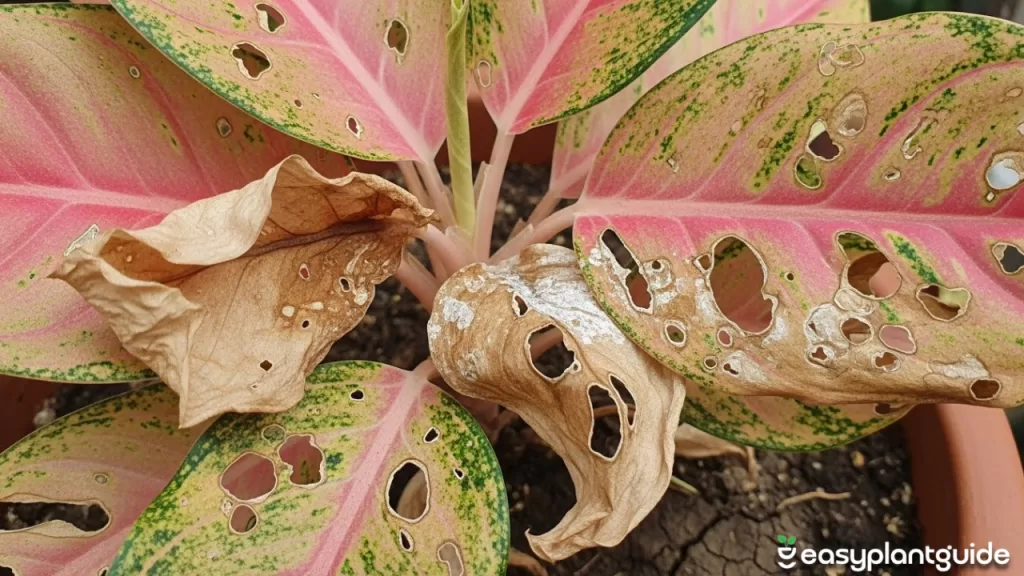
Though the Aglaonema is easy to maintain, it can occasionally face issues such as yellow leaves, root rot, or pest infestation. Yellow leaves often mean overwatering. Curling leaves may indicate low humidity or cold air exposure. Pests like mealybugs can be treated with neem oil spray. Ensuring proper light, water, and temperature quickly resolves most issues. With timely care, the Aglaonema remains strong and healthy, proving why it’s ideal for beginners.
Propagation Methods
Propagating the Aglaonema is simple and rewarding. Stem cuttings are the most common method. Choose a healthy stem, cut below a node, and place it in water or moist soil. Roots begin forming within a few weeks. Division is another method where mature plants are gently separated into smaller clumps. Both techniques produce new Aglaonema plants that share the same attractive variegation. Propagation is an easy way to expand your indoor plant collection or share plants with friends.
Potting and Repotting Guide
The Aglaonema should be repotted every 2–3 years or when roots start growing out of the drainage holes. A slightly larger pot helps the plant grow steadily without overwhelming the root system. Fresh, well-draining soil keeps the plant healthy. Repotting also allows you to inspect roots for rot or pests. The Aglaonema adapts quickly to new pots and continues growing with vibrant foliage. Repotting rejuvenates the plant and encourages fresh, strong growth.
Benefits of Having Aglaonema Butterfly Indoors
The Aglaonema Butterfly not only beautifies interiors but also improves air quality by filtering pollutants. Its calm, soothing appearance helps reduce stress and creates a peaceful indoor atmosphere. People choose the Aglaonema for bedrooms, offices, and lounges because it brings natural charm with little maintenance. The plant’s resilience makes it a long-term indoor companion. Its visually appealing leaves lift the mood and enhance the interior décor effortlessly.
Final Thoughts
The Aglaonema Butterfly is the perfect indoor plant for anyone seeking beauty, simplicity, and reliability. Its unique patterned leaves, easy-care nature, and adaptability make it a favorite among plant lovers. Whether you’re a beginner or an experienced gardener, the Aglaonema fits effortlessly into any indoor setting. By providing it with suitable light, moderate water, and occasional feeding, you’ll enjoy a healthy, vibrant plant all year. Bringing the Aglaonema into your home adds elegance and natural freshness.
Checkout for more green blogs here.