
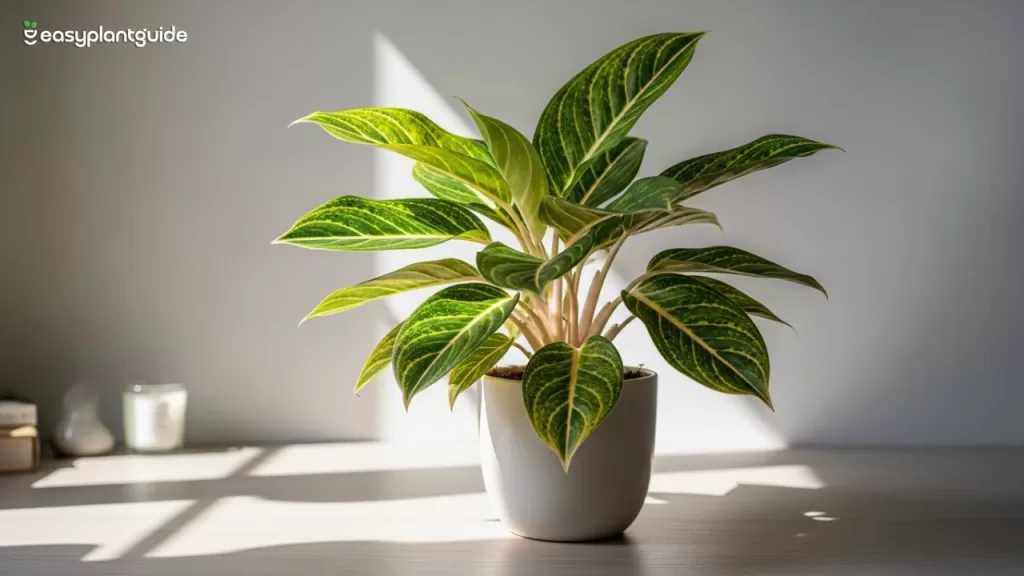
If you’re looking for a plant that thrives with minimal fuss yet rewards you with lush, patterned leaves, Aglaonema is the gem you’ve been waiting to understand. This guide unpacks everything you need to know about Aglaonema care so you can grow a thriving indoor beauty without stress.
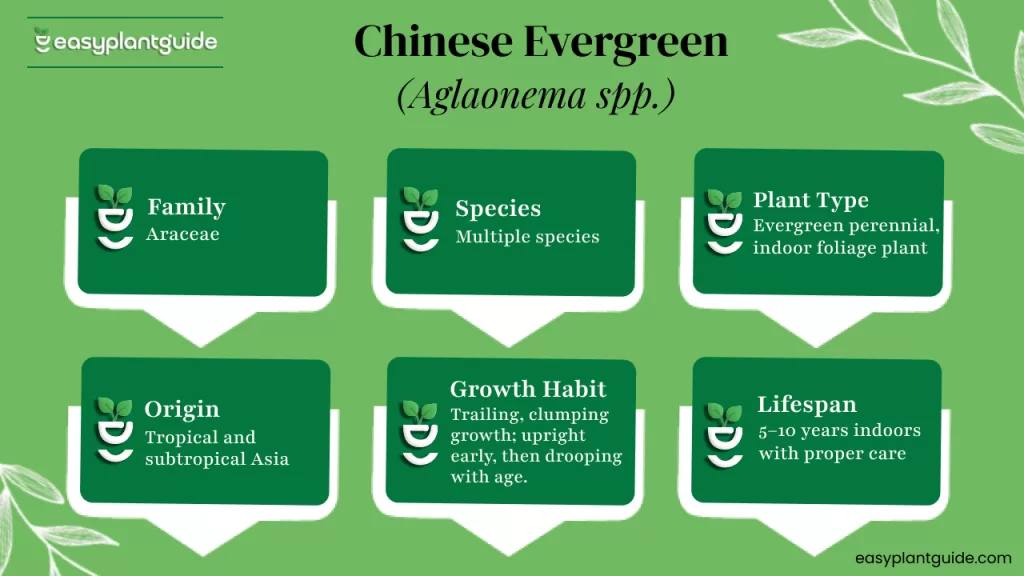
What Makes Aglaonema a Perfect Indoor Plant?
Aglaonema, commonly called Chinese Evergreen, is a favorite among plant lovers for a reason—it’s incredibly adaptable and resilient. Unlike many houseplants that demand constant attention, Aglaonema thrives in a variety of indoor conditions, making it perfect for both beginners and seasoned plant parents. Its tolerance to low light means you don’t need a sun-drenched window to see it flourish, while its moderate watering needs make it forgiving if you occasionally forget a watering session.
Beyond being easy to care for, Aglaonema is also visually striking. Its vibrant, patterned leaves come in shades of green, silver, pink, and red, adding a pop of color to any room. It grows in a compact, bushy form, which works beautifully for tabletops, shelves, or corners, turning plain spaces into lush, inviting spots. On top of that, Aglaonema is known for improving indoor air quality, removing toxins like formaldehyde and benzene from the air, so it’s not just a decorative choice—it’s a healthier one too.
Light Requirements for Aglaonema
Aglaonema doesn’t demand bright light to survive, making it a perfect companion for low-light rooms.
Best Lighting Conditions
- Thrives in medium to low indirect light
- Avoids harsh, direct sunlight
- Survives well in artificial indoor lighting
- Variegated varieties prefer brighter indirect light
- Dark green varieties perform better in shade
Signs of Poor Lighting
- Washed-out leaves
- Slow growth
- Leggy or stretched stems
- Pale new leaves
- Loss of leaf variegation
Watering Your Aglaonema the Right Way
Watering is where most plant parents struggle, but Aglaonema forgives occasional mistakes.
How Often to Water
- Water when the top 2 inches of soil dries
- Reduce watering during colder months
- Use room-temperature water
- Avoid waterlogged soil
- Always empty saucers after watering
Overwatering Warning Signs
- Yellowing leaves
- Mushy stems
- Browning leaf edges
- Foul-smelling soil
- Drooping despite wet soil
Ideal Soil Mix for Aglaonema
Aglaonema thrives in airy, well-draining soil that keeps its roots healthy and prevents root rot. The ideal soil mix combines peat moss, perlite, and coco coir, creating a balance that retains some moisture without becoming waterlogged. Adding orchid bark improves aeration, ensuring the roots get enough oxygen, while a small amount of compost provides essential nutrients for steady, vibrant growth. Using this mix helps your plant develop strong roots and lush foliage, making it more resilient to indoor conditions.
Temperature and Humidity Needs
Aglaonema is a tropical plant, so it loves warm, stable conditions. It grows best in temperatures ranging from 65 to 80°F (18–27°C) and thrives in moderate to high humidity levels of around 60 percent or more. Keep the plant away from cold drafts, open windows in winter, or heaters that could dry the air, as sudden changes can stress it. Providing a consistent environment ensures healthy growth, vibrant leaves, and a plant that truly feels at home in your indoor space.
Fertilizing Your Aglaonema
| Fertilizer Type | Frequency | Notes |
|---|---|---|
| Balanced liquid fertilizer | Every 4 weeks | Use during spring and summer |
| Slow-release pellets | Every 3 months | Good for beginners |
| Organic fertilizer | Every 6 weeks | Gentle on roots |
| No fertilizer in winter | None | Plant growth slows |
| Avoid overfeeding | — | Can burn roots |
Common Problems and How to Fix Them
Aglaonema is generally a hardy plant, but like any houseplant, it can face occasional challenges. Practicing proper Aglaonema care helps you recognize problems early and take corrective steps to keep your plant healthy and thriving.
Common Issues
Yellow leaves often result from overwatering or poor drainage, which can stress the roots. Drooping stems may occur due to underwatering, low humidity, or sudden temperature changes. Brown tips usually indicate dry air, inconsistent watering, or over-fertilization. Slow growth can be caused by insufficient light, nutrient-poor soil, or compacted roots. Occasionally, pests like mealybugs, spider mites, or scale insects may appear.
How to Resolve Them
To address these issues, adjust your watering schedule to keep the soil slightly moist without waterlogging, reducing watering in winter when growth slows. Improve lighting by moving your Aglaonema to brighter, indirect light if the leaves appear pale or leggy. Increase humidity by misting the leaves or using a humidifier in dry indoor environments. Repot the plant if the roots are bound, using a slightly larger pot with fresh, well-draining soil. For pest infestations, treat affected areas with insecticidal soap, covering both tops and undersides of leaves, and repeat as needed. Following these Aglaonema care practices ensures your plant stays healthy, vibrant, and thriving indoors.
How to Propagate Aglaonema Easily
Propagation is a great way to expand your plant collection, and with proper Aglaonema care, it’s surprisingly simple. One of the easiest methods is stem cutting. Start by selecting a healthy stem and cutting just below a node. Place the cutting in water or directly into soil, keeping it in bright, indirect light. Within 2 to 4 weeks, roots should begin to form, giving you a new plant ready to thrive with minimal effort. Following Aglaonema care practices ensures that your new plant develops strong roots and healthy foliage.
Repotting Aglaonema the Safe Way
Aglaonema grows relatively slowly, so repotting is only needed every 2 to 3 years. Proper Aglaonema care includes repotting when roots start circling the pot, the soil dries out too quickly, the plant becomes top-heavy, water runs straight through, or root tips appear above the soil. Using a slightly larger pot with fresh, well-draining soil helps your plant continue to grow robustly and prevents stress on the roots. Consistent care during repotting ensures the plant remains healthy and continues to thrive indoors.
Pests That Affect Aglaonema
Although Aglaonema is generally hardy and pest-resistant, it can occasionally attract unwanted visitors. Common pests include mealybugs, spider mites, aphids, fungus gnats, and scale insects, which can damage leaves, stunt growth, and compromise overall plant health. Practicing vigilant Aglaonema care means regularly inspecting the plant and isolating it from other houseplants if pests are detected.
Treat affected areas with neem oil spray or insecticidal soap, making sure to cover both the tops and undersides of leaves. You can also gently wipe leaves with alcohol and improve airflow around the plant to discourage pests from settling. Additionally, avoid overwatering, as consistently damp soil can create the perfect environment for fungus gnats and other moisture-loving insects. Regular monitoring and prompt action, combined with good Aglaonema care, will keep your plant healthy and pest-free.
Cleaning and Maintaining Your Aglaonema
Proper Aglaonema care includes keeping your plant clean, as dusty or dirty leaves can block light and reduce photosynthesis, slowing growth. Gently wipe the leaves with a damp cloth on a regular basis, making sure to clean both the tops and undersides. Avoid harsh leaf shine products, which can damage the natural texture of the foliage. Remove any yellowing or dying leaves promptly to encourage new growth and prevent potential disease.
Rotating your Aglaonema every few weeks ensures even light exposure, helping all leaves grow uniformly. Keep the plant away from polluted or smoky air, as toxins can stress it and affect its vibrant appearance. Consistent Aglaonema care not only maintains the plant’s health but also enhances its lush, decorative appeal in your home.
Best Aglaonema Varieties for Beginners
Not all Aglaonema varieties are equally easy to care for, so practicing proper Aglaonema care is especially important for beginners. Some of the most beginner-friendly options include Aglaonema Silver Bay, Aglaonema Maria, Aglaonema Red Siam, Aglaonema Cutlass, and Aglaonema Emerald Beauty. These varieties are resilient, adaptable, and perfect for anyone starting their indoor plant journey, making them ideal for building confidence while caring for your first indoor plants.
Aglaonema Toxicity Warning
While Aglaonema is a beautiful and low-maintenance houseplant, practicing proper Aglaonema care includes being aware that it is mildly toxic to both pets and children. Ingesting any part of the plant can cause irritation in the mouth, throat, or stomach, leading to symptoms such as drooling, vomiting, or mild gastrointestinal upset.
The sap can also irritate the skin if touched, so handling the plant carefully—especially during pruning or propagation—is important. To keep everyone safe, place your Aglaonema out of reach of curious pets and young children, or consider using decorative barriers if necessary. Incorporating Aglaonema care practices with safety in mind ensures that your plant remains both a stunning and safe addition to your home.
Decorating Your Space with Aglaonema
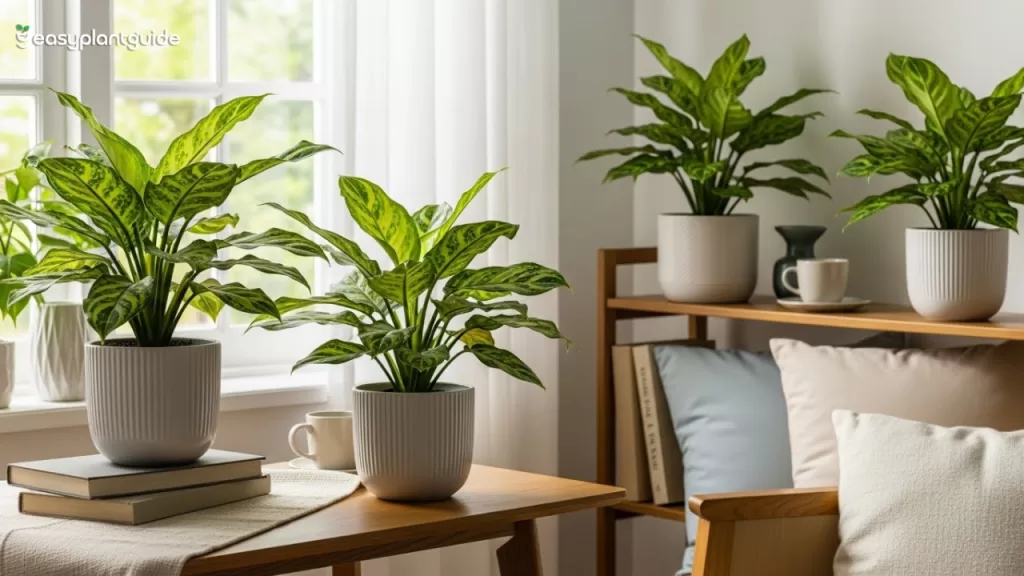
Aglaonema isn’t just a plant—it’s a living piece of art, and with proper Aglaonema care, it can elevate the look of any room. Its vibrant, patterned leaves and compact size make it ideal for shelves, coffee tables, or office desks. Pair it with decorative pots, textured planters, or even hanging baskets to create a striking natural focal point. You can mix different Aglaonema varieties for a splash of color or cluster several plants together to create a mini indoor jungle vibe. On top of its decorative appeal, Aglaonema care ensures that the plant’s air-purifying qualities stay strong, adding both beauty and wellness to your living or work space.
Why Aglaonema Is an Air-Purifying Powerhouse
Aglaonema isn’t just a pretty plant—it’s also a natural air purifier, and proper Aglaonema care can help it reach its full potential in improving the quality of your indoor air. Studies have shown that it helps filter common indoor toxins like benzene, formaldehyde, and other harmful chemicals that can accumulate from furniture, paints, and cleaning products. By removing these pollutants,
Aglaonema care not only keeps the plant healthy but also contributes to a fresher, safer living environment, making it especially beneficial for bedrooms, offices, or areas with limited ventilation. In addition to enhancing air quality, its lush green foliage adds a calming, natural vibe that can reduce stress and improve overall well-being. With proper Aglaonema care, this plant becomes a true powerhouse for any indoor space, combining beauty and functionality effortlessly.
Pro Tips to Keep Your Aglaonema Thriving
If you want your Aglaonema to look its healthiest and most vibrant year-round, following proper Aglaonema care is essential. Maintain consistent moisture by watering when the top layer of soil begins to dry, avoiding both overwatering and prolonged drought. Place your plant in gentle, bright, indirect light to encourage strong growth and vibrant leaf colors, but steer clear of harsh, direct sunlight that can scorch the leaves.
In drier climates, occasional misting can help maintain the humidity levels your Aglaonema loves. Fertilize lightly during the growing season to support new growth, but avoid overfeeding, which can damage the roots. Finally, keep the leaves clean by gently wiping away dust, allowing the plant to absorb light efficiently and stay lush and vibrant. Following these simple Aglaonema care tips ensures your plant remains a thriving, eye-catching part of your indoor space.
Conclusion
Aglaonema care isn’t complicated, and with the right habits, your plant can become a lush indoor treasure. It thrives in gentle lighting, enjoys moderate watering, and rewards you with stunning foliage year after year. Whether you’re a beginner or seasoned plant lover, Aglaonema is a resilient companion that adds beauty and calm to any space.
Explore more plant blogs and grow your green journey with us.