
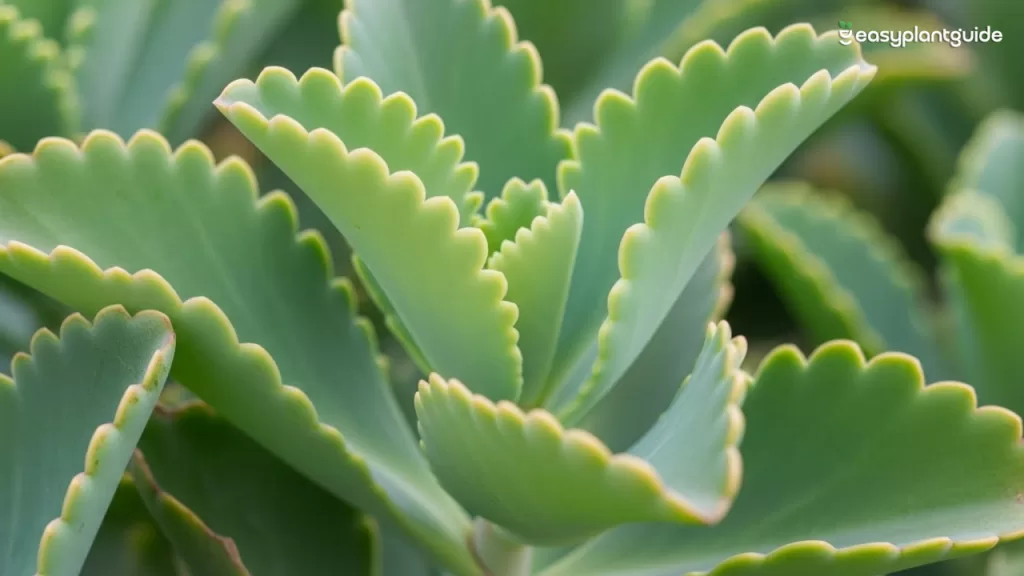
Succulent scalloped leaves are one of those plant features that instantly grab attention—they’re wavy, decorative, and add personality to any plant collection. Whether you’re a seasoned plant parent or a curious beginner, these charming succulents can elevate your space with minimal effort. In this guide, we’ll explore what makes them special, how to care for them effectively, which varieties to consider, and the little-known secrets that make them thrive.
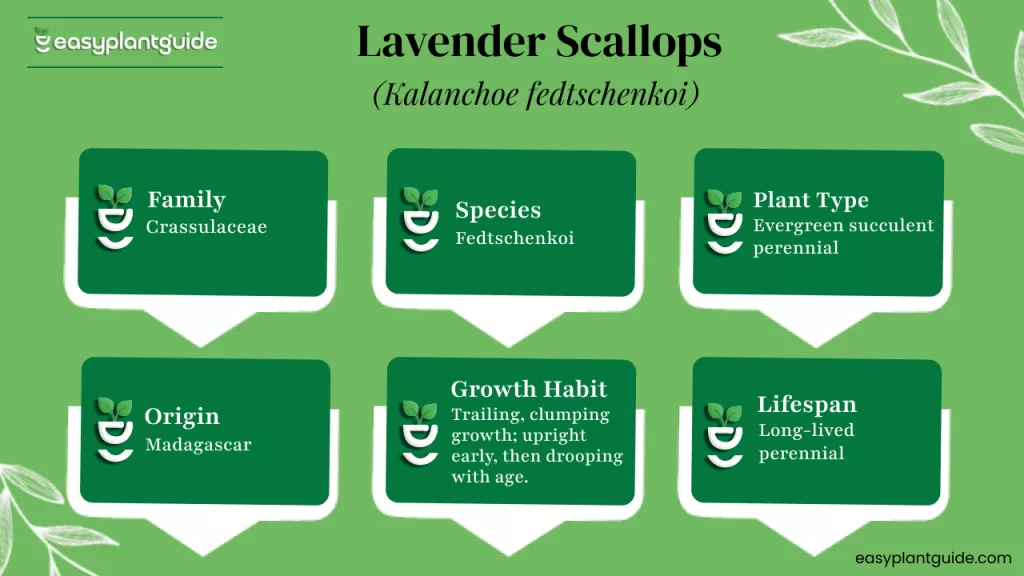
What Are Succulent Scalloped Leaves?
Succulent scalloped leaves are leaves that feature distinct wavy, serrated, or gently rounded edges, forming a decorative “scalloped” pattern that immediately catches the eye. These unique leaf shapes are more than just ornamental—they serve important functions for the plant’s survival. The scalloped edges can help reduce the surface area exposed to direct sunlight, minimizing water loss in hot, arid conditions. They also create tiny pockets that can trap moisture from dew or light rainfall, giving the plant a subtle hydration advantage.
Many succulent varieties with scalloped leaves, such as Kalanchoe and Cotyledon species, have evolved these patterns as a natural adaptation to harsh environments. Beyond their practical benefits, the textured, ruffled appearance adds a sculptural, artistic quality to any garden or indoor plant collection, making them highly sought after by plant enthusiasts and interior decorators alike.
Why They’re So Popular
People love these succulent scalloped leaves because:
- They look ornamental and unique.
- They are easy to propagate.
- They tolerate drought well.
- They come in many colors.
- They suit indoor and outdoor settings.
Popular Succulent Varieties with Scalloped Leaves
If you’re exploring the world of scalloped succulents, either to identify existing plants or to expand your collection, several varieties stand out for their unique leaf shapes, colors, and textures. Each of these varieties not only looks stunning but also brings its own charm and care requirements to your garden or indoor space.
1. Kalanchoe fedtschenkoi (Lavender Scallops)
This elegant succulent features soft lavender-gray leaves with subtle pink scalloped edges that appear even more vibrant in bright sunlight. The thick, fleshy leaves store water, making it extremely drought-tolerant. It thrives in well-draining soil and prefers partial to full sunlight. Lavender Scallops is perfect for beginners because it’s low-maintenance and can survive short periods of neglect while still maintaining its sculptural beauty.
2. Cotyledon orbiculata (Pig’s Ear)
Cotyledon orbiculata is a bold succulent with thick, rounded leaves that have soft scalloped edges and a powdery, chalk-like coating that protects the plant from intense sunlight. The leaves can vary from green to gray or even reddish tones depending on light exposure, adding dynamic color to your collection. This variety can grow into large clumps, making it ideal for outdoor rock gardens or spacious indoor pots. Its striking, ruffled foliage also makes it a favorite for propagation enthusiasts.
3. Kalanchoe marmorata (Penwiper Plant)
Kalanchoe marmorata is instantly recognizable due to its spotted leaves with a wavy, scalloped outline. The leaves are usually green with darker mottled spots, giving a textured, artistic appearance that adds visual interest to any plant arrangement. This plant prefers bright, indirect light and moderate watering, and it can tolerate slightly cooler temperatures than some other succulents. Its unique patterns make it a centerpiece in succulent collections or decorative arrangements.
4. Kalanchoe beharensis (Felt Bush)
Often called the “Felt Bush,” Kalanchoe beharensis has large, velvety leaves with scalloped edges, giving it a plush, almost sculptural look. The soft, fuzzy texture of the leaves is not only visually appealing but also helps reduce water loss by trapping moisture and reflecting sunlight. This plant grows into a bushy form and can become a striking focal point both indoors and outdoors. It prefers bright, indirect light and well-draining soil, and it’s generally low-maintenance, making it a favorite among succulent enthusiasts.
5. Graptopetalum Hybrids
Graptopetalum hybrids often feature naturally ruffled or succulent scalloped leaves arranged in perfect rosettes. These hybrids come in a variety of pastel shades, including pink, lavender, blue-gray, and soft green, which intensify when exposed to bright light. Many of these hybrids are compact, making them ideal for small pots, terrariums, or succulent arrangements. They are hardy, drought-tolerant, and relatively easy to propagate, making them an excellent choice for both beginner and advanced gardeners.
Benefits of Growing succulent scalloped leaves
Succulent scalloped leaves are more than just visually appealing—they offer several practical advantages that make them ideal for both indoor and outdoor gardens. Here’s why these plants deserve a spot in your home or garden:
Low Water Requirements
These succulents store water in their thick, fleshy leaves, meaning they require very little watering. This makes them perfect for busy plant owners or those living in dry climates.
Adaptability to Indoor Light
Succulent scalloped leaves adapt well to bright indoor light, thriving near windowsills or under grow lights. Their resilience makes them suitable for apartments and spaces with indirect sunlight.
Unique Ornamental Foliage
The wavy, scalloped edges of the leaves create an eye-catching, decorative effect. Their unique shapes and textures make them stand out in any plant collection or interior décor.
Heat and Sun Tolerance
These plants are well-suited to handle hot and sunny conditions. Their leaf structure helps reduce water loss, allowing them to survive heat and direct sunlight better than many other houseplants.
Beginner-Friendly and Forgiving
Succulent scalloped leaves are ideal for beginners because they are low-maintenance and forgiving of occasional care mistakes, such as minor overwatering or light neglect.
Light Requirements for Scalloped Succulents
Most succulent scalloped leaves thrive in bright, indirect sunlight. They benefit from three to five hours of direct morning sun while being protected from harsh afternoon rays, which can scorch their delicate leaves. Indoors, placing them near south-facing windows provides optimal light, and if natural sunlight is limited, LED grow lights can be used to supplement their needs. Proper lighting ensures vibrant colors and healthy, sturdy growth.
Watering Guide for Healthy Growth
Succulents do not enjoy soggy soil. Their thick, fleshy leaves store water, so they require minimal watering. The best approach is to water only when the soil is completely dry, using the “soak and dry” method. Watering should be reduced during winter months when growth slows, and it’s important to use pots with drainage holes to prevent standing water. Avoid letting water sit on the leaves, as this can lead to rot.
Soil Mix for Succulent Scalloped Leaves
These succulents thrive in sandy, fast-draining soil that prevents root rot and promotes healthy growth. A recommended soil mix includes a combination of cactus potting mix, perlite or pumice, and coarse sand to ensure excellent drainage. Optional components such as orchid bark or charcoal can be added to improve soil texture and freshness.
Temperature and Humidity Needs
Succulent scalloped leaves prefer warm, dry environments. They grow best in temperatures between 18°C and 28°C (65°F–82°F) and do well in low to moderate humidity. It’s important to protect them from frost, overwatering, and damp, poorly ventilated rooms, as these conditions can damage their leaves and stunt growth.
Common Problems and Solutions
| Problem | Symptoms | Solution |
|---|---|---|
| Overwatering | Mushy leaves, rot | Let soil dry, repot, reduce watering |
| Underwatering | Wrinkled leaves | Increase watering slightly |
| Sunburn | Brown patches | Move to filtered light |
| Pests | White spots, sticky leaves | Use neem oil or insecticidal soap |
| Poor drainage | Yellowing leaves | Improve soil mix |
How to Propagate Scalloped Succulents
Propagating scalloped-leaf succulents is both easy and rewarding, making it a favorite activity for succulent enthusiasts. To start, take a healthy leaf or stem cutting from the parent plant. Allow the cutting to callous over for 24 to 48 hours, which helps prevent rot when planted. Once the cut end has dried, place it in well-draining soil and lightly mist it for a few days to encourage root growth. Keep the cutting in bright, indirect sunlight to promote healthy development, and within a few weeks, new roots and growth will begin to emerge.
Fertilizing for Healthy Leaves
Succulent scalloped leaves do not require frequent feeding, as they are naturally hardy plants. For optimal growth, apply a diluted, balanced fertilizer once every six to eight weeks during the spring and summer months. This helps support vibrant, healthy leaves and encourages steady growth without over-fertilizing, which can harm the plant.
Indoor vs. Outdoor Growing of succulent scalloped leaves
Indoor Growth Advantages
Growing succulent scalloped leaves indoors offers several benefits. Indoor placement allows for controlled lighting, protecting the plants from harsh sun while ensuring they get enough brightness. They are less exposed to pests and environmental stressors, making them easier to maintain. Indoor growth is ideal for small spaces, providing a consistent temperature year-round. Additionally, these succulents add a decorative appeal, enhancing the aesthetics of your living space with their unique scalloped foliage.
Outdoor Growth Advantages
Outdoor cultivation provides its own set of advantages. Succulents grown outside often develop stronger, more vibrant colors due to exposure to natural sunlight. They also tend to grow faster, benefiting from the full spectrum of daylight and better airflow, which reduces the risk of fungal issues. Outdoor environments offer natural conditions that many succulents thrive in, allowing them to grow more robustly and display their full beauty in garden beds, rock gardens, or patio containers.
Styling Ideas for succulent scalloped leaves
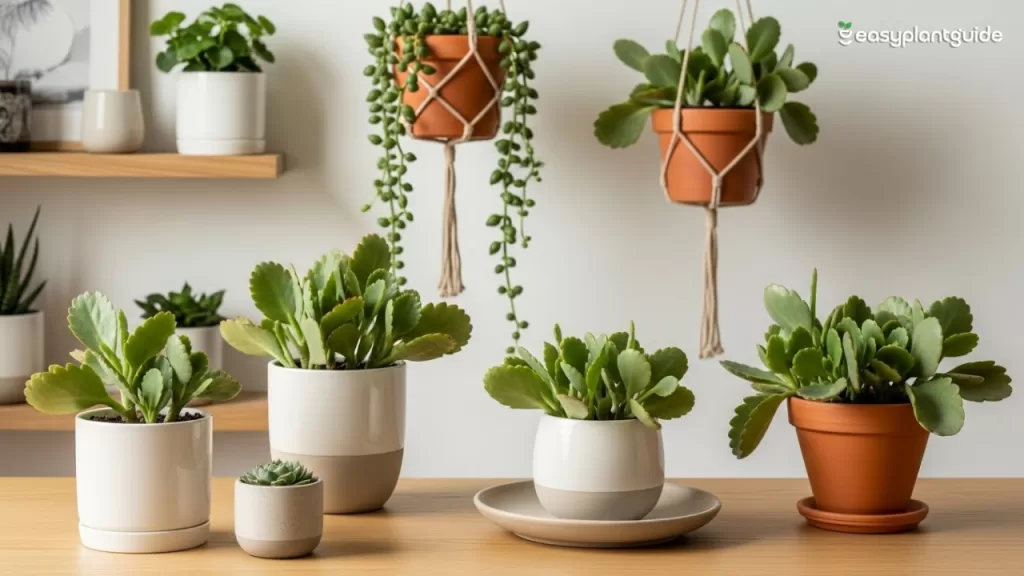
Succulent scalloped leaves are incredibly versatile and can enhance any space with their unique textures and shapes. Here are some styling ideas to showcase their beauty:
- Ceramic pots – Perfect for living rooms or shelves, ceramic pots add a modern and clean look that highlights the scalloped leaves.
- Hanging planters – Ideal for small spaces or to create visual interest at different heights, hanging planters allow the trailing varieties to cascade beautifully.
- Terracotta bowls – Terracotta complements the natural tones of succulents and helps with drainage, making it both functional and stylish.
- Balcony gardens – Scalloped succulents can thrive in outdoor balcony setups, adding greenery and texture without taking up too much space.
- Desk plant setups – Small pots on desks or workspaces bring a touch of nature indoors, creating a calming and decorative element while staying low-maintenance.
Best Companions for succulent scalloped leaves
- Echeveria – Their rosette shapes and vibrant colors complement the wavy scalloped leaves, creating a visually balanced arrangement.
- Sedum varieties – These low-growing or trailing succulents add texture and fill gaps, enhancing the overall look of the display.
- Haworthia – With their spiky, structured leaves, Haworthia provides a striking contrast to the soft curves of scalloped leaves.
- Aloe hybrids – These offer interesting height and form, pairing well with smaller scalloped-leaf varieties for dynamic arrangements.
- Crassula varieties – Their compact growth and varied leaf shapes make them ideal companions, adding depth and interest to mixed succulent displays.
Conclusion
Succulent scalloped leaves bring character, charm, and incredible texture to your indoor or outdoor garden. Their wavy, decorative edges make them unforgettable, while their low-maintenance nature makes them perfect for both beginners and experts. With the right care—proper light, well-draining soil, and minimal watering—these succulents will reward you with stunning growth year-round. Add them to your collection, experiment with varieties, and enjoy the beauty they bring to your living space.
Explore more plant blogs and grow your green journey with us.