
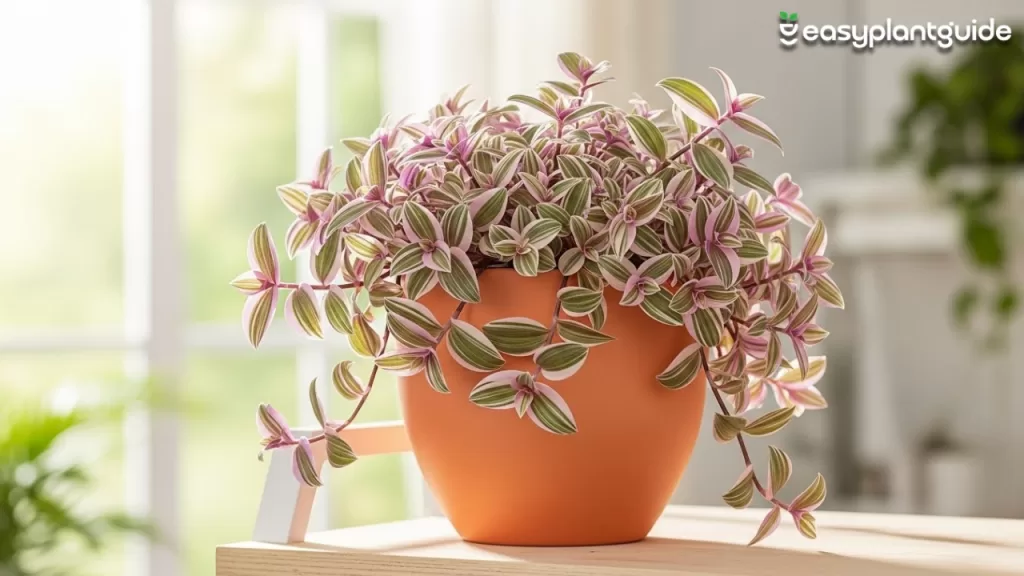
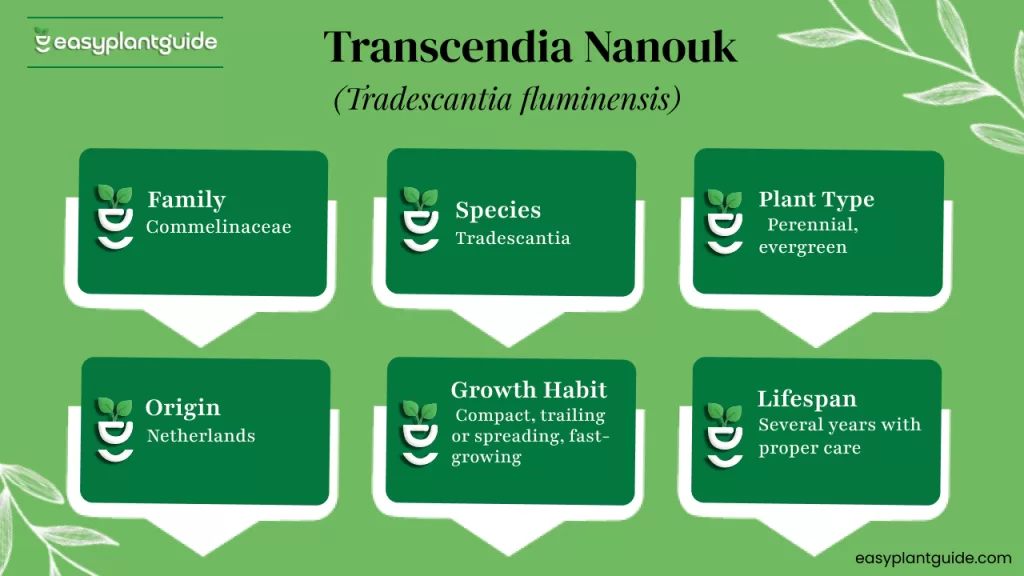
The Transcendia Nanouk, also known as Tradescantia Nanouk, is a striking houseplant admired for its pink, purple, and green variegated leaves. This hybrid variety was developed for strength, compact growth, and vibrant color, making it a favorite among beginners and experienced plant enthusiasts. Proper Transcendia Nanouk care focuses on providing balanced light, moderate watering, and a well-draining growing environment. When these conditions are met, the plant thrives easily indoors, showcasing healthy foliage and steady growth throughout the year.
Ideal Light Conditions for Nanouk
Light plays an essential role in Transcendia Nanouk care because the plant’s vivid coloration depends on receiving consistent brightness. The Nanouk grows best in bright, indirect sunlight where its foliage remains sharp, colorful, and compact. Insufficient light often leads to faded leaves and stretched, leggy stems that weaken the plant’s overall structure. Direct sun exposure for too many hours may scorch its leaves, so filtered light is preferable for maintaining optimal growth. A well-lit room helps preserve the plant’s bold appearance year-round.
Watering Requirements for Healthy Growth
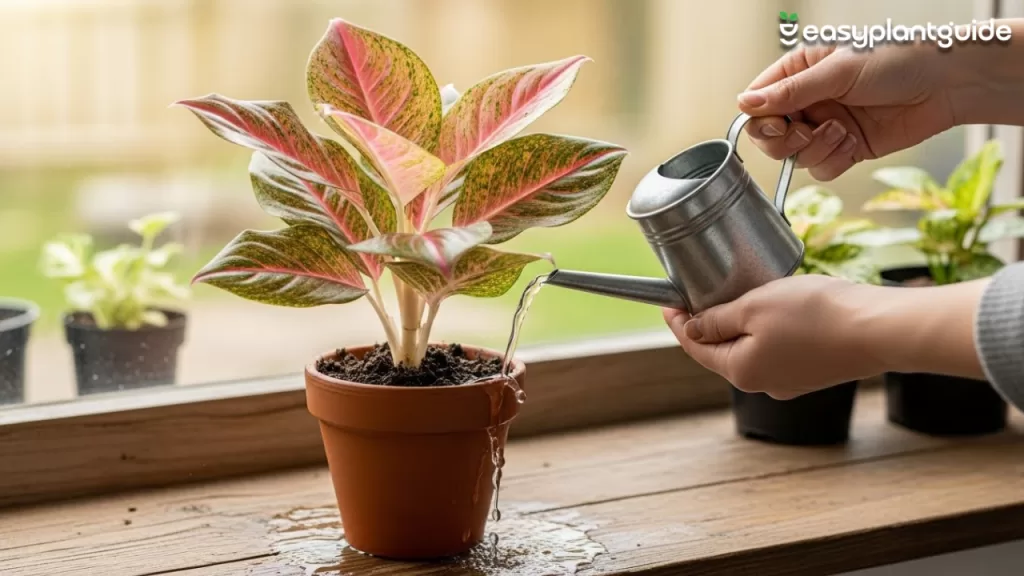
Watering is one of the most important factors in maintaining successful Transcendia Nanouk care, as the plant is sensitive to both underwatering and excessive moisture. The soil should remain lightly moist while being allowed to dry slightly between watering sessions. Overwatering can easily lead to root rot, causing the stems to become mushy and discolored. Underwatering may result in wilted or curled leaves that lose their bright tones. Finding a consistent watering rhythm helps the plant remain firm, hydrated, and beautifully vibrant through all seasons.
Choosing the Right Soil Mix
Selecting the proper soil mix is essential for keeping the plant’s roots healthy and well-oxygenated. A loose, airy potting medium rich in drainage is ideal for Transcendia Nanouk care because the plant dislikes sitting in compact or soggy soil. A mixture containing perlite, bark, or lightweight additives helps maintain moisture without trapping excess water around the roots. This type of soil prevents fungal growth and promotes stronger root development. Ensuring good drainage from the start allows the Nanouk to grow vigorously and maintain its vivid coloration.
Pot Selection and Repotting Tips
- The pot you choose for your Nanouk influences how moisture moves through the soil, directly affecting overall plant health and long-term growth.
- Pots with proper drainage holes are essential for effective Transcendia Nanouk care because they prevent excess water from sitting at the bottom and causing root rot.
- Terracotta pots improve airflow around the soil, allowing moisture to evaporate more evenly and reducing the risk of soggy conditions.
- Repotting every one to two years helps the plant’s roots expand comfortably and prevents the root system from becoming overcrowded.
- When repotting, selecting a pot only slightly larger than the current one maintains moisture balance and encourages stable, controlled growth.
Temperature Preferences for Nanouk
Temperature stability is an important part of Transcendia Nanouk care, as the plant thrives best in warm, comfortable indoor environments. The ideal temperature range is between 60–80°F (15–27°C), which mirrors typical household conditions. Sudden temperature drops, cold drafts, or exposure to air conditioning can stress the plant and contribute to leaf discoloration or slowed growth. Similarly, extreme heat can cause dehydration and fading. Keeping the plant in a stable, moderate temperature zone helps maintain lush foliage and encourages steady, consistent growth throughout the year.
Humidity Requirements for Vibrant Leaves
Humidity greatly influences leaf quality, making it an essential component of Transcendia Nanouk care. This plant prefers moderately humid environments, though it adapts well to typical household humidity levels. When the air becomes too dry, especially during winter, the leaf tips may turn brown or crispy, signaling the need for added moisture. Maintaining a slightly humid atmosphere keeps the plant’s leaves plump, vibrant, and healthy. Consistent humidity ensures smoother growth and protects the plant from stress caused by dry indoor climates.
Fertilizing for Healthy Development
Fertilizing plays a supportive role in Transcendia Nanouk care by providing additional nutrients necessary for bright foliage and strong stems. Using a balanced fertilizer during the active growing seasons of spring and summer helps maintain steady growth and encourages fuller branching. Over-fertilization can damage the roots or cause leaf burn, so a diluted, moderate application is ideal. The plant does not require fertilizer during winter when growth slows naturally. Proper feeding supports long-term plant vitality and keeps its colors rich and attractive throughout the year.
Pruning to Maintain Shape and Color
Pruning is an important step in Transcendia Nanouk care because it prevents legginess and encourages compact, attractive growth. Removing overgrown or faded stems allows healthier shoots to develop and gives the plant a fuller appearance. Pruning also helps maintain the vibrant coloration of the foliage by directing the plant’s energy toward producing new, colorful leaves. Using clean tools, trim just above a node to stimulate branching. Regular pruning throughout the growing season keeps the Nanouk looking dense, vibrant, and aesthetically pleasing.
Propagation for New Plants
Propagation is a rewarding part of Transcendia Nanouk care, allowing gardeners to grow new plants from healthy stem cuttings. This process is simple and successful when taken from vigorous, colorful stems with multiple nodes. After cutting, the stems can be placed in water or a moist growing medium where they quickly develop roots. Consistent light and warmth help the cuttings establish themselves. Once rooted, they can be planted individually and grown into full, vibrant plants. Propagation expands collections and preserves the unique beauty of the Nanouk.
Common Problems and Their Solutions
Even with attentive Transcendia Nanouk care, the plant may experience issues such as yellowing leaves, leggy growth, or fading colors. These concerns typically arise from improper light, watering mistakes, or environmental stress. Yellow leaves usually result from overwatering, while leggy stems indicate insufficient light. Fading coloration often reflects weak lighting or nutrient deficiency. Identifying the cause early helps restore the plant’s health. Adjusting light levels, improving soil drainage, or correcting watering habits usually resolves these problems and restores the Nanouk’s vibrancy.
Pest Issues and Prevention
Pests can occasionally appear, making prevention an important aspect of Transcendia Nanouk care. Common pests include spider mites, aphids, and mealybugs, which thrive in dry or weakened plants. Regularly inspecting the plant’s leaves helps catch infestations early, allowing quick treatment before damage spreads. Keeping the plant clean, maintaining proper humidity, and ensuring healthy growth all help discourage pests naturally. If pests do appear, gentle cleaning solutions or safe plant treatments restore health. Preventative care keeps the Nanouk strong and resilient against common indoor pests.
Growth Rate and Size Expectations
- Understanding the plant’s natural growth habits helps you tailor your Transcendia Nanouk care routine for optimal development and long-term health.
- The Nanouk grows at a moderately fast rate when given proper lighting and consistent watering, producing fresh leaves throughout the active seasons.
- As the plant matures, it may begin to trail or spread outward, depending on how it is pruned and where it is positioned indoors.
- Indoors, the Nanouk usually reaches one to two feet in length, with regular trimming helping it grow fuller and more compact.
- When provided with supportive conditions, the plant remains lush, vibrant, and easy to maintain, requiring minimal effort from the grower.
Seasonal Care Adjustments
Seasonal changes require adjustments in Transcendia Nanouk care to maintain consistent plant health throughout the year. During spring and summer, the plant grows actively and benefits from increased watering, brighter light, and occasional feeding. In autumn, growth slows, and watering should be reduced gradually to prevent moisture stress. Winter requires special attention to temperature, humidity, and reduced watering as the plant enters a resting phase. Adapting care routines to seasonal patterns ensures the Nanouk remains strong, colorful, and well-balanced year-round.
Using Nanouk in Home Décor
The Transcendia Nanouk offers exceptional decorative value, making it a favorite choice for interior styling. Its bold pink and purple tones complement neutral décor beautifully and add a striking visual accent to shelves, desks, and windowsills. With proper Transcendia Nanouk care, the plant maintains a compact, neat appearance that enhances any indoor setting. Whether displayed in ceramic pots, hanging planters, or modern minimalist containers, it elevates aesthetic appeal effortlessly. Its vibrant foliage makes it a natural centerpiece for stylish home environments.
Safety and Toxicity Considerations
Understanding toxicity is an important part of responsible Transcendia Nanouk care, especially for households with children or pets. This plant is mildly toxic when ingested and may cause stomach discomfort or irritation. Its sap can also irritate sensitive skin, making protective gloves helpful during pruning. Keeping the plant out of reach reduces accidental contact while still allowing its decorative beauty to enhance indoor spaces. Knowledge of safety precautions ensures both enjoyment and caution when caring for this eye-catching houseplant.
Long-Term Maintenance for Lasting Beauty
Consistent care ensures that your Nanouk remains vibrant, healthy, and beautiful over many years. Long-term Transcendia Nanouk care focuses on maintaining proper lighting, watering balance, humidity, and regular pruning to prevent decline. Monitoring soil health, repotting when necessary, and keeping the plant clean all contribute to longevity. As the plant matures, occasional rejuvenation pruning helps maintain compactness and keep the foliage bright. With attentive, ongoing care, the Nanouk continues to thrive, becoming a long-lasting and colorful addition to indoor plant collections.
Conclusion
Mastering Transcendia Nanouk care allows you to enjoy a robust, colorful plant that brightens your home with minimal difficulty. By understanding its needs for light, water, soil, and environmental stability, you give the Nanouk the conditions it requires to thrive. Its easy propagation, fast growth, and unique beauty make it a rewarding plant for any indoor gardener. With consistent maintenance and attention to seasonal changes, your Nanouk will flourish year after year, offering continuous beauty through its striking pink and purple foliage.
Checkout for more Green Blogs here.