
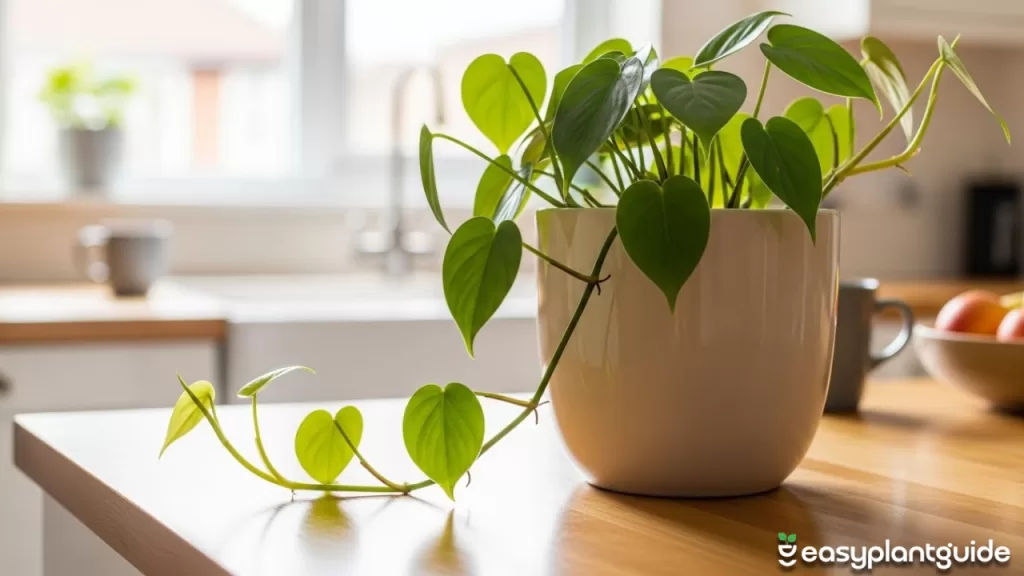
Heartleaf philodendron is one of those plants that quietly steals your heart. It doesn’t demand attention, doesn’t throw tantrums, and still manages to look stunning all year round. Whether you’re a beginner who forgets watering schedules or a seasoned plant lover building a lush jungle, this plant fits right in. With its soft, heart-shaped leaves and trailing vines, it feels like nature giving you a gentle hug. Let’s dive deep into why heartleaf philodendron has earned its place as a timeless indoor favorite.
Heartleaf philodendron also adapts effortlessly to almost any indoor environment, making it a reliable choice for homes and offices alike. From low-light corners to bright shelves, it continues to grow with minimal fuss, proving that beauty and resilience can truly go hand in hand.
What Is Heartleaf Philodendron?
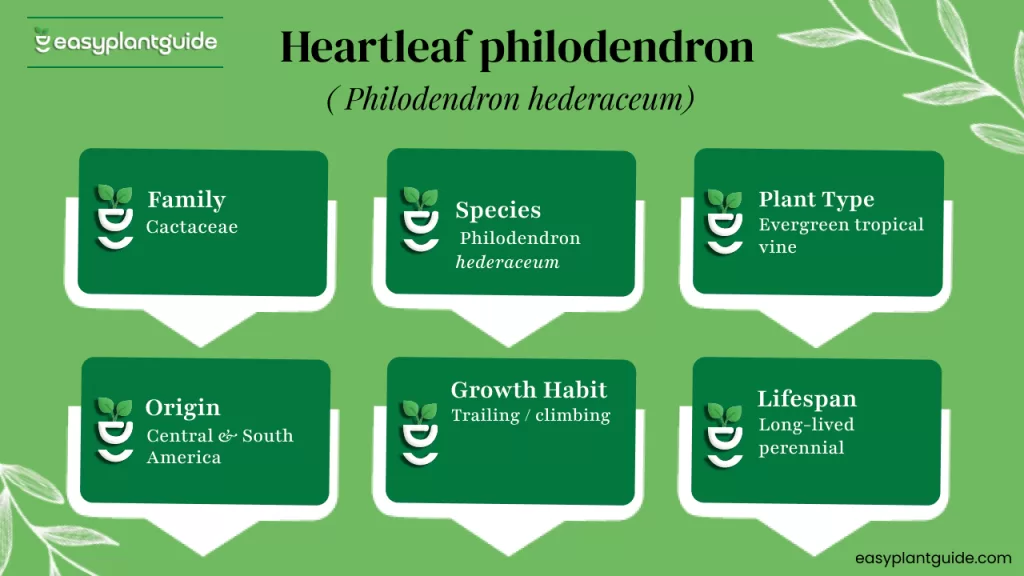
Heartleaf philodendron, botanically known as Philodendron hederaceum, is a tropical vining houseplant loved for its adaptability and charm. Native to Central and South America, it thrives in warm, humid environments but adapts beautifully to indoor conditions. Its cascading vines make it perfect for shelves, hanging baskets, or tabletops. The leaves are smooth, glossy, and shaped like little hearts, giving the plant its popular name. It’s often mistaken for pothos, but once you know the differences, the heartleaf philodendron stands confidently on its own.
Botanical Overview at a Glance
| Feature | Details |
| Botanical Name | Philodendron hederaceum |
| Common Name | Heartleaf philodendron |
| Plant Type | Evergreen tropical vine |
| Native Region | Central & South America |
| Growth Habit | Trailing / climbing |
| Lifespan | Long-lived perennial |
Why Heartleaf Philodendron Is So Popular
Heartleaf philodendron didn’t become popular by accident; it earned its reputation through consistent performance and timeless appeal. This plant is loved because it thrives with minimal care, making it ideal for busy households and beginner plant parents. Its ability to tolerate low light, irregular watering, and indoor conditions sets it apart from fussier houseplants. On top of that, its trailing vines and heart-shaped leaves add instant warmth and elegance, proving that simplicity can still make a strong visual impact.
Top Reasons Plant Lovers Choose It
- Thrives in low to medium light
- Requires minimal watering
- Grows steadily without fuss
- Looks great in any room
- Perfect for beginners
Heartleaf Philodendron Growth Habit Explained
This plant is a natural climber and trailer. In the wild, it uses trees for support, climbing upward toward light. Indoors, it adapts by trailing gracefully from pots or climbing moss poles. Its vines can grow several feet long over time, especially in bright, indirect light. Regular pruning encourages bushier growth, while allowing it to trail creates a dramatic, flowing look. No matter how you style it, heartleaf philodendron always adds movement and life to a space.
Light Requirements for Healthy Growth
One of the best things about heartleaf philodendron is its flexibility with light. It prefers bright, indirect light but tolerates low-light conditions surprisingly well. Place it near a north- or east-facing window for best results. Too much direct sunlight can scorch the leaves, while very low light may slow growth and reduce leaf size. Think of light as fuel—give it enough to cruise smoothly, but don’t floor the gas pedal.
Watering Heartleaf Philodendron the Right Way
Watering is where many houseplants struggle, but heartleaf philodendron makes the process refreshingly simple and stress-free. The key is to water only when the top inch of soil feels dry to the touch. Overwatering can suffocate the roots and lead to rot, while underwatering may cause the leaves to droop and lose their shine. By maintaining a balanced routine and good drainage, you allow the plant to stay healthy, resilient, and consistently vibrant throughout the year.
Smart Watering Tips
- Check soil before watering
- Use room-temperature water
- Ensure proper drainage
- Reduce watering in winter
- Never let it sit in water
Seasonal Care Tips for Heartleaf Philodendron
Heartleaf Philodendron requires slightly different care across seasons to stay healthy and vibrant. During spring and summer, frequent watering and monthly fertilization encourage growth. In fall and winter, reduce watering and avoid fertilizing as the plant enters dormancy. Keep it away from cold drafts and maintain consistent indoor temperatures. Seasonal pruning helps control size and encourages bushier foliage. By understanding these seasonal needs, Heartleaf Philodendron remains lush year-round, rewarding plant owners with cascading vines and glossy, heart-shaped leaves.
Best Soil Mix for Heartleaf Philodendron
A well-draining, airy soil mix keeps this plant happy. A combination of potting soil, perlite, and peat or coco coir works beautifully. The roots enjoy moisture but hate being soggy. Good drainage allows oxygen to reach the roots, preventing rot and fungal issues. Think of soil as a mattress—too hard or too soggy, and sleep becomes uncomfortable.
Heartleaf Philodendron as a Natural Air Purifier
Heartleaf Philodendron isn’t just beautiful—it also helps improve indoor air quality. Its lush, green leaves absorb toxins like formaldehyde, benzene, and xylene, making the air in your home cleaner and fresher. Placing this plant in living rooms, bedrooms, or offices adds a natural air-purifying element while creating a calming ambiance. Beyond aesthetics, the presence of Heartleaf Philodendron can reduce stress and boost mood, proving that this plant is both a decorative and functional addition to any indoor space.
Temperature and Humidity Preferences
Heartleaf philodendron thrives best in temperatures ranging from 65°F to 85°F (18°C–29°C), closely mimicking its natural tropical environment. While it prefers moderate humidity, it adapts well to typical indoor conditions without complaint. During dry winter months, light misting or using a pebble tray can help maintain moisture levels. Keep the plant away from cold drafts, air conditioners, and heaters, as sudden temperature changes can stress the foliage. Consistent warmth and stable conditions encourage steady, healthy growth year-round.
Fertilizing for Lush Green Leaves
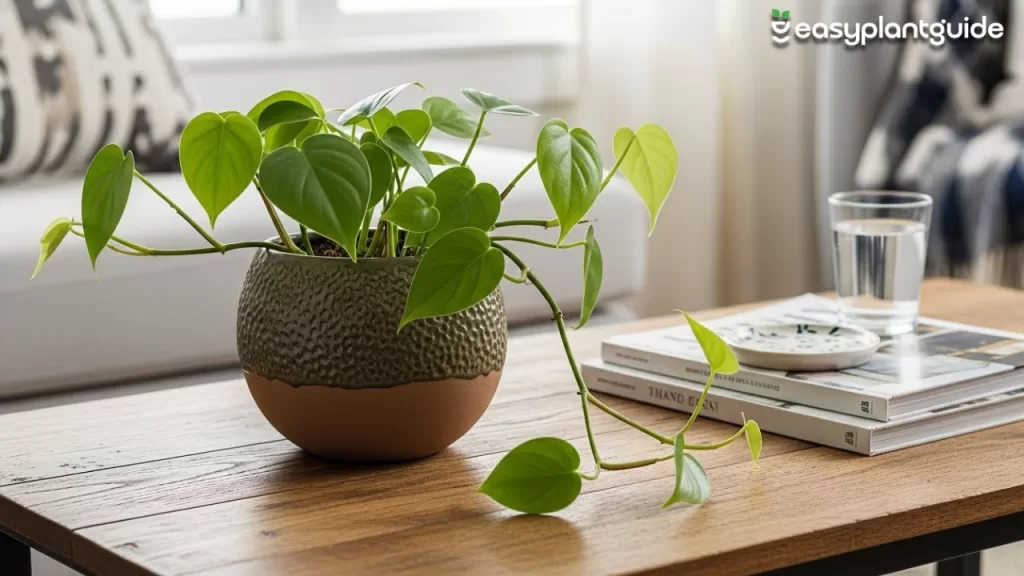
Feeding your heartleaf philodendron during the active growing season helps maintain lush foliage and steady growth. A balanced liquid fertilizer applied once a month in spring and summer is usually enough. Over-fertilizing can lead to salt buildup in the soil, causing leaf burn and root stress. As growth slows in fall and winter, the plant enters a resting phase, making fertilization unnecessary. Think of fertilizer as vitamins—not meals.
- Use a balanced, water-soluble fertilizer
- Fertilize only during spring and summer
- Dilute fertilizer to avoid root damage
- Stop feeding during fall and winter
- Flush soil occasionally to prevent salt buildup
Pruning and Shaping the Plant
Pruning helps control length and encourages fuller growth. Trim leggy vines just above a node to stimulate branching. Regular pruning also keeps the plant looking neat and healthy. Don’t be afraid—heartleaf philodendron bounces back quickly. Each cut is an invitation for new growth. Propagation is one of the most rewarding parts of owning this plant. It’s simple, fast, and almost foolproof.
Easy Propagation Methods
- Stem cuttings in water
- Stem cuttings in soil
- Propagating during spring
- Using healthy, mature vines
Heartleaf Philodendron for Small Spaces
Even in apartments or rooms with limited space, Heartleaf Philodendron shines. Its trailing vines can be trained along shelves, hung in baskets, or allowed to cascade from corners, creating greenery without taking up floor space. Compact pots fit easily on desks or windowsills, and the plant thrives in low to moderate light. For small spaces, Heartleaf Philodendron adds a sense of life and freshness, proving that even minimal square footage can accommodate a vibrant indoor jungle with the right plant choice.
Styling Ideas for Heartleaf Philodendron
This plant is a true décor dream, effortlessly enhancing any indoor space with its flowing, heart-shaped foliage. Let it trail gracefully from floating shelves to soften sharp lines, or hang it near windows where the vines can cascade beautifully in natural light. Training heartleaf philodendron up a moss pole creates a lush, vertical statement that draws the eye upward. Its flexible growth habit allows it to complement modern, minimalist, or cozy interiors while adding warmth, texture, and a refreshing natural vibe.
Creative Display Ideas
- Hanging baskets
- Bookshelf trailing
- Bathroom greenery
- Desk companion
- Wall-mounted planters
Conclusion
Heartleaf philodendron proves that simplicity often delivers the greatest rewards. Its resilience, natural charm, and adaptability make it suitable for every stage of a plant journey. Whether you’re caring for your very first houseplant or expanding an indoor jungle, it adjusts effortlessly to your routine. With just a little attention, it produces lush trailing vines and glossy, heart-shaped leaves full of life. If plants had emotions, heartleaf philodendron would be quietly thriving—and smiling—right alongside you.
If you are also interested in reading about Dracaena Lemon Lime, check it out.