
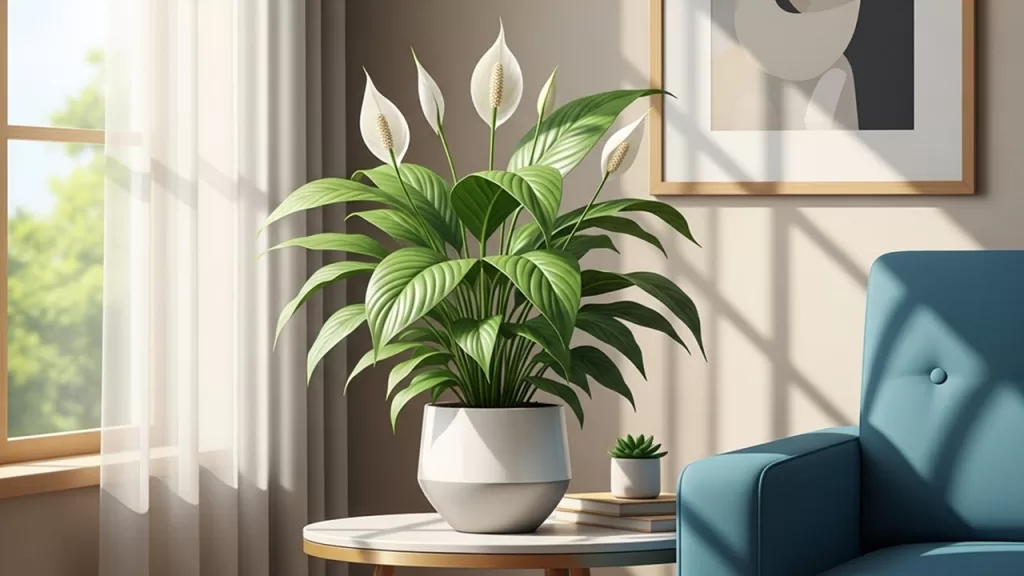
Peace plants care is one of those topics that sounds simple until your once-happy plant starts drooping like it just heard bad news. If you have ever wondered why your peace plant looks dramatic one day and perfectly fine the next, you are not alone. This guide walks you through everything, step by step, in plain English, no plant-parent stress included. Think of your peace plants like a calm roommate. Treat it right, and it quietly makes your space beautiful. Ignore its needs, and it shows its disappointment instantly.
What Is a Peace Plant?
Despite its calming name, the peace plant is actually the peace lily (Spathiphyllum), a popular indoor plant admired for its glossy, dark green leaves and elegant white blooms that resemble tiny flags of surrender. Its beauty and relatively low-maintenance nature make it a favorite for homes and offices alike.
This plant is widely loved because:
- It survives well indoors, even in less-than-perfect conditions
- It tolerates low light, making it ideal for shaded spaces
- It gives clear signs when it needs water, helping plant parents avoid mistakes
However, while peace plants are forgiving, they still require proper attention and peace plants care to truly thrive and maintain their lush, healthy appearance.
Why Peace Plant Care Matters
Peace plants care goes far beyond just keeping your plant alive—it’s about nurturing it to reach its full potential and bring life to your indoor space. When you consistently provide the right light, water, and soil, your peace plant rewards you with glossy, vibrant leaves that almost seem to glow and elegant white blooms that brighten any room. Proper care also strengthens the roots and encourages steady growth, ensuring your plant lives a long and healthy life rather than struggling silently in a corner.
Neglecting peace plants is like leaving a phone on 1 percent battery all the time—it may still work, but it’s weak, unhappy, and far from its best. With consistent attention, even a beginner can turn a simple indoor plant into a thriving, graceful centerpiece that brings calm, freshness, and a touch of natural beauty to their home. Peace plants truly flourish when they are understood and cared for properly, making the effort well worth it.
Ideal Growing Conditions for Peace Plants
Peace plants don’t ask for luxury, but they do have specific preferences to stay healthy and bloom beautifully. Understanding their ideal growing conditions is a key part of peace plants care, ensuring your plant thrives instead of just surviving.
Light Requirements
Peace plants flourish in bright, indirect light. Too much direct sunlight can scorch the leaves, leaving brown or faded spots, much like a sunburn on a hot summer day. On the other hand, too little light may prevent flowering and slow growth, causing the plant to look dull. A spot near a north or east-facing window is perfect, or place them a few feet away from a south or west-facing window where the sunlight is filtered. If natural light is limited, fluorescent or LED indoor lights can also support growth.
Temperature Range
Peace plants care and love warmth and feel most comfortable in temperatures between 18°C to 27°C (65°F to 80°F). Avoid exposing them to sudden temperature drops or cold drafts, which can shock the plant and cause leaf yellowing. Similarly, extreme heat from radiators or direct sunlight can dry out the soil and stress the plant. Maintaining a stable temperature is a subtle yet essential part of peace plants care for healthy growth and consistent blooming.
Humidity Levels
Peace plants thrive in environments with medium to high humidity. Dry indoor air, especially during winter months, can cause the leaf tips to brown and the plant to appear droopy. If your home is dry, consider misting the leaves occasionally, using a humidifier, or placing a shallow water tray near the plant. Keeping humidity levels comfortable helps the plant feel “at home” and encourages more vibrant leaves and frequent flowering, making it an essential factor in overall peace plants care.
Peace Plants Care – Watering Guide
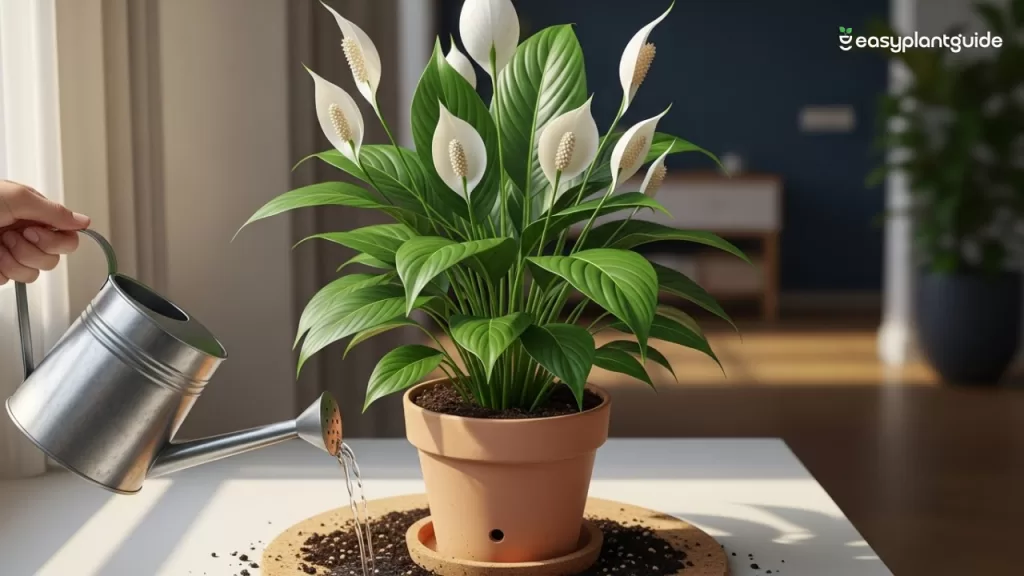
Watering is one of the most common areas where beginners struggle, but it doesn’t have to be complicated. Proper watering is a crucial part of peace plants care because both overwatering and underwatering can stress the plant, affecting its leaves, growth, and ability to bloom. Understanding your plant’s needs and observing its signals will help you keep it healthy and thriving.
How Often Should You Water a Peace Plant?
Peace plants prefer consistently moist soil, but they don’t like to sit in waterlogged conditions. A simple rule is to water your plant when the top inch of soil feels dry to the touch. If you stick your finger into the soil and it feels damp, wait a few days before watering. The beauty of peace plants is that they are expressive; their leaves will start to droop slightly when thirsty, almost like a gentle reminder to give them a drink. This responsiveness makes peace plants care intuitive once you get the hang of it.
Signs of Overwatering vs Underwatering
One tricky aspect of peace plants is that drooping leaves can indicate both overwatering and underwatering, which can confuse even experienced plant parents. Overwatered soil can suffocate the roots, causing leaves to yellow and soften, while underwatered soil makes the leaves curl and wilt. The key is to check the soil moisture first before deciding to water. With consistent attention and observation, proper watering becomes second nature and is an essential part of effective peace plants care.
Soil Requirements for Peace Plants Care
Proper soil is a fundamental part of peace plants care because it affects root health, water retention, and overall growth. Peace plants thrive in soil that drains well yet retains some moisture—too soggy, and the roots may rot; too dry, and the plant becomes stressed. The best soil mix combines a peat-based potting mix for moisture retention, perlite to improve drainage, and organic matter to provide essential nutrients. Think of the soil like a sponge: it should hold water without turning into a puddle, giving your plant a steady supply of hydration and nutrients for vibrant leaves and blooms.
Fertilizing Peace Plants Properly
Fertilizing is another key component of peace plants care, acting like a vitamin boost that supports strong growth and more frequent flowering. Over-fertilizing can harm the plant, so moderation is essential. During the growing season, which includes spring and summer, fertilize your peace plant approximately once every six to eight weeks. Use a balanced liquid houseplant fertilizer diluted to half strength to ensure the nutrients are gentle yet effective. Proper fertilizing keeps your peace plant healthy, leafy, and ready to produce those signature elegant white blooms.
5 Common Peace Plant Problems and Solutions
Even with the best intentions, peace plants can face challenges, which is why understanding proper peace plants care is essential. By learning to recognize common issues, you can respond quickly and keep your plant thriving.
Yellow Leaves
Yellow leaves are a common sign that your peace plant needs better peace plants care, usually due to overwatering or poor soil drainage. Adjust your watering schedule and make sure the soil drains well to restore healthy, vibrant leaves. Regular monitoring is key in peace plants care.
Brown Leaf Tips
Brown tips often appear when humidity is too low or water contains chemicals. For effective peace plants care, increase humidity around your plant and use filtered or distilled water. This helps your peace plant maintain lush, green leaves and prevents stress.
Drooping Leaves
Drooping is a warning sign from your plant, indicating it needs water. Checking the soil and watering when the top inch feels dry is a critical part of daily peace plants care. Paying attention to these signals ensures your peace plant remains healthy and alert.
No Flowers
A peace plant may not bloom if it isn’t getting enough bright, indirect light. Providing the right light is a key element of peace plants care, allowing the plant to produce its iconic white flowers. Proper light management encourages consistent blooming and overall health.
Slow Growth
Slow growth usually points to nutrient deficiency or root crowding. For optimal peace plants care, fertilize during the growing season and repot into a slightly larger container to give roots room to expand. Healthy roots are the foundation of a thriving peace plant.
Repotting Peace Plants Without Stress
Peace plants grow slowly, but over time they can outgrow their pots, making repotting an important part of peace plants care. Repotting not only gives the roots more space to grow but also refreshes the soil, providing new nutrients that help your plant stay healthy and vibrant.
Signs Your Plant Needs Repotting
One clear indicator that your peace plant needs repotting is when roots start coming out of the drainage holes at the bottom of the pot. Other signs include soil that dries out very quickly, slowed growth, or leaves that seem crowded. Recognizing these signs is a key aspect of peace plants care, as timely repotting prevents stress and keeps the plant thriving.
Best Time to Repot
The ideal time to repot a peace plant is in spring, when it is actively growing. This timing allows the plant to recover quickly from the move and adapt to fresh soil. Avoid repotting during winter or dormant periods, as this can stress the plant and slow growth. Properly timed repotting is an essential part of peace plants care, ensuring your plant remains healthy, leafy, and ready to produce those signature white blooms.
Peace Plant Growth and Bloom Cycle
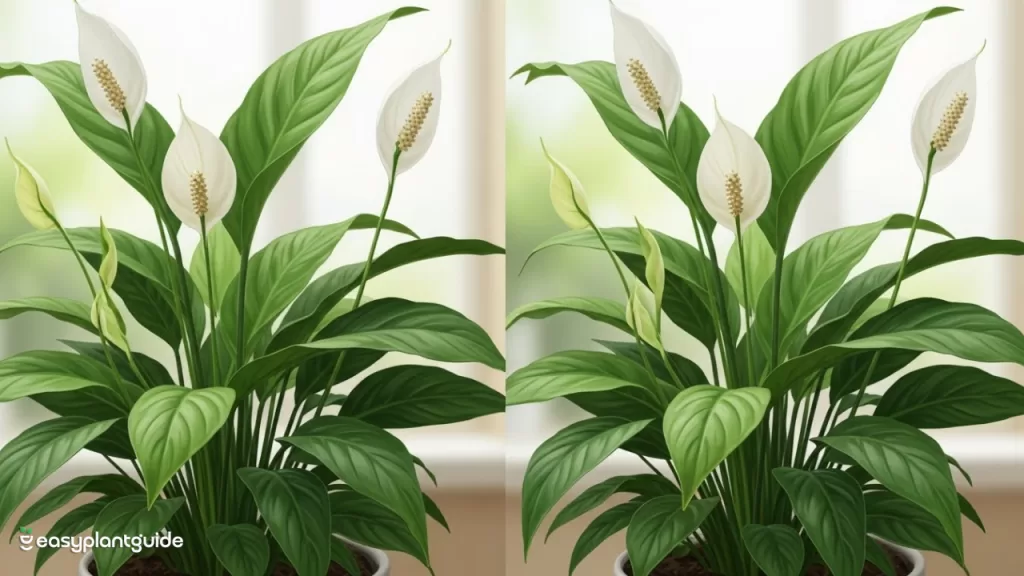
Peace plants bloom when they are healthy, showing that your peace plants care is effective. Understanding their growth and bloom cycle helps keep them thriving.
How to Encourage Flowers
Provide bright, indirect light, consistent watering, and regular feeding with a balanced fertilizer. Proper peace plants care ensures vibrant leaves and elegant white blooms. Flowers are the plant’s way of saying “thank you” for your attention and care.
Peace Plant Care Quick Reference Table
| Care Aspect | Ideal Condition |
|---|---|
| Light | Bright, indirect |
| Watering | When top soil is dry |
| Temperature | 18°C – 27°C |
| Humidity | Medium to high |
| Fertilizer | Every 6–8 weeks |
Conclusion
Peace plant care is not about perfection. It’s about attention. Watch your plant, listen to what it shows you, and respond calmly. Treat it like a quiet companion that thrives on consistency, not chaos. Once you understand its signals, caring for a peace plant becomes second nature. And before you know it, those graceful white blooms will stand tall, silently applauding your effort.
Explore more plant blogs and grow your green journey with us.