
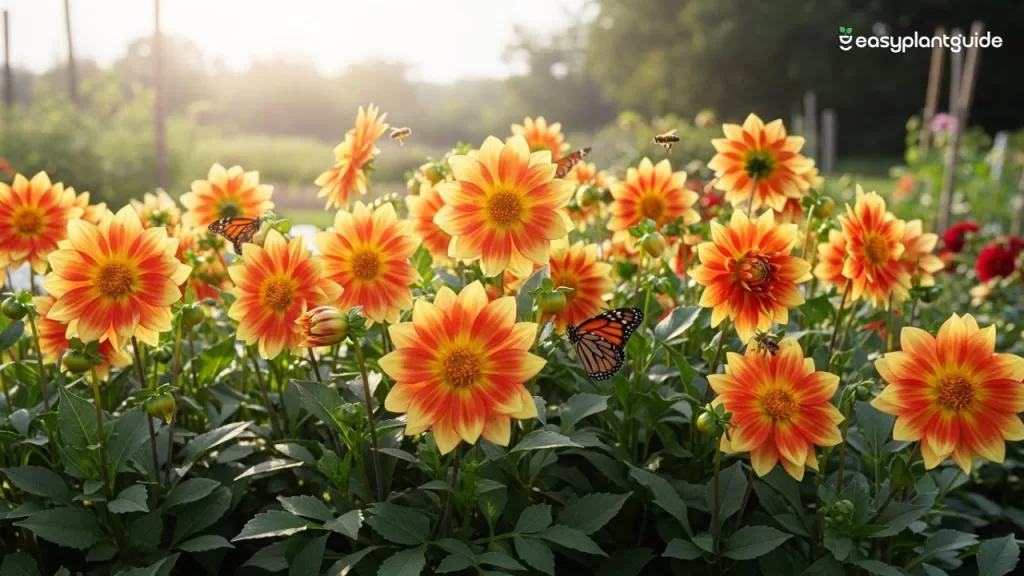
If you’re looking for a flower that screams vibrance and elegance, the Dahlia Prince of Orange is your go-to choice. These stunning blooms not only light up your garden with their fiery orange petals but also make perfect cut flowers for bouquets and decorations. In this article, we’ll uncover everything you need to know about this dazzling dahlia, from planting to care, and even some expert tricks to make it thrive.
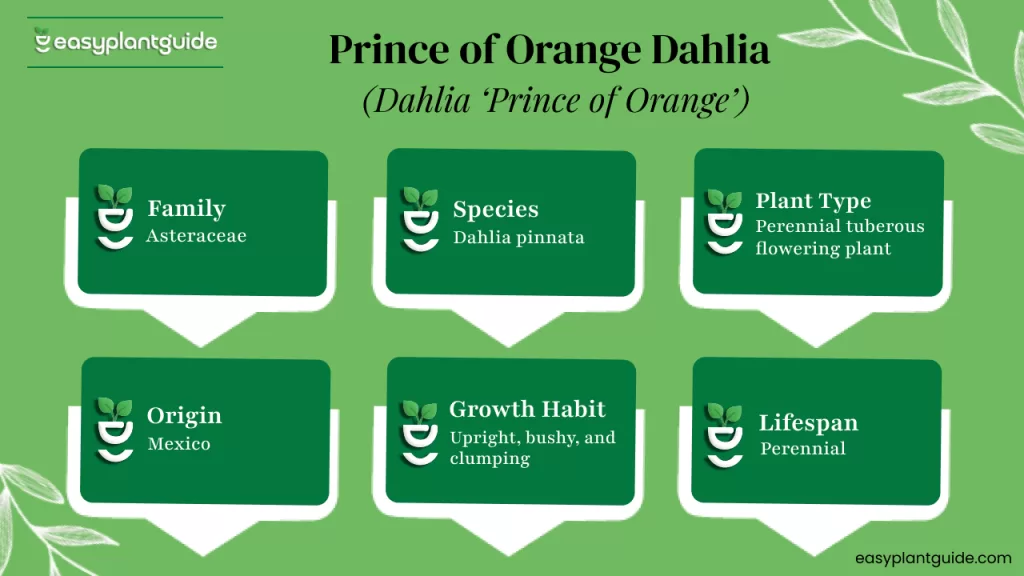
What is Dahlia Prince of Orange?
The Dahlia Prince of Orange is a striking decorative dahlia variety, celebrated for its vibrant orange petals with subtle yellow tips. This medium to large-sized plant produces abundant, eye-catching blooms that brighten gardens from late summer through autumn. Its bold colors create a dramatic contrast with greenery, making it a favorite for both garden enthusiasts and florists alike. With proper care, it offers a long flowering season, ensuring your garden stays lively even when many other flowers begin to fade.
Why Choose Dahlia Prince of Orange?
Choosing the Dahlia Prince of Orange means bringing home more than just a flower; it’s truly an experience. Its vibrant orange blooms instantly grab attention and add a bold splash of color to any garden. These long-lasting flowers are perfect for creating stunning bouquets or indoor arrangements. Beyond their beauty, they attract pollinators like bees and butterflies, helping your garden thrive. Best of all, this dahlia is relatively easy to grow, making it ideal even for beginners looking to brighten their outdoor space.
Planting Dahlia Prince of Orange: Step-by-Step
Planting this vibrant dahlia is easier than you might think. Follow these simple steps to ensure healthy growth and breathtaking blooms:
1. Choose a Sunny Spot
Select a location that receives at least 6-8 hours of sunlight every day. Full sun helps the dahlia grow strong stems and produce abundant flowers. If your area has very hot afternoons, choose a spot with morning sun and some light afternoon shade to prevent the blooms from wilting.
2. Prepare the Soil
Use well-draining soil enriched with compost or organic matter. Dahlias dislike soggy soil, so good drainage is essential to prevent tuber rot. Loosen the soil and mix in nutrients to give the plant a healthy start and encourage vigorous growth.
3. Plant the Tuber
Place the tuber 4-6 inches deep with the growing tip facing upwards. Planting at the correct depth allows the roots to establish properly and supports upright stems. Cover the tuber gently with soil, then press down lightly to remove air pockets.
4. Space the Plants
Leave 12-18 inches of space between each plant to give them room to spread. Proper spacing improves air circulation, reduces the chance of fungal diseases, and ensures each plant receives enough sunlight for maximum blooming potential.
5. Water Thoroughly
After planting, water deeply to settle the soil around the tubers. This helps the plant start growing roots and establishes strong foliage. Keep the soil evenly moist but not soggy, gradually increasing water as the plant grows and starts to bloom.
Ideal Soil Conditions for Dahlias
| Soil Factor | Requirement |
|---|---|
| pH Level | 6.0 – 6.5 |
| Soil Type | Loamy, well-draining |
| Organic Matter | Compost or well-rotted manure |
| Moisture | Moderate, consistent |
| Fertilizer Type | Balanced NPK (10-10-10) |
Sunlight Requirements
The Dahlia Prince of Orange thrives in full sun, ideally receiving six to eight hours of sunlight each day. It benefits from morning sun, which provides gentle warmth without stressing the plant. In hot climates, harsh afternoon sun should be avoided, and partial shade can help protect the plant during extreme heat. Providing the right sunlight ensures better flowering and helps the vibrant orange blooms reach their full potential.
Watering Dahlia Prince of Orange
Proper watering is essential for healthy growth. Dahlias should be watered deeply two to three times per week, allowing water to reach the roots without creating soggy conditions that could lead to root rot. Mulching around the base helps retain soil moisture and control weeds. Watering should always be done at the base of the plant rather than on the leaves to prevent fungal issues. During the peak blooming period, watering may need to be increased to support the heavy flower production.
Fertilizing Tips for Maximum Bloom
Feeding your Dahlia Prince of Orange correctly encourages abundant blooms. Use a low-nitrogen fertilizer to prevent excessive foliage growth, and apply a liquid fertilizer every two weeks during the blooming season. Incorporating compost or organic matter into the soil helps enrich it naturally. Avoid fertilizers that are high in phosphorus, as these can negatively affect flower development. Fertilizing early in the morning allows the plant to absorb nutrients more efficiently.
Pruning and Deadheading for More Flowers
Pruning your dahlia is like giving it a spa day. Pinching back shoots when they reach about 12 inches tall encourages bushier growth, while removing spent flowers regularly promotes continuous blooming. Cutting weak or overgrown stems improves airflow and strengthens the plant overall. Deadheading spent flowers not only keeps the plant looking tidy but also extends the flowering season, ensuring a long period of vibrant blooms.
Pest and Disease Management
Dahlia Prince of Orange can be susceptible to pests such as aphids and spider mites, while powdery mildew may appear in humid climates. Using insecticidal soap or neem oil can help control pests effectively. Overcrowding plants should be avoided to reduce the risk of disease, and any infected leaves should be removed promptly to prevent further spread. Maintaining proper spacing and monitoring for early signs of pests or disease is key to keeping the plant healthy.
How to Propagate Dahlia Prince of Orange
Propagation can be done through several methods. Tuber division in spring before planting is a reliable approach, while cuttings taken in early summer can produce new plants. Layering stems allows for gradual root development, and starting with a healthy parent plant ensures stronger offspring. Using sterile tools during propagation is essential to prevent infections and ensure successful growth.
Blooming Season and Flower Lifespan
The Dahlia Prince of Orange typically blooms from late summer through early autumn. Each flower lasts about seven to ten days in the garden, while cut flowers can stay fresh for up to two weeks indoors. Regular deadheading encourages continuous flowering, and moderate temperatures support optimal bloom quality and color intensity. With proper care, this dahlia offers a long-lasting display of its striking orange flowers.
Designing a Garden with Dahlia Prince of Orange
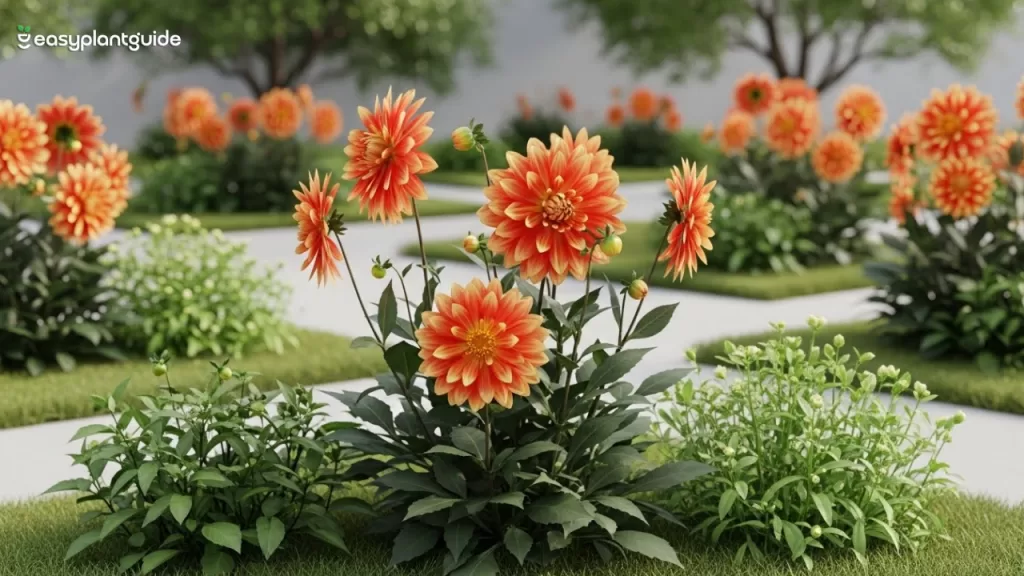
Dahlias are showstoppers in any garden:
- Mix with purple asters for contrast
- Plant near sunflowers for a bold effect
- Use in flower borders for mid-season color
- Combine with green foliage for balance
- Add ornamental grasses to soften edges
Using Dahlia Prince of Orange as Cut Flowers
The Dahlia Prince of Orange is not only a showstopper in the garden but also a stunning choice for cut flowers. Its long, sturdy stems make it perfect for bouquets and floral arrangements, allowing the vibrant orange blooms to stand tall and command attention in any vase. These dahlias bring a rich, warm tone to floral displays, and they pair beautifully with white lilies, roses, or other soft-colored flowers to create an elegant, sophisticated contrast.
For those who want to preserve their beauty, the Dahlia Prince of Orange can be dried, transforming fresh blooms into long-lasting decor that maintains its shape and color for months. This makes them ideal for seasonal decorations, centerpieces, or handmade floral crafts. Using them indoors brings a touch of the garden’s vibrancy into your living spaces, adding warmth, energy, and a burst of autumn hues that instantly brighten any room.
Common Mistakes to Avoid
1. Overcrowding Plants
Planting dahlias too close together can restrict airflow, leading to weaker growth and a higher risk of diseases. Make sure to provide adequate spacing between plants to allow each one to thrive and receive enough sunlight.
2. Overwatering Leading to Rot
While dahlias need consistent moisture, overwatering can cause root rot and other fungal issues. Water deeply but allow the soil to dry slightly between sessions to keep roots healthy.
3. Neglecting Deadheading
Removing spent flowers, or deadheading, is crucial for encouraging continuous blooming. Failing to deadhead can result in fewer flowers and a less vibrant display throughout the season.
4. Using Too Much Nitrogen Fertilizer
Excess nitrogen promotes lush foliage at the expense of blooms. For vibrant flowers, use a low-nitrogen fertilizer and supplement with organic matter to maintain balanced growth.
5. Planting in Shady Spots
Dahlias thrive in full sun, and planting them in shady areas can lead to weak stems, reduced flowering, and duller colors. Ensure your plants receive at least six hours of sunlight daily for optimal results.
Fun Facts About Dahlia Prince of Orange
The Dahlia Prince of Orange originates from Mexico, where it is native to the highlands and thrives in cooler, elevated regions. Its striking name comes from its vivid, fiery orange blooms, which have captured the admiration of gardeners and florists alike. This dahlia is a popular choice in floral competitions thanks to its unique beauty and bold color, often standing out in arrangements and displays. Beyond its visual appeal, the Prince of Orange carries symbolic meaning, representing dignity, elegance, and creativity. Additionally, it is a favorite among pollinators, attracting bees and butterflies with its abundant nectar, making it not only a beautiful addition to gardens but also a beneficial one for supporting local ecosystems.
Conclusion
The Dahlia Prince of Orange is far more than just a garden flower—it’s a striking masterpiece that can turn any garden into a vivid, colorful paradise. With the right care, including proper planting, watering, fertilizing, and regular maintenance, these fiery blooms reward gardeners with an abundance of stunning flowers that capture attention and admiration. Their vibrant orange hues not only brighten outdoor spaces but also make excellent cut flowers for bouquets and indoor arrangements. By giving them the attention they need, you can enjoy a season filled with continuous blooms and radiant color. So, gather your tubers, prepare your soil carefully, and watch as your garden transforms into a breathtaking display of orange brilliance.
Explore more plant blogs and grow your green journey with us.