
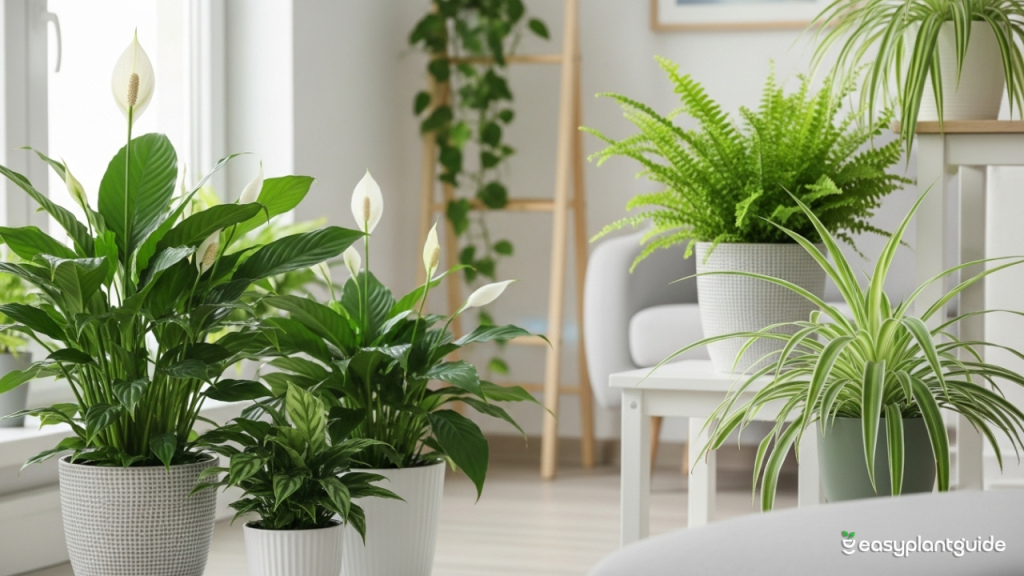
If your home feels a little too damp, like the air is constantly holding onto moisture, you’re not imagining it. Humidity indoors can make rooms feel sticky, uncomfortable, and even lead to mold growth. The good news? Nature has its own quiet little superheroes. Yes, plants that absorb moisture indoors can help balance humidity while making your space look fresh, alive, and cozy. So if you’ve ever wondered, “Can houseplants really act like natural dehumidifiers?”… you’re about to find out. Let’s dive into the green world of humidity-fighting houseplants.
Plants That Absorb Moisture Indoors: 9 Powerful Solutions for a Healthier Home
Indoor plants do more than just sit pretty on shelves and add a touch of green to your space. Plants that absorb moisture indoors actually work like tiny natural dehumidifiers, pulling excess humidity from the air through their leaves and helping maintain a balanced environment.
It’s almost like these plants are quietly cleaning and refreshing your home’s atmosphere without you even noticing. These moisture-loving plants thrive in damp areas such as bathrooms, kitchens, and laundry rooms, helping reduce that sticky, heavy feeling in the air while keeping your space comfortable and fresh.
Why Does Indoor Moisture Become a Problem?
Indoor humidity can build up faster than you think. Everyday activities like cooking, taking hot showers, drying clothes indoors, and even simple breathing all add moisture to the air. When this moisture has nowhere to escape, your home can feel heavy, damp, and uncomfortable—almost like an unwanted tropical greenhouse.
Plants that absorb moisture indoor can cause multiple problems, including damage to furniture and wooden surfaces, condensation forming on windows, persistent musty odors, mold and mildew growth on walls, and increased allergies or breathing discomfort. This is exactly why plants that absorb moisture indoors are so useful—they naturally help reduce humidity, improve air quality, and make your home feel lighter and healthier.
How Do Plants Absorb Moisture From the Air?
Many people don’t realize that certain houseplants can actually pull moisture from the air. They do this through a natural process called transpiration. In simple terms, leaves take in humidity from the surrounding air, roots absorb water and nutrients, and the plant releases oxygen, making the air feel fresher. It’s almost like these plants are quietly “breathing in” moisture and “breathing out” clean air. Some indoor plants are especially good at this because they naturally thrive in humid environments.
Benefits of Using Plants as Natural Dehumidifiers
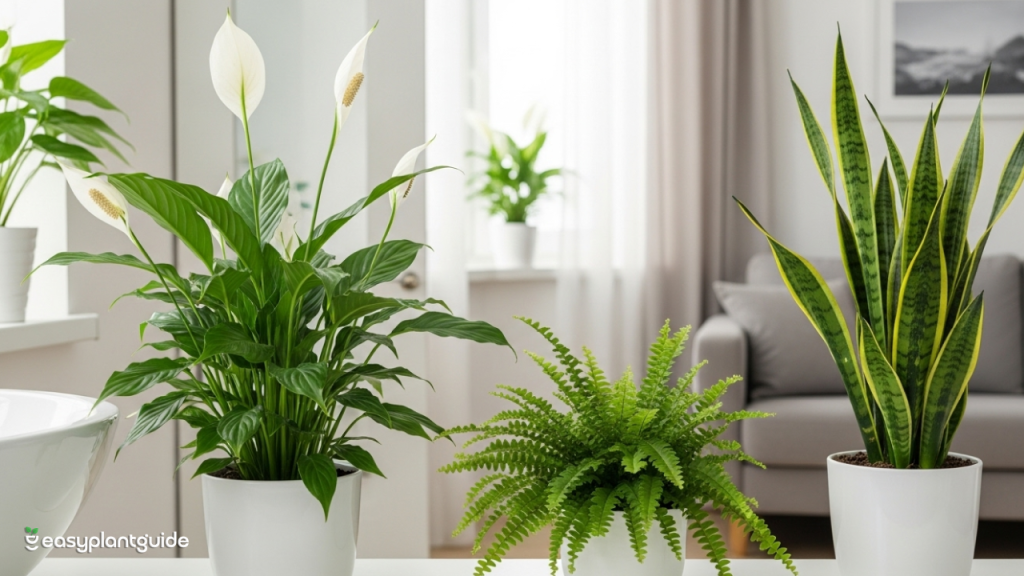
Choosing plants that absorb moisture indoors isn’t just about decorating your home. It’s also about creating a healthier and more comfortable living space.
Reduced Dampness Naturally
Plants that absorb moisture indoors help pull excess humidity from the air, making rooms feel less sticky and heavy. This is especially helpful in bathrooms, kitchens, and other damp areas.
Cleaner Indoor Air
Many of plants that absorb moisture indoors don’t just absorb moisture, they also filter toxins and improve overall air quality. This makes your home feel fresher and more breathable.
Better Breathing and Fewer Allergens
By lowering humidity levels, these plants can reduce mold-friendly conditions. This may help ease allergies, congestion, and other breathing discomfort.
A Calmer, Greener Atmosphere
Indoor plants naturally create a relaxing environment. They bring life, softness, and a peaceful vibe to any space.
Less Mold-Friendly Humidity
Since mold thrives in damp air, keeping humidity balanced with the help of plants can make your home less welcoming for mildew and mold growth.
Best Places to Keep Moisture-Absorbing Plants
Certain rooms collect more humidity than others.
- Bathrooms
- Kitchens
- Laundry rooms
- Basements
- Bedrooms with poor ventilation
9 Best Plants That Absorb Moisture Indoors
Now let’s meet the real stars of the show. These plants that absorb moisture indoors are not only beautiful to look at, but they also work quietly in the background to reduce humidity and improve indoor air quality.
1. Peace Lily (Spathiphyllum)
The peace lily is often considered the queen of humidity control. It thrives in moist air, making it a perfect choice for damp indoor spaces. This plant can also help remove mold spores from the air, which makes your home feel cleaner and healthier. Peace lilies love bathrooms, produce elegant white blooms, and are known for filtering indoor toxins while absorbing excess moisture naturally.
2. Boston Fern
Boston ferns are true humidity lovers. They soak up moisture from the air as if they were designed for it. Their lush green leaves make them especially popular for bathrooms and laundry rooms where humidity levels stay high. These plants that absorb moisture indoors also do well in shaded corners, adding freshness to spaces that feel damp or heavy.
3. English Ivy
English ivy is a climbing plant with a powerful purpose. It thrives in humid environments and is known for helping reduce airborne mold particles. This makes it a great option for basements or rooms that struggle with moisture buildup. Placed in a hanging pot or on a shelf near a window, English ivy acts like a little green detective fighting dampness and mildew.
4. Spider Plant
Spider plants are low-maintenance champions and one of the easiest indoor plants to care for. They absorb humidity while also improving overall air quality, making them a great choice for beginners. If you want plants that absorb moisture indoors without needing constant attention, the spider plant is one of the best options.
5. Snake Plant
Snake plants don’t just look modern and stylish, they are also excellent at regulating indoor humidity. One of their unique benefits is that they release oxygen even at night, making them ideal for bedrooms. Snake plants thrive in low-light areas and require very little watering, making them a strong, silent air purifier with attitude.
6. Orchids
Orchids may look delicate, but they actually love humid air. They absorb moisture while adding an elegant, luxurious vibe to indoor spaces. Orchids do especially well in bright bathrooms or kitchen windowsills where humidity is naturally higher. These plants that absorb moisture indoors are perfect if you want something functional and beautiful at the same time.
7. Areca Palm
If you want something bigger and more tropical, the areca palm is an excellent choice. It works well in larger rooms where humidity needs balancing on a bigger scale. This plant helps maintain moisture control, improves air purification, and gives your home a relaxed, vacation-like atmosphere.
8. Tillandsia (Air Plants)
Air plants are one of the most unique options on this list because they don’t even need soil. They absorb water directly from the air through their leaves, making them natural humidity magnets. These plants that absorb moisture indoors are perfect for small spaces, shelves, or decorative arrangements where traditional pots aren’t practical.
9. Bamboo Palm
The bamboo palm is another moisture-loving indoor plant that thrives in humid environments. It is especially useful for damp corners and rooms that need better airflow. Bamboo palms work beautifully in apartments, offices, and bedrooms where indoor moisture tends to build up over time.
Styling Indoor Plants in Humid Spaces
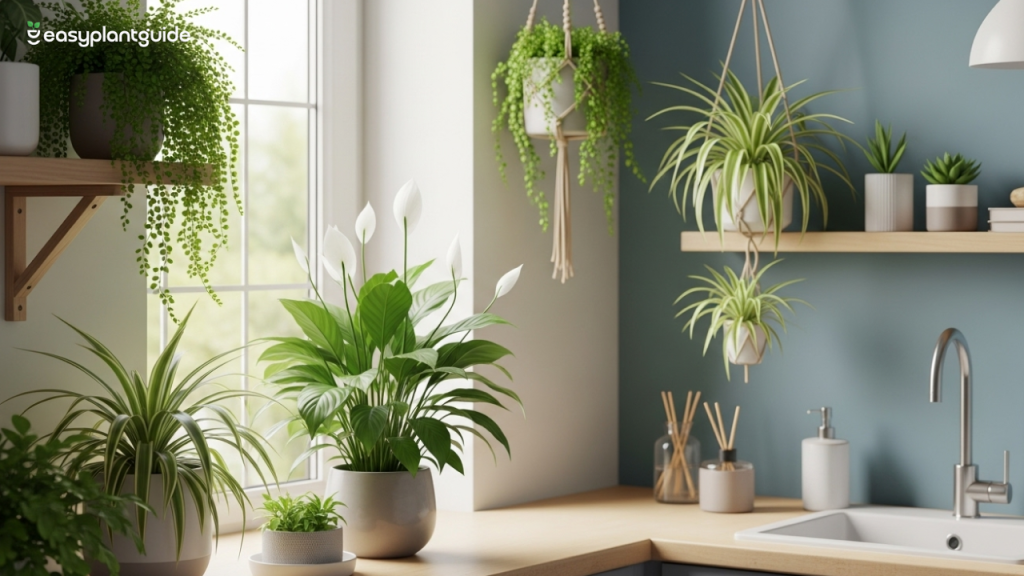
Plants that absorb moisture indoors can also be decor magic.
- Hang ivy in bathroom corners
- Place peace lilies near sinks
- Use palms for tropical living rooms
- Add air plants to shelves
- Group ferns for a mini jungle vibe
Quick Comparison Table of Moisture-Absorbing Plants
| Plant Name | Best Room | Humidity Absorption | Care Level |
|---|---|---|---|
| Peace Lily | Bathroom | High | Medium |
| Boston Fern | Laundry Room | Very High | Medium |
| English Ivy | Basement | High | Medium |
| Spider Plant | Bedroom | Moderate | Easy |
| Snake Plant | Living Room | Moderate | Very Easy |
| Orchid | Kitchen | Moderate | Medium |
| Areca Palm | Large Rooms | High | Medium |
| Air Plants | Small Spaces | Moderate | Easy |
| Bamboo Palm | Office | High | Medium |
5 Signs Your Home Has Too Much Humidity
Sometimes your home gives subtle clues that the air is holding too much moisture. You may not notice it right away, but over time, excess humidity starts showing up in small and obvious ways. One of the most common signs is windows that constantly fog up, especially in the mornings. You might also notice a musty smell lingering in corners or closets, which is often caused by trapped dampness.
Mold spots near ceilings or walls are another warning sign that humidity levels are too high. Many people also describe the air feeling sticky or heavy indoors, even when temperatures are normal. In some cases, peeling paint or damp patches on walls can appear, showing that moisture is settling into your home. If you notice these signs, adding plants that absorb moisture indoors can definitely help balance the air naturally.
How to Care for Humidity-Absorbing Indoor Plants
Plants do their best work when they’re healthy and well cared for. Even though these humidity-loving plants are helpful, they still need the right environment to thrive. The most important thing is avoiding overwatering, because too much water can lead to root rot. Make sure your pots have proper drainage so excess water doesn’t sit at the bottom.
Most plants that absorb moisture indoors prefer bright but indirect sunlight, so placing them near a window with filtered light works well. Some plants enjoy occasional misting, especially those that thrive in humid spaces. Cleaning the leaves regularly is also a good habit, as it helps the plant breathe better and absorb moisture more effectively. Think of it like teamwork: you care for them, and they care for your air.
5 Best Low-Maintenance Plants for Damp Rooms
Not everyone has the time or energy for high-maintenance greenery, and that’s completely okay. The good news is that some of the best plants that absorb moisture indoors are also incredibly easy to manage. Snake plants are perfect for beginners because they survive with minimal watering and low light. Spider plants are another simple option that grows quickly and improves indoor air quality.
Air plants are unique because they don’t even require soil, making them easy to display anywhere. Bamboo palms work well in damp rooms while adding a soft tropical feel. English ivy is also a strong choice, especially for reducing moisture and improving airflow in humid corners. These plants are the ultimate “set it and forget it” humidity helpers.
Do Plants Replace a Dehumidifier?
Let’s be real. While plants that absorb moisture indoors are excellent for naturally reducing indoor humidity, they cannot fully replace an electric dehumidifier in spaces with extreme dampness.
Plants that absorb moisture indoors work best when humidity levels are mild to moderate, when you want a natural boost to air quality, and when combined with proper ventilation. Think of them as helpful assistants rather than miracle machines—they quietly balance moisture, improve indoor air, and add a touch of greenery, but they can’t do all the heavy lifting in very wet environments.
Explore more plant blogs and grow your green journey with us.