
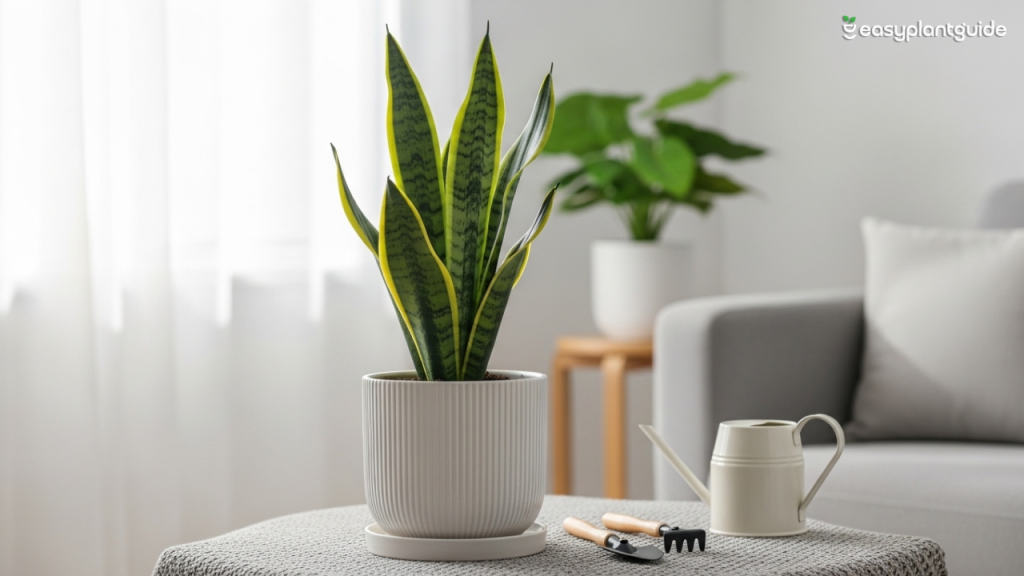
If you’ve been asking yourself, “How do I take care of a snake plant?” you’re in the right place. Snake plants are like the superheroes of the indoor plant world. They’re tough, stylish, and almost impossible to offend… unless you drown them with love (aka too much water). Whether you’re a total beginner or someone who’s accidentally harmed a few houseplants in the past, this guide will make snake plant care feel easy, natural, and even fun. Let’s dig into everything you need to know to keep your snake plant thriving for years.
What Is a Snake Plant?
The snake plant, also known as Sansevieria or Dracaena trifasciata, is a hardy indoor plant famous for its tall, sword-like leaves. It’s basically the plant version of a low-maintenance roommate: quiet, independent, and always looking good. Snake plants are popular because they:
- Survive with little attention
- Grow slowly but steadily
- Look modern in any space
- Improve indoor air quality
- Are beginner-friendly
Why Snake Plant Care Is So Easy
Snake plants don’t demand much. They store water in their thick leaves, which means they can handle a little neglect. If you’ve ever killed a plant by trying too hard, the snake plant will feel like a fresh start. Think of it as a cactus wearing a leafy disguise.
Snake Plant Care Basics (Quick Overview Table)
| Care Factor | Best Condition |
|---|---|
| Light | Indirect light, tolerates low light |
| Water | Every 2–3 weeks (less in winter) |
| Soil | Well-draining cactus/succulent mix |
| Temperature | 60–85°F (16–29°C) |
| Humidity | Normal indoor humidity |
| Fertilizer | Once every 2–3 months in summer |
How Do I Take Care of a Snake Plant Indoors?
If you’ve been wondering how do I take care of a snake plant indoors, the answer is all about balance. Too much water can quickly lead to trouble, too little light can slow down growth, and giving it too much attention can actually cause stress. The sweet spot for anyone asking how do I take care of a snake plant is simple care with patience, because this plant thrives when left to grow naturally.
Choosing the Right Spot for Your Snake Plant
One of the most important steps in learning how do I take care of a snake plant is choosing the right location. Snake plants love bright, indirect light, but they can also survive in low light, making them perfect for indoor spaces. If you want to understand how do I take care of a snake plant indoors, place it near an east-facing window, on a bedroom shelf, or in a living room with filtered sunlight while avoiding harsh direct sun.
Snake Plant Light Requirements
To fully understand how do I take care of a snake plant, you need to know that lighting affects its growth and health. Snake plants are adaptable, but the better the light, the stronger and faster the plant grows. Proper lighting is a key part of how do I take care of a snake plant indoors without issues.
Can Snake Plants Live in Low Light?
Yes, they can, which is why many beginners love learning how do I take care of a snake plant indoors. Snake plants tolerate low light better than most houseplants, but low light is more about survival than thriving. If you want the best results while figuring out how do I take care of a snake plant, brighter indirect light will keep it healthier and more vibrant.
How Often Should You Water a Snake Plant?
Watering is the number one area where most people go wrong when asking how do I take care of a snake plant. Snake plants hate soggy soil, and too much water is the quickest way to damage them. A good rule for anyone learning how do I take care of a snake plant indoors is to water only when the soil is completely dry.
Typical Watering Schedule
A big part of understanding how do I take care of a snake plant is following a seasonal watering routine. In spring and summer, watering every 2–3 weeks is usually enough, while in fall and winter, watering once every 4–6 weeks works best. Checking the soil before watering is essential when learning how do I take care of a snake plant indoors properly.
Signs You’re Overwatering Your Snake Plant
If you’re asking how do I take care of a snake plant, you must avoid overwatering because it causes serious damage. Signs like yellow mushy leaves, a soft base, root rot smell, drooping foliage, or moldy soil are all warnings. Knowing these signs helps you understand how do I take care of a snake plant indoors without killing it with too much water.
Signs You’re Underwatering Your Snake Plant
Although snake plants tolerate drought, learning how do I take care of a snake plant also means recognizing underwatering symptoms. Wrinkled leaves, crispy tips, slow growth, or curling leaves can happen if the plant stays dry for too long. A deep watering can usually fix the issue when figuring out how do I take care of a snake plant indoors.
Best Soil for Snake Plant Health
Another key part of understanding how do I take care of a snake plant is choosing the right soil. Snake plants need fast-draining soil because they hate sitting in moisture, which can lead to root rot. If you want to master how do I take care of a snake plant indoors, always use light, airy soil that prevents water from collecting around the roots.
Best Soil Mix Options
The best soil mix is essential for anyone learning how do I take care of a snake plant successfully. Cactus or succulent potting mix works perfectly, and adding perlite or sand improves drainage even more. Avoid heavy garden soil, because it holds too much moisture and makes how do I take care of a snake plant indoors much harder.
Picking the Right Pot and Drainage
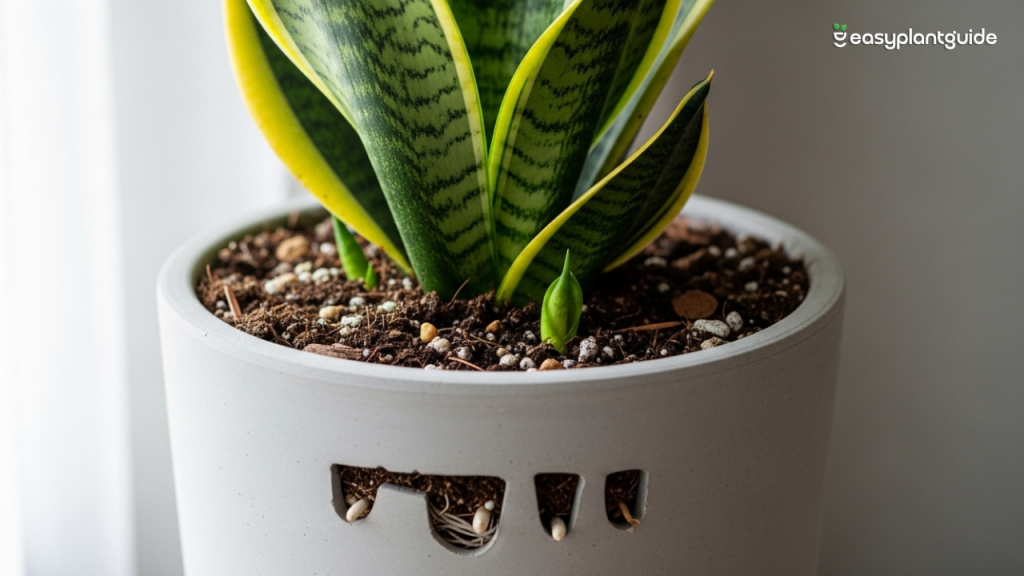
A snake plant without drainage is like a bathtub with no drain. Always choose a pot with holes.
- Terracotta pots (dry out faster)
- Ceramic pots with drainage
- Plastic pots (only if watered carefully)
When and How to Repot a Snake Plant
Snake plants don’t mind being slightly root-bound. Repot every 2–3 years or when:
- Roots grow out the bottom
- The plant becomes too heavy
- Soil stops draining well
Repotting Steps
- Remove plant gently
- Shake off old soil
- Check for rotten roots
- Place in fresh dry soil
- Wait 5–7 days before watering
Snake Plant Fertilizer Needs
Snake plants are not heavy feeders. Too much fertilizer can burn their roots.
Fertilizing Tips
- Feed once every 2–3 months in spring/summer
- Use a diluted houseplant fertilizer
- Skip feeding in winter
Snake Plant Temperature and Humidity
Snake plants enjoy normal indoor conditions.
They prefer:
- Warm temperatures
- Low to average humidity
- No cold drafts
Keep them away from:
- Frosty windows
- Air conditioners
- Heaters blowing directly
Common Snake Plant Problems and Fixes
When learning how do I take care of a snake plant, it’s normal to face a few common problems along the way. Snake plants are hardy, but issues like yellow leaves or drooping can still happen if their basic needs aren’t met. The good news is that most of these problems are easy to fix once you understand the cause.
Why Are My Snake Plant Leaves Turning Yellow?
If you’re wondering how do I take care of a snake plant when the leaves start turning yellow, the most common reason is overwatering. Yellow leaves can also appear when the plant is sitting in poorly draining soil or exposed to cold temperatures for too long. The best fix is to let the soil dry out completely, make sure the pot has proper drainage, and keep the plant in a warm indoor environment.
Why Is My Snake Plant Drooping?
Another issue people face while figuring out how do I take care of a snake plant indoors is drooping leaves. Drooping often happens when the plant is getting too much water, not enough light, or dealing with root stress. To fix this, move the snake plant to a brighter spot with indirect sunlight, reduce watering, and always check the soil moisture before giving it another drink.
Snake Plant Care Tips for Beginners
Let’s make it super simple.
- Water only when soil is dry
- Use well-draining soil
- Keep in indirect sunlight
- Don’t over-fertilize
- Use pots with drainage holes
Styling Snake Plants in Your Home
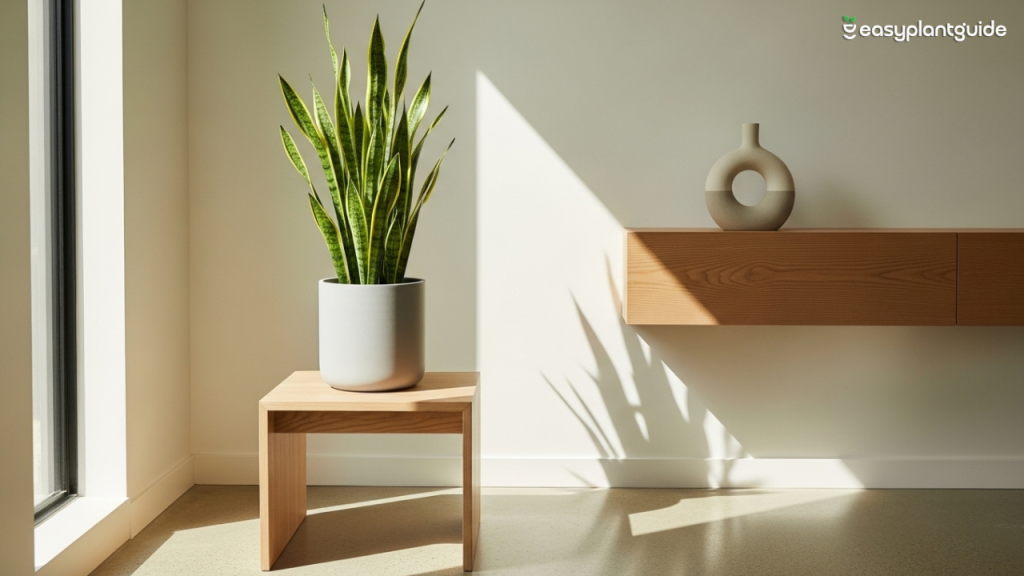
Snake plants are like natural interior décor. They bring structure and elegance without trying too hard.
- On minimalist shelves
- Beside your work desk
- In modern ceramic pots
- Grouped with other succulents
- In bedroom corners for calm vibes
Snake Plant Propagation (Grow More for Free!)
Want baby snake plants? Propagation is surprisingly easy and a fun way to grow your plant collection without spending extra money. With just a little patience, you can create new snake plants from the one you already have, making it perfect for sharing with friends or filling more corners of your home with greenery.
Methods to Propagate Snake Plant
There are several simple ways to propagate a snake plant. Leaf cuttings can be placed in water until roots form, or planted directly into soil for a more natural process. Another popular method is dividing plant pups, which are the small baby plants that grow near the base. You can also separate roots during repotting or grow new plants from rhizomes. Among all these options, division is usually the fastest and most reliable method.
Snake Plant Benefits Beyond Beauty
Snake plants aren’t just pretty decorations sitting in a pot. They’re functional houseplants that bring real value to indoor spaces. Their strong structure and air-cleaning qualities make them one of the most popular plants for modern homes and apartments.
5 Powerful Benefits of Snake Plants
Snake plants help improve indoor air quality by filtering toxins from the air. They also release oxygen at night, which makes them a great choice for bedrooms. Their clean, upright look can reduce visual stress and create a calming atmosphere. Plus, they’re perfect for busy people because they don’t require constant care. In many ways, they feel like little green air guardians quietly working in the background
Final Thoughts on Snake Plant Care
Snake plant care is refreshingly simple. If you remember just one thing, let it be this: Don’t overwater. Snake plants thrive on neglect, patience, and a little sunlight. They’re the perfect plant for beginners, busy people, and anyone who wants a touch of green without the drama. So next time you wonder, “How do I take care of a snake plant?” just think of it as a plant that prefers calm, dry days and quiet corners. Let it be. And it will grow beautifully.
Explore more plant blogs and grow your green journey with us.