
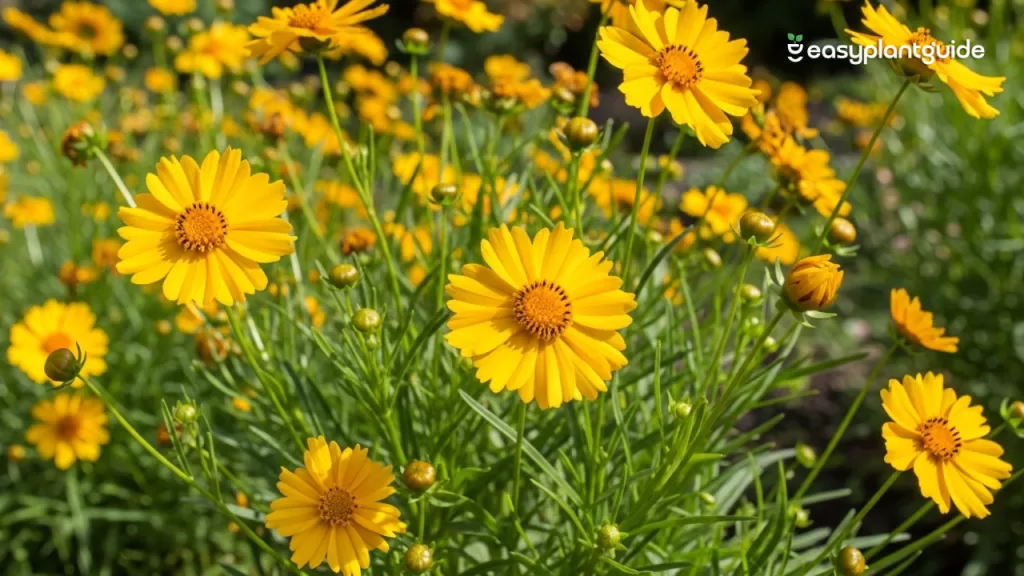
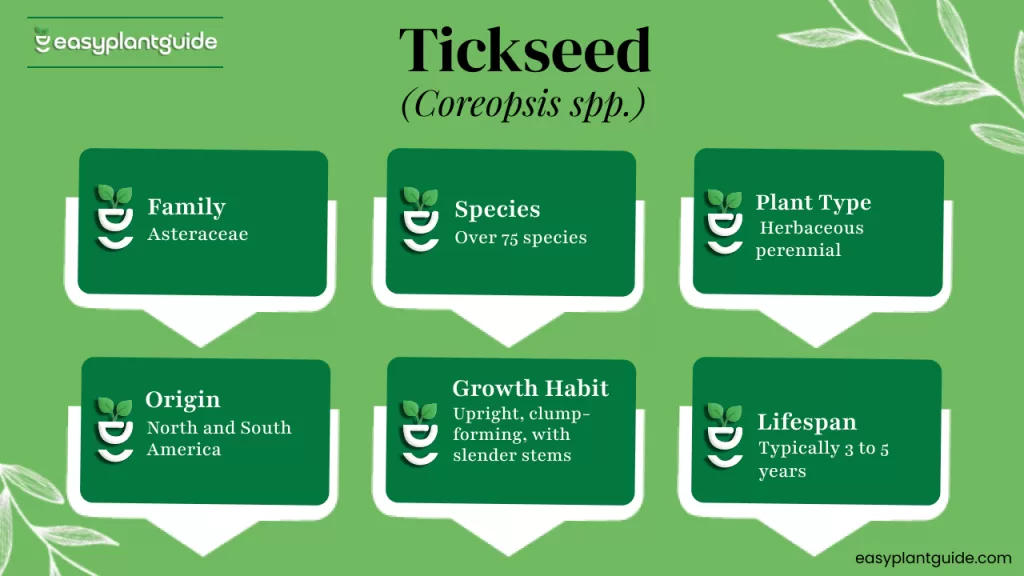
The Coreopsis plant, commonly called tickseed, is a vibrant and versatile perennial that brings a touch of sunshine to any garden. Belonging to the Asteraceae family, this delightful flower is closely related to daisies and sunflowers, sharing their coreopsis plant bright, cheerful charm. Its blooms come in a variety of colors most famously golden yellow, but also shades of pink, red, and orange making it a favorite among gardeners who want to create a lively and colorful outdoor space.
With its long blooming season that stretches from late spring to early fall, Coreopsis ensures your garden remains full of life and color for months on end. Its slender stems and delicate, daisy-like petals create a natural, effortless beauty that complements both wildflower meadows and neatly arranged landscapes.
Why Coreopsis Is So Popular Among Gardeners
If you’ve ever seen a golden field of wildflowers glowing under the sun, chances are you’ve spotted Coreopsis. It’s popular because it’s:
- Low-maintenance and hardy
- Perfect for beginners
- Loved by butterflies and bees
- Tolerant of heat and drought
- Great for continuous summer blooms
These features make it one of the most reliable perennials for any landscape.
Different Types of Coreopsis Plants
The Coreopsis plant family includes a wide range of species and hybrids, each offering unique colors and forms.
You can find varieties that bloom in yellow, pink, red, and even bicolor shades.
Some species have delicate, fern-like leaves, while coreopsis plant others feature broader foliage for a fuller look.
They vary in height, making them suitable for borders, containers, or wild gardens.
No matter the type, every Coreopsis adds a burst of cheerful color and energy to your landscape.
| Type | Color | Height | Blooming Season |
| Coreopsis lanceolata | Golden yellow | 1–2 ft | Late spring to midsummer |
| Coreopsis grandiflora | Deep yellow | 1–3 ft | Summer to early fall |
| Coreopsis verticillata | Pale yellow | 2–3 ft | Mid to late summer |
| Coreopsis rosea | Pink | 1–2 ft | Early to late summer |
| Coreopsis tinctoria | Yellow with red centers | 2–4 ft | Summer |
Where to Plant Coreopsis for Best Results
Selecting the perfect location is key to growing healthy Coreopsis plants.
They thrive best in full sunlight and prefer well-drained, sandy, or loamy soil.
Aim for a spot that receives at least 6 hours of direct sunlight each day.
Planted in the right place, Coreopsis will coreopsis plant reward you with vibrant blooms all season long.
Ideal conditions include:
- Full sun exposure
- Sandy or loamy soil
- Moderate watering
- Good airflow to prevent mildew
Avoid soggy areas since Coreopsis dislikes waterlogged roots.
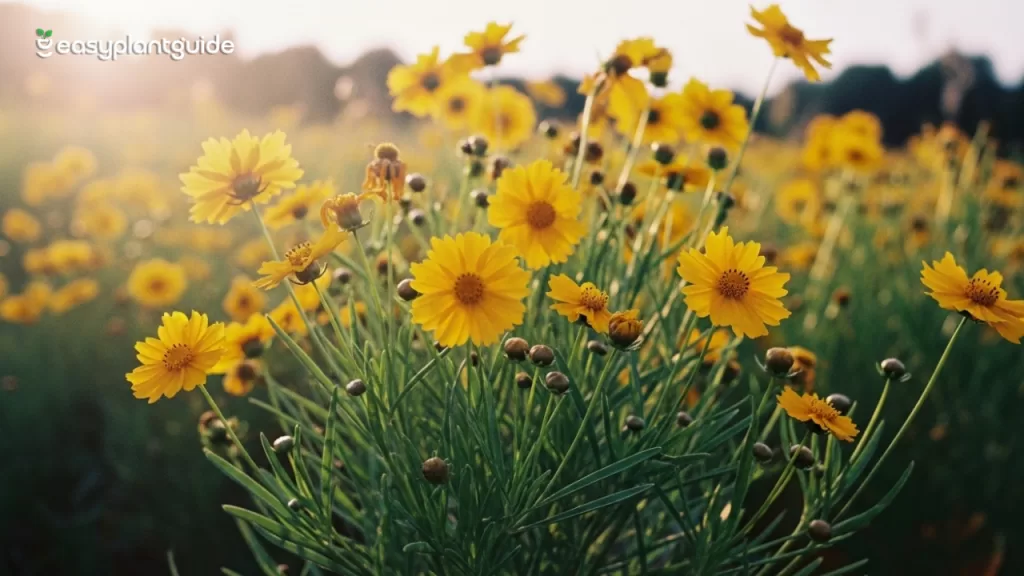
How to Grow Coreopsis from Seeds
Growing Coreopsis from seeds is easy and rewarding. Here’s a simple step-by-step guide:
- Fill a tray with seed-starting mix.
- Sprinkle the Coreopsis seeds lightly on top.
- Gently press them into the soil but don’t cover coreopsis plant them too much — they need light to germinate.
- Keep the soil slightly moist.
- Place the tray in a warm, bright spot.
In 2 to 3 weeks, you’ll see tiny sprouts ready to be transplanted outdoors.
Best Time to Plant Coreopsis
- Spring planting: Best after the last frost when the soil starts warming up.
- Fall planting: Ideal about six weeks before the first frost to allow root growth.
- Mild climates: Fall planting gives plants a head start for spring blooms.
- Cold regions: Spring planting prevents frost damage to young roots.
- General tip: Always plant Coreopsis when the soil is workable and not soggy.
Spring planting gives the plant time to establish before summer blooms. Fall planting works well in mild climates.
Coreopsis Care Guide
To keep your Coreopsis plant blooming beautifully throughout the season, it’s important to give it just a little bit of attention and consistent care. Although Coreopsis is known for being low-maintenance, following a few simple steps can make a big difference in how long and how vibrantly it flowers. Start with watering Coreopsis prefers well-drained soil and doesn’t like to stay soggy. Water deeply once a week, allowing the soil to dry slightly between watering sessions. During extremely hot or dry weather, you can increase the frequency, but be careful not to overwater, as too much moisture can cause root rot.
Next, focus on feeding and pruning. In early spring, use a balanced, slow-release fertilizer to give the plant a healthy boost before the growing season begins. Avoid over-fertilizing, as too much nitrogen can cause lush leaves but fewer blooms. Regular deadheading, or removing faded flowers, encourages continuous blooming and keeps the plant looking neat.
You can also trim back the entire plant by one-third in midsummer to promote fresh growth and a new wave of blossoms. Lastly, apply a layer of mulch around coreopsis plantthe base to retain soil moisture, suppress weeds, and maintain even soil temperature. With just these few simple care routines, your Coreopsis will flourish effortlessly, rewarding you with a dazzling sea of color that lasts from spring to fall.
5 Quick Tips for Healthy Coreopsis Growth
- Ensure 6–8 hours of sunlight daily.
- Avoid overwatering to prevent root rot.
- Trim old stems during fall for tidy regrowth.
- Fertilize lightly once or twice a year.
- Divide clumps every 2–3 years to rejuvenate growth.
Common Problems and How to Fix Them
Even the toughest plants face challenges sometimes. Here are some common Coreopsis problems and their fixes:
- Powdery Mildew: Improve air circulation and avoid overhead watering.
- Aphids: Spray with neem oil or soapy water.
- Yellow Leaves: Usually due to overwatering — check the soil.
- No Blooms: Ensure it’s getting full sun and deadhead regularly.
- Leggy Growth: Cut back after flowering to promote bushiness.
5 Impressive Benefits of Growing Coreopsis
- Attracts Pollinators – Bees and butterflies love its nectar.
- Low Maintenance – Ideal for busy or coreopsis plant beginner gardeners.
- Long Blooming Season – Flowers from late spring to fall.
- Great for Cut Flowers – Makes lovely bouquets.
- Improves Garden Aesthetics – Adds color and charm effortlessly.
Using Coreopsis in Your Landscape Design
Garden borders and edges: Add a cheerful, golden outline to flower beds.
Rock gardens: Thrive in dry, sunny spots with minimal care.
Wildflower meadows: Blend naturally with native plants for a rustic look.
Pollinator gardens: Attract bees, butterflies, and other beneficial insects.
Container gardens: Perfect for patios and coreopsis plantbalconies with limited space.
Cottage gardens: Enhance the informal charm with continuous blooms.
Mixed perennial beds: Pair beautifully with purple or blue flowers for striking contrast.elight.
How to Propagate Coreopsis Easily
You can expand your collection through division or cuttings:
- Division: Every 2–3 years, divide coreopsis plant mature plants in spring or fall.
- Cuttings: Take softwood cuttings and root them in moist soil.
Both methods ensure new plants with the same vibrant traits as the parent.
Overwintering and Seasonal Care
When winter approaches, don’t worry — Coreopsis is hardy. For extra protection:
- Cut back stems after flowering ends.
- Add a layer of mulch to insulate roots.
- Avoid watering too much during cold months.
- Remove dead material in early spring.
- Watch for new shoots as temperatures rise.
This ensures your Coreopsis returns stronger each year.
Companion Plants for Coreopsis
Pairing Coreopsis with the right plants enhances both beauty and health. Great companions include:
- Lavender
- Coneflower
- Black-eyed Susan
- Shasta Daisy
- Salvia
These combinations attract pollinators and create a vibrant, balanced ecosystem.
Coreopsis in Containers: A Portable Sunshine
If you have limited space, don’t worry Coreopsis thrives in containers too!
Just remember these key points:
- Use a large pot with drainage holes.
- Fill with light potting soil.
- Place in full sunlight.
- Water only when the top soil coreopsis plant feels dry.
- Fertilize once a month during the growing season.
Container Coreopsis adds instant coreopsis plant brightness to balconies, patios, and entryways.
5 Reasons Coreopsis Is a Must-Have Flower
- It’s drought-tolerant once established.
- Blooms continuously through summer.
- Works well in both formal and wild gardens.
- Attracts bees, butterflies, and songbirds.
- Returns year after year with minimal effort.
Coreopsis proves that beauty doesn’t have to be complicated.
Conclusion
The Coreopsis plant is more than just a garden flower — it represents simplicity, resilience, and pure joy. Its golden, sun-like blooms brighten up any space, filling it with warmth and positivity. What makes it even more appealing is how little effort it requires to thrive. Whether you’re a beginner learning the basics of gardening or an experienced grower looking for reliable color, Coreopsis fits perfectly into any landscape. Its ability to flourish in various soils and weather conditions makes it a true symbol of nature’s effortless beauty and strength. Every bloom feels like a small burst of happiness that instantly lifts your garden’s mood.
So why wait to bring this sunshine home? Planting a few Coreopsis plants can transform your outdoor space into a golden paradise that blooms season after season. Whether grown in garden beds or decorative pots, these cheerful flowers will continue to thrive with minimal care, rewarding you with their dazzling color and vitality. Each petal reminds you that beauty can be simple, and joy often grows in the most effortless ways.
Checkout for more Blogs Details here.