
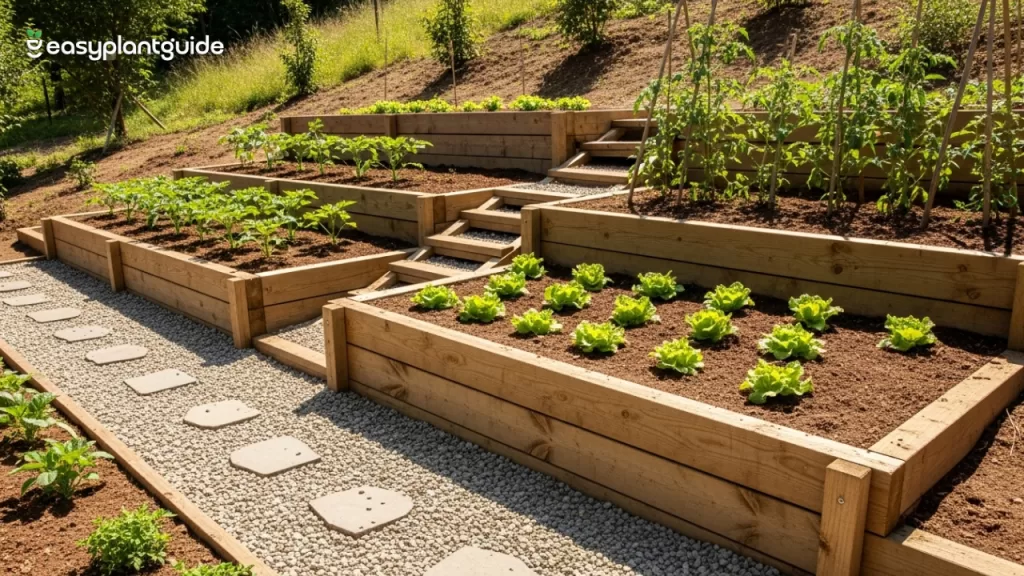
Building a garden terrace is one of the smartest landscaping solutions for sloped yards. It transforms uneven, wasted ground into beautiful multi-level spaces that are functional and visually appealing. Whether you dream of growing vegetables, creating flower beds, or adding outdoor seating, learning how to build a garden terrace gives you the power to redesign your backyard affordably. In this detailed step-by-step guide, we’ll explore everything you need to know—from planning and materials to construction and drainage—so you can build a safe and stunning terraced garden even as a beginner.
What Is a Garden Terrace?
A garden terrace is a series of flat levels or steps constructed on a sloped piece of land to create stable, usable spaces. Instead of letting rainwater wash away soil, terraces break up the slope and prevent erosion, making the land safer and more productive. Each level is supported by a small retaining wall made of wood, stone, or concrete, which holds the soil in place.
Benefits of Building a Garden Terrace
Why bother terracing your yard? Simple — the advantages are huge. First, it provides better erosion control by keeping soil in place, especially on sloped land. It also creates more usable gardening space, turning steep areas into productive planting zones. A garden terrace improves water distribution by slowing runoff and allowing moisture to absorb into the ground. It adds a stronger landscaping structure to your yard, making it look organized and visually appealing. Most importantly, a well-designed terraced garden can significantly increase the value of your property.
Planning Your Terraced Garden
Before you pick up a shovel, planning is the first and most important step in understanding how to build a garden terrace. Proper planning helps you avoid structural issues, drainage problems, and wasted time during construction. When deciding how to build a garden terrace, start by measuring the slope of your yard to determine how many levels or retaining walls are needed.
Think about how you will use each level—vegetable beds, flower areas, or seating spaces—because purpose affects design. You should also choose strong and affordable materials like stone, concrete blocks, or treated wood. Finally, include drainage and safety in your design to prevent erosion and wall failure. When you plan carefully, learning how to build a garden terrace becomes easier, faster, and more successful.
Tools and Materials You Will Need
| Tool/Material | Purpose |
|---|---|
| Shovel & Rake | Leveling soil and digging |
| Landscape Fabric | Preventing weed growth |
| Retaining Wall Blocks | Building terrace walls |
| Gravel & Sand | Drainage and foundation base |
| Wooden Stakes & String | Marking layout |
| Wheelbarrow | Moving soil |
| Level Tool | Ensuring straight walls |
| Plants & Soil Mix | Finishing terrace levels |
Step-by-Step: How to Build a Garden Terrace
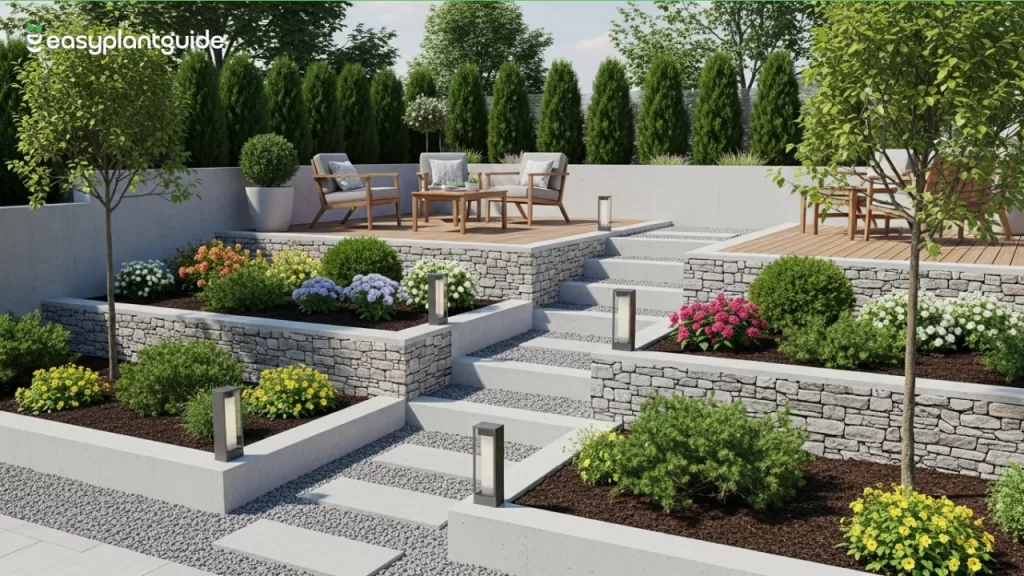
If you’re wondering how to build a garden terrace on a slope, here is a simple and practical DIY method anyone can follow.
Step 1: Mark the Terrace Layout
Begin by marking the layout of your terraces. Use wooden stakes and string to outline where each level will go. This gives you a clear plan to follow and helps you visualize the shape and size of each terrace before you start digging.
Step 2: Dig Into the Hill
Digging is the most important part of terracing. Always start from the bottom of the slope and move upward so each terrace has a strong foundation. Cut into the slope to create flat steps and avoid making each level higher than 2 feet to prevent excess soil pressure.
Step 3: Build the Retaining Wall
Once the ground is shaped, build the retaining wall for the first terrace. Start with a compacted gravel base for stability. Then, stack retaining wall blocks, wood beams, or stones securely. Backfill behind the wall with soil and press it firmly to hold everything in place.
Step 4: Install Drainage
Proper drainage is essential for preventing wall damage. Add a layer of gravel behind the wall and lay a perforated PVC drainage pipe to allow water to flow out instead of building up behind the wall, which could cause it to collapse over time.
Step 5: Backfill and Level the Terrace
Fill the terrace level with a rich soil mix and level it using a rake. Compact the soil gently to prevent sinking later. Once the surface is even and firm, your first terrace is ready for planting or decorating. Repeat these steps for each additional level until your garden slope is fully terraced.
Terracing With Retaining Walls
When learning how to build a garden terrace, choosing the right retaining wall material is one of the most important decisions. Retaining walls shape each level and must be strong enough to hold back soil while adding beauty to your landscape. Concrete blocks are a popular choice because they are durable and ideal for long-term support. Natural stone offers a rustic look and blends perfectly with outdoor spaces. If you’re building on a budget, treated wooden sleepers provide a simple and cost-effective option.
For a modern design, gabion baskets filled with rocks create a bold and sturdy structure. Brick walls are another timeless option that provides strength and traditional style. No matter which material you choose, make sure it matches your layout, drainage plan, and overall vision for how to build a garden terrace successfully.
Drainage Tips for Terraced Gardens
When learning how to build a garden terrace, one of the biggest mistakes people make is ignoring proper drainage. Without good drainage, water can build up behind the retaining walls, causing pressure that may eventually make them collapse. Effective drainage keeps your terraces safe, stable, and long-lasting. Here are some essential drainage tips for terraced gardens:
- Add gravel behind each wall to create a space where water can naturally flow and filter through instead of soaking into the soil.
- Install perforated drainage pipes (also known as French drains) behind the retaining walls to safely direct excess water away from the terrace.
- Slope each terrace slightly backward so that water drains into the soil instead of running straight off the edge and eroding the walls.
- Use a sandy soil mixture for better water flow, as heavy clay soil can trap water and create waterlogging.
- Add trenches if rainfall is heavy in your area to prevent flooding and keep your terraces healthy and secure.
Best Soil Mix for Terracing
When learning how to build a garden terrace, using the right soil mix is important for healthy plant growth and good drainage. A balanced mix keeps the soil loose and prevents compaction on terrace levels. Use the following mixture:
- 40% topsoil
- 30% compost
- 20% sand
- 10% perlite or vermiculite
Maintenance and Erosion Control
Even after you learn how to build a garden terrace, proper maintenance is essential to keep it strong and long-lasting. One of the best ways to protect your terraces from erosion is by adding mulch, as it helps retain soil moisture and prevents rain from washing soil away. Planting deep-rooted shrubs, groundcovers, or grasses also strengthens the soil by holding it firmly in place.
Using edging materials like stones or timber around each level can prevent soil from shifting over time and keep the terrace neat. It’s also important to inspect and clean your drainage pipes at least once a year to ensure they are working properly and not blocked. If you notice any weak or leaning sections in the retaining walls, reinforce them immediately to avoid collapse and larger repairs later. Regular care will keep your terraced garden safe, beautiful, and functional for years.
Common Mistakes to Avoid When Learning How to Build a Garden Terrace
Even though terracing a sloped yard is a powerful way to add beauty and functionality, many beginners make mistakes that cost time, money, and effort. Understanding what to avoid is just as important as learning how to build a garden terrace correctly.
1. Building Terraces Without Proper Drainage
One of the biggest mistakes people make when figuring out how to build a garden terrace is ignoring drainage. Without proper drainage behind retaining walls, water pressure builds up and can cause the wall to crack or collapse. Always install a perforated drainage pipe and use gravel to allow excess water to escape safely.
2. Skipping the Gravel Base
A strong foundation is essential when building terraces. If you skip the gravel base and place retaining wall blocks directly on soil, the walls will shift over time. A compacted gravel base gives your terrace stability and prevents sagging.
3. Making Terraces Too Tall
When learning how to build a garden terrace, avoid creating very tall walls. Taller terraces put extra pressure on the retaining system and can become dangerous. It is better to build several smaller terraces instead of one tall one. Keeping each level under 2 feet improves safety and structure.
4. Using Poor Quality Soil
Good soil is the key to healthy plants and long-lasting terraces. If you use heavy clay or poor-quality fill, water won’t drain properly, and plants will struggle to grow. Use a balanced soil mix to improve drainage and root growth on each terrace level.
5. Forgetting Weed Control Fabric
Another common mistake when people are learning how to build a garden terrace is forgetting to use weed control fabric. Without it, weeds grow through the soil and retaining wall gaps, ruining the look of your garden and competing with your plants for water and nutrients. Always install weed fabric before backfilling with soil.
Budget Ideas for DIY Garden Terracing
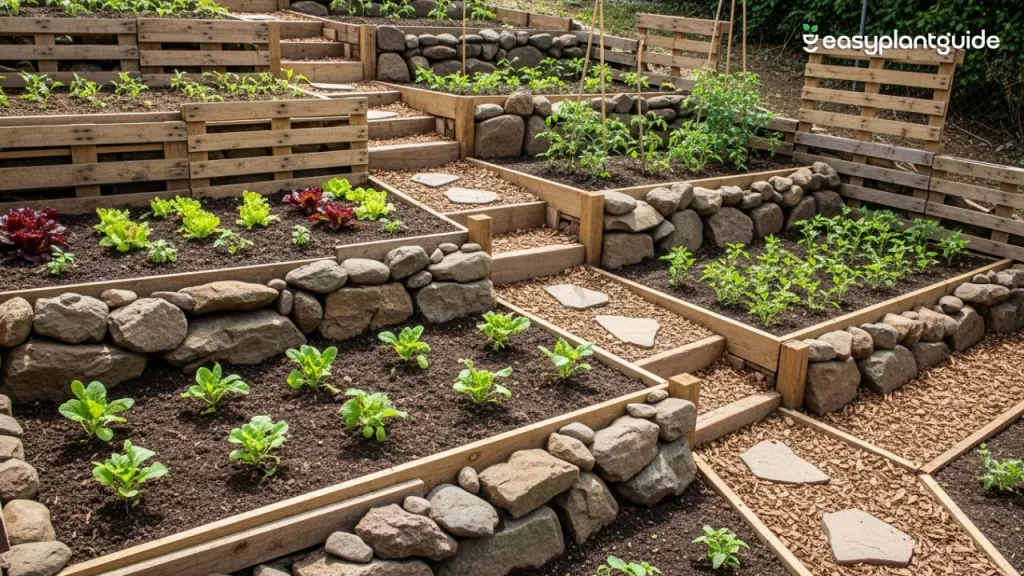
If you are learning how to build a garden terrace on a budget, you don’t need expensive materials. These affordable terracing ideas are perfect for small gardens and DIY landscaping:
- Recycled timber – Old fence panels or construction wood can be reused to build sturdy terrace borders without spending much.
- Old bricks or pavers – Leftover bricks from renovation projects make excellent retaining walls and give a neat, classic look.
- Natural logs – Tree logs are an eco-friendly option for rustic terracing and work well in woodland or cottage gardens.
- Pallets for mini terraces – Wooden pallets can be repurposed to create small raised beds or step-style terraces for herbs or flowers.
- DIY stone walls from local rocks – Collecting stones from your local area is a great way to build strong terrace walls with a natural appearance at no cost.
Safety Tips During Construction
Before learning how to build a garden terrace, it is important to prioritize safety during the construction process. Working with tools, lumber, and heavy materials can be risky, so follow these essential safety precautions:
- Wear gloves – They protect your hands from splinters, nails, and sharp tools while working with wood and metal.
- Use steel-toed boots – These prevent foot injuries from dropped tools, heavy boards, or accidental slips.
- Avoid working alone – Having someone with you ensures help is available in case of injury or an emergency.
- Lift with your legs, not your back – Proper lifting technique prevents back strain and long-term injuries.
- Keep kids away from tools – Construction sites can be dangerous, so make sure children stay at a safe distance while you build.
Final Thoughts
Learning how to build a garden terrace can transform your sloped yard into a stunning and functional outdoor space. Whether you want a vegetable patch, flower garden, or a relaxing seating area, terracing opens up endless design possibilities. When planning how to build a garden terrace, start with a clear layout, use strong retaining materials, and ensure proper drainage to prevent soil erosion. If you follow each step carefully and build from the bottom level upward, you’ll discover that how to build a garden terrace is easier than you think—no professional contractor needed.
Explore more plant blogs and grow your green journey with us.