
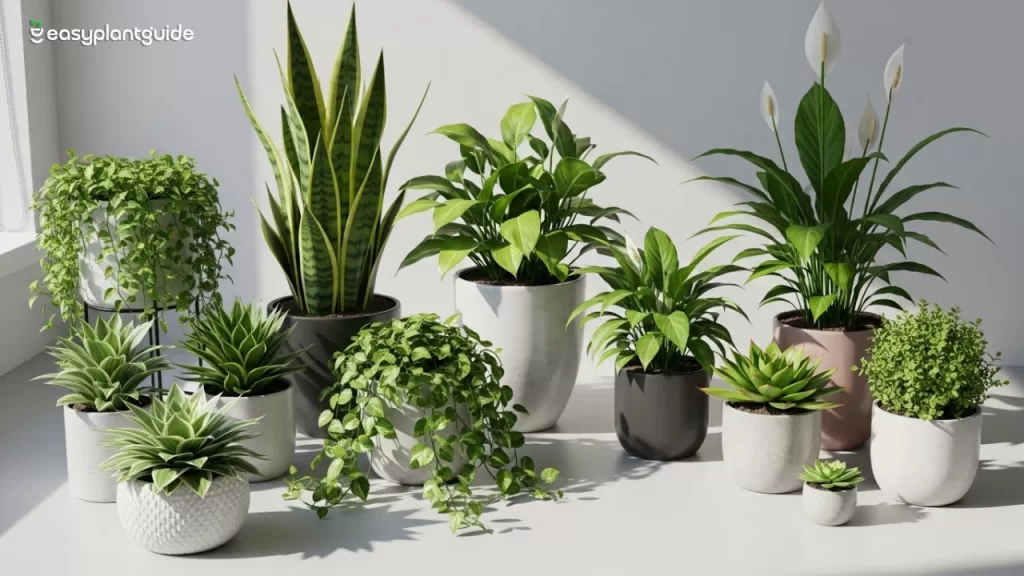
Are you tired of staring at a dull, lifeless desk every day? Adding office table plants is one of the simplest ways to breathe life into your workspace. Not only do they look fantastic, but they also improve air quality, reduce stress, and boost productivity. Let’s dive into everything you need to know about choosing, caring for, and styling your desk greenery.
Why Office Table Plants Are a Game-Changer
Office table plants aren’t just decorative—they’re mood enhancers. Think of them as tiny green therapists that sit quietly on your desk while you tackle deadlines. Here’s why they matter:
- Reduce stress and anxiety naturally
- Improve concentration and productivity
- Purify indoor air and remove toxins
- Add aesthetic appeal to your office
- Create a calming, refreshing atmosphere
5 Benefits of Having Office Table Plants
You might wonder, “Do plants really make a difference at work?” Absolutely. Here are five ways office table plants can positively impact your workspace:
1. Increase Focus and Memory Retention
Having plants nearby can help improve concentration and memory. Studies show that even small greenery on your desk can make you more attentive and productive.
2. Lower Stress and Blood Pressure Levels
Office plants create a calming atmosphere, helping reduce stress and anxiety. Their presence can even contribute to lower blood pressure during hectic workdays.
3. Absorb Toxins, Improving Air Quality
Plants like Pothos, Snake Plant, and Peace Lily naturally filter toxins from the air, making your workspace cleaner and healthier.
4. Boost Creativity and Problem-Solving
Greenery stimulates the mind. Looking at plants or caring for them encourages creative thinking and helps you approach problems with fresh ideas.
5. Enhance Overall Office Aesthetics
Plants add life and beauty to your desk, making your office environment more inviting. A visually appealing workspace can boost mood and motivation.
Office Table Plants and Mental Health
Greenery in the office has a surprisingly positive effect on mental well-being. Having office table plants nearby can significantly reduce workplace stress, creating a calmer and more relaxed environment. Not only do they help improve mood and overall job satisfaction, but they also enhance focus and increase attention span, allowing you to work more efficiently.
Plants encourage small mindfulness breaks during the day, giving your mind a chance to pause and recharge. This simple interaction with nature can spark creativity and innovation, helping you think outside the box and approach problems with fresh ideas. In short, having plants on your desk isn’t just about decoration—it’s a subtle yet powerful way to boost your mental health and overall productivity.
How to Decorate Your Desk With Plants
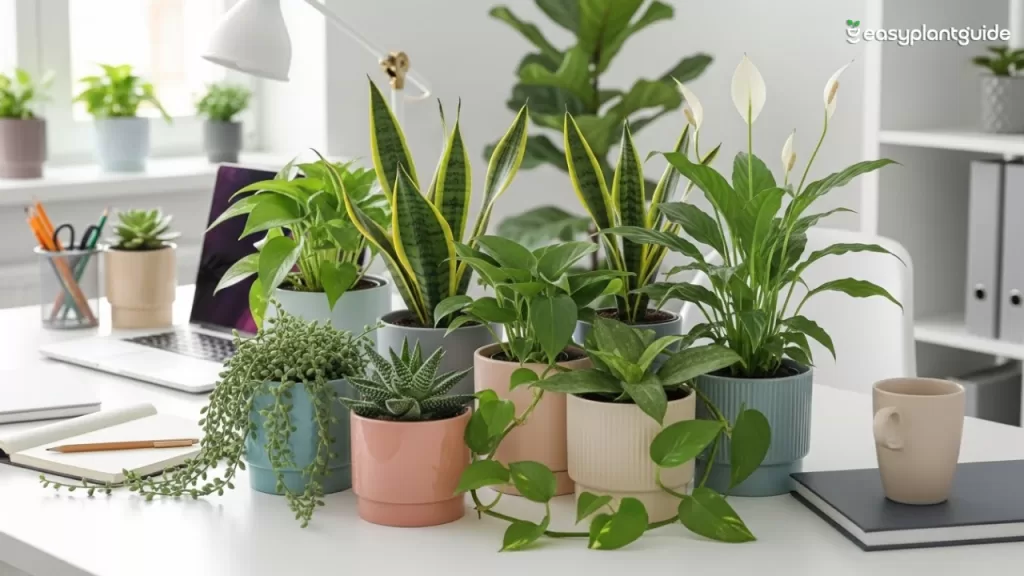
Sprucing up your desk is easier than you think. Try these tips:
- Mix tall and short plants for visual interest
- Use decorative pots to match office style
- Place succulents in clusters
- Hang trailing plants for vertical greenery
- Rotate plants regularly for even growth
Best Office Table Plant Combinations
| Plant 1 | Plant 2 | Why It Works |
|---|---|---|
| Snake Plant | Pothos | Contrasting height and texture |
| Succulents | Air Plants | Low-maintenance combo |
| Peace Lily | ZZ Plant | Adds elegance and greenery |
| Aloe Vera | Cactus | Minimal watering, high impact |
| Bamboo | Fern | Refreshing, calming mix |
Caring Tips for Healthy Desk Plants
Healthy office table plants make for a vibrant and inviting workspace, but they do require some basic care. Water your plants moderately, making sure not to drown the roots, as too much moisture can lead to root rot. Place your plants in areas with indirect sunlight to prevent leaf burn while still giving them enough light to thrive. Using well-draining soil ensures that excess water doesn’t accumulate, keeping roots healthy. Regularly clean the leaves with a damp cloth to remove dust and allow for optimal photosynthesis. Additionally, fertilizing occasionally will provide the nutrients your plants need for steady growth and lush foliage. By following these simple tips, your desk plants will stay healthy, happy, and visually appealing.
Top 5 Office Table Plants for Beginners
If you’re new to indoor plants, start with low-maintenance options that thrive in office conditions. Here are five beginner-friendly choices:
1. Snake Plant
The Snake Plant is perfect for low-light offices. It requires minimal watering and is extremely hardy, making it ideal for beginners. Its upright, sword-like leaves add a modern touch to any desk.
2. Pothos
Pothos is a fast-growing vine that purifies the air. Its trailing leaves make it perfect for desks or shelves. It’s forgiving if you occasionally forget to water it.
3. ZZ Plant
ZZ Plants are extremely resilient and can tolerate low light and neglect. Their glossy, dark green leaves give a stylish, polished look to any workspace.
4. Peace Lily
Peace Lilies are elegant and even produce white flowers indoors. They improve air quality and can survive in low-light areas, making them a beautiful and functional choice for your desk.
5. Succulents
Succulents are tiny, cute, and almost maintenance-free. They require minimal watering and come in a variety of shapes and colors, perfect for small desks or office corners.
5 Air-Purifying Office Table Plants
If your goal is cleaner air, these plants are your best friends:
- Spider Plant: Removes formaldehyde
- Boston Fern: High humidity lover
- Bamboo Palm: Great for low light areas
- Aloe Vera: Purifies air & heals skin
- Peace Lily: Filters benzene & trichloroethylene
Office Table Plants That Flower
Want a pop of color at your desk? Try these flowering options:
- Peace Lily: White blooms, low maintenance
- African Violet: Vibrant purple flowers
- Kalanchoe: Long-lasting bright flowers
- Begonia: Pink, red, or white flowers
- Orchid: Elegant, exotic blooms
How to Avoid Plant Stress in Offices
Just like us, office table plants can experience stress, which affects their growth and overall health. To keep them thriving, avoid placing them in direct harsh sunlight that can scorch their leaves, and be careful not to overwater or underwater them, as inconsistent moisture can harm their roots. Maintaining a stable office temperature is important, since sudden drafts or heat fluctuations can shock the plants. Rotating your plants occasionally ensures even growth on all sides, and keeping pests away with gentle sprays or natural remedies will help them stay healthy and vibrant. With these simple care practices, your desk greenery can flourish and continue to brighten your workspace.
DIY Desk Plant Projects
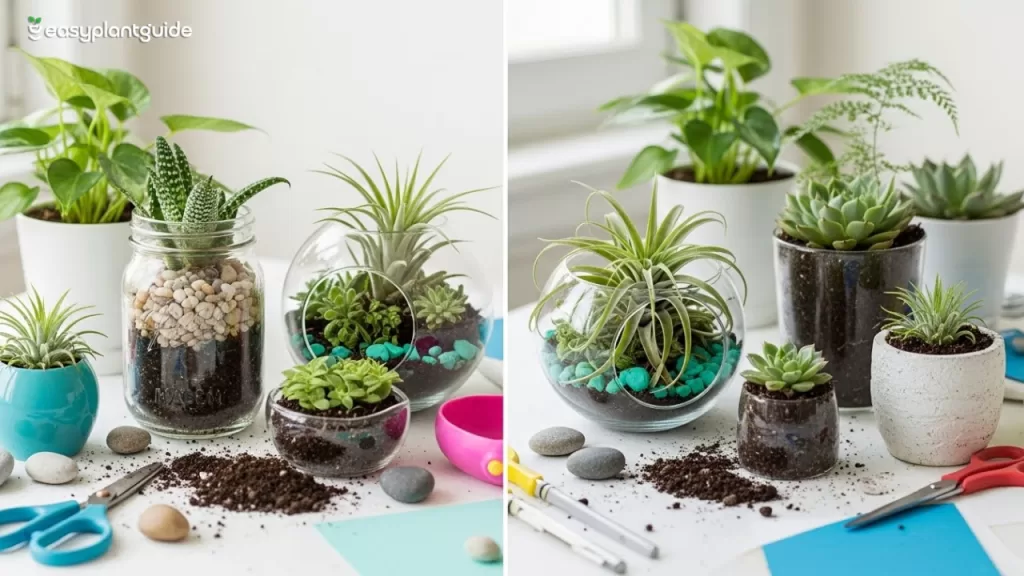
If you enjoy a hands-on approach, create these mini plant projects:
- Mason jar terrariums
- Succulent gardens in small containers
- Hanging air plant displays
- Mini bonsai pots
- Recycled container planters
5 Common Mistakes With Office Table Plants
Even experienced plant lovers can make mistakes when caring for office table plants. Here are five common pitfalls to watch out for:
1. Overwatering or Underwatering
One of the most frequent issues is giving plants too much or too little water. Overwatering can cause root rot, while underwatering can stunt growth and dry out leaves.
2. Ignoring Sunlight Requirements
Placing a plant in too little or too much light can stress it and affect its health. Always match the plant to the light conditions of your workspace.
3. Using Poor-Quality Soil
Low-quality soil may lack essential nutrients, limiting a plant’s growth and overall health. Using well-balanced, nutrient-rich soil is key for thriving plants.
4. Neglecting to Clean Leaves
Dust and debris can accumulate on leaves, reducing photosynthesis and making the plant look dull. Regularly wiping leaves with a damp cloth helps maintain their health and vibrancy.
5. Crowding Plants Too Closely
Placing plants too close together prevents proper airflow, increasing the risk of pests and disease. Ensure enough space between plants for healthy growth.
Office Table Plants for Small Desks
Short on space? No problem! Office table plants for small desks can be compact yet highly effective at brightening up your workspace. Mini succulents are perfect for tiny corners and require minimal care, while small ferns add a touch of lush greenery without taking up much room. Air plants in tiny holders are versatile and don’t need soil, making them ideal for creative displays. Aloe Vera in small pots not only looks stylish but also offers natural air-purifying benefits. Lucky bamboo stalks are another excellent choice, bringing a sense of tranquility and good energy to even the smallest desk. With these compact options, you can enjoy the benefits of desk greenery without cluttering your workspace.
Choosing the Right Plant for Your Desk
Not every plant is suitable for an office desk, so it’s important to choose wisely. Start by assessing the lighting available in your workspace—some plants thrive in bright indirect light, while others can survive in low-light conditions. Consider your desk space as well, making sure the plant and its pot fit comfortably without overcrowding your work area. Think about maintenance too; select plants that match the amount of time and effort you can dedicate to watering and care.
Some plants also have better air-purifying abilities, so if improving indoor air quality is a priority, choose varieties like Snake Plants or Peace Lilies. Lastly, let your personal style guide your choice—your plant should complement your office décor and create a workspace that feels both inviting and inspiring.
The Final Word on Office Table Plants
Adding office table plants is more than a decorative trend—it’s a lifestyle upgrade. From purifying air to boosting creativity and mood, these little green companions make your workspace healthier, happier, and more productive. Whether you’re a plant newbie or a seasoned plant parent, there’s a perfect desk plant waiting for you. Remember, the key is choosing the right plants, giving them proper care, and letting them bring life and energy to your office. Your desk isn’t just a place for work—it can be your little green sanctuary too.
Explore more plant blogs and grow your green journey with us.