
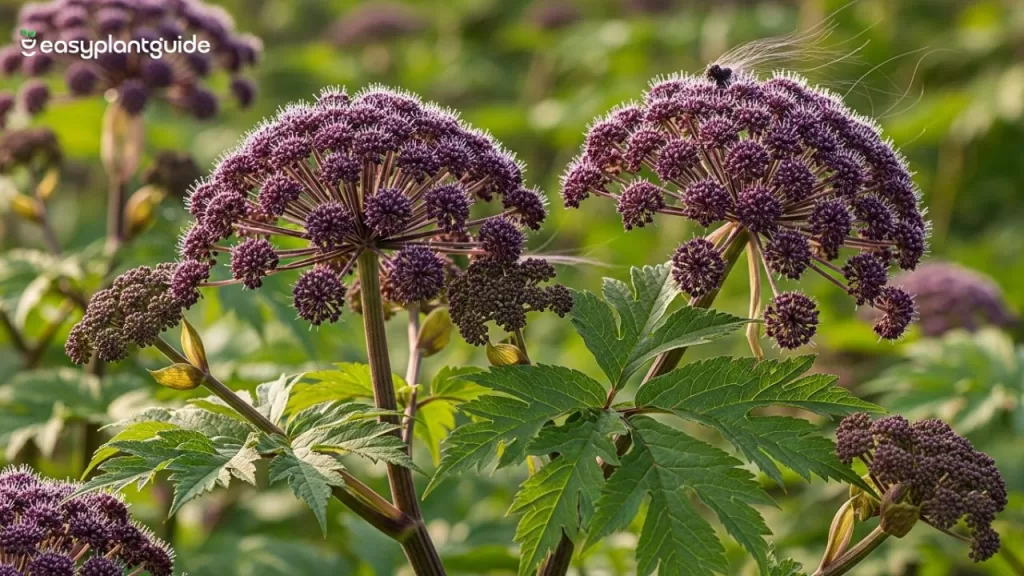
When you think of traditional herbal remedies, Korean angelica instantly stands out as one of the most fascinating plants nature has to offer, especially because of its rich history and diverse health benefits that span centuries of herbal practices. Known scientifically as Angelica gigas, this remarkable herb has long been used in Korean medicine, admired for its deep-purple roots and uniquely potent healing compounds. Today, it continues to gain global attention as researchers and wellness enthusiasts explore its adaptogenic qualities, circulation-boosting effects, and immune-supportive properties. If you’re curious about how Korean angelica can elevate your health routine using natural, plant-powered benefits, this detailed guide will help you understand why it remains a treasured botanical across cultures and generations.
What Is Korean Angelica?
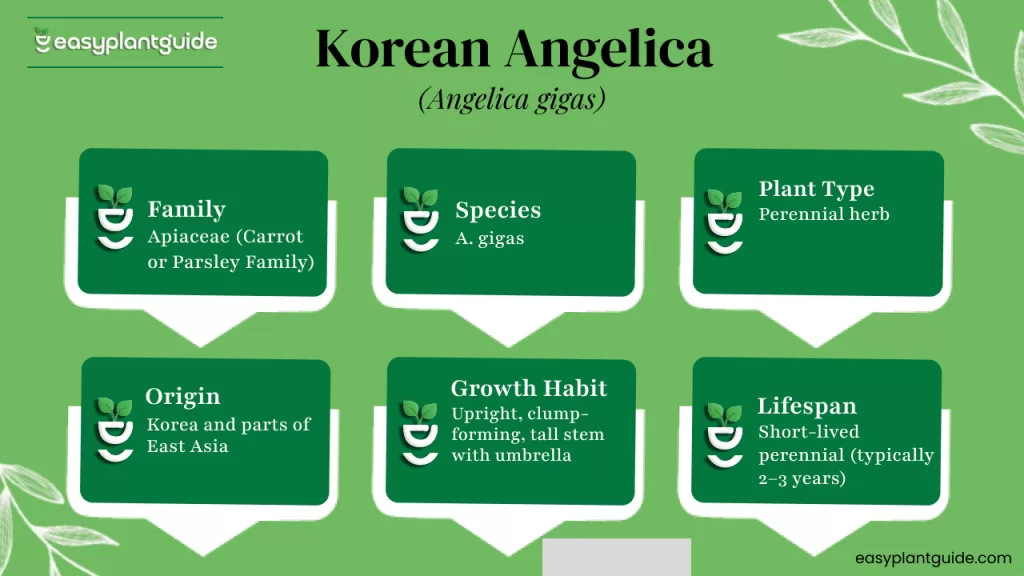
Korean angelica, or Angelica gigas, is a hardy perennial plant celebrated for its striking purple stems and roots, which are rich in potent aromatic compounds. Unlike other angelica species that grow throughout Asia and Europe, this one is native specifically to Korea and parts of East Asia, making it a unique cultural treasure in the world of herbal medicine. The plant is considered an adaptogen, meaning it helps the body handle stress more efficiently by supporting natural balance and vitality.
In traditional practices, it is often referred to as “Dang Gui” or “Cham-dang-gui,” and its root is typically used in the form of teas, tonics, powders, extracts, or supplements. Its elegant, umbrella-like flower clusters make it visually appealing, while its therapeutic properties give it immense value in holistic wellness.
History and Cultural Significance of Korean Angelica
Korean angelica carries a deep historical presence in folk medicine, where healers believed it nourished the blood, fortified the body, and restored natural vitality. Its symbolism is equally meaningful—its intense purple color was once thought to represent strength, life force, and refined energy within the body. Throughout Korean medical traditions, this herb has been included in various formulas aimed at supporting energy circulation, comfort, and resilience.
Unlike its Chinese counterpart, dong quai, which is widely known for women’s health, Korean angelica is celebrated for its universal benefits. Generations of practitioners trusted this herb to counter fatigue, enhance stamina, and support inner strength, making it not only a medicinal ingredient but also a cultural icon that carried spiritual and physical significance.
Nutritional and Chemical Profile of Korean Angelica
Korean angelica is much more than a visually striking herb—its potency comes from a rich blend of natural compounds that make it therapeutically powerful. Modern studies highlight that the roots are packed with antioxidants, aromatic molecules, and phytochemicals that contribute to its well-known effects on energy, circulation, and inflammation. These compounds work synergistically, meaning they offer greater benefits together than individually. Because the herb’s roots are the main source of these active ingredients, they are harvested carefully and processed into powders, extracts, and teas. Whether consumed directly or through supplements, the chemical richness of Korean angelica plays a crucial role in why it remains highly valued across cultures. Key Active Compounds
- Decursin
- Decursinol
- Nodakenin
- Angelicide
- Umbelliferone
These compounds are studied for their antioxidant and anti-inflammatory activities, potentially offering multiple health benefits when consumed regularly within safe limits.
Top Health Benefits of Korean Angelica
Korean angelica is widely praised for an impressive variety of health benefits, making it one of the most versatile herbs in traditional Korean medicine and modern wellness circles. Its natural compounds work through several biological pathways, supporting not only physical well-being but also enhancing mental clarity and emotional balance. Whether used as a daily supplement or incorporated into a holistic wellness regimen, Korean angelica offers noticeable improvements in vitality, energy, and comfort. Below are some of its most recognized and appreciated benefits.
Supports Healthy Circulation
Korean angelica is especially valued for its ability to support healthier blood circulation, thanks to its natural bioactive compounds that help promote blood flow through the body. People who often experience cold hands and feet, sluggishness, or heavy sensations may find this herb particularly helpful. Traditional healers often recommended it for improving the movement of energy and blood, which in turn supports cardiovascular well-being. By gently stimulating blood flow, Korean angelica helps nourish tissues, deliver oxygen more efficiently, and reduce discomfort caused by poor circulation. Over time, users commonly report feeling warmer, more energized, and more physically balanced. Benefits include:
- Improved blood movement
- Reduced feelings of heaviness
- Better oxygen delivery
- Warmer extremities
- Potential support for heart health
Enhances Energy and Vitality
One of the main reasons Korean angelica is so popular is its ability to boost energy naturally without relying on stimulants or caffeine. Many users describe the energy boost as steady, clean, and refreshing—a type of vitality that supports endurance and helps the body stay active throughout the day. This makes it especially beneficial for people who feel drained by stress, physical labor, or long hours of mental work. Because of its adaptogenic nature, it helps the body respond to fatigue by strengthening internal systems and restoring natural balance. With consistent use, it may significantly improve stamina, productivity, and overall zest for daily activities. How it helps:
- Restores physical vigor
- Encourages natural stamina
- Reduces feelings of fatigue
- Supports daily productivity
- Helps with recovery after exertion
Strengthens Immune Function
Korean angelica is known for supporting immune health, especially during seasonal changes when people are more likely to catch colds or experience weakened defenses. Its antioxidant-rich profile helps strengthen the body’s frontline defense system by reducing oxidative stress and supporting the activity of white blood cells. Because inflammation plays a major role in immune function, the herb’s anti-inflammatory compounds contribute additional benefits. Many herbalists recommend it as part of a regular wellness routine to maintain resilience and overall health, especially for individuals who want natural options to complement their immune system. Immune benefits:
- Helps fight oxidative stress
- Supports white blood cell health
- May shorten recovery time
- Boosts natural defenses
- Supports long-term resilience
Additional Wellness Benefits
In addition to its major benefits, Korean angelica offers a variety of additional wellness advantages that make it a versatile herbal ally. From soothing inflammation to promoting hormonal balance and supporting mental clarity, this herb has a wide-ranging influence on overall well-being. Many people appreciate its gentle yet effective approach to maintaining equilibrium in the body, making it suitable for long-term wellness routines when used responsibly.
Anti-Inflammatory Support
Korean angelica contains strong natural compounds that help reduce internal inflammation, which is especially important because chronic inflammation is linked to numerous long-term health issues. The herb’s anti-inflammatory effects help soothe discomfort related to fatigue, stress, or strain, allowing the body to restore itself more efficiently. Whether you’re dealing with joint tension, muscle ache, or general inflammation caused by lifestyle factors, Korean angelica’s properties may offer noticeable relief. Its anti-inflammatory benefits also complement its circulatory advantages, creating an overall effect that supports comfort and mobility throughout the day.
Cognitive and Mood Support
Some users report that Korean angelica helps sharpen mental clarity and focus, which may be attributed to its role in improving circulation and reducing oxidative stress. Better blood flow to the brain can support cognitive function, including memory, concentration, and alertness. Additionally, its adaptogenic qualities help calm the stress response, making the mind feel steadier and more balanced. People who struggle with occasional mental fog or emotional tension may find that incorporating Korean angelica into their routine brings a noticeable sense of clarity and calm. These combined effects make it a helpful natural support for mental and emotional wellness.
Menstrual Health and Balance
While Korean angelica is not as globally recognized for women’s health as Chinese dong quai, it still holds an important place in Korean herbal traditions for supporting menstrual comfort and hormonal balance. The herb’s ability to improve circulation and nourish the blood makes it beneficial for easing monthly discomfort and promoting regularity. Many traditional formulas use Korean angelica to support women during their cycles, especially when symptoms include fatigue or stress. Its natural compounds may help reduce menstrual tension by supporting smoother blood flow and more balanced internal processes.
Antioxidant Powerhouse
Korean angelica’s impressive antioxidant profile helps protect the body from oxidative stress, which is caused by environmental factors, poor diet, stress, and aging. Antioxidants work by neutralizing harmful free radicals, reducing cellular damage, and supporting long-term wellness. Over time, this protective effect contributes to healthier aging, better skin appearance, improved energy, and stronger internal systems. The high antioxidant concentration in Korean angelica is one of the many reasons it remains a favored herb among those seeking natural ways to promote longevity and overall vitality.
Comparison of Korean Angelica and Chinese Dong Quai
Here is a helpful comparison table to clarify how Korean angelica differs from Chinese dong quai, another popular herb from the same family. Despite their similarities, each offers unique benefits and is used for different purposes.
| Feature | Korean Angelica (Angelica gigas) | Chinese Dong Quai (Angelica sinensis) |
| Color | Deep purple root | Pale brown root |
| Primary Use | Energy, circulation, vitality | Women’s reproductive health |
| Taste | Slightly bitter, earthy | Mild, sweet-earthy |
| Potency | Higher antioxidant profile | More hormonal-focused benefits |
| Region | Korea | China |
This comparison helps illustrate why Korean angelica stands out for boosting energy and circulation, while dong quai is considered the “female ginseng” in Chinese herbal medicine.
How to Use Korean Angelica
There are several convenient ways to incorporate Korean angelica into your daily routine, depending on your lifestyle, preferences, and wellness goals. Most people take it in supplemental form for ease of use, but traditional herbalists often brew it as tea or mix it into tonics for a more holistic experience. Regardless of how you choose to consume it, the key is consistency—regular use allows the herb to build its beneficial effects in the body. Its earthy, slightly bitter flavor makes it especially suitable for herbal blends or formulas designed for strength and vitality.Popular Forms
- Herbal capsules
- Powdered root
- Liquid extract
- Dried root for tea
- Herbal blends
Recommended Dosage
Finding the right dosage is important for safety and effectiveness. Because concentrations vary among products, it’s always best to follow the instructions provided by the manufacturer or seek the guidance of a wellness professional familiar with herbal therapies. Whether you prefer capsules, extracts, or teas, Korean angelica works best when integrated consistently into your wellness routine. Avoid combining it with other herbs or supplements that have similar effects unless you have professional guidance, as this can lead to unintended interactions or increased potency. General Dosage Ranges
- Capsules: 500–1000 mg daily
- Tea: 1–2 cups brewed from dried root
- Extract: 1–2 droppers daily
- Powder: 1 teaspoon daily
Safety, Side Effects, and Precautions
Although Korean angelica is considered safe for most healthy adults, it can cause side effects in some individuals, especially when taken in large amounts or combined with incompatible medications. Like many herbs that affect circulation and blood flow, it must be used responsibly. Some people may notice mild gastrointestinal discomfort or dizziness when first trying the herb, which usually resolves quickly. However, those with existing medical conditions, particularly related to bleeding, blood thinning, or hormonal imbalances, should use caution. Consulting a qualified healthcare professional is always recommended, especially if you take prescription medications or have ongoing health concerns.
Possible Side Effects
People using Korean angelica may occasionally experience mild side effects, which can include an upset stomach, headache, dizziness, or mild diarrhea, all of which typically resolve on their own as the body adjusts. In rare cases, some individuals may also develop allergic reactions, especially those sensitive to plants in the Apiaceae family. While these effects are generally uncommon and usually mild, it’s important to monitor your body’s response and discontinue use if symptoms become severe or persistent. Who Should Avoid It
- Pregnant or breastfeeding women
- People on blood thinners
- Those with bleeding disorders
- Individuals preparing for surgery
- Anyone with plant allergies
How to Choose High-Quality Korean Angelica
Choosing a high-quality Korean angelica product is crucial to ensure safe and effective results. Because supplements vary widely in purity, potency, and sourcing, it helps to look for brands that offer transparent ingredient lists, third-party testing, and sustainable harvesting practices. High-quality products typically contain fewer fillers and may include standardized extracts to ensure consistent concentration. When shopping, consider the color and smell if you’re purchasing dried root—the fresher the herb, the richer the purple hue and the more aromatic it will be. Taking time to select a reputable product increases the likelihood of experiencing the full benefits this herb has to offer.
Growing Korean Angelica at Home
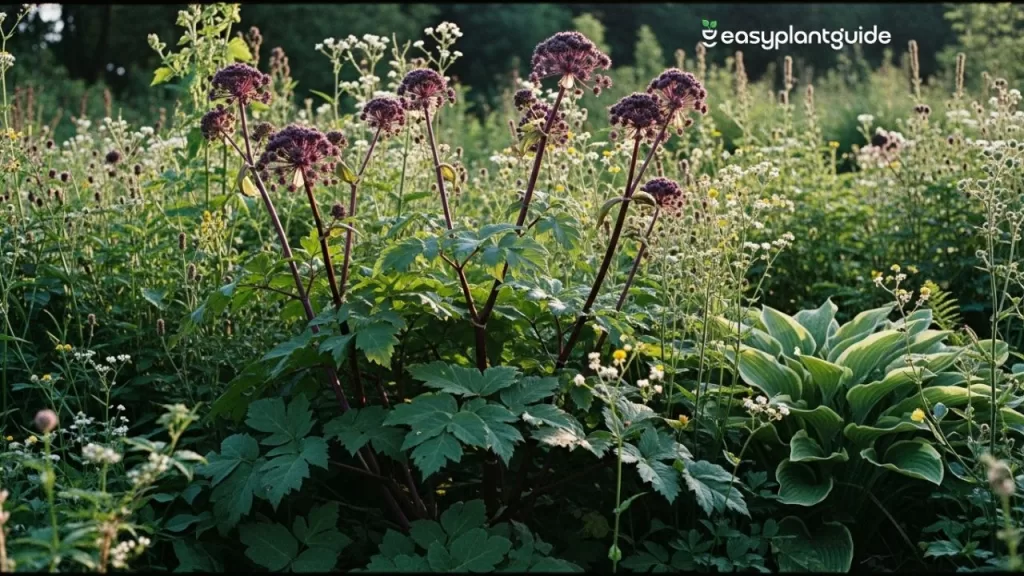
Growing Korean angelica can be a gratifying experience, especially for those passionate about herbal gardening or natural wellness. The plant thrives in cool climates and prefers partial shade, making it ideal for gardens that don’t receive full sunlight throughout the day. Its deep purple stems and umbrella-shaped flowers create a striking visual impact in any garden, while the roots can be harvested after two to three years. To cultivate healthy plants, it’s important to provide rich soil, consistent watering, and ample space for root development. Patience is essential, as the plant matures slowly, but the reward of harvesting your own medicinal herb makes the process worthwhile. Planting Tips
- Use rich, well-drained soil
- Water consistently
- Provide partial sunlight
- Space plants generously
- Allow 2–3 years for mature harvest
Korean Angelica in Traditional Medicine
In traditional Korean medicine, Korean angelica is often incorporated into herbal formulas designed to support circulation, vitality, and emotional balance. It is believed to help harmonize Qi—the body’s natural energy flow—while nourishing the blood and supporting overall health. Herbal practitioners often combine Korean angelica with other powerful ingredients such as ginseng, rehmannia, or licorice root to create synergistic blends that amplify its effects. These formulas are typically used to combat fatigue, stress, and tension, supporting both physical and emotional well-being. Its long history of use reinforces its value as a foundational herb in Korean wellness practices.
Conclusion
Korean angelica is truly one of nature’s most powerful herbal treasures, offering a unique combination of energy-boosting, circulation-enhancing, and immune-supportive benefits. With its striking purple roots, rich history in Korean medicine, and growing modern recognition, this remarkable plant continues to capture the interest of wellness seekers around the world. Whether you’re looking to elevate your daily vitality, support your body’s natural balance, or explore traditional herbal remedies, Korean angelica provides a natural, gentle, and effective path toward better health. By choosing high-quality products, using them responsibly, and integrating this herb into a mindful wellness routine, you can experience a powerful transformation rooted in centuries of wisdom and the healing strength of nature.
Explore more plant blogs and grow your green journey with us.