
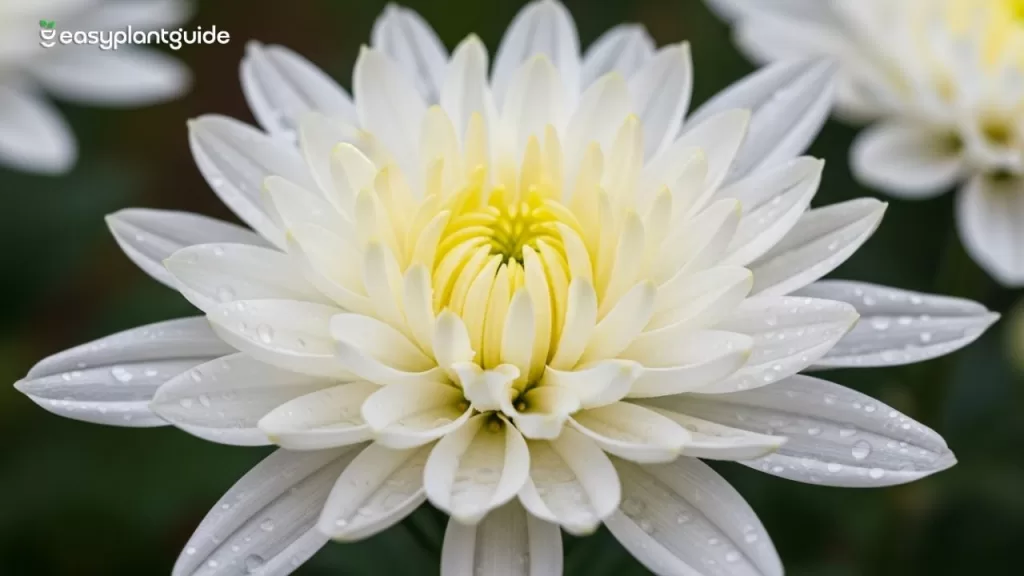
The white chrysanthemum has captured the attention of gardeners, tea lovers, and cultural enthusiasts for centuries, and its charm continues to spread thanks to its elegant appearance and deep symbolism. This remarkable flower is far more than a decorative bloom—it represents purity, peace, and healing in many parts of the world. Whether you’re fascinated by its rich history, curious about its practical uses, or hoping to grow it in your garden, understanding the white chrysanthemum can open your eyes to a world of botanical beauty and cultural depth that few flowers can match.
What Is White Chrysanthemum?
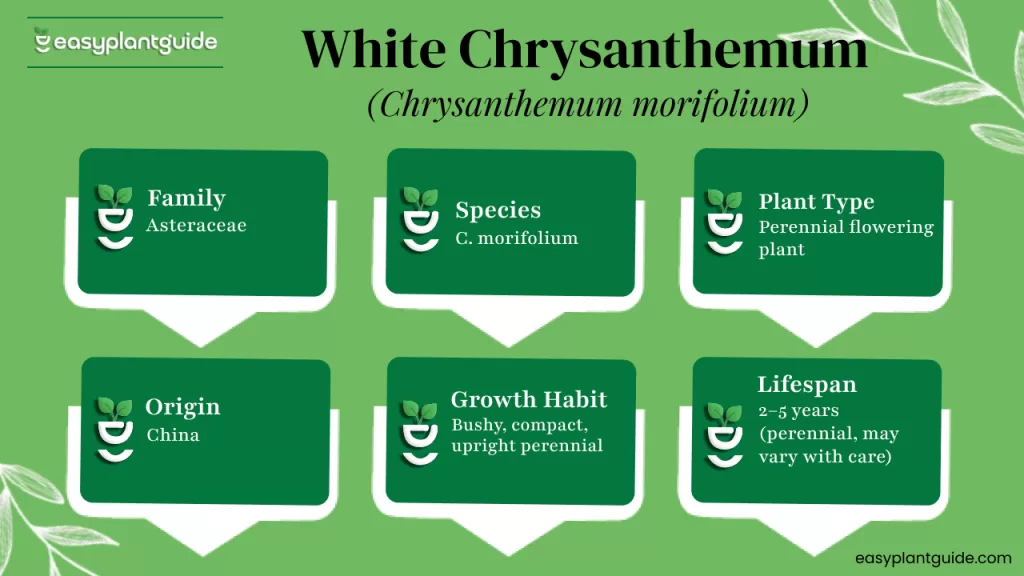
White chrysanthemum refers specifically to white-flowering varieties of Chrysanthemum morifolium, a plant revered in herbal medicine, floral design, and traditional ceremonies. These chrysanthemums stand out for their pristine petals, hardy nature, and versatility across cultures. While the flower is commonly associated with solemn occasions in some regions, it is also cherished for its symbolic purity and calming presence. The plant’s ability to thrive in diverse environments, combined with its medicinal value and visual appeal, makes it a beloved choice among gardeners and herbalists alike.
History and Origin of White Chrysanthemums
The history of the chrysanthemum stretches back more than 2,500 years to ancient China, where it was celebrated not only as a flower but also as a medicinal herb capable of healing various ailments. Over time, this plant was introduced to Japan, where it gained immense cultural significance, becoming a symbol of the Imperial Family and even appearing on official emblems. As the flower spread to Europe and beyond, breeders developed numerous varieties, including pure white types admired for their spiritual associations. Today, the white chrysanthemum remains one of the most respected ornamental plants worldwide.
Symbolism of White Chrysanthemum
The symbolism of the white chrysanthemum varies significantly across cultures, creating a fascinating blend of meaning that reflects both beauty and solemnity. In many Asian countries, the flower symbolizes purity, honesty, and noble intentions, making it a popular choice for weddings, ceremonies, and spiritual rituals. In contrast, several European regions associate white chrysanthemums with remembrance and funerals, believing they represent a peaceful transition into the afterlife. This dual symbolism highlights the flower’s profound emotional impact, demonstrating how one bloom can convey both hope and deep reflection.
Key Characteristics of White Chrysanthemum
White chrysanthemums possess several defining characteristics that set them apart from other ornamental plants. Their striking white petals often appear crisp, smooth, and flawless, creating a delicate contrast against dark green foliage. These flowers typically bloom in late summer through autumn, making them a popular choice for fall gardens. Gardeners appreciate their resilience, long-lasting blooms, and ability to adapt to different climates. Additionally, the plant grows in a bushy, compact form, making it ideal for borders, containers, and cut-flower arrangements. Overall, the white chrysanthemum is a versatile plant with aesthetic and practical value.
| Feature | Description |
| Color | Pure white to creamy white |
| Botanical Name | Chrysanthemum morifolium |
| Type | Perennial flowering plant |
| Bloom Time | Late summer to autumn |
| Uses | Tea, medicine, decoration, rituals |
Health Benefits of White Chrysanthemum Tea
White chrysanthemum tea is one of the most popular herbal infusions in traditional medicine due to its cooling effects and therapeutic properties. People who consume this tea regularly often praise its ability to reduce inflammation, soothe sore throats, and provide relief from heat-related discomfort. Many herbal practitioners recommend it for calming internal imbalances, promoting clarity of vision, and reducing stress. Its light, floral flavor makes it an enjoyable beverage for daily consumption, especially for those looking to incorporate natural wellness remedies into their lifestyle without relying on stronger herbal formulas.
Nutritional Profile of White Chrysanthemum Tea
The nutritional composition of white chrysanthemum tea explains why it has been valued for centuries. This tea contains potent antioxidants, including flavonoids and beta-carotene, which support the body’s immune system and help fight oxidative stress. It also offers vitamin C, magnesium, calcium, and trace minerals essential for daily health. When consumed warm, the tea can help relax the body, while cold chrysanthemum tea is commonly used to cool down during hot weather. These nutrients and effects make it a versatile health drink enjoyed across many cultures.
Top Uses of White Chrysanthemum
The white chrysanthemum is an incredibly multifunctional flower used for traditional medicine, cooking, and decorative applications. Despite its gentle appearance, the plant has powerful healing properties and can be found in teas, tinctures, and topical remedies. Additionally, its long-lasting blooms make it ideal for floral arrangements, allowing designers to use it in weddings, religious ceremonies, and home décor. Its cultural importance also means it often appears during spiritual rituals and festivals. Below are some of the most common uses:
- Tea preparation
- Traditional Chinese medicine
- Floral arrangements
- Skin-soothing remedies
- Cultural and religious ceremonies
Growing White Chrysanthemums at Home
Growing white chrysanthemums at home can be incredibly rewarding because the plant is both resilient and visually appealing. With the right care, gardeners can enjoy dozens of beautiful blooms throughout the fall season. The plant prefers plenty of sunlight, well-draining soil, and occasional pruning to encourage fuller growth. While it may need protection from harsh weather in its early stages, it becomes more resistant once established. Gardeners appreciate the low-maintenance nature of chrysanthemums, making them perfect for both beginners and experienced plant lovers who want to enhance their outdoor spaces.
Step-by-Step Guide to Planting White Chrysanthemum
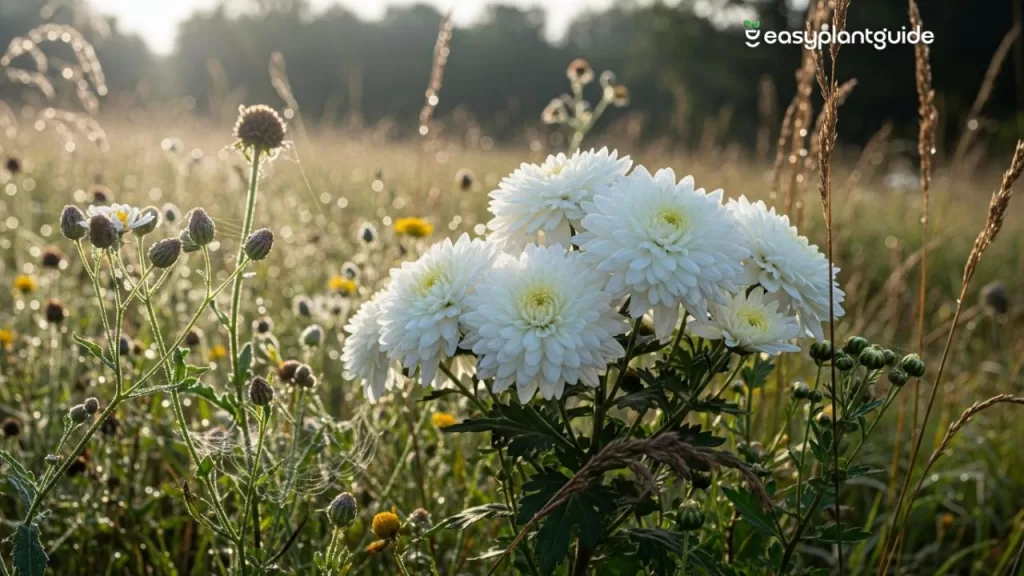
Planting white chrysanthemums is relatively simple, but following a few essential steps ensures better growth and more abundant blooms. Start by choosing a location that receives at least six hours of sunlight, as insufficient light can lead to weak stems and fewer flowers. Next, enrich the soil with compost to improve drainage and fertility. Plant young chrysanthemums in early spring, spacing them properly to allow airflow. Water consistently, especially during dry periods, but avoid soaking the soil. With the right preparation, your plants will reward you with vigorous and breathtaking blossoms.
Care Tips for Long-Lasting Blooms
To enjoy healthy, long-lasting chrysanthemum blooms, gardeners must follow proper care routines throughout the growing season. These plants require adequate sunlight, balanced fertilization, and regular pruning to achieve a full and compact growth habit. Mulching can help maintain soil moisture, while watering at the base of the plant prevents fungal issues. Protecting the plant from pests such as aphids and spider mites ensures vibrant flower production. Here are important care tips:
- Provide at least 6 hours of sunlight daily
- Pinch back stems for bushier growth
- Water at the base, not the leaves
- Use balanced fertilizer monthly
- Protect from frost during early growth
Common Problems and How to Fix Them
Despite being relatively hardy, white chrysanthemums can experience issues like yellowing leaves, drooping blooms, or pest damage. Overwatering often leads to root rot, while insufficient sunlight results in weak and leggy growth. Pests such as aphids and caterpillars may attack the plant, causing stress and reduced flowering. Thankfully, most of these problems can be resolved by adjusting watering habits, improving soil quality, or applying organic pest control. With attentive care, these challenges become minor setbacks rather than major concerns for gardeners.
Popular Varieties of White Chrysanthemum
There are numerous white chrysanthemum varieties, each with unique shapes, textures, and bloom sizes. Some have large, round pompon-like petals, while others feature long, elegant “spider” petals that create a dramatic appearance. These varieties are widely used in floral arrangements, ceremonies, and gardens because of their ability to hold their shape and color for extended periods. Whether you prefer a compact button mum or a striking spider mum, there is a white chrysanthemum variety to suit nearly any style or occasion.
White Chrysanthemum in Cultural Traditions
Cultural traditions surrounding the white chrysanthemum differ widely, but all cast the flower in an important symbolic role. In China, it represents honesty and noble character, and people often incorporate it into festivals and tea rituals. In Japan, the chrysanthemum is so revered that it serves as a national emblem symbolizing longevity and rejuvenation. In Europe, the flower is often associated with remembrance and used during funerals. These contrasting meanings make the white chrysanthemum a deeply cultural and emotionally expressive flower.
How to Use White Chrysanthemum in Daily Life
White chrysanthemums can be effortlessly incorporated into daily routines for wellness, relaxation, or home décor. You can brew the flowers into a soothing herbal tea that promotes calmness and mental clarity. Fresh blooms also make stunning additions to floral arrangements, brightening living spaces with their crisp elegance. Many people also use dried petals in potpourri or natural skincare remedies. Below are simple everyday uses:
- Make soothing herbal tea
- Decorate your home with fresh blooms
- Add dried petals to potpourri
- Use it in skincare DIYs
- Include it in meditation or relaxation spaces
White Chrysanthemum vs. Yellow Chrysanthemum
While white and yellow chrysanthemums belong to the same species, they differ significantly in symbolic meaning, flavor profile, and visual impact. Yellow chrysanthemums are generally associated with joy, positivity, and friendship, making them popular for cheerful events and gifts. White chrysanthemums, on the other hand, often symbolize purity or remembrance, depending on the culture. In tea preparation, white chrysanthemums tend to have a lighter, more delicate taste compared to the stronger flavor of yellow varieties. Both flowers have their own charm, making them versatile choices for various occasions.
Harvesting and Storing White Chrysanthemum
Harvesting white chrysanthemums at the correct time ensures maximum freshness and medicinal value. It’s best to pick the flowers early in the morning when moisture levels are ideal and the petals appear crisp. After harvesting, spread the blooms in a shaded, well-ventilated area to dry slowly without losing their natural color. Once completely dried, the flowers should be stored in airtight containers to maintain their aroma and therapeutic properties. Proper storage ensures that your chrysanthemum petals remain usable for tea, remedies, or crafts for months.
Conclusion
The white chrysanthemum is far more than an ornamental plant—it is a symbol of elegance, purity, healing, and cultural richness. Whether admired for its breathtaking blooms, used in flavorful herbal teas, or cherished for its emotional meaning, this flower holds a special place in gardens and traditions worldwide. By understanding its history, benefits, and care needs, anyone can appreciate the deeper significance this flower brings. Growing or using white chrysanthemums fosters not just beauty but also a connection to centuries of tradition and wellness.
Check out other Blogs on Plants.