
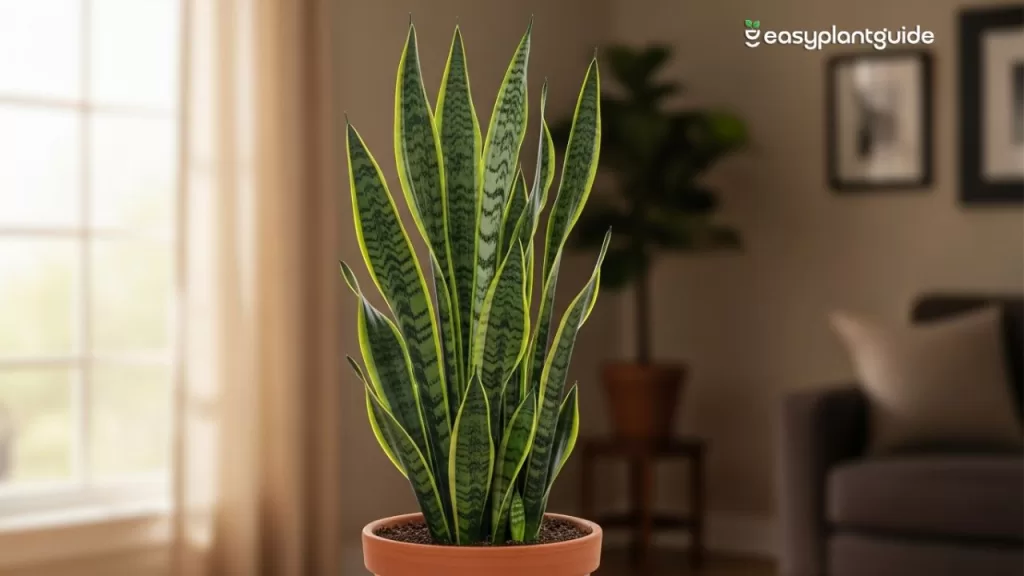
If you’re wondering, “Why is my snake plant wrinkled?” you’re definitely not the only plant parent facing this issue. Even though snake plants are famously hardy and known for surviving extreme neglect, they still have ways of showing stress—and wrinkled leaves are one of the clearest signs that something isn’t right. When your snake plant starts looking shriveled, limp, or dehydrated, it’s basically sending up a quiet distress signal. Understanding these signals is important because the sooner you identify the cause, the faster your plant can bounce back. In this in-depth, conversational guide, you’ll learn every possible reason behind wrinkled snake plant leaves, along with simple, practical solutions you can apply immediately to restore its firmness and beauty.
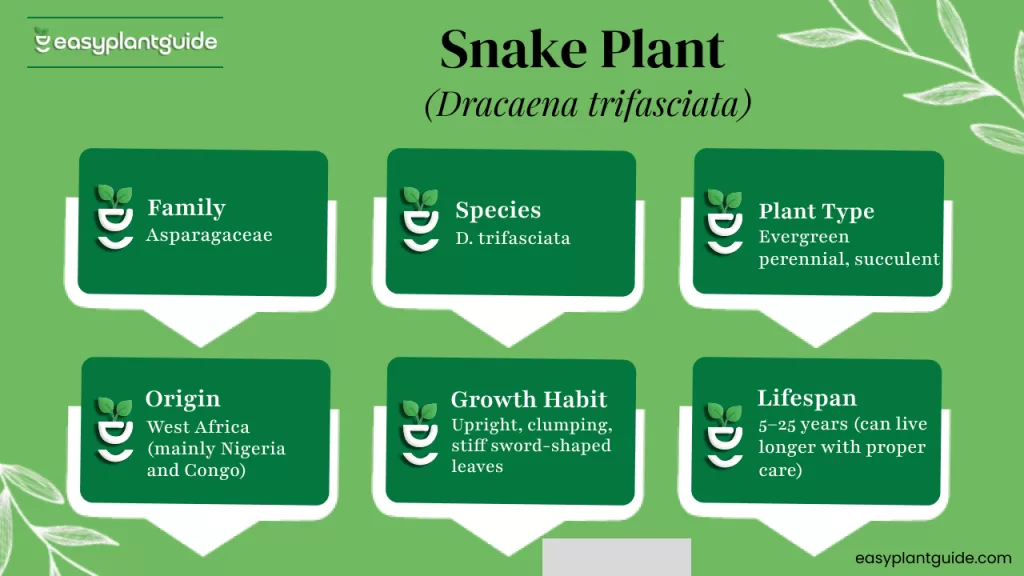
Understanding why is my snake plant wrinkled
If your snake plant leaves are wrinkling, it usually means the plant is struggling to maintain its internal moisture balance. Snake plants store water in their leaves like tiny reservoirs. Many plant owners search for why is my snake plant wrinkled when they notice those shriveled patches, because the issue often points to a disturbance in the plant’s water intake. When something disrupts water intake whether it’s too much water, too little, poor drainage, or even environmental stress the leaves respond by shriveling or bending.
Wrinkling is often the plant’s way of telling you that either the roots can’t absorb water properly or the conditions around it are affecting its hydration. Understanding these causes helps you respond more effectively and keep the plant thriving long-term.
Main Causes of Wrinkled Snake Plant Leaves
Wrinkled snake plant leaves can result from several different issues, and the tricky part is that some of the symptoms overlap. However, once you understand the subtle differences between underwatering, overwatering, root problems, soil conditions, pests, and more, diagnosing the cause becomes much easier. Each problem affects the plant in a slightly different way, but all of them disrupt its ability to retain moisture in its thick, fleshy leaves. By identifying the root cause, you’ll be able to treat the plant correctly and prevent the issue from returning. This is why so many people end up asking why is my snake plant wrinkled even when they water it consistently.
Underwatering: The Most Common Reason
Underwatering is by far the most frequent reason snake plant leaves turn wrinkled. This Solutions also resolve the query of many peoples about why is my snake plant wrinkled
. Because snake plants store water inside their leaves, they can survive long periods without watering, but eventually, that internal reserve gets depleted. When this happens, the leaves start to shrink from the inside out, slowly collapsing and creating wrinkles along the surface. Many people underwater snake plants accidentally because they believe the plant needs almost no water at all. While it doesn’t need frequent watering, it does need thorough hydration from time to time to stay plump and healthy.
Signs Your Snake Plant Is Underwatered
When a snake plant becomes severely underwatered, the soil dries out and pulls away from the pot’s edges, making it harder for roots to absorb moisture. This is often the first clue when people ask “why is my snake plant wrinkled?” The leaves start to look folded, with crispy tips and a dull, faded color. If the plant remains dehydrated, its overall growth slows significantly or becomes completely stunted.
How to Fix Underwatering
To fix issues that lead people to ask “why is my snake plant wrinkled,” start by watering deeply until excess drains out, allowing the roots to rehydrate properly. If the soil is completely dry, moisten it gradually to avoid shocking the plant. Always use a well-draining soil mix and maintain a consistent watering schedule. You can also monitor moisture levels with your finger or a moisture meter to prevent future dehydration.
Overwatering: A Sneaky Cause of Wrinkles
Why is my snake plant wrinkled? Overwatering might seem harmless, but it can actually cause symptoms similar to underwatering. When a snake plant receives too much water, the roots sit in soggy soil and start to rot. Once root rot sets in, the plant can no longer absorb moisture properly, leaving the leaves dehydrated despite the excess water. This often results in wrinkled, soft, and mushy leaves. Understanding why is my snake plant wrinkled is important because overwatering is more dangerous than underwatering—root rot can spread quickly and cause permanent damage if not addressed early.
Signs of Overwatered Snake Plant
- Mushy leaves that wrinkle inward
- Soil feels soggy for more than a week
- Yellowing leaves
- Foul smell from soil
- Roots turning brown or black
How to Fix Overwatering
- Remove from pot and trim rotten roots
- Repot into dry, fast-draining soil
- Use a pot with drainage holes
- Allow soil to dry between waterings
- Water only when the top 2–3 inches are dry
Poor Soil and Drainage Issues
Another common reason for wrinkled leaves is poor soil. So, why is my snake plant wrinkled? Often, the wrong soil mix holds too much moisture, which snake plants cannot tolerate. Since they are succulents, they need extremely fast-draining soil to keep their roots healthy. Heavy potting mixes trap water around the roots, causing rot and preventing the plant from “breathing” properly. If the pot also lacks drainage holes, water accumulates and saturates the roots continuously. Ensuring well-draining soil and proper pot drainage is crucial for preventing wrinkling and maintaining strong, healthy leaves. Understanding why is my snake plant wrinkled can help you take the right steps to save your plant.
Best Soil Mix for Snake Plants
Here’s a quick comparison:
| Soil Mix Type | Drainage Level | Ideal For |
| Cactus/Succulent Mix | High | Indoor snake plants |
| DIY Mix (50% soil, 25% perlite, 25% sand) | Very High | Overwaterers |
| Regular Potting Soil | Low | Not recommended |
Root Bound Snake Plant
A root-bound snake plant may also develop wrinkled leaves because the roots become so tightly packed that they can no longer absorb water efficiently. When a pot becomes too small, the roots circle around the edges and create dense knots. This prevents water from reaching all parts of the root system, resulting in leaves that look shriveled or weak. In this situation, even if you water the plant regularly, it won’t retain moisture properly. Repotting gives roots space to spread out, improving water absorption and overall health.
Signs of Being Root Bound
If your snake plant is root-bound, you might wonder, why is my snake plant wrinkled? One sign is that water often runs straight through the pot without properly soaking the soil, while the roots circle tightly inside, leaving little room for growth. The leaves may appear wrinkled yet still feel firm, and the soil dries out very quickly. Overall growth is usually stunted, as the plant struggles to absorb enough nutrients and water from the limited root space. Knowing why is my snake plant wrinkled can help you identify root-bound issues and take the necessary steps to repot and revive your plant.
Fixing a Root Bound Plant
To fix a root-bound snake plant, start by repotting it into a pot that is about 2 inches larger than the current one to give the roots more space to grow. Gently loosen the roots to untangle them without causing damage, and refresh the pot with new, well-draining soil. After repotting, water the plant thoroughly to help it settle into its new environment. Avoid fertilizing immediately, as the plant needs time to recover before processing nutrients.
Temperature Stress
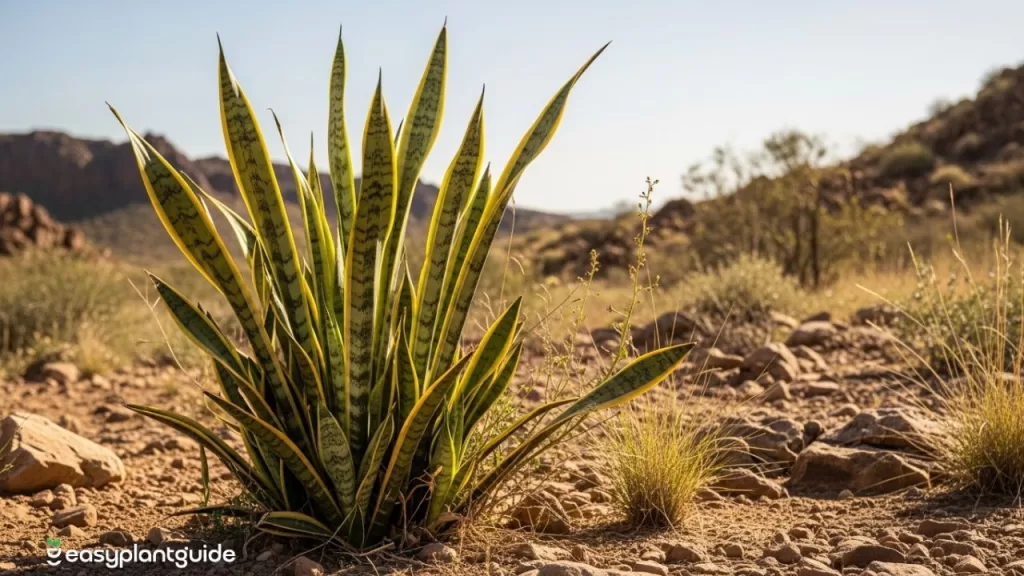
Temperature fluctuations can cause wrinkled snake plant leaves because these plants prefer warm, stable conditions. Exposure to cold drafts, sudden temperature drops, or placing the plant near air conditioners or heaters can stress its internal moisture system. When temperatures fall too low, cellular damage can occur, making the leaves lose firmness and wrinkle. Conversely, excessive heat can cause the plant to lose water faster than it can replace it. Maintaining consistent temperatures keeps the plant hydrated and prevents damage from environmental stress. How to Prevent Temperature Shock
- Keep away from drafty windows
- Avoid placing near heaters
- Maintain 60–85°F indoors
- Move plants indoors during winter
- Don’t water during freezing temperatures
Low Humidity
Low humidity can also contribute to wrinkled snake plant leaves and is a common reason people ask, “Why Is My Snake Plant Wrinkled?” In dry climates or during winter, heating systems lower indoor moisture levels, causing the plant to lose water through its leaves more quickly. Although snake plants tolerate dry air, extremely low humidity leads to faster moisture loss, making the leaves shrink and wrinkle. Maintaining moderate humidity helps stabilize the plant’s internal water levels and prevents this issue. If you’ve ever wondered “Why Is My Snake Plant Wrinkled?”, adding just a bit more humidity can make a noticeable difference.
- Place a tray of water nearby
- Use a pebble tray
- Mist lightly (not too often)
- Move plant away from vents
- Combine with other houseplants
Pest Infestation
Pests also cause wrinkled leaves by feeding on the plant’s moisture and nutrients. Insects like spider mites, thrips, and mealybugs puncture the leaf surface and extract sap, leaving behind small scars and causing the plant to lose water internally. Over time, this leads to wrinkling, softness, and discoloration. Most pests are incredibly small and may go unnoticed until the damage becomes visible, making regular inspections crucial. Treating pests early prevents long-term stress and keeps your snake plant looking healthy.
Common Snake Plant Pests
Spider mites, mealybugs, thrips, scale insects, and fungus gnats are among the most common pests that can infest snake plants, and each one causes damage in its own way. These pests typically feed on the plant’s sap, weakening the leaves and disrupting normal growth. Over time, their presence can lead to wrinkling, discoloration, and overall decline in plant health. Identifying these pests early and treating them promptly is essential to protect your snake plant from long-term stress and prevent further infestation.
Treating Pest Damage
Wipe the leaves with neem oil to smother pests, and use insecticidal soap for additional protection against stubborn infestations. Always isolate the affected plant to prevent pests from spreading to your other plants. Rinse the leaves under water to remove insects, eggs, and residue before applying treatments. For best results, repeat this process weekly until the infestation is completely gone and the plant begins to recover.
Insufficient Light
Although snake plants tolerate low-light conditions, they do not thrive in extremely dim areas. When deprived of adequate light, their leaves weaken, lose structural integrity, and become more prone to wrinkling—leading many plant owners to ask, “Why Is My Snake Plant Wrinkled?” Light is essential for photosynthesis, which helps the plant produce energy and maintain proper hydration. Without enough light, moisture transport slows down, affecting leaf firmness and overall health. Moving your snake plant to a brighter spot can greatly improve its appearance. If you’re wondering, “Why Is My Snake Plant Wrinkled?”, addressing light issues is a simple and effective solution.
- Move to bright, indirect light
- Use grow lights if needed
- Avoid intense afternoon sun
- Rotate plant weekly
- Keep 2–3 feet from windows
Fertilizer Problems
Incorrect fertilization, especially overfeeding, can damage your snake plant’s roots. When roots are burned by excess nutrients, they lose their ability to absorb water properly, which eventually causes wrinkled leaves. Many people assume fertilizing more will make their plant grow faster, but snake plants only need minimal feeding. Too much fertilizer creates salt buildup in the soil, which acts like a toxin to the roots. Understanding how little fertilizer snake plants actually require can prevent unnecessary damage and keep their leaves firm.
How to Fertilize Correctly
Fertilize only during spring and summer when the plant is actively growing, and always use a diluted succulent fertilizer to avoid overwhelming the roots. Be careful not to overfeed, as excess nutrients can cause salt buildup and damage the plant. It’s also helpful to flush the soil yearly to remove any accumulated salts and keep the root environment healthy. Finally, never fertilize sick plants, because weakened roots cannot process nutrients properly and may become further stressed.
Natural Aging
Over time, snake plant leaves naturally age and eventually lose some of their firmness. Older leaves may droop, wrinkle, or fade as part of the plant’s normal lifecycle. This is completely natural and doesn’t necessarily indicate a problem. As new shoots grow from the base, the older leaves slowly die off, making room for fresh growth. It’s important to distinguish between natural aging and stress-related wrinkling so you can focus your attention on the leaves that truly need care rather than the ones simply reaching the end of their lifespan.
What to Do With Aging Leaves
Trim only when the leaf is completely dry, as removing it too early can stress the plant and worsen issues that make you wonder, “Why Is My Snake Plant Wrinkled?” Avoid cutting any healthy parts, since this can interfere with the plant’s natural growth process. Instead, support new growth by providing proper care—adequate light, well-draining soil, and a consistent watering routine—so the plant can naturally replace old leaves with strong, healthy ones. With the right care, you’ll no longer be asking, “Why Is My Snake Plant Wrinkled?”
Preventing Wrinkled Leaves in the Future
Preventing future wrinkling involves creating consistent care habits that keep your snake plant stable and stress-free. This means learning when to water, choosing the right soil, providing proper lighting, and monitoring environmental changes throughout the year. Snake plants are low-maintenance but not no-maintenance, and with just a few simple habits, you can ensure they stay plump, vibrant, and healthy. Consistent care is the best long-term strategy for keeping the leaves smooth and firm.
Quick Troubleshooting Checklist
When you’re unsure why your snake plant is wrinkled, a troubleshooting checklist can help you quickly identify the cause. Start by checking the soil’s moisture level, as this alone often reveals whether underwatering or overwatering is the issue. Next, evaluate the pot size, lighting, temperature, and root health. By going through each factor step by step, you can pinpoint the exact reason behind the wrinkling without guessing. This approach reduces stress and helps you take action sooner.
How Long Does It Take to Recover?
Recovery time for wrinkled snake plants depends entirely on what caused the problem. If underwatering was the issue, your plant may plump back up within just a week or two. Overwatering, however, can take much longer because the roots need time to heal from rot. In cases involving pests or environmental stress, the recovery period may vary depending on how quickly you address the issue. Being patient is key, as some leaves may not return to their original shape but new growth will eventually replace them.
Conclusion
Wrinkled snake plant leaves can be unsettling, and they often make plant owners ask, “Why Is My Snake Plant Wrinkled?” But once you understand the underlying causes, it becomes much easier to fix the issue and prevent it from happening again. Whether the problem comes from watering mistakes, poor soil, root rot, lighting issues, pests, or temperature changes, every cause is treatable with the right approach. Snake plants are incredibly resilient, and with just a bit of attention and consistency, yours can return to its firm, vibrant, and healthy appearance. Keep observing your plant, respond early to changes, and soon you won’t be wondering “Why Is My Snake Plant Wrinkled?” anymore.
Check out other Plant Blogs.