
If you love growing herbs that are as beautiful as they are useful, the Berggarten sage plant is going to be one of your favorites. This hardy, silver-leaved perennial isn’t just an herb—it’s a landscape ornament, a culinary helper, and an easygoing garden companion all in one. In this guide, we’ll walk through everything you need to know to grow Berggarten Sage Plant like a pro, even if you’re just getting started. Growing this plant is a bit like brewing the perfect cup of tea—it’s simple, relaxing, and rewarding when you do each step with care. Let’s dive right in.
What Makes Berggarten Sage Unique?
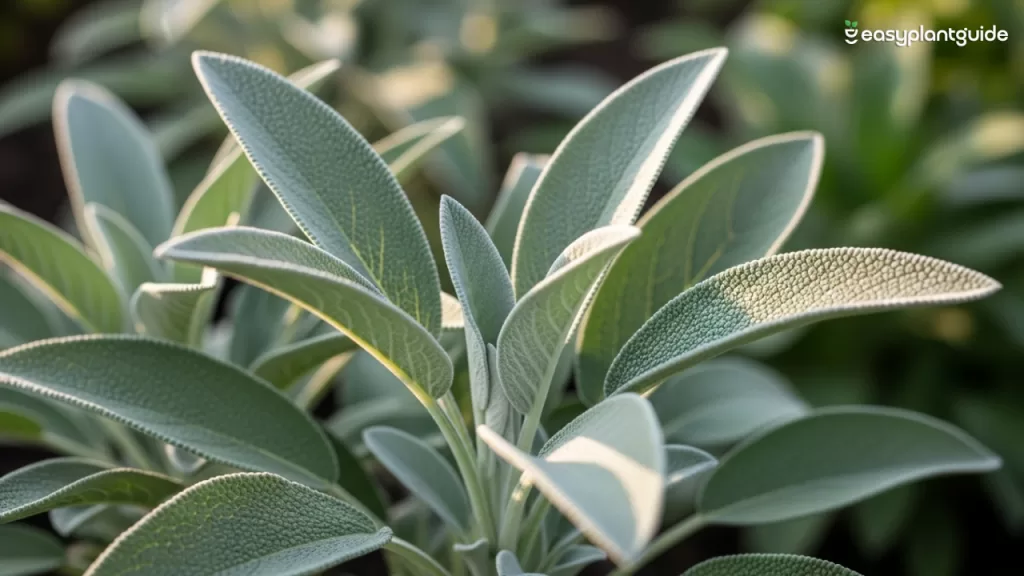
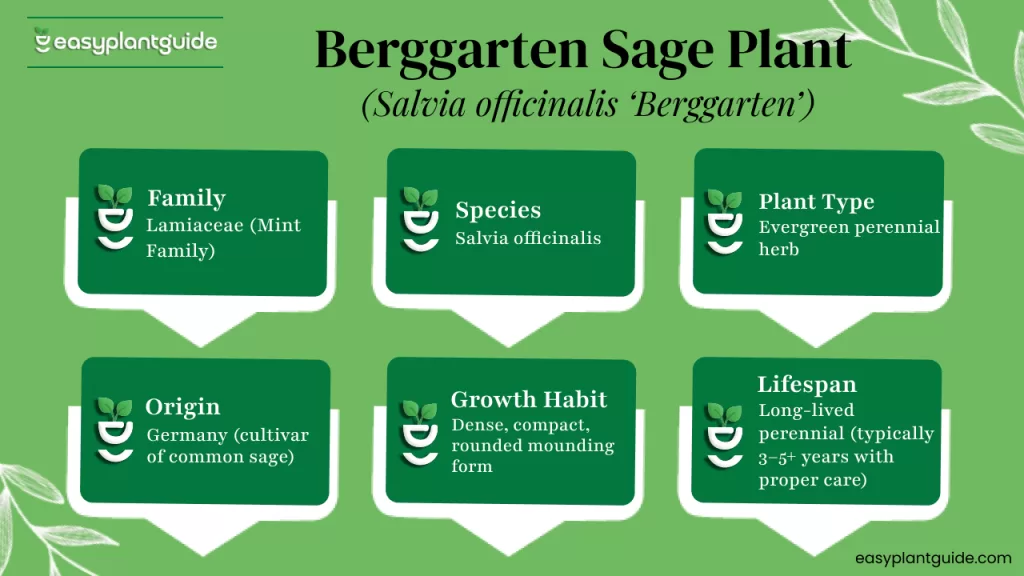
The Berggarten sage plant (Salvia officinalis ‘Berggarten’) is a standout cultivated variety of common sage, but with a personality of its own. Unlike typical sage that’s admired for both leaves and blooms, Berggarten sage rarely flowers—yet it doesn’t need to. Its broad, velvety, silver-gray leaves create a lush, eye-catching mound that instantly elevates the look of any garden space. The dense growth habit, rich aroma, and year-round evergreen foliage make it both a decorative and practical herb. Because of its striking texture and color, gardeners often use it as a focal point in borders, pathways, and container arrangements, proving that this plant’s beauty lies in its foliage rather than its flowers.
Key Characteristics of Berggarten Sage
- Evergreen perennial
- Dense, rounded growth habit
- Large, velvety silver-gray leaves
- Strong sage aroma
- Excellent heat and drought tolerance
Benefits of Growing Berggarten Sage Plant
Why choose this sage variety over others? Simply put, Berggarten sage brings a perfect blend of beauty, functionality, and resilience to your garden, making it a favorite among both beginners and experienced gardeners.
1. Enhances Garden Aesthetics
Berggarten sage adds stunning texture and silvery color to beds, borders, and landscape designs. Its broad, velvety leaves create a striking contrast against green plants, giving your garden a more structured and elegant look.
2. Thrives With Minimal Care
This plant loves full sun and well-draining soil, making it incredibly easy to grow. It requires very little watering once established and handles heat and drought better than many other herbs.
3. Perfect for Small Spaces and Containers
With its compact, rounded growth habit, Berggarten sage fits beautifully into pots, patio planters, herb gardens, and balcony setups. It stays neat and attractive throughout the year.
4. Excellent for Culinary and Aromatic Uses
Berggarten sage is not just ornamental—its flavorful, aromatic leaves are perfect for cooking, teas, herb blends, sauces, and infused oils. It’s a practical, multipurpose herb for everyday use.
Ideal Growing Conditions for Berggarten Sage
Think of Berggarten sage as the Mediterranean traveler in your garden—it loves warmth, sunshine, and dry feet.
Sunlight Requirements
- Prefers full sun
- Needs at least 6–8 hours of bright light
- Can tolerate partial shade, but growth may reduce
Soil Conditions
- Well-draining sandy or loamy soil
- Slightly alkaline to neutral pH
- Avoid heavy clay unless amended
How to Plant Berggarten Sage Plant
If you’ve ever grown herbs like mint or basil, planting Berggarten sage plant will feel very familiar—only easier. Start by choosing a sunny, open spot where the plant can receive plenty of light. Loosen the soil about 8 to 10 inches deep to help the roots spread, and mix in a small amount of compost for gentle nutrition. When placing multiple plants, keep about 18 to 24 inches of space between them so they have room to grow. After planting, water deeply to help the roots settle in.
Watering and Fertilizing Berggarten Sage
Berggarten sage plant thrives on a “less is more” approach, making it perfect for gardeners who prefer low-maintenance herbs. Water only when the top two inches of soil feel dry, and reduce watering significantly during winter. To prevent root rot, avoid frequent or shallow watering, and consider bottom watering if the plant is in a container. Watering in the morning is ideal, as it allows moisture to evaporate throughout the day.
When it comes to fertilizer, sage doesn’t need much. A light layer of compost once a year is usually enough to keep it healthy. Avoid nitrogen-heavy fertilizers, as they lead to lush foliage but weak flavor. If you use an organic herb fertilizer, apply it sparingly, because overfeeding can reduce the plant’s natural aroma.
Pruning Tips for a Bushier Plant
Pruning Berggarten sage plant is like giving it a refreshing haircut that encourages fuller, healthier growth. Begin by trimming back stems in early spring, which helps the plant produce fresh new shoots. Remove any leggy or dead branches so the plant can focus its energy on strong growth. Pinching the tips regularly keeps the plant compact and bushy, but be careful not to cut into woody stems. After the plant finishes flowering, give it a light shaping to maintain a tidy appearance.
Propagating Berggarten Sage Plant
If you want more sage plants without spending extra money, propagation is incredibly simple. The most successful method is taking stem cuttings, which root quickly and reliably. For larger, established plants, division works well and gives you immediate, mature sections to replant. You can also try layering branches by bending a stem to the soil and letting it root in place, or use air layering for faster results. Growing Berggarten sage plant from seed is not recommended, as this variety rarely blooms.
Common Problems and How to Fix Them
1. Powdery Mildew
Powdery mildew shows up as a white, dusty coating on the leaves, usually caused by humidity or crowding. Improve airflow, water at the base, and remove affected leaves. If needed, apply an organic fungicide to stop the spread and restore healthy growth.
2. Root Rot
Root rot happens when the plant sits in soggy soil or gets too much water. Reduce watering, improve drainage, and trim away any mushy roots if damage has started. Repotting in fresh, well-draining soil helps the plant recover quickly.
3. Aphids
Aphids feed on tender growth and weaken the plant over time. Simply wash them off with water or wipe them away. For heavier infestations, use neem oil or insecticidal soap, which clears them without harming the plant.
4. Spider Mites
Spider mites leave tiny yellow spots and fine webbing, especially in hot, dry conditions. Increase humidity and rinse the foliage to remove them. Persistent cases respond well to regular applications of neem oil until the plant rebounds.
5. Sluggish Growth
Slow or weak growth usually means the plant isn’t getting enough sunlight. Move it to a brighter location or clear nearby plants that cast shade. With more light, Berggarten sage quickly becomes fuller, stronger, and more vibrant.
Companion Plants for Berggarten Sage
Companion plants can make a big difference in how well your Berggarten sage plant grows, and choosing the right neighbors helps it thrive beautifully. Some of the best companions include rosemary, thyme, lavender, oregano, and echinacea. These plants enjoy similar growing conditions and create a harmonious, low-maintenance herb garden.
If you’re looking to boost natural pest control, plant marigold, garlic, basil, chives, or dill nearby. These herbs and flowers help deter common pests and create a healthier environment for your sage.
However, a few plants don’t get along well with Berggarten sage plant. Avoid placing it near cucumbers, onions, fennel, brassicas, or mint. These neighbors can compete for nutrients, attract unwanted pests, or disrupt the sage’s growth, making them poor companions in the garden.
Culinary Uses of Berggarten Sage Plant
Even though the Berggarten sage plant doesn’t bloom often, its aromatic and flavorful leaves make it a prized herb in the kitchen. Its earthy, slightly peppery taste enhances a variety of dishes and can elevate both simple and elaborate recipes.
Ways to Use Berggarten Sage Plant in Cooking:
- Seasoning for Meats: The leaves add depth to poultry, pork, and lamb dishes. Simply chop fresh leaves or crush dried ones to season before roasting or grilling.
- Flavored Butter: Mix chopped Berggarten sage plant leaves into softened butter for a fragrant spread, perfect on bread, vegetables, or grilled meats.
- Herbal Teas: Fresh or dried leaves steeped in hot water create a soothing herbal tea with subtle earthy notes, ideal for digestion and relaxation.
- Soup and Stew Enhancer: Add whole or chopped leaves to soups and stews to enrich the flavor without overpowering other ingredients.
- Stuffing and Sauces: Incorporate finely chopped Berggarten sage plant into stuffing, sauces, or gravies to give classic dishes an aromatic boost.
Decorative Uses in Landscapes
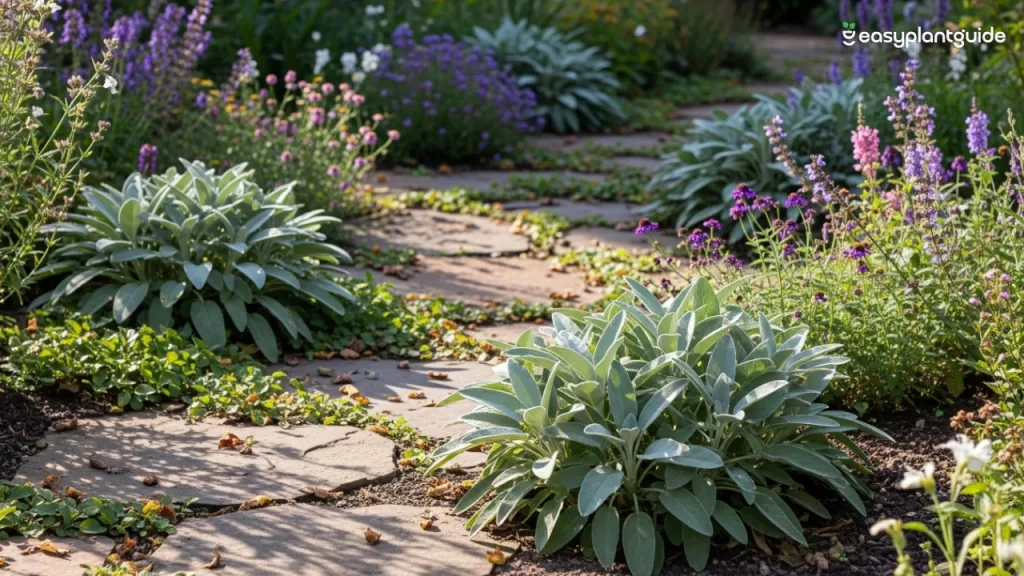
Its velvety leaves bring structure and contrast to garden beds.
- Silver-themed garden beds
- Herb spiral centerpiece
- Walkway borders
- Container herb gardens
- Drought-tolerant xeriscapes
Growing Berggarten Sage Indoors
Yes, you can grow the Berggarten sage plant indoors, even on a sunny windowsill, as long as you give it the right conditions. Place the plant near a south-facing window where it can receive plenty of sunlight, and choose terracotta pots to allow the soil to breathe. Excellent drainage is essential to prevent root rot, so make sure the pot has holes and use well-draining soil. Rotate the plant weekly to encourage even growth on all sides, and consider supplementing natural light with grow lights during darker months to keep your sage healthy and vibrant.
How Berggarten Sage Differs From Common Sage
| Feature | Berggarten Sage | Common Sage |
|---|---|---|
| Leaf Size | Larger, rounder | Smaller, narrower |
| Blooming | Rarely blooms | Blooms regularly |
| Appearance | Ornamental | More traditional |
| Growth Habit | Compact, dense | Upright |
| Best Use | Decorative + Culinary | Culinary |
Harvesting and Storing Sage Leaves
You can enjoy fresh Berggarten sage plant leaves nearly all year round if harvested correctly. For the best flavor, snip young leaves using clean, sharp scissors, and avoid removing more than a third of the plant at a time. Harvesting in the morning helps preserve the essential oils, giving the leaves their strongest aroma. After a heavy harvest, allow the plant time to recover so it remains healthy and productive.
Winter Care for Berggarten Sage Plant
Even though Berggarten sage plant is evergreen, it benefits from a little extra care during winter. Lightly mulch around the base to protect the roots and prevent temperature fluctuations. Avoid letting the soil stay wet in cold months, as soggy conditions can lead to root rot. Container plants should be brought indoors if possible, and watering should be reduced to match slower winter growth. Protect the plant from heavy frost to ensure it emerges strong in spring.
Conclusion
Growing the Berggarten sage plant is one of those gardening experiences that gives you beauty, aroma, and practicality all at once. Whether you want a hardy herb for your kitchen, a silver-toned accent for your garden, or an easygoing plant that practically cares for itself, Berggarten sage is an excellent choice. With the right sunlight, good drainage, and a little pruning now and then, this plant will reward you with years of lush, velvety foliage.
Explore more plant blogs and grow your green journey with us.