
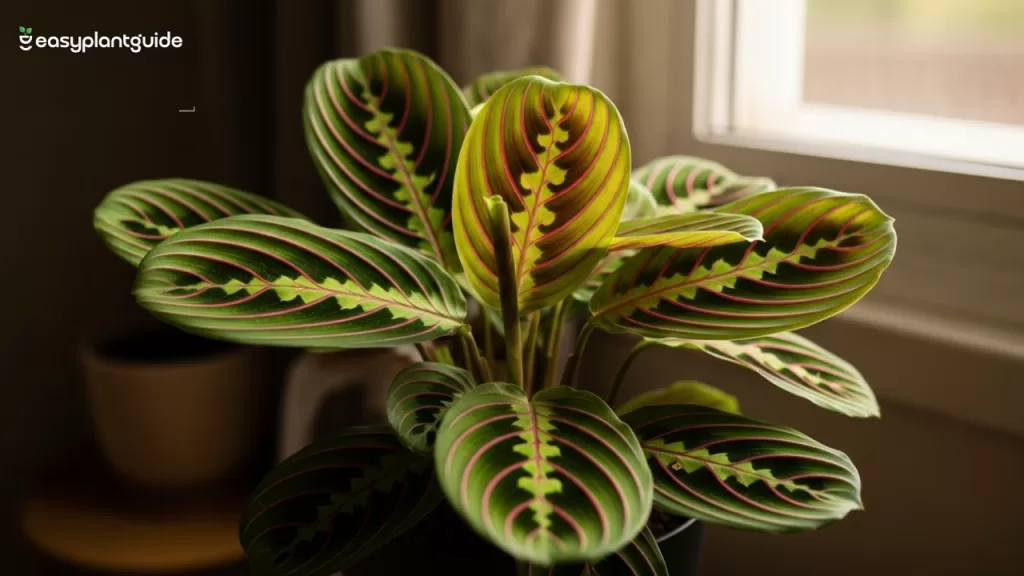
If you’re diving into the world of houseplants, the Maranta plant (also known as the Prayer Plant) is a wonderful place to start. It’s colorful, expressive and folds its leaves at night like it’s settling in for a tiny botanical prayer. In this guide, we’ll walk through everything you need to help your Maranta thrive without stress or confusion, making maranta plant care feel effortless and enjoyable.
Understanding the Maranta Plant
The more you understand your Maranta’s natural roots and daily behavior, the easier it becomes to give it the care it truly needs. This plant isn’t just pretty; it has personality, rhythm and gentle preferences shaped by the forest floor it once called home. Mastering maranta plant care begins with appreciating where it comes from and how it behaves.
Where Marantas Come From
Marantas grow naturally in the warm, shaded rainforest floors of Central and South America. These forests are rich in humidity, filtered sunlight and consistently moist soil. Because of this environment, Marantas feel happiest in soft light, warm temperatures and air that carries a gentle mistiness. Knowing this makes maranta plant care much more intuitive.
Why It’s Called the Prayer Plant
The nickname “Prayer Plant” comes from the way its leaves rise upward at night and relax during the day. This rhythmic movement, known as nyctinasty, helps the plant adjust to light changes in its natural habitat. It’s a charming sign that your plant is alive, responsive and comfortable in its environment.
Light Requirements for a Healthy Maranta
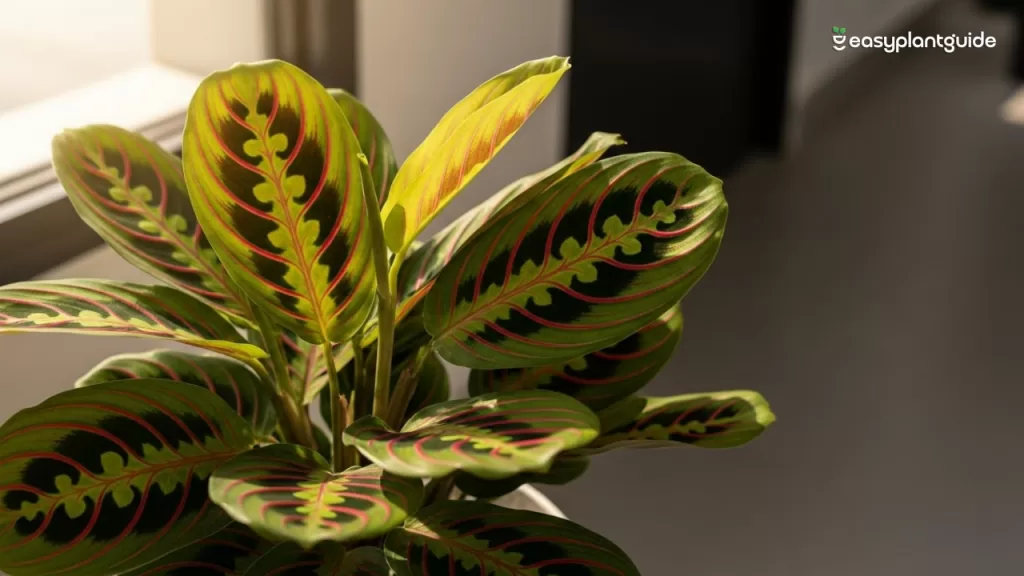
Marantas aren’t sunbathers. Think of them as shade-loving artists that fade under harsh spotlights. Lighting is one of the most important parts of maranta plant care, and getting it right keeps their colors rich and leaves healthy.
Ideal Light Conditions
Getting the light right is a big part of maranta plant care, and it makes all the difference in keeping those patterned leaves vibrant and healthy.
- Bright, indirect sunlight
- East-facing windows work beautifully
- Avoid direct sun rays
- Light shade is acceptable
- Rotate the plant for even growth
Signs Your Maranta Needs More or Less Light
These quick signals help you adjust lighting before your plant becomes stressed, which is essential for proper maranta plant care.
- Pale leaves = too much light
- Darkening leaves = too little light
- Leaf curling due to stress
- Slow growth in very low light
- Brown spots from leaf burn
Watering Your Maranta the Right Way
Maranta plant care always circles back to good watering habits. Generally, water when the top inch of soil feels dry. Consistency is key.
Watering Tips
- Use room-temperature water
- Avoid chlorinated water
- Keep soil evenly moist
- Never let it completely dry out
- Empty saucers to prevent root rot
The Best Soil Mix for Maranta Plants
For proper maranta plant care, your Maranta thrives in soil that is both well-draining and moisture-retentive. A winning potting mix can be made by combining two parts peat or coco coir with one part perlite and one part high-quality potting soil. To improve structure and aeration, add a handful of orchid bark, and if you want to give your plant an extra nutrient boost, a small amount of worm castings works beautifully. This type of soil keeps roots healthy while providing the consistent moisture your Maranta loves.
Temperature Needs of the Maranta
Marantas enjoy cozy, stable conditions, and paying attention to temperature is an essential part of maranta plant care. They thrive in a range between 60°F (15°C) and 80°F (27°C). Keep them away from cold drafts or sudden temperature changes, and avoid placing them too close to heaters, as fluctuations can stress the plant and affect its growth. Maintaining a consistent, warm environment helps your Maranta flourish.
Humidity Requirements
Humidity is the love language of Marantas, and it plays a crucial role in successful maranta plant care. To keep your plant happy, aim for high humidity levels by using a humidifier, grouping your plants together, or placing the pot on a pebble tray filled with water. Occasional misting helps, but make sure the plant isn’t exposed to dry air vents. Providing a consistently humid environment ensures vibrant leaves and steady growth.
Fertilizing Your Maranta Plant
Feeding your Maranta is an important step in maranta plant care, as it keeps the plant healthy, vibrant, and encourages steady growth. During the active growing season in spring and summer, use a balanced, water-soluble fertilizer diluted to half the recommended strength every 4 to 6 weeks. Over-fertilizing can harm the roots, so moderation is key. Providing regular nutrients helps your Maranta maintain its striking leaf patterns and supports new shoots, keeping your plant lively and flourishing throughout the year.
Common Maranta Problems and How to Fix Them
Even though Marantas are relatively hardy, issues can still arise if their specific needs aren’t met. Understanding these common problems is an essential part of effective maranta plant care, helping you troubleshoot quickly and keep your plant thriving.
1. Yellow Leaves
Yellow leaves are usually a sign of overwatering or poor drainage. If you notice this, reduce the watering frequency and ensure your pot has proper drainage holes. Checking the soil moisture before watering is key to preventing root stress.
2. Brown Leaf Tips
Brown tips often indicate low humidity, inconsistent watering, or the use of tap water high in salts or chlorine. To fix this, increase humidity with a pebble tray or humidifier, water consistently, and consider using filtered or distilled water.
3. Leaf Curling
Leaves that curl during the day are a warning that your plant may be stressed due to insufficient humidity, irregular watering, or too much direct sunlight. Adjust the care routine and relocate your plant to a softer, more stable environment.
4. Slow Growth
If your Maranta is growing slowly, it could be receiving too little light, too little fertilizer, or experiencing cold temperatures. Move the plant to brighter, indirect light, feed it with a diluted fertilizer during the growing season, and maintain warm, stable temperatures.
5. Pest Infestations
Common pests like spider mites, aphids, and mealybugs can appear if your plant is stressed or in a low-humidity environment. Regularly inspect your leaves and treat infestations early with neem oil or insecticidal soap. Improving airflow and humidity also helps prevent pest problems.
Quick Diagnosis Guide
| Problem | Likely Cause | Quick Fix |
|---|---|---|
| Yellow leaves | Overwatering | Reduce watering, improve drainage |
| Brown tips | Low humidity | Increase humidity methods |
| Curling leaves | Underwatering or light | Adjust watering or move to softer light |
| Leaf spots | Water on leaves | Bottom-water or avoid splashing |
| Slow growth | Cold weather | Increase warmth |
How to Propagate a Maranta
Propagation is a rewarding part of maranta plant care, allowing you to turn one healthy plant into several new ones. Start by selecting a healthy stem with at least one node, and cut just below the node to encourage root growth. You can place the cutting in water or directly into moist soil, ensuring it receives bright, indirect light. Maintaining high humidity around the cutting will help it establish roots more quickly and thrive in its new environment.
Repotting Your Maranta
Repotting is an important aspect of maranta plant care, as these plants appreciate having room to stretch and grow. You should consider repotting when the roots start circling the bottom of the pot, the soil drains too quickly, or the plant begins leaning heavily. Slow growth is another sign that it’s time to repot. Typically, repotting every 1 to 2 years provides fresh soil, better nutrients, and ample space for healthy root development.
Pests That Affect Maranta Plants
Even with careful maranta plant care, pests can occasionally appear. Common pests include spider mites, mealybugs, aphids, fungus gnats, and thrips. These insects can damage leaves, stunt growth, and stress the plant. Regularly inspecting your Maranta and treating infestations early with neem oil or insecticidal soap helps protect it. Maintaining proper humidity and airflow also reduces the likelihood of pest problems.
How to Treat Them
Effective pest management is a crucial part of maranta plant care. To treat common pests like spider mites, mealybugs, and aphids, gently wipe the leaves with a solution of neem oil, which acts as a natural insect repellent. You can also use insecticidal soap for more persistent infestations, making sure to cover both the top and underside of the leaves. Improving airflow around your Maranta and maintaining proper humidity further discourages pests from settling in, helping your plant stay healthy, vibrant, and stress-free.
How to Keep Your Maranta Vibrant Year-Round
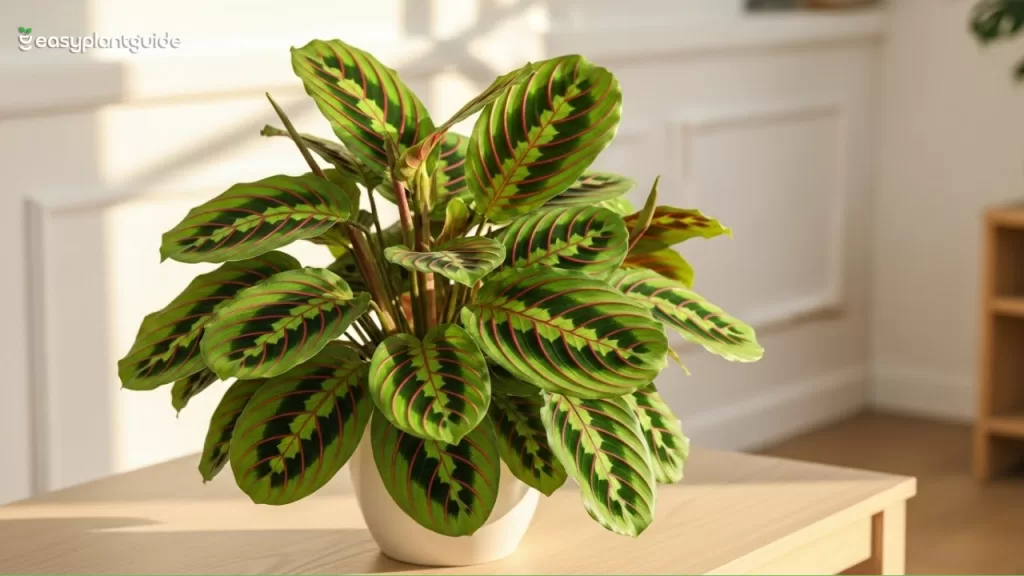
Keeping your Maranta vibrant throughout the year is all about consistent, gentle care. Proper maranta plant care involves more than just occasional watering—it’s about creating an environment where your plant can thrive every season. During warmer months, increase watering slightly and provide bright, indirect light to encourage new growth. In colder months, reduce watering and feeding while still maintaining humidity, so the plant doesn’t go into stress. Regularly check for pests, rotate the plant to ensure even growth, and prune any dead or damaged leaves. With this ongoing attention, your Maranta will maintain its stunning leaf patterns, lively colors, and energetic nightly leaf movements year-round.
Seasonal Tips
- Increase watering in summer
- Reduce feeding in winter
- Check for pests monthly
- Mist lightly in dry months
- Rotate often for balanced sunlight
Mistakes to Avoid with Maranta Care
Even small mistakes can quickly stress your Maranta, so careful attention is essential for effective maranta plant care. Overwatering is a common issue that can cause root rot, yellowing leaves, and weak growth, while letting the soil dry out completely can lead to leaf curling and browning. Placing your Maranta in harsh, direct sunlight may scorch its delicate foliage, dulling its vibrant patterns. Using heavy, compact soil prevents proper drainage and restricts root growth, making the plant more susceptible to stress and disease.
Ignoring the plant’s need for consistent humidity can also result in brown tips, curling leaves, and slowed growth, especially in dry indoor environments. Additionally, using cold water can shock the roots and affect overall health. By avoiding these common mistakes and focusing on proper light, water, soil, and humidity, you can ensure your Maranta stays healthy, vibrant, and continues its beautiful nightly leaf movements year-round.
Conclusion
Maranta plant Care isn’t complicated when you understand its rainforest roots. Proper maranta plant care involves providing soft, indirect light, consistent moisture, and a warm, humid environment. Once you get the basics right, your Maranta rewards you with colorful leaves, expressive daily movements, and steady growth. By following the tips in this guide, you’re well on your way to helping your plant thrive with confidence and long-lasting beauty.
Explore more plant blogs and grow your green journey with us.