
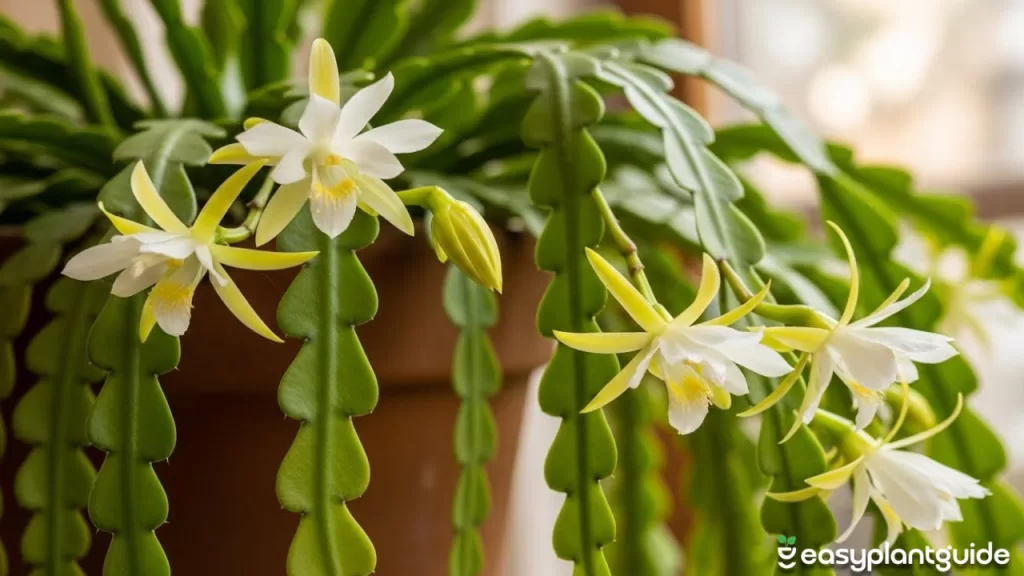
The Fish Bone Cactus (Epiphyllum anguliger), also known as the Ric Rac Cactus or Zig Zag Cactus, is one of the most eye-catching indoor plants due to its wavy, fishbone-shaped leaves. This tropical cactus is admired for its easy care, unique appearance, and beautiful night-blooming flowers. In 2025, plant enthusiasts continue to fall in love with its effortless charm and flexibility in modern interior décor. This full guide explores everything you need to know about its care, growth, light, watering, propagation, common problems, and styling ideas.
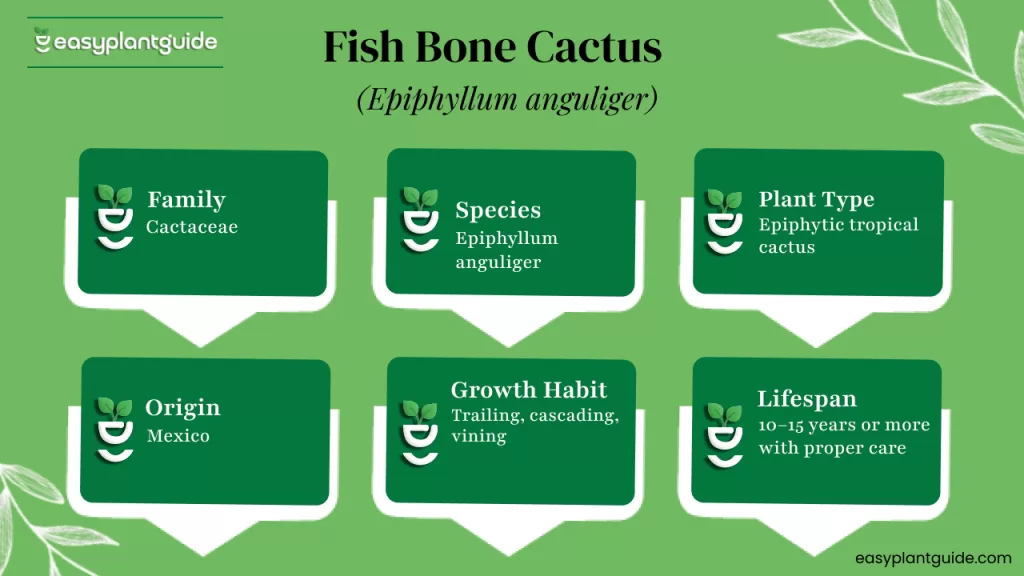
The Fish Bone Cactus brings both beauty and resilience into indoor spaces, making it a perfect choice for beginners and seasoned plant lovers alike. Its fast-growing, trailing stems create a dramatic display when placed in hanging planters or elevated pots, enhancing the natural aesthetic of any room. Beyond its visual appeal, this cactus adapts well to various indoor conditions and thrives with minimal effort, making it a reliable plant even for those with a busy lifestyle. As more homeowners and plant enthusiasts embrace nature-inspired interiors in 2025, the Fish Bone Cactus continues to stand out as a must-have indoor plant.
What Is the Fish Bone Cactus?
The Fish Bone Cactus is an epiphytic species native to Mexico, where it grows on tree trunks and branches rather than in traditional soil. Its dramatic, zigzag leaves resemble fish bones, giving it an unusual and artistic look that stands out in any room. This cactus is low-maintenance, grows quickly, and can trail beautifully in hanging planters. Although it belongs to the cactus family, it loves humidity and indirect light—making it quite different from desert cacti. Its rare, fragrant night flowers add an element of surprise, making it a favorite among plant lovers.
Why the Fish Bone Cactus Is Trendy in 2025
The Fish Bone Cactus has gained major popularity in 2025 due to its modern, graphic leaf pattern that complements minimalistic and contemporary interiors. Plant lovers appreciate how effortlessly it grows indoors and how visually striking it is on social media plant shelves. It thrives in small apartments, bright offices, and homes with filtered light. Many also love collecting it because it produces beautiful white blooms at night, adding a sense of rarity and magic that sets it apart from typical houseplants.
Ideal Light Requirements for Fish Bone Cactus
This plant thrives best in bright, indirect sunlight, similar to the dappled light it receives in tropical forests. Direct sunlight may burn the leaves, especially during summer afternoons. East-facing windows are ideal because they offer gentle morning light. If you place the plant in a south-facing area, ensure the light is filtered through curtains. Adequate lighting encourages strong leaf shape, vibrant color, and the possibility of blooming. During winter, artificial grow lights can help maintain healthy growth.
Growing Fish Bone Cactus in Low Light
The Fish Bone Cactus can handle low light, but it will not grow to its fullest potential. In low-light environments, the leaves may stretch out, lose their sharp zigzag pattern, and appear paler. Growth also slows significantly, and blooming becomes unlikely. To help the plant thrive in low-light conditions, consider using LED grow lights for 6–8 hours daily. This will maintain its structure, encourage bushy growth, and support healthy photosynthesis throughout the year.
Watering Needs of Fish Bone Cactus
Unlike desert cacti, the Fish Bone Cactus prefers consistent moisture but cannot tolerate soggy soil. Water the plant when the top 1–2 inches of soil feel dry. In warm months, it may need frequent watering, while in winter, the frequency should be reduced. Overwatering is the most common issue and often leads to root rot. To avoid this, always use a pot with drainage holes and allow excess water to escape. Filtered water is ideal, as hard water may leave residue on the leaves.
Overwatering vs. Underwatering Signs
An overwatered Fish Bone Cactus shows signs such as yellowing leaves, mushy stems, or a foul smell from the soil. Its roots may turn black or soft. On the other hand, underwatering causes wrinkled, crisping leaves and slow growth. The plant may also appear dehydrated, and the zigzag pattern might look dull. To maintain balance, always check soil moisture before watering. Seasonal changes greatly affect water needs, so adjust your routine depending on humidity and temperature.
Best Soil Mix for Fish Bone Cactus
The Fish Bone Cactus grows best in well-draining soil that still retains enough moisture to mimic its natural habitat. A good mix includes orchid bark, cactus soil, perlite, and peat moss. This combination ensures adequate airflow around the roots while preventing waterlogging. Avoid dense garden soil or heavy potting mixes that trap moisture and lead to rot. Adding organic compost boosts nutrients and encourages lush, healthy growth.
Why a Well-Draining Mix Is Essential
Because the Fish Bone Cactus is epiphytic, its roots require oxygen and cannot stay submerged in heavy soil. A chunky mix allows water to pass through quickly, preventing root rot. The bark pieces help replicate the plant’s natural environment, while perlite keeps the mixture airy. Using the correct soil is one of the most important factors for ensuring long-term health and lush leaf development.
Temperature & Humidity Requirements
This cactus prefers warm temperatures between 18°C and 26°C. It can tolerate slightly cooler weather at night but should never be exposed to frost. Humidity levels between 50–70% are ideal. Because it comes from tropical regions, it loves humid air. Placing it in bathrooms with indirect light, using a humidifier, or clustering plants together helps maintain the right humidity level. Low humidity may cause the edges of the leaves to brown or curl.
How to Increase Humidity Naturally
You can increase humidity around the Fish Bone Cactus using simple methods. Place a water-filled pebble tray under the pot, position the plant near other humidity-loving plants, or mist it occasionally—though misting is optional. Another effective option is placing it in naturally humid rooms like kitchens or bathrooms, as long as they receive bright, indirect light. Maintaining humidity helps the plant develop stronger leaves and better growth.
Fertilizing the Fish Bone Cactus
Fertilize the plant during the growing season (spring and summer) using a balanced liquid fertilizer diluted to half strength. Monthly feeding encourages full, lush growth and increases the possibility of blooming. Avoid over-fertilizing, as it may damage roots and cause chemical buildup. During fall and winter, reduce or stop fertilization because the plant’s growth slows down. Organic fertilizers like worm castings can also be lightly added to the soil for natural nutrition.
Blooming Tips for Fish Bone Cactus
Blooming is rare indoors but possible with proper care. To encourage blooms, provide bright indirect light, consistent humidity, and slightly cooler temperatures at night. Reduce watering in late fall to mimic natural seasonal cycles. Once buds appear, avoid moving the plant, as changes in environment may cause bud drop. When it blooms, expect beautiful, fragrant white flowers that open at night—making the experience truly magical.
Propagation Methods
The Fish Bone Cactus is very easy to propagate using stem cuttings. Choose a healthy leaf segment, cut it using a sterilized tool, and let the cutting callous for a day. Plant it in moist, well-draining soil and keep it in bright, indirect light. Roots usually develop within a few weeks. Water lightly until the cutting begins to establish. Propagation helps expand your collection or share this stunning plant with friends.
Quick Care Guide for Fish Bone Cactus
| Category | Ideal Condition |
| Light | Bright, indirect |
| Water | When top 1–2 inches dry |
| Soil | Well-draining, airy mix |
| Humidity | 50–70% |
| Fertilizer | Monthly in growing season |
| Temperature | 18°C – 26°C |
| Growth Habit | Trailing and vining |
Common Problems and Solutions
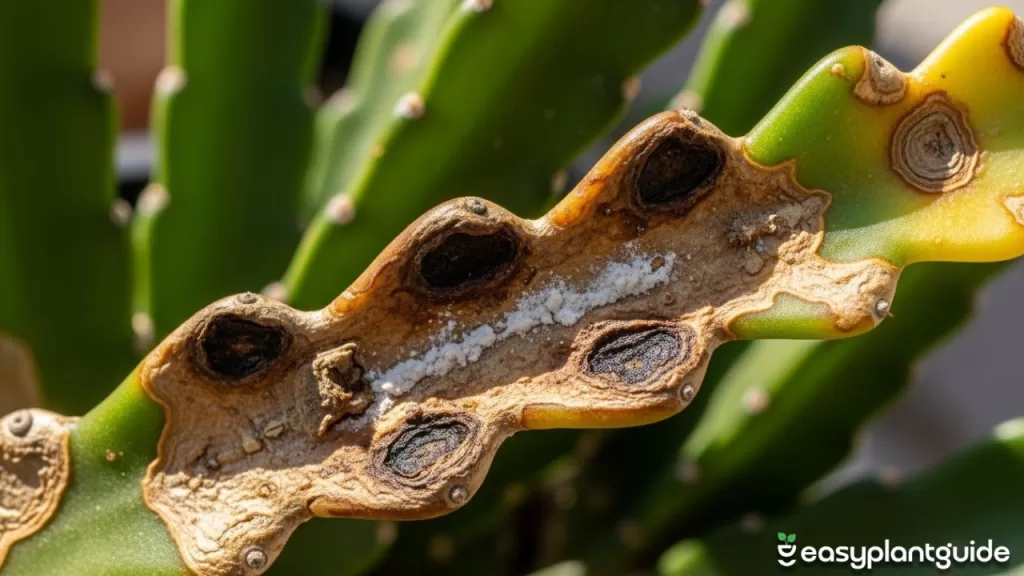
Fish Bone Cactus may face issues such as pests, root rot, or leaf distortions. Mealybugs and spider mites are common pests that feed on sap and weaken the plant. Using neem oil or insecticidal soap helps eliminate infestations. Root rot happens due to overwatering or compact soil. Repotting in fresh soil and trimming damaged roots solves the issue. Leaf deformities often indicate improper light or humidity levels. Adjusting the environment quickly restores healthy growth.
Styling and Display Ideas
This plant looks stunning in hanging baskets, allowing its long, zigzag leaves to cascade beautifully. You can also place it on shelves where its leaves trail attractively. Modern ceramic pots, macramé hangers, and minimalist planters complement its unique shape. Pairing it with other tropical plants creates a lush indoor jungle aesthetic.
Some of the best places to display this plant include bright living rooms, office desks near windows, bathrooms with filtered light, and kitchen shelves. Avoid placing it in direct harsh sunlight or cold drafty areas. Choosing the right location helps your Fish Bone Cactus stay healthy while enhancing the beauty of your space.
Conclusion
The Fish Bone Cactus remains one of the most captivating and beginner-friendly indoor plants, thanks to its bold zigzag leaves, easy care routine, and unique tropical charm. With the right balance of indirect light, proper watering, and well-draining soil, this plant can thrive effortlessly in any modern home. Its fast growth and occasional night blooms make it even more rewarding for plant lovers. Whether displayed in a hanging basket or on a stylish shelf, the Fish Bone Cactus brings natural beauty and character to every space.
Checkout for more green blogs here.