
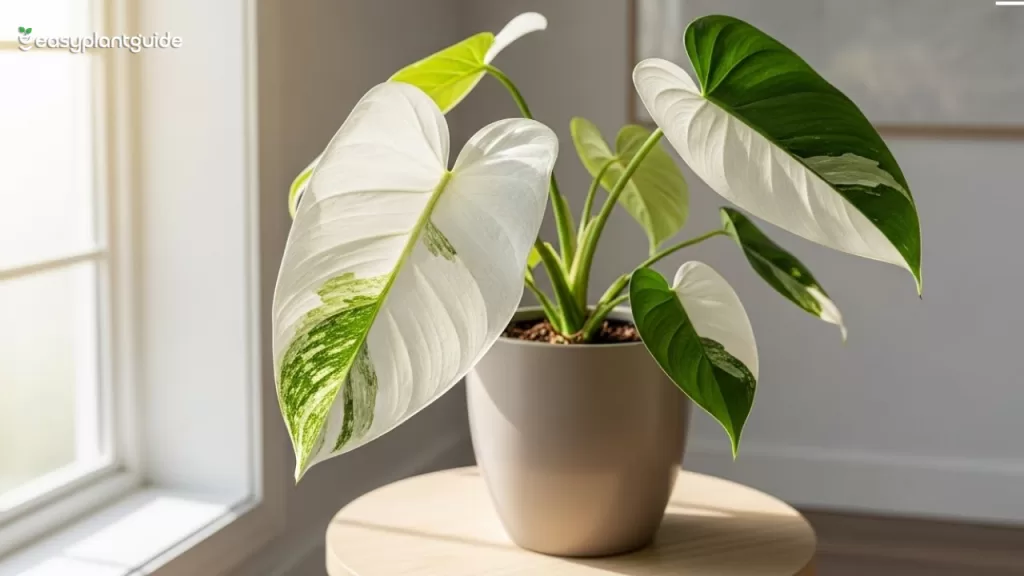
If you’ve recently fallen in love with the rare and ethereal Albino Philodendron, you’re definitely not alone. This plant feels like a true botanical treasure, glowing with its striking white variegation and dramatic, sculptural leaves that instantly draw attention. While caring for it isn’t overly complicated, it does require a thoughtful approach to ensure it thrives and maintains its unique beauty. From choosing the right light and soil to managing humidity and watering, every little detail matters. In this guide, we’ll walk you step by step through everything you need to know to nurture this extraordinary plant and help it flourish in your home.
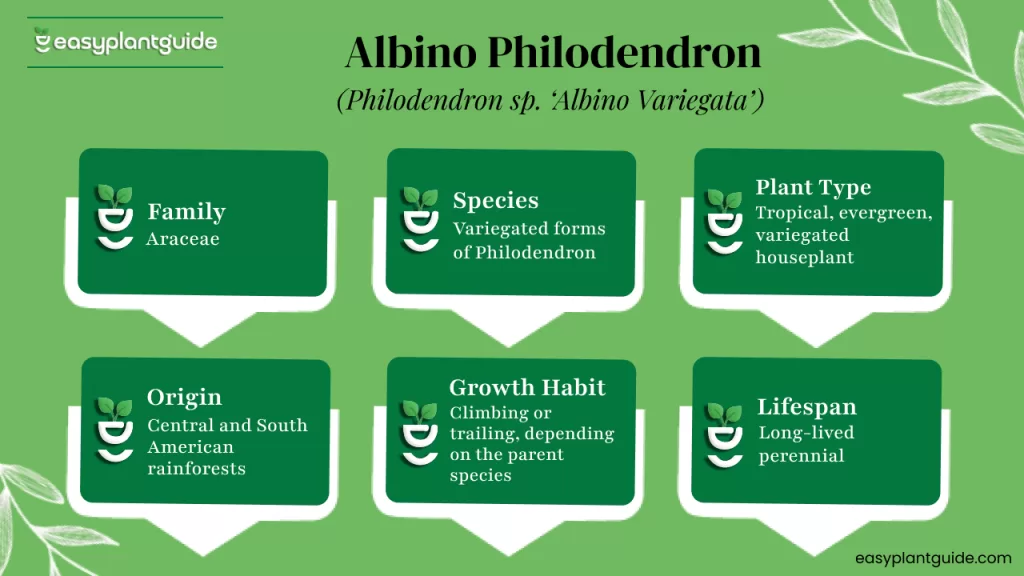
What Makes the Albino Philodendron So Special?
The Albino Philodendron is a truly extraordinary houseplant, instantly catching the eye with its striking white patches. These patches result from unstable variegation, meaning the distribution of white on the leaves can vary from one plant to another, making each specimen unique. Because the white sections lack chlorophyll, the plant is more delicate than fully green Philodendrons and requires extra care to thrive.
Its rarity and ethereal appearance make it highly coveted among plant collectors and enthusiasts. Beyond aesthetics, the Albino Philodendron adds a sense of luxury and sophistication to any indoor space, transforming ordinary rooms into vibrant, living showcases. The combination of delicate care requirements, slow growth, and breathtaking beauty is what truly sets this plant apart in the world of houseplants.
Key Characteristics of the Albino Philodendron
The Albino Philodendron is renowned for its rare and striking variegation patterns, which make each plant truly unique. Its leaves feature bright white sections that contrast beautifully with the remaining green, creating a dramatic and eye-catching appearance. This plant grows slowly, which is typical for highly variegated varieties, and it is particularly sensitive to incorrect lighting—too much direct sun can scorch the leaves, while too little light can reduce variegation. Because of these unique traits and its rarity, the Albino Philodendron is highly sought-after among collectors and plant enthusiasts.
Ideal Growing Conditions
Getting the basics right sets the stage for success.
- Light Requirements: Albino Philodendrons need bright, indirect light. The white parts can burn easily, and too little light reduces variegation.
- Temperature Needs: Aim for a comfortable indoor range between 65 to 80°F (18 to 27°C).
- Humidity Levels: These tropical plants adore humidity. Keep it above 60 percent if possible.
Best Soil Mix for Albino Philodendron
Albino Philodendrons thrive in a well-draining aroid soil mix. They prefer soil that allows air to circulate around the roots rather than retaining excessive moisture, which can cause root rot.
Recommended Soil Combination
The ideal mix combines coco coir or peat for moisture retention, perlite to improve drainage, and orchid bark for aeration. Adding worm castings supplies nutrients, while a touch of activated charcoal helps keep the soil fresh and prevents fungal growth. This balanced combination creates the perfect environment for healthy root development.
Watering the Albino Philodendron Correctly
Overwatering is one of the most common mistakes plant owners make with Albino Philodendrons, as it can quickly lead to root issues. Proper watering ensures the plant gets enough moisture without drowning the roots.
Watering Guidelines
Check the top two inches of soil before watering to make sure it’s partially dry. Water thoroughly but avoid leaving standing water in saucers, as stagnant water can attract pests and promote root rot. Using room-temperature water is best, and during winter, reduce watering since the plant’s growth naturally slows down.
Fertilizing for Healthier Growth
Albino Philodendrons naturally grow slower than fully green varieties because their white variegated leaves contain less chlorophyll. Fertilizing provides the extra nutrients they need to thrive and supports overall plant health. Regular feeding helps encourage stronger stems, more vibrant leaves, and a balanced growth rate without overwhelming the plant.
Monthly Feeding Tips
During the active growing season, use a diluted, balanced fertilizer once a month. This helps supply essential nutrients like nitrogen, phosphorus, and potassium, supporting both foliage and root development. Avoid over-fertilizing, as it can damage delicate roots and lead to leaf burn. Fertilizer is less necessary in winter when growth naturally slows down.
How to Maintain High Variegation
Maintaining the Albino Philodendron’s striking white patches requires careful attention to light and overall plant care. Proper, bright indirect light encourages the plant to produce variegated leaves without turning entirely green.
Rotating the plant weekly ensures all sides receive even light exposure, preventing uneven growth or pale areas. Additionally, keeping humidity and watering consistent supports healthy leaf development, making those white patterns stay crisp and visually striking over time.
Common Problems and Solutions
| Problem | Cause | Solution |
|---|---|---|
| Yellow leaves | Overwatering | Adjust watering & ensure drainage |
| Brown tips | Low humidity | Increase moisture & misting |
| Fading variegation | Low light | Move to brighter spot |
| Wilting | Underwatering | Water deeply & consistently |
| Leaf burn | Harsh sunlight | Shift to filtered light |
Pests That May Target Albino Philodendron
Albino Philodendrons can occasionally attract pests that threaten their health. Common offenders include spider mites, fungus gnats, mealybugs, aphids, and scale insects. These pests can damage leaves, stunt growth, or spread disease if not managed promptly.
Prevention Tips
To prevent infestations, always inspect new plants before introducing them to your collection. Keep the leaves clean and dust-free, and avoid overwatering, which can attract fungus gnats. Regularly using neem oil and improving airflow around the plant helps maintain a healthy, pest-free environment.
Propagating Albino Philodendron
Propagation can be an exciting way to expand your plant collection, though the variegation in new plants may vary. Stem cuttings are the most common method, allowing you to grow a new plant from a healthy node.
Stem-Cutting Method
Select a healthy node and cut it using sterilized scissors. Place the cutting in water and ensure it receives bright, indirect light. Once roots develop and reach about an inch in length, transfer the cutting into soil to continue growing.
Repotting the Right Way
Repotting should be done every one to two years, preferably in spring, to give the Albino Philodendron fresh soil and room to grow. Proper repotting ensures the plant remains healthy and maintains vibrant leaves.
Repotting Steps
Choose a pot that is one to two inches larger than the current one. Gently loosen the roots and refresh the soil mix before placing the plant in its new home. Water lightly afterward and keep the plant out of harsh light for a few days to help it adjust.
Expert Tips to Boost Growth
To help your Albino Philodendron thrive and maintain its stunning white variegation, follow these expert tips:
- Rotate weekly: Turning your plant slightly every week ensures even light exposure, preventing one-sided growth and helping leaves develop evenly.
- Use distilled water if possible: Albino Philodendrons are sensitive to chemicals in tap water. Using distilled or filtered water reduces the risk of leaf burn and promotes healthier growth.
- Keep humidity stable: High and consistent humidity supports lush leaves and prevents brown tips. Consider a humidifier, pebble tray, or grouping plants together for a tropical environment.
- Place near an east-facing window: Morning sunlight is gentle and ideal for variegation. Avoid harsh afternoon sun, which can scorch the delicate white areas.
- Prune leggy growth: Regularly trim any overly long or weak stems to encourage fuller, bushier growth and to maintain a visually appealing shape.
Benefits of Growing Albino Philodendron
Enhances Room Ambiance
Beyond its stunning aesthetics, the Albino Philodendron brings a sense of calm and serenity to any space. Its white-variegated leaves reflect light beautifully, brightening rooms and creating a visually soothing atmosphere. Placing it in living areas, bedrooms, or workspaces can make the environment feel fresher, more relaxing, and closer to nature.
Adds Indoor Plant Diversity
This plant contributes to indoor plant diversity, adding a rare and exotic element to your collection. Unlike typical green houseplants, its unique white patterns draw attention and spark conversation. It’s perfect for plant enthusiasts who enjoy cultivating unusual and eye-catching species.
Promotes Mindfulness and Well-being
Caring for an Albino Philodendron—watering, monitoring light, and supporting its growth—encourages mindfulness and a sense of accomplishment. Its presence can subtly enhance mood, reduce stress, and make your space feel more vibrant and alive.
Decorating With the Albino Philodendron
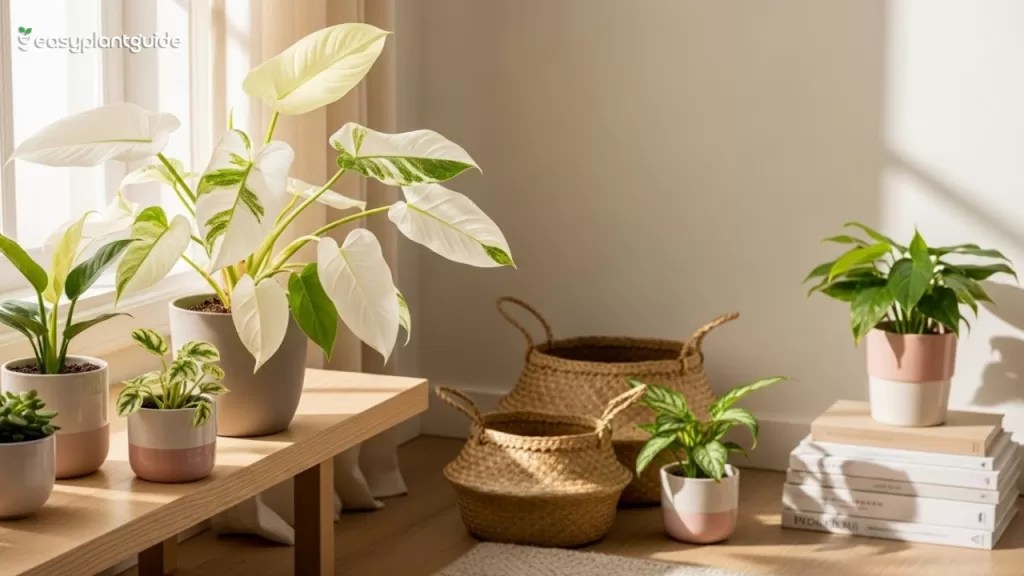
Bringing an Albino Philodendron into your home instantly elevates the atmosphere. Its white-splashed leaves behave like natural art, catching light and attention without trying too hard. It adds a calm, modern elegance to any room.
Styling Ideas for Your Space
Place it near a bright window where the glow enhances its variegation. Pair it with neutral ceramics or woven baskets to create a soft, earthy contrast. This plant loves spaces where simplicity meets character.
Best Spots to Showcase the Plant
You can display it on plant stands, bookshelves, side tables, or entryway consoles. If it’s a climbing variety, let it trail or climb a moss pole for a more sculptural look. No matter where it sits, it adds a fresh, refined touch to your decor.
Conclusion
The Albino Philodendron may be rare and highly sought-after, but caring for it doesn’t have to feel intimidating. By understanding its specific needs—such as bright, indirect light, well-draining soil, and consistent humidity—you can watch this stunning plant thrive and develop its signature white-variegated leaves. Paying attention to watering, fertilizing, and proper placement will help maintain its delicate beauty while encouraging steady growth.
With a little patience and consistent care, your Albino Philodendron can become a true centerpiece in your home, transforming any corner into a lush, calming, and visually striking space. Stay curious, embrace the journey of plant care, and let this extraordinary botanical gem bring elegance, serenity, and a touch of rarity to your indoor garden.
Explore more plant blogs and grow your green journey with us.