
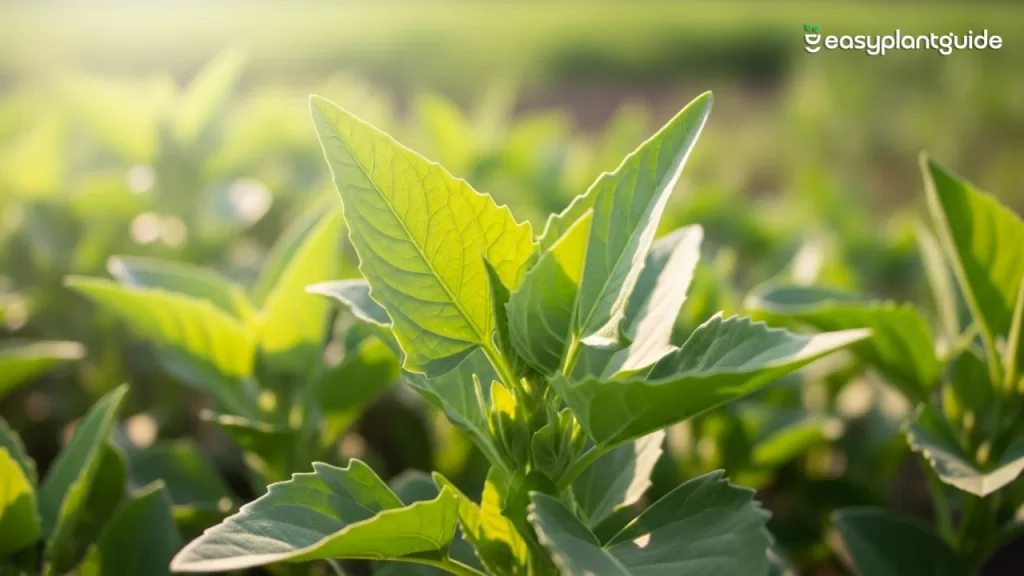
The Bathua plant, also known as Chenopodium album, is one of those underrated superfoods hidden in plain sight. Commonly found in South Asia, especially India and Pakistan, this winter weed grows almost anywhere—from farms to home gardens—and yet many people still overlook its medicinal and nutritional value. Packed with essential vitamins, minerals, fiber, antioxidants, and medicinal compounds, Bathua deserves a permanent spot in your kitchen and your health routine.
In this article, we will explore everything you need to know about the Bathua plant—its benefits, uses, nutritional profile, side effects, and even how to grow it at home. Get ready to discover why this humble greens plant has been respected in Ayurveda for centuries!
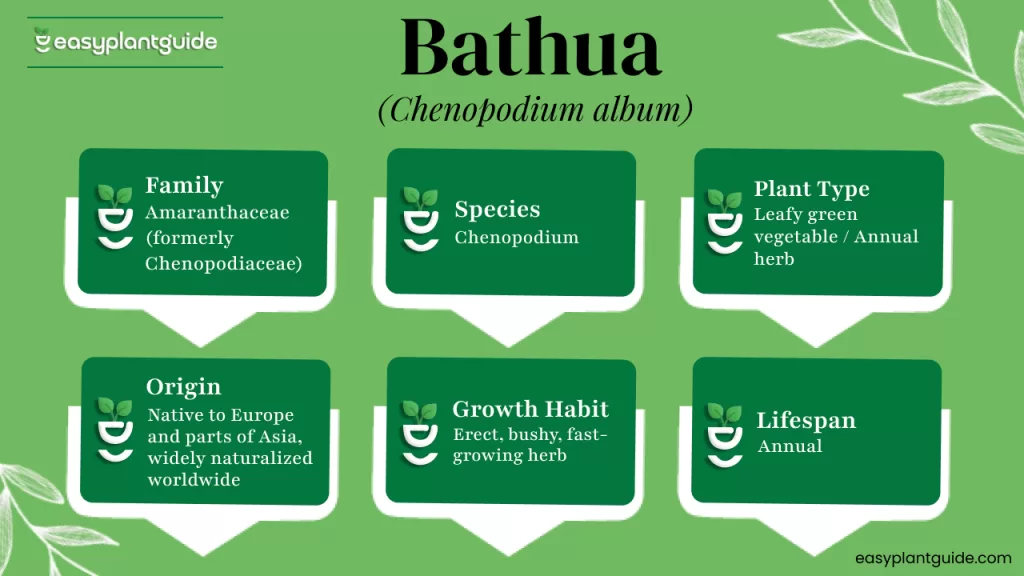
What Is Bathua Plant?
The Bathua plant is a leafy green vegetable widely consumed in South Asia during the winter season. Scientifically known as Chenopodium album, it belongs to the Amaranth family. In English, it is commonly referred to as Pigweed, Goosefoot, or Lamb’s Quarters. It has a slightly earthy flavor and is commonly used in dishes like Bathua saag, parathas, raita, and soups. Despite growing wildly, it is completely edible and offers remarkable health benefits.
Other Names of Bathua Plant
| Language/Region | Name |
|---|---|
| English | Pigweed / Goosefoot |
| Hindi | Bathua |
| Urdu | Bathuwa |
| Punjabi | Bathu |
| Bengali | Bathua Shak |
| Tamil | Paruppu Keerai |
| Telugu | Chakravarthi Kura |
| Marathi | Chakwat |
| Sanskrit | Vastuka |
Nutritional Value of Bathua Leaves
Bathua Plant leaves are packed with valuable nutrients that support overall health. In a 100-gram serving, they provide approximately 43 kcal of energy, making them a low-calorie yet nutrient-dense food. They contain 4.2 grams of protein, which helps in muscle repair and growth, along with 7.3 grams of carbohydrates that supply the body with energy. The 4.2 grams of dietary fiber aid digestion, prevent constipation, and promote gut health.
Bathua Plant is also exceptionally rich in calcium, offering 300 mg per 100 grams, which supports strong bones and teeth. With an impressive 11,600 IU of Vitamin A, it contributes to healthy vision, skin, and immune function. The 80 mg of Vitamin C boosts immunity and acts as an antioxidant. Additionally, it contains 1.6 mg of iron, which helps maintain healthy blood levels and prevent anemia, while 452 mg of potassium assists in regulating blood pressure, heart function, and muscle activity. Overall, Bathua is a powerhouse of nutrition and a great addition to a healthy diet.
Health Benefits of Bathua Plant
1. Boosts Digestion and Improves Gut Health
Bathua Plant contains high amounts of fiber that help relieve constipation and support smooth digestion. It works as a mild natural laxative and promotes healthy bowel movement. In Ayurveda, Bathua is also used to cleanse the stomach and eliminate intestinal worms.
2. Helps Detoxify the Body Naturally
Rich in powerful antioxidants like beta carotene and chlorophyll, Bathua helps cleanse the liver and purify the blood. It eliminates harmful toxins from the body and improves overall metabolic function.
3. Strengthens Bones and Improves Teeth Health
Bathua Plant leaves are a great source of calcium and phosphorus, both essential for strong bones and healthy teeth. Regular consumption is especially beneficial for children, women, and senior citizens to prevent weakness and joint pain.
4. Boosts Immunity and Fights Infections
Loaded with Vitamin C and Vitamin A, Bathua strengthens the immune system and enhances the body’s natural defense. It helps prevent common infections like cold, cough, and flu, especially during winter.
5. Supports Weight Loss Effectively
Being low in calories and high in dietary fiber, Bathua Plant keeps you full for longer and prevents unnecessary snacking. It improves digestion, boosts fat metabolism, and supports healthy weight management without losing energy.
6. Improves Skin Health and Natural Glow
Bathua Plant juice and leaves are rich in skin-friendly nutrients that help reduce acne, blemishes, and pigmentation. Its antioxidants repair skin cells, delay signs of aging, and keep the skin soft, smooth, and glowing.
7. Increases Blood Production and Energy Levels
Bathua Plant contains iron and folic acid, which are essential for producing red blood cells and increasing hemoglobin levels. It helps fight fatigue, weakness, and anemia, especially in women and growing children.
Bathua Leaves vs Spinach (Palak)
Bathua Plant and spinach are both popular leafy vegetables, but they differ in taste, nutrients, and health benefits. Bathua is rich in dietary fiber, which supports digestion and prevents constipation, making it ideal for gut health. It has a slightly earthy flavor and is commonly used in traditional winter dishes like Bathua saag and parathas. It also provides a well-balanced mix of vitamins and minerals, making it a great addition to a healthy diet.
Spinach (Palak), on the other hand, is known for its high iron and calcium content, which helps in boosting hemoglobin levels and strengthening bones. Its mild taste makes it more versatile in cooking, and it is often used in recipes like palak paneer, soups, and smoothies. While both greens are nutritious, Bathua Plant offers more fiber while spinach offers more iron, making them both valuable in different ways depending on your health goals.
Medicinal Uses of Bathua in Ayurveda
Bathua Plant has been valued for centuries in Ayurveda due to its healing properties. It is considered a natural medicine for many common health problems and is often recommended as part of a balanced diet for internal cleansing and overall wellness.
- Digestive tonic: Bathua improves digestion by stimulating the digestive fire (Agni). It helps relieve gas, constipation, and indigestion while promoting smoother bowel movements.
- Blood purifier: It naturally purifies the blood and removes harmful toxins from the body. Regular use is believed to improve skin conditions like acne, eczema, and dullness.
- Liver cleanser: Bathua boosts liver function and helps flush out impurities. It also supports bile production, which improves fat digestion and maintains liver health.
- Anti-inflammatory herb: The plant contains natural anti-inflammatory compounds that help reduce swelling, joint pain, and muscle discomfort. It is beneficial for people with arthritis.
- Natural dewormer: Ayurveda recommends Bathua Plant as a natural remedy for removing intestinal worms. Its mild anthelmintic properties make it effective for gut cleansing without side effects.
Culinary Uses of Bathua
Apart from its medicinal value, Bathua Plant is also a delicious and versatile leafy vegetable used in many traditional Indian and Pakistani dishes. It adds nutrition, flavor, and aroma to meals.
- Bathua saag: A classic winter dish made by cooking Bathua with spices. It is often enjoyed with makki ki roti or chapati.
- Bathua paratha: Wheat flour is kneaded with boiled Bathua and spices to make soft and flavorful stuffed parathas, perfect for breakfast.
- Bathua raita: Boiled Bathua leaves are mixed with yogurt, roasted cumin powder, and salt to make a refreshing and healthy side dish.
- Bathua soup: A nutritious and comforting soup that boosts immunity and is great for digestion during winter.
- Bathua dal: Cooked Bathua is added to lentils to enhance their nutrition and taste, making a wholesome meal.
- Bathua stuffed roti: Similar to paratha, this roti is filled with a spicy Bathua mixture and enjoyed with curd or pickle.
Easy Bathua Paratha Recipe
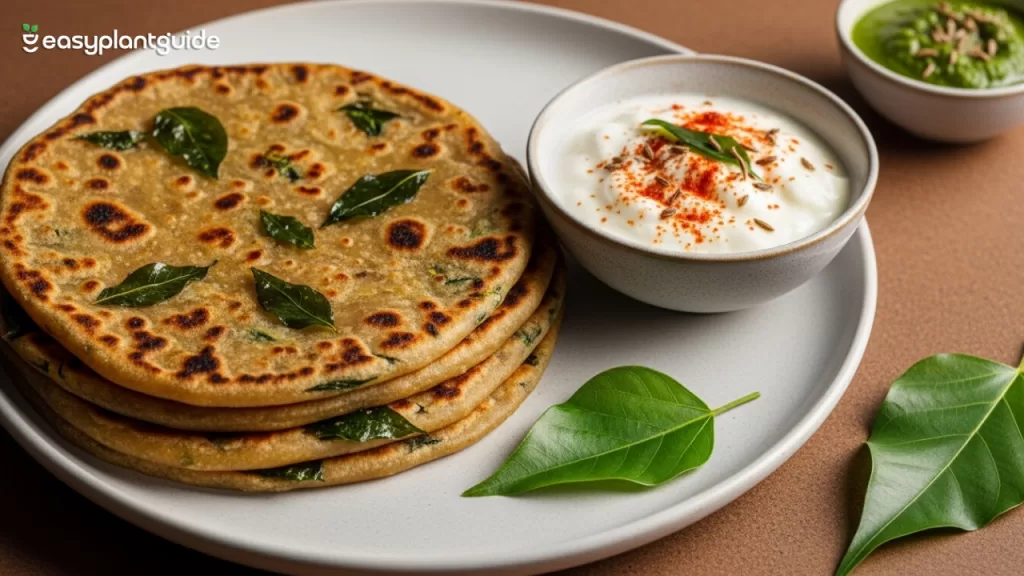
Making Bathua Paratha is simple, healthy, and perfect for a nutritious winter breakfast. To prepare it, you will need 2 cups of wheat flour, 1 cup of boiled and mashed Bathua leaves, 2 tablespoons of ghee, along with salt and your favorite spices like cumin powder, red chili powder, and ajwain.
Start by mixing the wheat flour with the mashed Bathua in a bowl. Add salt and spices, then knead it into a soft dough using a little water if needed. Let the dough rest for 10 minutes. Divide it into small balls, roll each one into a flat paratha, and cook on a hot tawa or pan. Apply ghee on both sides and cook until golden brown. Serve hot with curd, pickle, or butter for a wholesome meal.
Side Effects of Bathua Plant
Bathua Plant is packed with nutrients and offers many health benefits, but like any food, consuming it in excess may lead to certain side effects. It is important to eat it in moderation, especially if you have specific health conditions.
- Stomach upset: Eating too much Bathua may cause indigestion or stomach discomfort in some people, especially if it is not cooked properly before consumption.
- Kidney stones (oxalate content): Bathua contains oxalates, which may contribute to the formation of kidney stones if eaten in large quantities over time. People with a history of kidney stones should be cautious.
- Allergic reactions (rare): Although uncommon, some individuals may experience allergic reactions such as itching, swelling, or mild skin irritation after eating Bathua.
- Thyroid issues in large amounts: Excessive consumption may interfere with thyroid function due to its goitrogenic compounds. People with hypothyroidism should limit intake or consult a doctor.
- Gas or bloating: The high fiber content in Bathua may cause gas or bloating in people with sensitive digestion. It is advisable to start with small portions and increase gradually.
Who Should Avoid Bathua?
While Bathua is highly nutritious, it may not be suitable for everyone. People who suffer from kidney stones should avoid consuming it in excess because it contains oxalates, which may worsen the condition. Those with thyroid disorders should also limit their intake because Bathua can interfere with thyroid function when eaten in large amounts. Pregnant and breastfeeding women can consume it, but only after consulting a doctor to avoid any potential complications. Additionally, people with sensitive digestion or stomach issues should start with small amounts to ensure it doesn’t cause discomfort or gas.
How to Grow Bathua at Home
Growing Bathua at home is simple and perfect even for beginners in gardening. This plant thrives in cool weather, so the best time to sow its seeds is during the winter season. Choose well-drained soil and sprinkle the seeds lightly on the surface, then cover them with a thin layer of soil. Water the seeds gently and regularly, but avoid overwatering to prevent root damage. Bathua grows quickly, and you can start harvesting fresh leaves within 30 to 40 days.
There are many reasons to grow Bathua at home. It is fresh, completely organic, and free from harmful pesticides found in store-bought greens. The plant grows fast, requires very little care, and can easily be grown in pots, small spaces, or backyard gardens. It is also a budget-friendly, low-maintenance option for anyone looking to enjoy healthy and chemical-free greens right from their home garden.
Final Thoughts
The Bathua plant is truly a forgotten treasure of nature that has been used for generations yet remains underrated in modern times. Affordable and easily available in winter, this humble leafy green offers powerful health benefits that rival expensive supplements. Rich in vitamins, minerals, fiber, and antioxidants, Bathua supports overall wellness naturally. It helps improve digestion, purifies the blood, boosts immunity, and keeps bones strong—all while being incredibly low in calories.
Whether your goal is to lose weight, manage anemia, enhance skin health, or simply eat cleaner, Bathua makes a wonderful addition to your daily meals. Its mild earthy flavor blends beautifully with many Indian dishes like saag, paratha, raita, and soups. Instead of overlooking this seasonal superfood, bring it back to your kitchen and enjoy its healing properties. Embrace the wisdom of traditional eating and experience the natural goodness of Bathua this winter.
Explore more plant blogs and grow your green journey with us.