
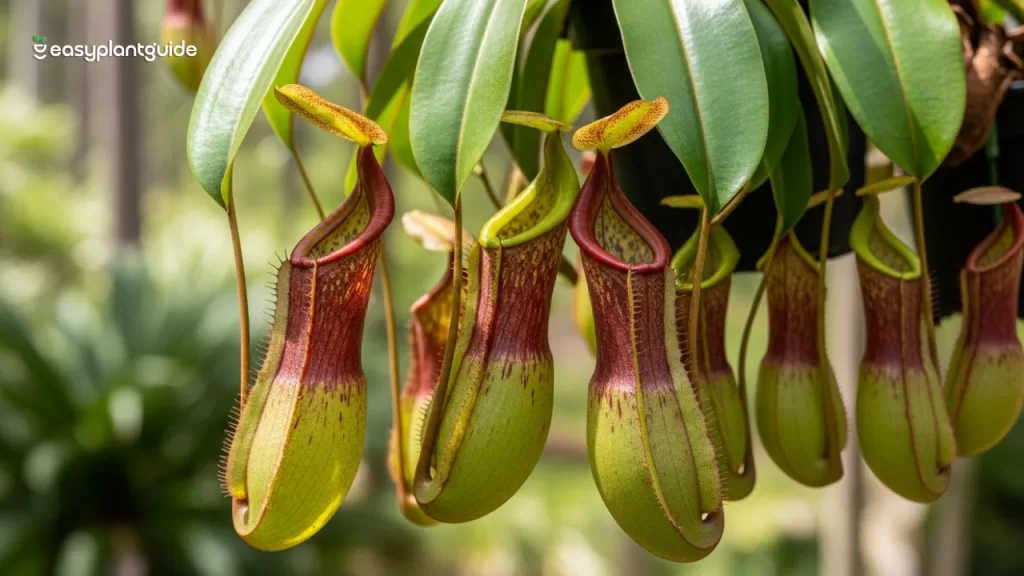
If you’ve ever dreamed of owning a plant that feels straight out of a fantasy world, the Nepenthes alata plant is as magical as it gets. With its charming pitcher-shaped traps and exotic tropical look, this carnivorous plant is a conversation starter and a surprisingly rewarding houseplant. In this guide, I’ll walk you through everything you need to know to help your Nepenthes alata thrive—from care tips and feeding habits to environmental needs and common problems. Let’s dive into the world of this fascinating insect-eating beauty.
What Is Nepenthes Alata Plant?
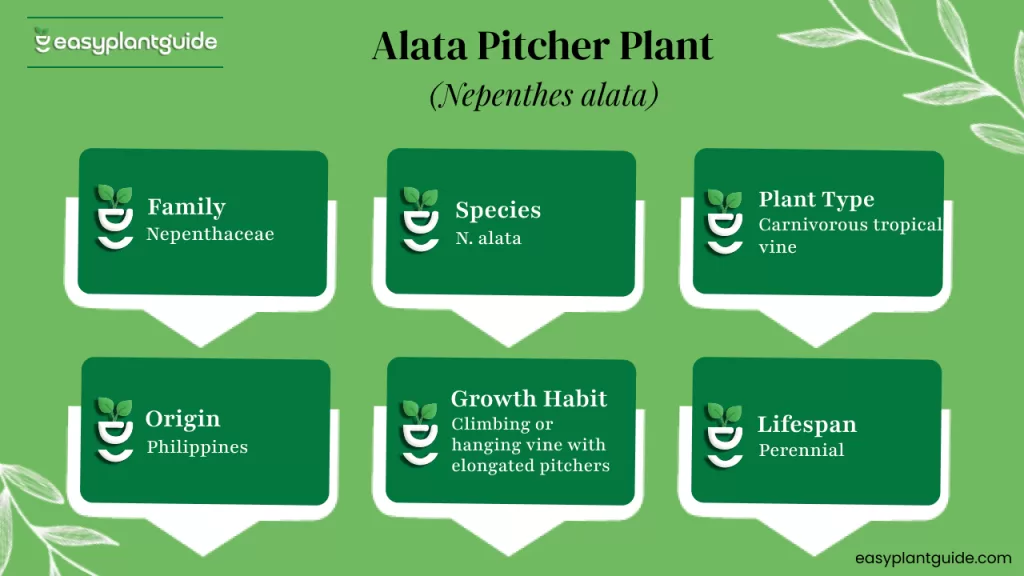
The Nepenthes alata plant is a fascinating species of tropical pitcher plant native to the lush, humid forests of the Philippines. It’s easily recognized by its long, elegant pitchers that naturally attract and trap insects. Thanks to its adaptability and relatively forgiving nature, it has become one of the most beginner-friendly Nepenthes varieties, making it a great choice for anyone curious about growing carnivorous plants.
Why Nepenthes Alata Is Loved by Plant Enthusiasts
The Nepenthes alata plant has captured the hearts of plant lovers around the world for several reasons. Its exotic appearance, with long, slender pitchers hanging gracefully from vibrant green vines, makes it a visually stunning addition to any collection. Beyond its looks, it serves a practical role as a natural insect catcher, adding an interactive and fascinating element to plant care. Compared to many other Nepenthes species, it is relatively easy to grow, making it ideal for beginners or those looking to explore the world of carnivorous plants. Its adaptability to terrariums and hanging pots allows for creative indoor displays, and its overall presence adds a sense of adventure and tropical flair to any space.
Where the Nepenthes Alata Plant Comes From
The Nepenthes alata plant is native to the high-humidity mountain forests of the Philippines, where it thrives in warm, moist, and shaded environments. These natural conditions provide the perfect combination of filtered sunlight, consistently damp soil, and high humidity—factors that are key to healthy growth and pitcher formation. Understanding its native habitat allows plant enthusiasts to recreate similar conditions indoors or in greenhouses. By mimicking these tropical forest environments, growers can ensure that the plant produces lush leaves and striking pitchers while remaining vibrant and resilient.
Ideal Growing Conditions for Nepenthes Alata
If you want your plant to form beautiful pitchers, environment matters. This plant thrives when you mimic its tropical origins.
Temperature Requirements
- Ideal range: 70°F–85°F (21°C–29°C)
- Night drop: 60°F–70°F (15°C–21°C)
- Avoid extreme heat or cold
Humidity Needs
Nepenthes alata loves humidity like a tourist loves the beach. Aim for:
- 60%–80% humidity for optimal pitcher production
- Humidifiers or pebble trays can help indoors
Light Requirements for Nepenthes Alata
You know how some people love sunlight but can’t handle direct midday rays? Nepenthes alata is exactly like that.
Best Light Conditions
- Bright, indirect sunlight
- East or north-facing windows work well
- Avoid harsh direct afternoon light
Signs You Need To Adjust Light
- Pitchers drying out? Too much sun
- Slow growth? Too little light
Watering the Nepenthes Alata Plant
Watering carnivorous plants can seem tricky at first, but the Nepenthes alata plant is relatively simple to care for once you understand its needs. The key is to provide pure water, such as distilled water, rainwater, or reverse osmosis water, since tap water often contains minerals that can harm the plant over time.
The soil should always remain consistently moist, but never waterlogged, as standing water can cause root rot. At the same time, avoid letting the soil dry out completely, as this can stress the plant and reduce pitcher production. To maintain the tropical humidity this plant loves, occasional misting is beneficial, especially in drier indoor environments. Proper watering not only keeps the plant healthy but also encourages the growth of strong, vibrant pitchers.
Best Soil Mix for Nepenthes Alata
Think airy, acidic, and nutrient-poor—this plant thrives in soil that most plants would hate.
Top Soil Mix Ingredients (Use Any Combination)
- Sphagnum moss
- Perlite
- Orchid bark
- Coco peat
- Sand (a small amount)
How to Feed the Nepenthes Alata Plant
The Nepenthes alata plant is carnivorous, meaning it naturally feeds on insects. While it can catch its own prey outdoors, indoor plants often need a little help. You can provide small insects such as ants, flies, or beetles to ensure it gets enough nutrients. Other safe options include freeze-dried bloodworms, small crickets, or mealworms, though it’s best to cut larger insects in half for smaller pitchers. Avoid feeding it meat, processed food, or anything outside its natural diet, as this can harm the plant. In terms of frequency, feeding once every two to four weeks is sufficient. Overfeeding can cause pitchers to rot and negatively affect the plant’s overall health, so moderation is key.
Potting and Repotting Nepenthes Alata
Nepenthes alata prefers pots that are slightly snug, allowing the roots to anchor properly while still giving some space for growth. Repotting every one to two years helps maintain healthy roots and prevents soil from breaking down or becoming compacted. Signs that it’s time to repot include roots emerging from drainage holes, slowed growth despite proper care, or soil that has started to mold or decompose. Using a well-draining, airy soil mix, such as sphagnum moss combined with perlite and orchid bark, ensures the plant continues to thrive after repotting.
Nepenthes Alata in Its Natural Habitat
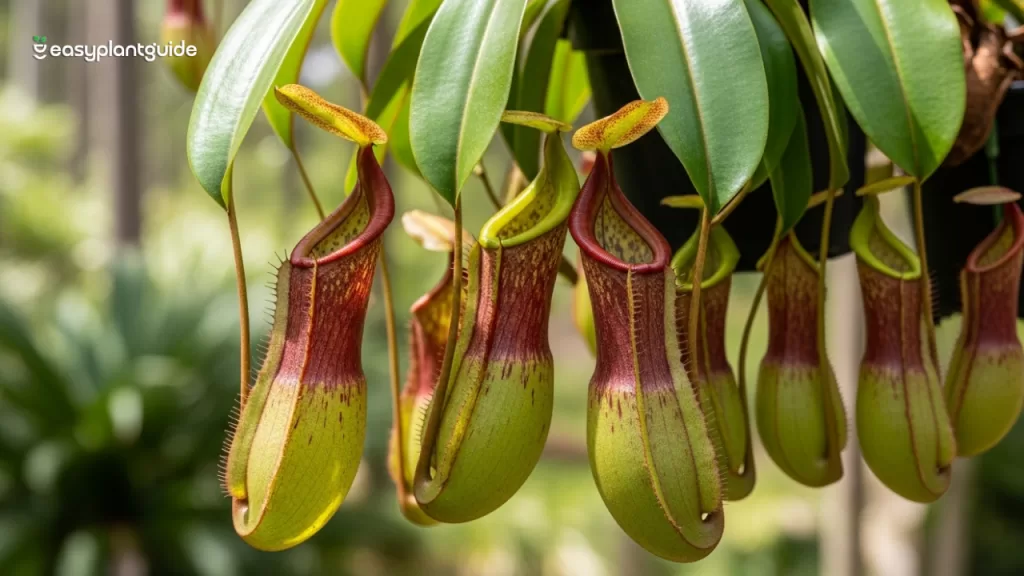
Seeing the Nepenthes alata plant in its natural environment gives a much better sense of its unique beauty and growth habits. In the wild, these tropical pitcher plants thrive in humid forests with filtered sunlight, often clinging to mossy branches or growing as ground-hugging vines. Their long, slender pitchers dangle gracefully, capturing insects as a source of nutrients.
A visual representation helps you understand how to replicate these conditions at home—like providing bright indirect light, maintaining high humidity, and keeping the soil airy and moist. Observing the plant in its natural habitat also highlights its elegant colors, pitcher shapes, and climbing tendencies, inspiring both beginner and experienced plant enthusiasts to recreate a miniature tropical scene indoors.
Tips for Faster, Healthier Growth
If you want your Nepenthes alata plant to produce bigger pitchers and lusher, more vibrant vines, there are several key strategies to follow. Maintaining consistent humidity is essential, as these tropical plants thrive in moist, humid environments. Providing stable warmth ensures that the plant’s metabolism and growth processes continue smoothly, mimicking its natural tropical habitat.
Using distilled, rain, or reverse osmosis water prevents mineral buildup that can harm the plant over time, while bright, indirect light encourages healthy photosynthesis without scorching the delicate leaves and pitchers. Finally, feeding the plant lightly but regularly with small insects or safe carnivorous plant food supplies essential nutrients to support robust pitcher formation. By combining these care practices, you can significantly accelerate growth and enjoy a thriving, visually stunning Nepenthes alata.
Common Problems and How To Solve Them
Even a hardy plant like the Nepenthes alata plant can encounter challenges, but most issues are easy to fix once you know what to look for. One common problem is pitchers not forming, which usually happens when the plant isn’t receiving enough humidity or light. Brown tips on pitchers can indicate low humidity or too much direct sunlight, while yellowing leaves often point to overwatering, nutrient stress, or poor water quality. Mold on the soil surface is another issue, typically caused by stagnant moisture or lack of air circulation. Finally, slow or stalled growth can result from compacted soil, outdated potting medium, or environmental stress.
Fortunately, these problems are easy to address with a few adjustments. Increasing humidity and misting regularly can help prevent brown tips and encourage pitcher growth. Adjusting light exposure ensures the plant gets enough energy without burning its leaves. Using clean, distilled, or rainwater prevents mineral buildup that can damage foliage, while improving air circulation helps reduce mold and fungal growth. Refreshing old soil or repotting the plant with a proper airy mix supports healthy root development and overall growth. With consistent attention to these factors, most issues can be resolved quickly, keeping your Nepenthes alata healthy and thriving.
Nepenthes Alata vs Other Nepenthes Species
| Feature | Nepenthes alata | Nepenthes × ventrata | Nepenthes rajah |
|---|---|---|---|
| Difficulty Level | Easy; great for beginners | Very easy; even tougher | Very difficult; expert level |
| Growth Speed | Moderate | Fast-growing | Slow |
| Pitcher Appearance | Long, slender pitchers | Slightly shorter, sturdy pitchers | Large, ground-level pitchers |
| Environmental Needs | Moderate humidity & indirect light | Tolerates a wider range of conditions | Very high humidity and cool temperatures |
| Best For | Indoor growers & new hobbyists | Beginners wanting low-maintenance care | Advanced growers with controlled environments |
Growing Nepenthes Alata Plant Indoors vs Outdoors
The Nepenthes alata plant can thrive both indoors and outdoors, but each environment offers distinct advantages. Growing it indoors allows you to maintain more controlled conditions, such as stable temperatures and consistent humidity, which are crucial for pitcher development. Indoor cultivation also reduces exposure to pests, making it easier to monitor and care for the plant, especially in drier or cooler climates.
On the other hand, growing Nepenthes alata plant outdoors provides access to more natural sunlight, which can encourage faster and stronger pitcher growth. Outdoor environments also offer better airflow, helping prevent mold and fungal issues while creating a healthier overall environment. By understanding the benefits of each setting, you can choose the best location for your plant or even switch between indoor and outdoor care depending on the season and climate.
Is Nepenthes Alata Plant Safe Around Pets?
Good news for pet owners—Nepenthes alata plant is non-toxic to both cats and dogs. Unlike some houseplants that can cause vomiting, diarrhea, or more serious issues, this carnivorous plant is safe to have around your furry friends.
However, while it won’t harm your pets, curious cats or dogs may be tempted to play with or nibble on its delicate pitchers. This can damage the plant and reduce its ability to trap insects effectively. To keep both your pets and your plant safe, place your Nepenthes alata in a higher spot, hanging pot, or an area that’s out of reach.
By taking a few precautions, you can enjoy the unique beauty of this exotic pitcher plant in your home without worrying about the safety of your pets—or the health of your plant.
Conclusion
The Nepenthes alata plant is more than just a carnivorous curiosity—it’s a beautiful, engaging, and surprisingly easy plant to grow once you understand its tropical preferences. With the right balance of humidity, light, and watering, you’ll soon enjoy vibrant leaves and stunning pitchers that make the plant feel like something out of a rainforest adventure.
Whether you’re a new plant parent or a seasoned gardener looking for something exotic, the Nepenthes alata plant is a rewarding addition to your green collection. Give it what it loves, and it will reward you with growth that feels truly magical.
Explore more plant blogs and grow your green journey with us.