
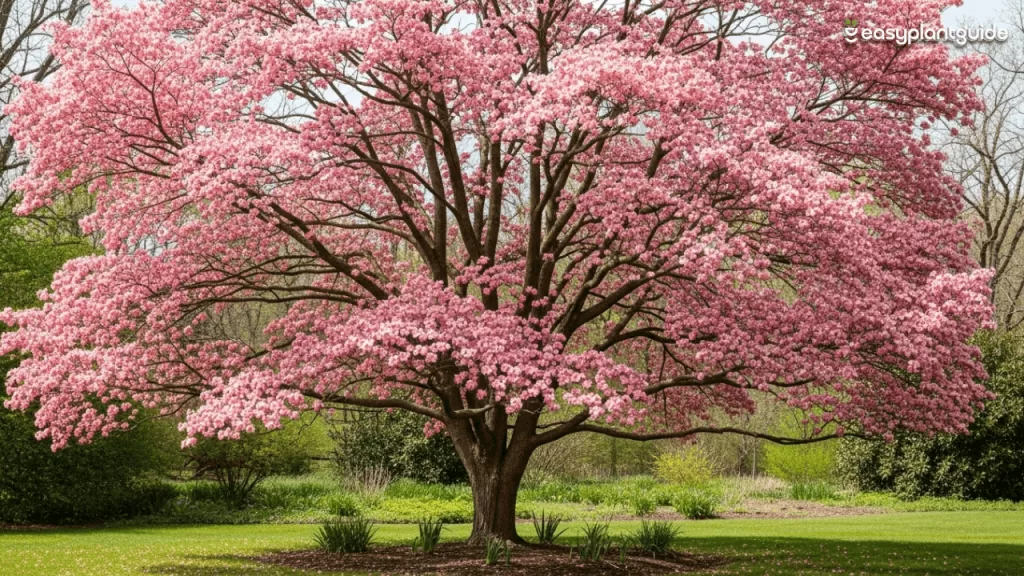
If you’re searching for a small ornamental tree that delivers color, charm, and seasonal beauty, the Dogwood Florida Rubra is a standout choice. With its rosy-pink blossoms and graceful branching, this tree brings a soft, romantic touch to any landscape. In this detailed guide, we’ll walk through everything you need to know—care tips, growing conditions, common problems, landscaping ideas, and more. Let’s dive in and discover how to help this gorgeous tree truly thrive.
What Is Dogwood Florida Rubra?
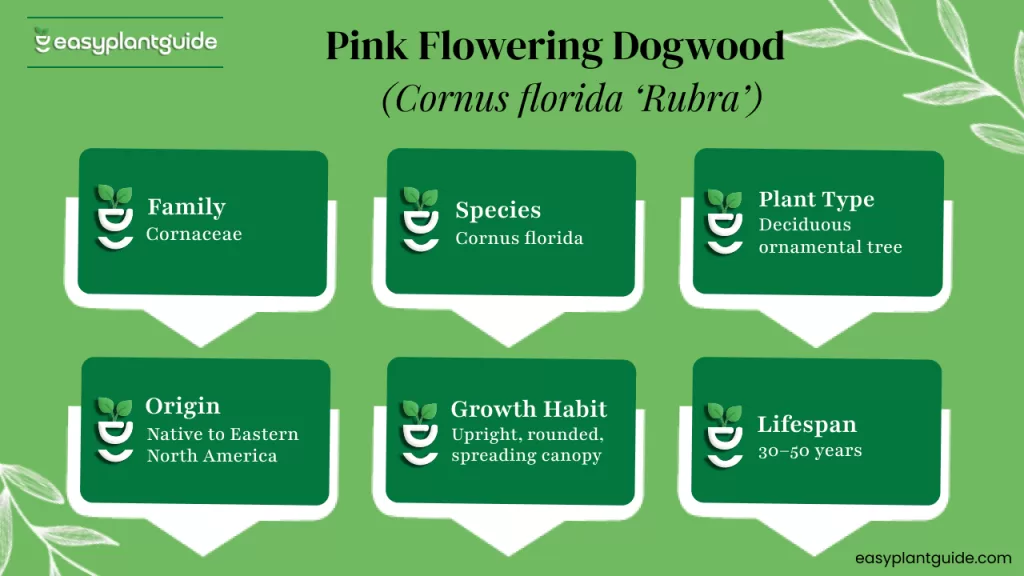
The Dogwood Florida Rubra (Cornus florida ‘Rubra’) is a stunning pink-flowering variety of the classic flowering dogwood. Celebrated for its soft, rosy-pink spring bracts, it brings a gentle splash of color that brightens any garden or landscape. Beyond its springtime beauty, this tree offers vibrant red foliage in the fall, creating a multi-season visual appeal that few small ornamental trees can match.
Its gracefully spreading branches form a rounded canopy, making it an ideal specimen for small yards, pathways, or as a centerpiece in mixed garden beds. Native to eastern North America, the Dogwood Florida Rubra is not only admired for its aesthetic charm but also for its ability to attract birds and pollinators, adding life and movement to your garden. With proper care, this tree can thrive for decades, providing a long-lasting combination of elegance, color, and seasonal interest.
Key Characteristics of Dogwood Florida Rubra
Appearance and Seasonal Interest
This tree delivers year-round beauty with:
- Pink bracts in spring
- Lush green leaves in summer
- Deep red foliage in fall
- Ornamental bark structure in winter
Ideal Landscapes for This Tree
It works beautifully in:
- Front yards
- Shade gardens
- Woodland edges
- Cottage-style landscapes
- Mixed borders
Dogwood Florida Rubra Care & Growth Table
| Feature | Description |
|---|---|
| Mature Height & Spread | 15–25 feet tall, 15–20 feet wide |
| Sunlight | Partial shade to filtered sunlight; prefers morning sun |
| Soil Type | Moist, well-drained, slightly acidic soil |
| Watering Needs | Regular watering, especially in the first 2 years; avoid waterlogging |
| Bloom Time | Early to mid-spring, lasting 2–3 weeks |
| Foliage Color | Lush green in summer, bright red in fall |
| Growth Rate | Moderate, about 1 foot per year |
| Wildlife Attraction | Birds love its red berries; pollinators visit spring flowers |
| Pruning Tips | Light pruning in late winter to remove dead wood and shape canopy |
Best Places to Plant Dogwood Florida Rubra
Consider Sunlight & Protection
Dogwood Florida Rubra grows best in locations where it receives gentle morning sunlight and afternoon shade. Too much direct, harsh sunlight can scorch the leaves, so providing some protection during the hottest part of the day ensures healthier growth and vibrant foliage.
Soil Requirements
For optimal growth, this tree prefers slightly acidic, well-draining soil that is rich in organic matter. A loamy texture helps retain moisture while preventing waterlogging, and keeping the soil consistently moist promotes strong roots and abundant blooms.
How to Plant Dogwood Florida Rubra the Right Way
Getting the planting process right sets the tree up for long-term success.
Step-by-Step Planting Guide
- Dig a hole twice the width of the root ball
- Plant at the same depth as the nursery container
- Loosen the roots before planting
- Backfill with enriched soil
- Water deeply after planting
Mulching Tips
Mulch helps retain moisture and suppress weeds. Use:
- Pine bark
- Shredded hardwood
- Leaf compost
- Avoid piling mulch against the trunk
Watering Requirements for Healthy Growth
Dogwood Florida Rubra thrives when the soil remains consistently moist, but it is highly sensitive to waterlogged conditions. Overwatering can cause root rot, while insufficient water can stress the tree, leading to poor growth and reduced flowering. Maintaining a balanced watering routine ensures strong root development, healthy foliage, and vibrant blooms, helping the tree reach its full ornamental potential. Proper hydration also supports the tree’s resilience against heat, drought, and other environmental stresses throughout the growing season.
Watering Routine
During the first two years after planting, water the Dogwood Florida Rubra regularly to help establish a strong and healthy root system. Once established, deep watering once a week is typically sufficient, though you may need to increase the frequency during prolonged heatwaves or dry spells. Reduce watering during periods of heavy rainfall to prevent soil saturation. Avoid overhead watering, as wet leaves are more susceptible to fungal diseases such as powdery mildew and anthracnose. By following a consistent and mindful watering routine, your tree will remain healthy, vibrant, and productive year after year.
Fertilizing Dogwood Florida Rubra
roper feeding is essential for maintaining the health and beauty of your Dogwood Florida Rubra. Fertilization encourages vibrant blooms, lush green foliage, and strong root development. It also strengthens the tree, helping it withstand environmental stressors such as heat, drought, or minor pest attacks. Consistent and thoughtful feeding ensures that the tree can reach its full potential in both size and ornamental appeal, providing years of seasonal charm to your garden.
What Fertilizer to Use
To nourish your Dogwood Florida Rubra effectively, use a slow-release granular fertilizer specifically formulated for acid-loving plants, which delivers nutrients steadily over time. Adding organic compost around the base further enhances soil structure, improves moisture retention, and enriches the soil with essential nutrients. Apply light feeding in early spring, just as the tree begins its active growth phase, to give it the boost needed for healthy leaves, stronger branches, and more prolific flowers during the blooming season. Regular fertilization, combined with proper watering and care, will keep your tree thriving year after year.
Pruning Tips for a Healthy Tree
Pruning helps maintain the natural structure of your Dogwood Florida Rubra, improves airflow through the branches, and reduces the risk of disease. Regular maintenance not only keeps the tree looking its best but also encourages stronger growth, promotes more abundant flowering, and extends the tree’s overall lifespan. By removing weak or crowded branches, you ensure that sunlight reaches all parts of the canopy, supporting healthy leaf and flower development throughout the growing season.
When and How to Prune
Prune lightly in late winter, before new growth begins, to remove any dead, damaged, or crossing branches and to shape the canopy for a more balanced appearance. Proper pruning encourages strong branch development and helps prevent the spread of diseases such as powdery mildew or anthracnose. It also allows better penetration of sunlight and air, which are essential for healthy foliage and vibrant blooms. Performing pruning carefully and regularly ensures your Dogwood Florida Rubra remains both structurally sound and visually stunning for years to come.
Common Problems and Simple Solutions
Even healthy dogwoods can encounter pests and diseases. Being aware of common issues allows you to respond quickly and protect your tree.
Most Common Problems
Some frequent problems include anthracnose, powdery mildew, leaf scorch, borers, and root rot. These can affect foliage, flowering, and overall health if not addressed promptly.
Solutions to Try
To manage these issues, improve air circulation around the tree and water at the soil level rather than overhead. Applying neem oil helps control insects, while maintaining a mulch layer and avoiding overwatering reduces the risk of disease and keeps the tree healthy.
Preventive Care Tips
Regular monitoring is key to prevention. Inspect the tree for early signs of disease or pest activity, prune dead or crowded branches to improve airflow, and remove fallen leaves that may harbor fungi. Preventive care helps the tree remain strong and reduces the need for reactive treatments.
Dogwood Florida Rubra Companion Plants
Enhance your garden by pairing Dogwood Florida Rubra with plants that complement its soft pink blooms and graceful branching. The right companions not only create visual harmony but also support soil health and biodiversity in your landscape.
Best Companion Choices
Hostas work beautifully around the base, providing lush green foliage that contrasts nicely with the pink flowers. Ferns add a delicate, textured backdrop that enhances the tree’s elegance. Azaleas bring additional spring color, while hydrangeas offer large, showy blooms that echo the tree’s ornamental appeal. Coral bells contribute vibrant foliage and seasonal interest, completing a layered and dynamic garden design.
Landscaping Ideas for Dogwood Florida Rubra
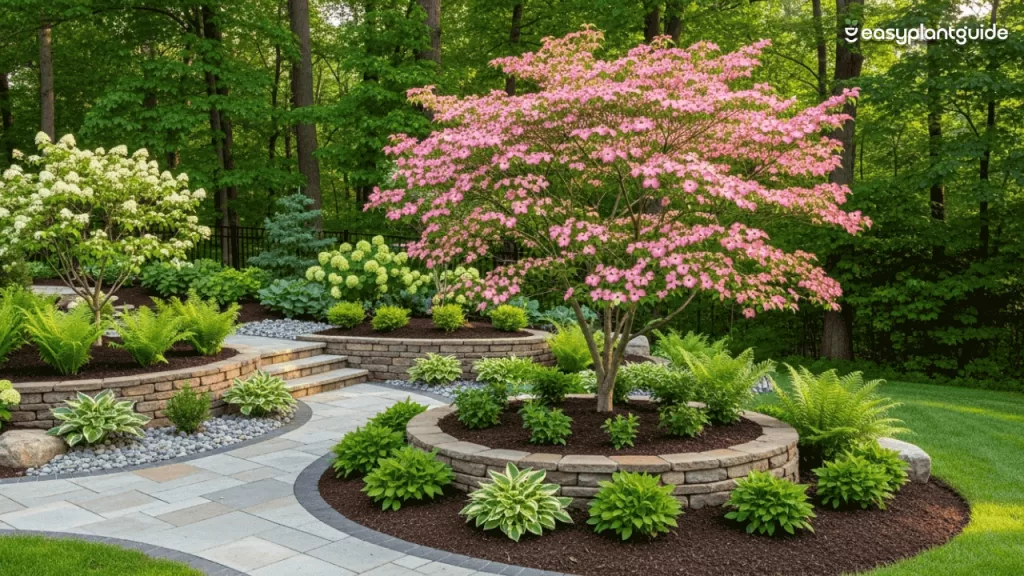
Want to highlight its beauty? Try using it in:
- Corner yard plantings
- Woodland borders
- Pathway edges
- Multi-season gardens
- Layered shrub and tree designs
Why Gardeners Love Dogwood Florida Rubra
The Dogwood Florida Rubra is cherished by gardeners for its combination of beauty, practicality, and charm. One of its biggest draws is multi-season interest—it produces soft pink flowers in spring, lush green foliage in summer, vibrant red leaves in fall, and a graceful branch structure in winter. Despite its elegance, it remains relatively low-maintenance, making it suitable even for novice gardeners. This tree also attracts wildlife, with birds visiting for its red berries and pollinators enjoying its blooms. Its compact size makes it ideal for small yards or as a focal point in a larger landscape, while its stunning curb appeal elevates the aesthetic of any garden or front yard.
Tips to Make Dogwood Florida Rubra Bloom Better
1. Choose the Right Sunlight
Plant your Dogwood Florida Rubra in partial shade, where it gets gentle morning sun and protection from harsh afternoon light. Proper sunlight encourages healthy growth and abundant flowering.
2. Maintain Slightly Acidic Soil
Keep the soil slightly acidic to support nutrient absorption. Healthy soil improves root development and ensures your tree has the energy it needs for vibrant blooms.
3. Water Consistently
During dry spells, water the tree regularly to prevent stress. Consistent moisture helps the flowers open fully and maintain their color throughout the blooming season.
4. Apply Mulch Annually
Add a fresh layer of mulch around the base each year to retain moisture, regulate soil temperature, and reduce weed competition. Mulching also protects the roots and promotes overall tree health.
5. Fertilize Lightly in Early Spring
Use a light fertilization in early spring to provide essential nutrients. This strengthens the roots and encourages more prolific and higher-quality flower production.
Final Thoughts
The Dogwood Florida Rubra is a truly breathtaking ornamental tree that brings soft pink blooms in spring, vibrant red foliage in fall, and elegant structural beauty throughout the year. Its multi-season appeal makes it a standout addition to any garden, offering both color and charm that can transform ordinary landscapes into picturesque retreats. With the right care—including proper planting, consistent watering, light pruning, and proactive disease management—this tree can thrive for decades, providing lasting beauty and a sense of serenity.
Whether you’re designing a peaceful backyard sanctuary, framing a pathway, or enhancing the curb appeal of your front yard, the Dogwood Florida Rubra delivers stunning visual impact with relatively minimal effort. Its ability to attract birds and pollinators adds life and movement to the garden, making it not only beautiful but also ecologically beneficial.
Explore more plant blogs and grow your green journey with us.