
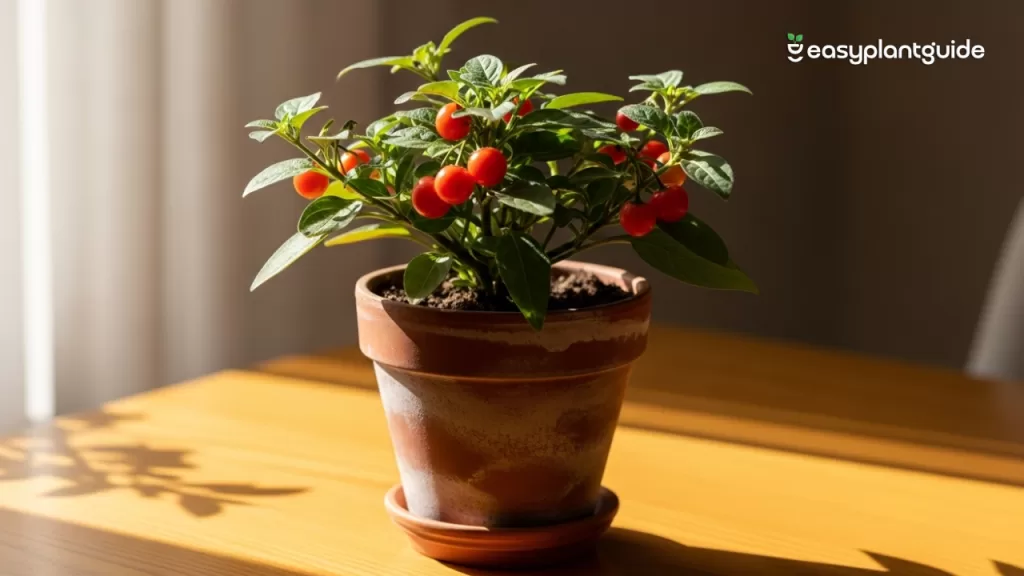
If you’ve ever walked into a cozy home and spotted a cheerful little plant dotted with glossy red or orange berries, you’ve probably met the Cherry Jerusalem — also known as the Jerusalem Cherry or Winter Cherry. This charming houseplant is loved for its bright, festive look and compact shape, making it a favorite choice for tabletops, windowsills, and holiday décor. But there’s more to it than just good looks — this plant has an interesting history, unique care needs, and a surprising secret hidden behind its beautiful berries. Let’s uncover the story and charm of this delightful yet mysterious houseplant.
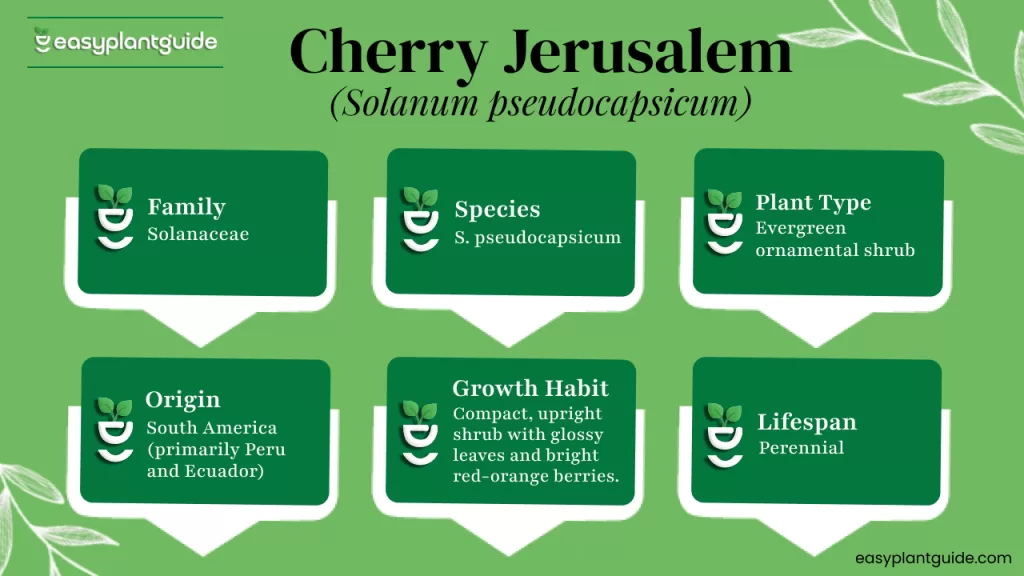
What Is Cherry Jerusalem?
The Cherry Jerusalem (Solanum pseudocapsicum) is a small ornamental shrub from the nightshade family (Solanaceae), the same group that includes tomatoes, peppers, and potatoes. Despite its charming name, it has no connection to actual cherries or the city of Jerusalem. This evergreen plant is admired for its shiny green leaves and clusters of bright orange-red berries, which closely resemble miniature cherry tomatoes. Its compact size and vibrant colors make it a favorite choice for holiday decorations and indoor displays.
However, behind its beauty lies a warning — the berries are poisonous and not edible. They contain a toxic compound called solanocapsine, which can cause nausea and vomiting if consumed. So, while the Cherry Jerusalem adds a cheerful splash of color during winter, it’s best appreciated from a distance. Think of it as nature’s beautiful trickster — stunning to look at but never meant to taste.
The Origin Story of Cherry Jerusalem
The Cherry Jerusalem has quite an unexpected origin story. Despite its name, the plant doesn’t come from Jerusalem at all — it actually hails from South America, with roots in countries like Peru and Ecuador. It was later introduced to Europe, where its vibrant, cherry-like berries quickly captured the attention of gardeners and plant lovers.
The name “Jerusalem Cherry” likely emerged from European growers who connected its exotic appearance with the mystical allure of Jerusalem. Over time, it became a popular decorative plant, especially during the winter and Christmas season, earning it the festive nickname “Christmas Cherry.”
Why People Love Cherry Jerusalem Plants
There’s no denying the appeal of the Cherry Jerusalem plant. It’s small, colorful, and adds a touch of life to dull winter days. Here are five reasons people adore this plant:
- Its vivid berries bring festive vibes during the cold months.
- It’s compact and easy to grow indoors.
- The white star-shaped flowers add elegance before the fruits appear.
- It can brighten any space, from living rooms to office desks.
- It’s a perfect holiday gift for plant lovers.
The Hidden Danger Behind the Beauty
Don’t be deceived by the Cherry Jerusalem’s charming, cherry-like berries — beneath their glossy beauty lies a hidden danger. These bright fruits contain solanocapsine, a toxic alkaloid that can cause nausea, vomiting, stomach pain, and drowsiness if eaten. Both humans and pets are at risk, making it essential to treat this plant as a purely decorative piece.
To keep your home safe, it’s best to place the plant out of reach of children and animals or opt for non-toxic alternatives like poinsettias, Christmas cactus, or Norfolk pine. The Cherry Jerusalem may look innocent, but it’s a reminder that even nature’s most beautiful creations can have a dangerous side.
How to Grow Cherry Jerusalem Indoors
Growing Cherry Jerusalem indoors is quite simple once you understand what it needs. Think of it as a tropical guest — it loves plenty of sunlight and warmth but dislikes sitting in soggy soil. The plant grows best in bright, indirect sunlight where it can soak up enough light without its leaves getting scorched. It prefers temperatures between 18°C and 24°C (65°F–75°F), making it perfect for most indoor environments.
Use a well-draining potting mix to prevent waterlogging, and maintain moderate humidity levels to keep the leaves fresh and vibrant. During the growing season (spring to summer), feed the plant monthly with a balanced liquid fertilizer to encourage healthy foliage and bright berries. With the right care, your Cherry Jerusalem will stay lush, colorful, and full of life year-round.
Watering and Feeding Tips
Water your Cherry Jerusalem only when the top inch of soil feels dry, as overwatering can quickly lead to root rot, the plant’s biggest enemy. During its fruiting season, it appreciates a steady supply of nutrients to support healthy growth and vibrant berries. Use a balanced liquid fertilizer every three to four weeks, but stop feeding once the berries mature to prevent excess foliage growth. Always ensure the pot has good drainage and never let it sit in standing water, as soggy soil can damage the roots and stunt the plant’s overall health.
Propagating Cherry Jerusalem Like a Pro
If you want to grow more of these stunning plants, you can easily propagate Cherry Jerusalem using either seeds or cuttings. To propagate from cuttings, take a healthy 4–6 inch stem with a few leaves, remove the lower leaves, and dip the cut end in rooting hormone. Plant the cutting in moist potting mix, then cover it with a plastic bag to maintain humidity. Place it in a bright spot with indirect sunlight and wait about two to three weeks for roots to develop. With a little patience and care, you’ll soon see a new Cherry Jerusalem plant come to life — almost like watching nature perform a little magic.
Common Problems and How to Fix Them
Though Cherry Jerusalem is hardy, it can face a few issues. Catching them early and fixing them quickly keeps your plant healthy and vibrant.
1. Yellow Leaves
If you notice your Cherry Jerusalem’s leaves turning yellow, it’s often a sign of overwatering or poor drainage. The roots may be sitting in soggy soil, which limits oxygen and causes decay. Allow the top layer of soil to dry out before watering again, and make sure your pot has adequate drainage holes. Repotting in a well-draining mix can also help restore the plant’s vitality and lush green color.
2. No Berries
When your plant produces flowers but no berries, lack of sunlight or pollination is usually to blame. The Cherry Jerusalem needs plenty of bright, indirect sunlight to bloom and fruit properly. Move it to a sunnier window or near a light source. You can also gently shake or tap the flowers to mimic natural pollination, helping berries form more easily.
3. Drooping Plant
A drooping or wilted Cherry Jerusalem is often a cry for help due to overwatering or root rot. Check the soil — if it feels soggy, remove the plant from its pot and inspect the roots. Trim away any soft, brown, or mushy parts, then replant it in fresh, well-draining soil. Keeping a consistent watering routine will help prevent this problem in the future.
4. Whiteflies or Aphids
Tiny pests like whiteflies and aphids love feeding on the Cherry Jerusalem’s juicy leaves, causing curling and stunted growth. Check the undersides of the leaves regularly for signs of infestation. If you spot any, spray the plant with neem oil or insecticidal soap. Repeat every few days until the pests are gone — this gentle, natural method keeps your plant safe and pest-free.
5. Berry Drop
If your plant’s colorful berries are suddenly falling off, it could be due to temperature changes or environmental stress. Cherry Jerusalem prefers stable, cool conditions and doesn’t like being moved around too often. Keep it away from heaters, drafts, or direct sunlight that causes heat fluctuations. With consistent care, it will hold onto its vibrant berries for much longer.
Top 5 Indoor Care Secrets for Long-Lasting Beauty
Want your Cherry Jerusalem to stay vibrant and stunning for months? Follow these expert care tips:
- Give it plenty of light but avoid direct harsh rays. Place your plant near a bright window with filtered sunlight to prevent leaf burn and promote healthy berry color.
- Keep it in a cooler room during fruiting season. Maintain temperatures between 15°C–20°C (59°F–68°F) to help the berries last longer and stay vivid.
- Rotate the pot weekly for even light exposure. Turning the plant ensures balanced growth and prevents it from leaning toward one side.
- Prune old branches to encourage new growth. Trim faded or weak stems after fruiting to stimulate fresh shoots and maintain a neat, compact shape.
- Repot every 1–2 years to refresh the soil. New soil provides nutrients and space for roots to expand, keeping the plant healthy and thriving.
Pests and Diseases to Watch Out For
The Cherry Jerusalem can attract a few unwelcome visitors that feed on its lush leaves and colorful berries. Here are some common pests and diseases to watch for and manage early:
- Aphids – These tiny insects suck the plant’s sap, causing leaves to curl and weaken over time. Regularly wipe the leaves or spray with mild soapy water to control them.
- Spider mites – They form fine webs under the leaves and thrive in dry air. Mist the plant occasionally and clean the leaves to keep them away.
- Whiteflies – Small white pests that drain nutrients and spread plant diseases. Use yellow sticky traps or neem oil spray to reduce their population.
- Root rot – Caused by overwatering or poor drainage. Always let the soil dry slightly between waterings and ensure proper airflow around the roots.
- Powdery mildew – Appears as a white, powder-like coating on leaves. Improve air circulation, reduce humidity, and remove affected leaves to prevent spreading.
Cherry Jerusalem vs Cherry Tomato – What’s the Difference?
| Feature | Cherry Jerusalem | Cherry Tomato |
|---|---|---|
| Scientific Name | Solanum pseudocapsicum | Solanum lycopersicum var. cerasiforme |
| Edible? | No – toxic berries | Yes – delicious and edible |
| Use | Ornamental | Culinary |
| Berry Color | Bright orange-red | Red, yellow, or orange |
| Leaves | Glossy and stiff | Soft and fragrant |
Decorating with Cherry Jerusalem
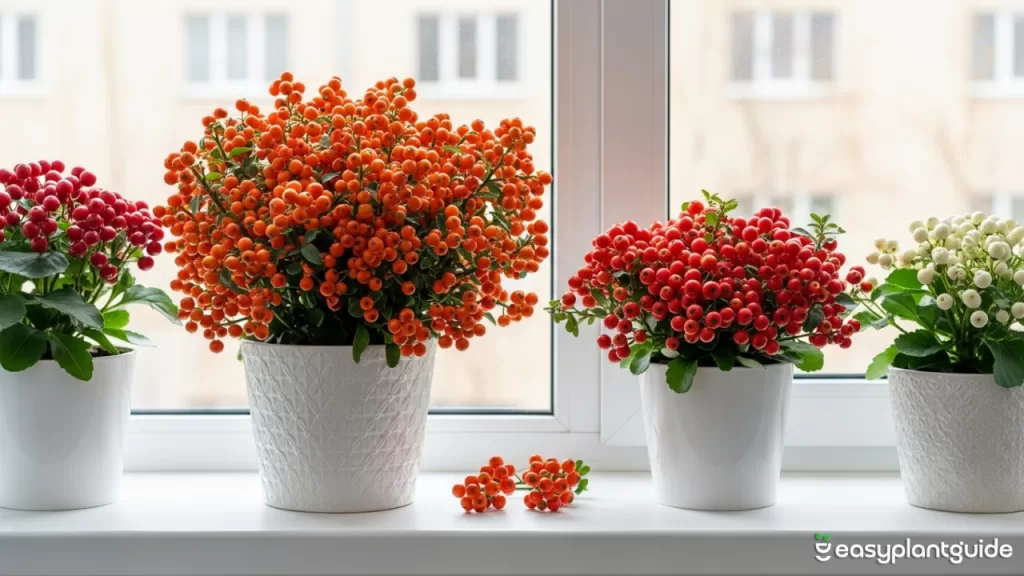
Looking to spice up your home decor? Cherry Jerusalem is a natural showstopper. Here’s how you can use it creatively:
- Place it on windowsills for natural light exposure.
- Use it as a table centerpiece during the holidays.
- Pair it with green ferns or ivy for contrast.
- Combine it with white or gold pots for elegance.
- Gift it to plant enthusiasts with a safety note attached!
Conclusion: The Bright Beauty with a Hidden Twist
The Cherry Jerusalem is more than just a pretty plant — it’s a fascinating blend of charm, color, and quiet mystery. Its glossy leaves and vibrant red-orange berries make it a cheerful centerpiece, especially during the winter months when most plants fade away. This ornamental beauty is beginner-friendly and easy to care for, making it a wonderful addition to any home or office space.
However, beneath its dazzling appearance lies a subtle warning — those shiny berries, though tempting, are not edible. They serve as nature’s reminder that not all beauty is meant to be touched or tasted. Still, if you’re seeking a plant that brings color, warmth, and conversation into your living space, the Cherry Jerusalem is a perfect choice. Give it a little love and care, and it will reward you with lasting beauty and vibrant life, season after season.
Explore more plant blogs and grow your green journey with us.