
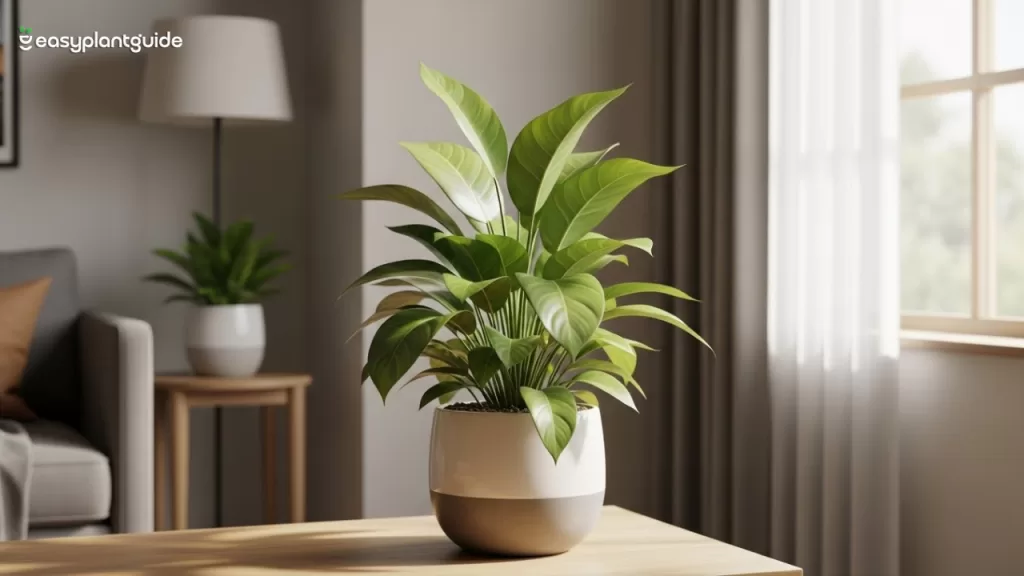
The Algoma plant is one of those houseplants that quietly steals the show. It doesn’t scream for attention, yet once it settles into your space, it becomes impossible to ignore. Lush leaves, graceful growth, and a calm tropical vibe make it a favorite among indoor plant lovers. Whether you’re a beginner who forgets watering schedules or a plant enthusiast chasing something unique, the Algoma plant fits beautifully into everyday life. In this guide, we’ll talk like plant friends do. No robotic care charts, no confusing jargon. Just real, practical advice that helps your Algoma plant grow happy and strong.
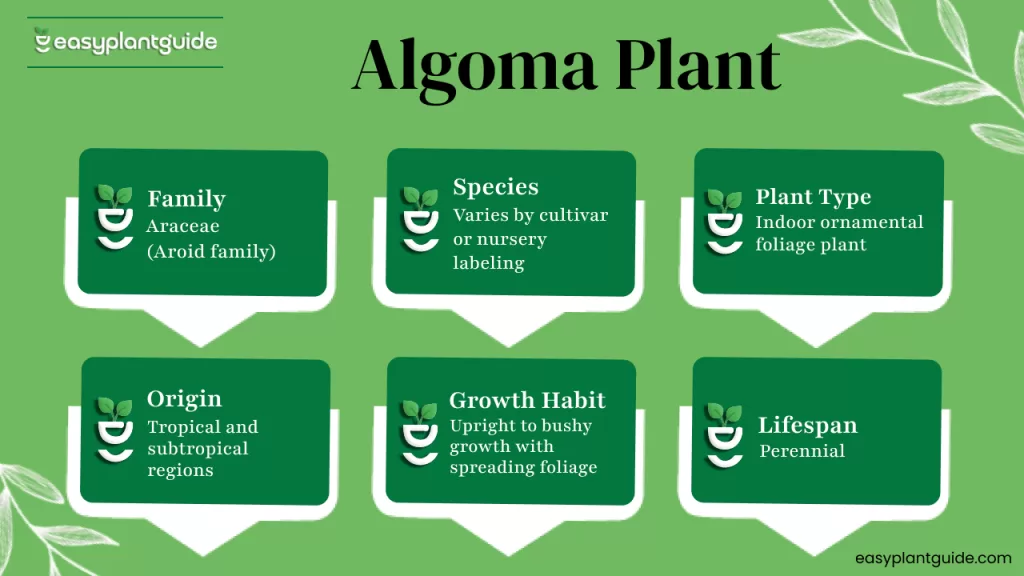
What Is an Algoma Plant?
The Algoma is known for its attractive foliage and adaptable nature. It’s commonly grown indoors and admired for its elegant leaves that bring warmth and freshness into any room. Think of it as that quiet friend who doesn’t talk much but always shows up looking great. Native to warm regions, this plant enjoys stable conditions and rewards consistent care with steady growth.
Why the Algoma Plant Is Gaining Popularity
Houseplants trend like fashion, and the Algoma plant is having a moment. Why? Because it checks all the right boxes.
- It looks decorative without being dramatic
- It adapts well to indoor environments
- It doesn’t demand constant attention
- It complements modern and minimal interiors
- It’s beginner-friendly yet elegant
Algoma Plant Appearance and Growth Pattern
The Algoma usually features broad, smooth leaves with a rich, deep green tone that gives it a fresh and polished look throughout the year. The foliage often has a soft sheen, catching light beautifully and adding subtle texture to indoor spaces. Its leaves grow evenly, creating a sense of visual harmony rather than wild or uneven spread.
In terms of growth, the Algoma plant follows a moderate pace. It’s not the kind of plant that suddenly outgrows its pot, but it doesn’t sit still either. With consistent care, it slowly develops into a well-shaped, bushy form that feels intentional, almost as if it were styled by design rather than left to nature.
deal Light Conditions for Algoma Plant
Light plays a vital role in keeping the Algoma healthy, but balance is the key. Too much sunlight can scorch the leaves, while too little can slow its growth and dull its appearance. The Algoma plant thrives best in bright, indirect light where it can absorb energy without stress.
Placing the plant near a window with filtered sunlight is ideal, as sheer curtains help soften harsh rays. Direct sunlight should be avoided, especially during midday, since it can cause leaf burn. While the Algoma plant can survive in low-light conditions, its growth will become slower and less vibrant. Rotating the pot every few weeks helps ensure even light exposure and balanced growth. Overall, steady and consistent lighting is far more important than intense brightness.
How Often Should You Water Algoma Plant?
Watering mistakes are one of the most common reasons indoor plants struggle, and the Algoma plant is no exception. It prefers balanced moisture, where the soil stays lightly moist but never soggy. Consistency matters more than frequent watering.
A good rule is to water the Algoma when the top inch of soil feels dry to the touch. This prevents excess water from sitting around the roots, which can lead to rot. Overwatering often causes yellowing leaves and root issues, while underwatering results in droopy, tired-looking foliage. Think of watering like making tea, gently soaked and refreshing, not soup that drowns everything in the pot.
Signs You’re Watering Correctly
- Leaves stay firm and upright
- Soil feels moist, not soggy
- No yellowing at the base
- Growth remains steady
- No foul smell from soil
Best Soil Mix for Algoma Plant
Soil acts as the foundation for healthy growth, and for the Algoma plant, good drainage is essential. It prefers a light, airy soil that allows excess water to escape easily while still holding enough moisture to keep the roots hydrated. Heavy or compacted soil can suffocate the roots and slow down growth.
A balanced mix of quality potting soil, perlite, and a small amount of organic compost works extremely well. This combination improves airflow around the roots and prevents water from pooling at the bottom of the pot. Healthy roots need oxygen just as much as they need water, and the right soil mix helps deliver both.
Temperature and Humidity Needs
The Algoma thrives in warm and moderately humid conditions, making it perfect for indoor spaces that mimic a tropical environment. Ideally, it should be kept in temperatures ranging from 18°C to 27°C, as extremes can stress the plant. Cold drafts from windows or air conditioners should be avoided, and it’s best to keep it away from direct heat sources like radiators or heaters that can dry out the foliage. Moderate humidity is ideal, and occasional misting can help maintain moisture levels, especially during dry seasons. Think of the Algoma plant as a tropical traveler—it prefers stable, comfortable conditions and dislikes sudden changes in its environment.
Fertilizing Algoma Plant the Right Way
Feeding the Algoma plant is more like giving it a gentle boost rather than a heavy meal. During the growing season, a balanced liquid fertilizer applied once a month is sufficient to support healthy foliage and steady growth. In the winter months, when the plant naturally slows down, it’s best to pause fertilization to prevent overfeeding. Proper fertilization ensures the plant remains vibrant, lush, and capable of maintaining its graceful structure over time.
Common Algoma Plant Problems and Solutions
| Problem | Cause | Solution |
|---|---|---|
| Yellow leaves | Overwatering | Reduce watering |
| Brown tips | Dry air | Increase humidity |
| Drooping | Underwatering | Water thoroughly |
| Slow growth | Low light | Move to brighter area |
| Leaf spots | Poor airflow | Improve ventilation |
How to Propagate Algoma Plant
Propagating the Algoma plant can feel like a touch of magic, turning a single stem into an entirely new plant. Start by selecting a healthy, mature stem and making a clean cut. You can place the cutting either in water or directly into a well-draining soil mix, depending on your preference.
Keep the cutting in a warm, bright spot with indirect light, and maintain consistent moisture to encourage root development. Within a few weeks, roots typically begin to form, signaling the start of a new plant. With patience and gentle care, your cutting will grow into a thriving Algoma plant, ready to join your indoor garden.
Benefits of Keeping Algoma Plant Indoors
The Algoma plant is more than just a decorative element—it brings a range of physical, emotional, and aesthetic benefits to your living space. Its lush green foliage adds life and vibrancy, instantly enhancing the look of any room.
1. Enhances Indoor Aesthetics
With its elegant leaves and balanced growth, the Algoma plant serves as a natural centerpiece or accent piece. It complements modern, minimalist, and classic interiors alike, giving your space a polished, inviting look.
2. Improves Air Freshness
Like many indoor plants, the Algoma plant helps purify the air. It absorbs toxins, releases oxygen, and adds subtle humidity, contributing to a fresher and healthier home environment.
3. Reduces Stress and Creates a Calming Environment
Simply looking at greenery can reduce stress levels and promote relaxation. The Algoma plant’s gentle presence creates a soothing atmosphere, making it perfect for bedrooms, living rooms, or study areas.
4. Boosts Focus and Mood
Having plants around has been shown to improve concentration and mental clarity. The Algoma plant not only elevates your space visually but also supports better focus and a more positive mood.
5. Encourages Mindful Care and Routine
Caring for the Algoma plant encourages a sense of responsibility and mindfulness. Regular watering, light monitoring, and pruning create a calming daily routine that can boost mental well-being and satisfaction.
Styling Ideas for Algoma at Home
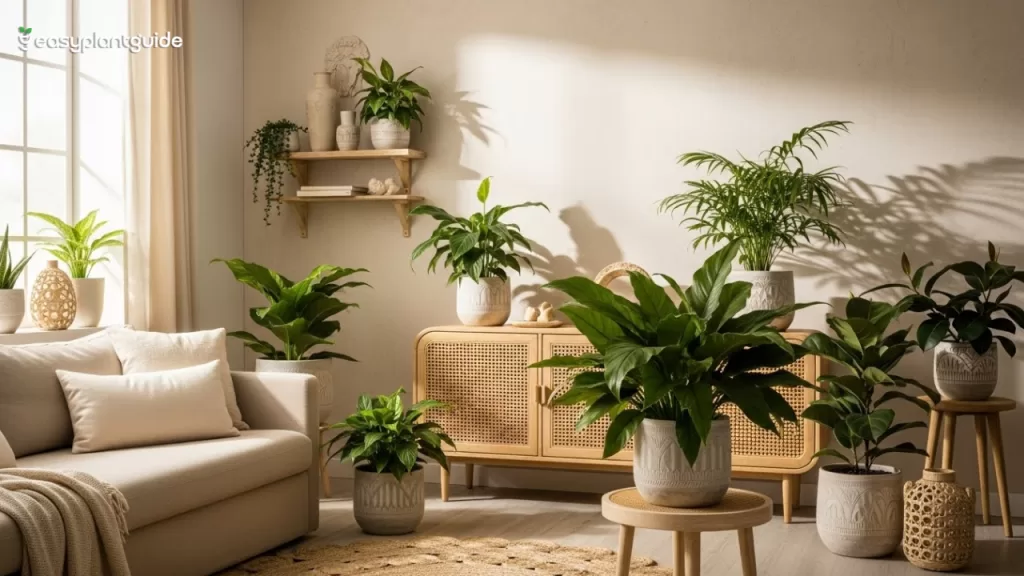
Where you place your Algoma plant matters.
- Minimalist pots highlight foliage
- Wooden stands add warmth
- Group with other green plants
- Place near natural light
- Use neutral backgrounds
Algoma Plant for Beginners
If you’ve struggled to keep plants alive in the past, the Algoma plant is an excellent place to start. Its forgiving nature allows it to withstand occasional missed waterings or less-than-perfect light conditions, making it ideal for beginners. Unlike fussy plants that react instantly to neglect, the Algoma plant adapts and continues to grow, giving you room to learn without stress.
Caring for this plant can also help build confidence in your green-thumb skills. It teaches you the basics of watering, light management, and pruning while rewarding consistent care with lush, healthy foliage. Over time, even novice plant owners can enjoy a thriving indoor garden with minimal effort.
Seasonal Care Tips for Algoma
Plants feel seasons even indoors.
- Reduce watering in winter
- Stop fertilizing during dormancy
- Clean leaves monthly
- Monitor light changes
- Check for pests occasionally
Myths About Algoma Plant
There are a few common misconceptions about the Algoma plant that often confuse new plant owners. Some people believe it is extremely fragile and difficult to care for, while others think it grows rapidly and will take over a space in no time. In reality, both of these ideas are only half-true.
The Algoma plant is actually quite resilient, able to tolerate minor neglect and adapt to indoor conditions. Its growth is steady and manageable—it won’t suddenly explode with new leaves, but it also won’t collapse if cared for properly. Understanding its true nature helps set realistic expectations, making it easier to enjoy its beauty without worry or frustration.
Conclusion
The Algoma plant is proof that beauty doesn’t have to be complicated. With its graceful leaves, forgiving nature, and calming presence, it fits seamlessly into modern indoor life. Treat it with steady care, respect its rhythms, and it will reward you with quiet growth and lasting charm. If you’re looking for a plant that grows with you rather than demanding from you, the Algoma plant might just be your perfect green companion.
Explore more plant blogs and grow your green journey with us.