
7 Powerful Facts About best tropical indoor plants
When you bring a lush, green tropical plant into your home, it’s like inviting an exotic friend who instantly best tropical indoor plants transforms your space. These plants don’t just sit in a corner — they breathe life into it. Their broad, glossy leaves and vibrant hues create a warm, inviting atmosphere that feels both calming and energizing at the same time. Imagine waking up to a Monstera with its stunning split leaves or a Bird of Paradise stretching toward the sunlight — it’s like having a little piece of the rainforest right in your living room.
Tropical indoor plants aren’t just about beauty; they also improve air quality, lift your mood, and make your home feel more alive. They thrive in the cozy warmth of indoor spaces and, with a bit of love and attention, reward you with year-round greenery. Whether you’re new to houseplants or already a plant parent looking to expand your collection, this guide will walk you through everything — from choosing the best tropical indoor plants to caring for them, styling your space, and solving common plant problems.

Why Tropical Indoor Plants Are a Game-Changer
Tropical plants aren’t just pretty—they bring benefits. They can:
- boost mood and reduce stress
- purify indoor air
- create a mini-escape vibe in your home
- add texture and visual interest where plain walls live
- help with humidity balance
They do require a little attention, but with the right moves, they thrive. Think of them like pets: sensitive, needy, but rewarding.
What Makes a Plant “Tropical”?
A plant is “tropical” when it naturally comes from humid, warm, often rainforest environments. That means:
- high humidity tolerance
consistent warmth best tropical indoor plants (rarely cold tolerant) - lush foliage—broad leaves, dramatic shapes
- desire for filtered light (not always full sun)
When you bring that to your home, you must mimic some of those vibes.
Top 10 Best Tropical Indoor Plants
Here are ten tropical indoor plants you’re going to want in your life (yes, life):
| Plant Name | Light Needs | Watering Frequency | Ideal Humidity | Notes |
| Monstera deliciosa | Bright, indirect | Weekly | High | Famous Swiss cheese leaf |
| Fiddle Leaf Fig (Ficus lyrata) | Bright, indirect | Moderate | Medium-high | Dramatic and popular |
| Bird of Paradise | Bright light | Weekly | High | Can bloom indoors with enough light |
| Calathea | Low to medium | Evenly moist | Very high | Leaves move—“prayer plant” |
| Rubber Plant (Ficus elastica) | Medium to bright | Moderate | Medium | Glossy leaves, hardy |
| Philodendron Birkin | Medium | Moderate | Medium | Striking variegation |
| Alocasia (Elephant Ear) | Bright but filtered | Evenly moist | Very high | Big, bold foliage |
| Anthurium | Bright, indirect | Keep damp | High | Red heart-shaped flowers |
| Monstera adansonii | Medium to bright | Moderate | High | Delicate perforated leaves |
| Peace Lily (Spathiphyllum) | Low to medium | Keep moist | Medium | White blooms, forgiving plant |
These are some of the best best tropical indoor plants tropical indoor plants because they combine beauty, adaptability, and a chance to shine in home settings.
How to Choose the Right One for You

You’re busy. You may travel. You may forget watering. Choose a plant that fits you, not the other way around.
Assess Your Light Conditions
- North windows = low light
- East or west windows = medium
- South windows = bright, possibly harsh
Time & Attention Budget
- High care: Calathea, Alocasia (demanding humidity)
- Low to medium care: Rubber Plant, Monstera adansonii
Size & Space
- Big rooms = Fiddle Leaf Fig, Bird of Paradise
Tighter nooks = Philodendron, best tropical indoor plants Calathea
Here are 5 signs your tropical plant is happy:
- new leaf growth
- leaves are firm and vibrant
- soil holds moisture but not soggy
- leaves point upward, not droop
- no significant brown edges
And 5 red flags to watch out for:
- yellowing lower leaves
- brown crispy tips
- wilting despite watering
- sticky residue (bugs)
- leaves dropping off
Light, Water, Soil—The Holy Trinity of Plant Care
Light Requirements
Most tropical indoor plants love bright, filtered light — the kind that mimics what they’d get under the canopy of tall rainforest trees. Direct sunlight, best tropical indoor plants especially during the afternoon, can scorch their delicate leaves, leaving brown spots or faded patches. That’s why it’s best to place them near east- or west-facing windows, where they can enjoy gentle morning or late-afternoon light. If your only option is a south-facing window, hang sheer curtains to diffuse the harsh rays.
For homes with limited natural light, don’t worry — grow lights can work wonders. Full-spectrum LED lights are an excellent substitute and can best tropical indoor plantskeep your plants thriving even in darker rooms. The key is to observe your plants: if they start stretching toward the window or their colors fade, they’re probably craving more light.
Watering Strategy
Watering tropical plants isn’t just about pouring water into the pot; it’s about finding balance. Most tropicals prefer evenly moist soil — not bone dry, but not soggy either. A good rule of thumb is to check the top 1–2 inches of soil; if it feels dry to best tropical indoor plants the touch, it’s time to water. Always use room-temperature water, as cold water can shock the roots, especially in plants used to warm climates.
Pour water slowly and evenly across the soil surface until you see a bit of it drain out from the bottom. This ensures the roots get hydrated without becoming waterlogged. Make sure your pot has drainage holes, because stagnant water can cause root rot, best tropical indoor plants one of the most common killers of tropical plants. In winter, when growth slows, reduce watering frequency since the soil tends to stay moist longer.
Soil & Potting Mix
The right soil mix is the secret to happy tropical plants. These beauties thrive in well-draining yet moisture-retentive soil — a mix that keeps roots hydrated without suffocating them. A perfect tropical potting blend usually contains:
- Peat moss or coco coir for moisture retention
Perlite or pumice for aeration and drainage - Orchid bark or coco chips for structure and airflow
- Activated charcoal to absorb impurities and prevent odor
This mix mimics the loose, nutrient-rich soil of the rainforest floor, where tropical plants naturally grow. Avoid using dense garden soil — it compacts easily and restricts oxygen flow to the roots. Replenish or refresh your potting mix every year or two, as organic matter breaks down over time and affects soil texture.
When potting, always choose a container with proper drainage, and don’t go too large. Tropical plants actually prefer a slightly snug fit, which encourages healthier root development and better moisture control.
Humidity—The Secret Ingredient
Tropicals love moisture in the air. Aim for 50–70% humidity. Here’s how:
- group plants together
- use pebble trays with water
- run a humidifier
mist (with caution)
If humidity’s too low, leaves brown at edges or curl.
Feeding & Fertilizing
Tropicals are generally light feeders. Use a balanced, diluted liquid fertilizer:
- feed every 4–6 weeks in growth season
- skip in winter
- flush soil occasionally to prevent salt buildup
Pruning, Propagation & Repotting
- Remove yellowed or damaged best tropical indoor plantsleaves
- Pinch tips to encourage bushiness
- Propagate via stem cuttings or division
- Repot every 1–2 years (or when root bound)
Styling & Placement Tips
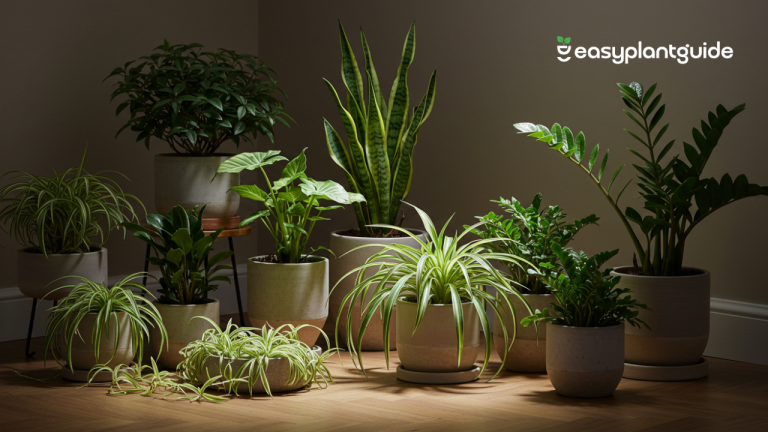
- Use varied pot heights
Mix textures—broad leaves, feathery foliage - Let tall plants anchor corners
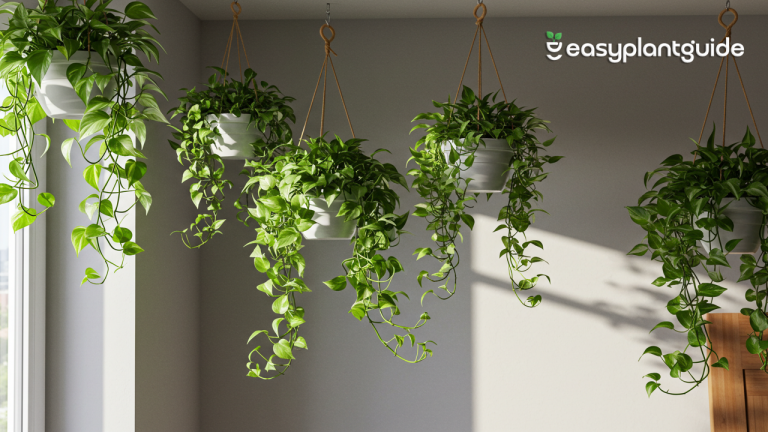
- Trailers (like Philodendron adansonii) spill best tropical indoor plants b eautifully from shelves
- Use decorative pots with drainage
Dealing With Common Problems
Pests (Spider mites, scale, mealybugs)
- Wipe leaves
- Use insecticidal soap
- Quarantine new plants
Leaf Yellowing or Browning
- Overwatering?
- Poor light?
Low humidity?
Leggy Growth
- It’s not getting light where it’s planted
- Rotate periodically
Drooping Leaves
- Underwatering or root issues
Seasonal Tips & Adjustments
- In spring/summer, growth is active — more water & feed
- In autumn/winter, slow down — less water, pause fertilizer
- Watch for pests that pop up in dry winter air
Top 3 Tropical Plants Ideal for Beginners
- Monstera deliciosa – forgiving, dramatic
- Rubber Plant – robust, low maintenance
- Peace Lily – blooms even in lower light
All three balance beauty with ease.
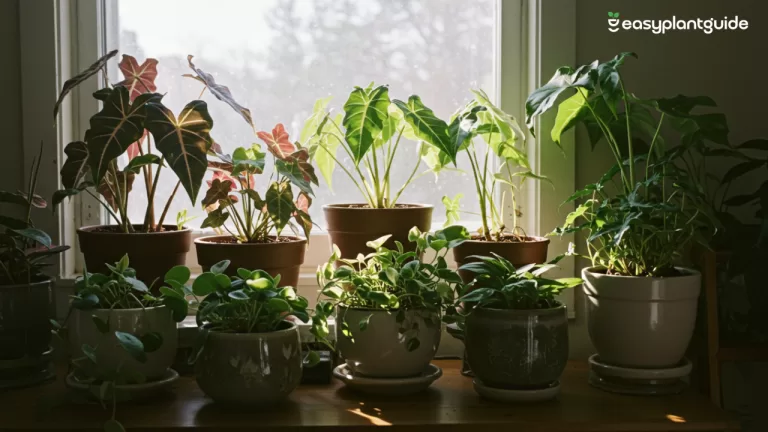
5 Ways to Showcase Tropicals in Your Home
- Statement floor plant in your living room
- Group on a plant shelf (varied heights)
- Hanging planters with trailing vines
Bathroom oasis (for humidity)
Entryway welcome green
Final Thoughts
Bringing tropical plants into your home is like welcoming joy, calm, and beauty into your daily life. These vibrant greens instantly transform your space, adding freshness and personality to every corner. Imagine the broad leaves of a Monstera casting playful shadows on the wall or the elegant Fiddle Leaf Fig standing tall like nature’s sculpture. Each best tropical indoor plantsplant tells its own story — the Peace Lily whispers serenity, the Bird of Paradise radiates energy, and the Calathea dances gracefully as the day turns to night. Their lush presence doesn’t just elevate your home’s aesthetic; it also purifies the air and brings a relaxing, tropical vibe that soothes your mind.
Caring for tropical plants is like forming a quiet friendship. Give them bright but gentle light, keep their soil slightly moist, and ensure the air around best tropical indoor plants them feels humid and warm. Observe them closely — they’ll communicate through their leaves, showing happiness with new growth or stress through drooping and discoloration. When you nurture them with love and patience, they reward you with thriving greenery and an atmosphere filled with peace and vitality. In return for your care, these living best tropical indoor plantstreasures bring a slice of the tropics into your home, turning ordinary rooms into lush, life-filled sanctuaries.
Checkout for more Blogs Details here.