
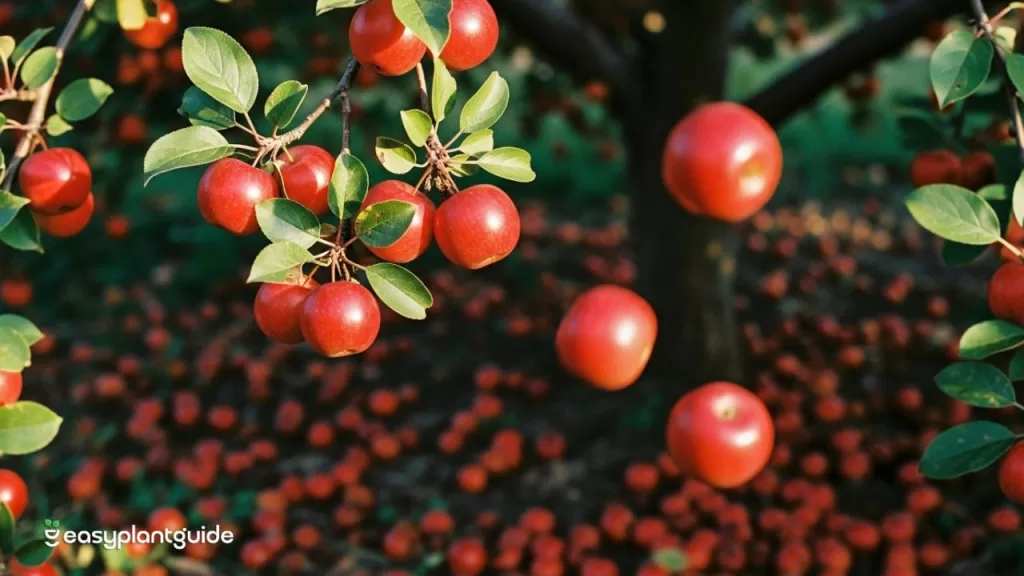
If you’re searching for a tree that combines elegance, color, and resilience in one beautiful package, the Crabapple Red Baron deserves a top spot on your garden wishlist. This stunning ornamental tree brings year-round beauty to any landscape, offering bursts of deep red blooms in spring, glossy foliage in summer, and striking fruit that persists through winter. Whether you’re an experienced gardener or just starting your landscaping journey, the Red Baron Crabapple will reward you with color, charm, and easy maintenance. Let’s explore everything that makes this tree such a standout favorite.
What Is the Crabapple Red Baron Tree?
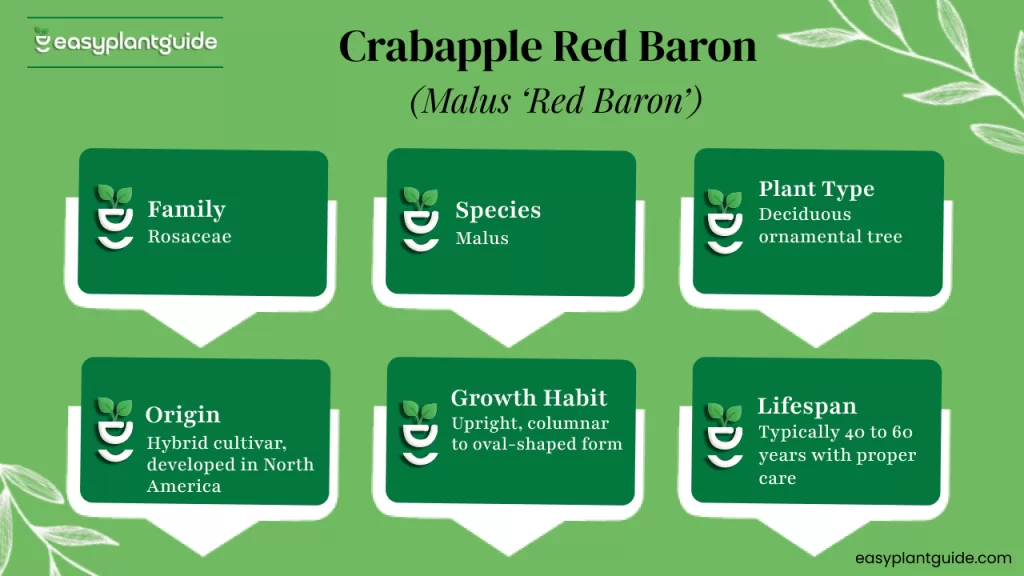
The Crabapple Red Baron (Malus ‘Red Baron’) is a deciduous ornamental tree renowned for its spectacular red blossoms and shiny foliage. It belongs to the Rosaceae family and was bred to provide lasting beauty while maintaining disease resistance and compact growth. Unlike standard crabapple trees that can grow too large for small yards, the Red Baron stays relatively narrow and upright, making it a perfect choice for limited spaces. This tree is loved for its versatility—it’s equally beautiful in front yards, garden borders, or as a standalone showpiece that commands attention throughout the year.
Botanical Classification of Crabapple Red Baron
| Feature | Details |
| Botanical Name | Malus ‘Red Baron’ |
| Common Name | Red Baron Crabapple |
| Family | Rosaceae |
| Type | Deciduous ornamental tree |
| Height | 15–20 feet |
| Spread | 10–15 feet |
| Flower Color | Deep red |
| Fruit Color | Bright red |
| Bloom Time | Spring |
| Hardiness Zones | USDA 4–8 |
The Crabapple Red Baron grows into a medium-sized ornamental tree with an upright, columnar form. Its adaptability allows it to flourish in a wide range of climates and soil types, from cool northern zones to warmer southern regions. Its showy blossoms and decorative fruits make it both functional and aesthetic, offering a mix of elegance and durability rarely found in one plant.
Why Gardeners Love the Crabapple Red Baron
It’s no surprise that the Crabapple Red Baron has become a favorite among homeowners and landscape designers alike. Its vivid display of color and low maintenance make it an ideal choice for modern gardens. Here are five standout reasons why gardeners absolutely love it:
- Brilliant red flowers that brighten up spring gardens.
- Compact shape perfect for small yards or courtyards.
- Year-round visual interest with changing foliage and fruits.
- Wildlife-friendly tree that attracts birds and pollinators.
- Resilient and hardy in diverse weather conditions.
This combination of beauty, practicality, and reliability makes the Red Baron a tree worth planting in any garden setting.
Eye-Catching Spring Blooms
Spring is when the Crabapple Red Baron truly takes the stage. As winter fades, this tree bursts into life with clusters of crimson-red flowers that cover every branch like a velvet carpet. The intense color adds drama to your landscape and perfectly complements other spring-blooming plants. Each blossom releases a subtle fragrance that attracts bees, butterflies, and other pollinators. The contrast between the deep red petals and fresh green leaves creates a stunning visual effect that feels almost magical—like nature’s fireworks welcoming the season of renewal.
Striking Foliage and Seasonal Changes
The Red Baron’s beauty doesn’t end once spring is over. As the months pass, the tree’s dark green leaves continue to shine, maintaining a polished look throughout summer. When fall arrives, the foliage shifts from deep green to shades of orange, bronze, and red, creating a breathtaking autumn display. Even after the leaves drop, the small glossy red fruits stay attached to the branches, ensuring visual interest through winter. This year-round color transformation keeps your garden looking lively and dynamic in every season, offering nature’s artwork right outside your window.
Dazzling Red Fruits That Last Through Winter
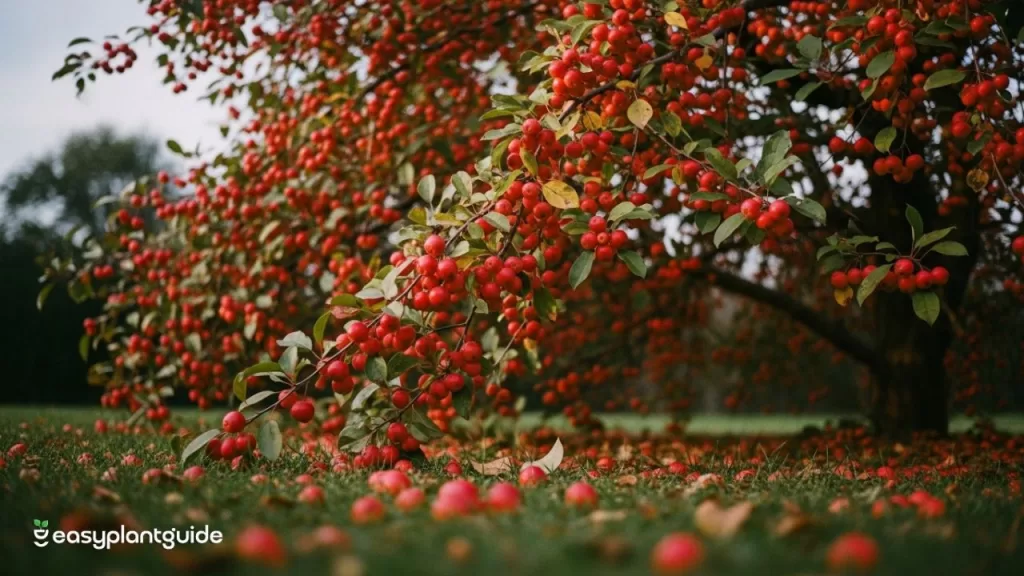
One of the most beloved features of the Crabapple Red Baron is its bright red fruits that persist well into the cold months. These small, glossy crabapples remain attached to the branches even after the leaves have fallen, creating a cheerful pop of color against snowy or bare landscapes.
- The fruits are a magnet for birds, providing food during lean winter months.
- They can be used to make homemade jellies or preserves.
- The tree’s fruits remain ornamental throughout winter, enhancing curb appeal.
- They serve as a natural winter decoration without extra effort.
- They symbolize endurance and vitality in cold weather.
These fruits not only bring aesthetic value but also support local wildlife, ensuring your garden stays full of life even in winter.
Perfect for Small Gardens
Not every gardener has acres of space to work with, and that’s where the Red Baron Crabapple shines. Its compact size—typically reaching 15 to 20 feet tall and around 10 to 15 feet wide—makes it a perfect fit for urban landscapes or smaller backyards. The tree’s upright growth habit ensures it doesn’t spread too widely, leaving room for companion plants or flower beds below. Despite its modest stature, it delivers an abundance of color and presence, making it the ultimate small-space solution for gardeners who crave beauty without bulk.
Low Maintenance and Easy to Grow
The Crabapple Red Baron is one of the easiest ornamental trees to grow, making it perfect for busy homeowners or beginner gardeners. It adapts to most soil types, from clay to loam, as long as the soil is well-drained. With full sunlight exposure, it grows vigorously and produces the best color displays. To keep it thriving:
- Sunlight: Provide at least 6 hours of direct sunlight daily.
- Watering: Water regularly during its first growing season.
- Pruning: Lightly prune in winter to shape and remove dead branches.
- Fertilizing: Apply a balanced fertilizer in spring.
- Mulching: Use organic mulch to retain soil moisture and control weeds.
Follow these steps, and your Red Baron will reward you with effortless beauty for years to come.
Impressive Disease Resistance
Unlike some older crabapple varieties that are prone to apple scab, rust, and mildew, the Red Baron Crabapple boasts excellent resistance to common diseases. This means you won’t have to constantly battle leaf discoloration or fruit drop. Its strong genetic lineage allows it to maintain glossy, healthy leaves even in humid or rainy conditions. By planting this variety, you reduce the need for chemical treatments and enjoy a low-maintenance tree that looks great year after year. Disease resistance is one of its biggest strengths, making it an environmentally friendly choice for sustainable gardens.
Attracts Pollinators and Wildlife
If your goal is to create a thriving, biodiverse garden, the Crabapple Red Baron is a natural choice. Its early spring blooms attract bees and butterflies searching for nectar after the winter season, helping to kickstart pollination in your garden.
- Bees gather pollen from the flowers early in the season.
- Butterflies visit frequently for nectar.
- Birds feast on the fruits in autumn and winter.
- The tree supports beneficial insects that aid nearby plants.
- It helps build a healthy and balanced ecosystem in your yard.
Planting one Red Baron can transform your garden into a buzzing haven of life, supporting pollinators and wildlife alike.
Planting the Crabapple Red Baron Tree
When it comes to planting the Crabapple Red Baron, location and soil preparation are key. Choose a sunny spot with well-drained soil and good airflow. Dig a hole twice the width of the root ball and just as deep. Place the tree in the center, ensuring the top of the root ball is level with the ground. Backfill with soil, water thoroughly, and apply a layer of mulch around the base. Proper spacing and air circulation prevent disease and promote healthy growth. With the right start, your Red Baron will establish quickly and flourish for decades.
Ideal Growing Conditions
This tree thrives in USDA Hardiness Zones 4–8, making it suitable for most regions across North America and Europe. It tolerates both cold winters and hot summers, as long as it receives full sunlight and adequate moisture. The Red Baron performs best in slightly acidic to neutral soil with moderate fertility. Avoid waterlogged areas, as crabapples dislike standing water. When grown under optimal conditions, you’ll enjoy vigorous growth, prolific blooming, and healthy foliage that remains vibrant throughout the growing season.
Pruning and Shaping Tips
Pruning is essential to maintain the Crabapple Red Baron’s attractive form and ensure healthy growth. The best time to prune is late winter or early spring before new buds form. Start by removing any dead, damaged, or crossing branches to improve airflow. Focus on keeping an open canopy that allows light to reach all parts of the tree. Think of pruning as giving your tree a yearly haircut—it keeps it youthful and productive. Avoid heavy pruning, as this can reduce flowering for the next season.
Common Problems and How to Fix Them
Although the Red Baron Crabapple is hardy and disease-resistant, it may occasionally face minor issues.
- Aphids: Wash off with water or use insecticidal soap.
- Caterpillars: Remove by hand or use natural predators.
- Leaf spots: Ensure proper spacing and avoid wetting foliage.
- Root rot: Prevent by improving drainage and avoiding overwatering.
- Deer damage: Protect young trees with mesh guards.
Addressing these problems early ensures your tree remains healthy, vigorous, and full of life throughout its lifespan.
How to Use Crabapple Red Baron in Landscaping
Thanks to its stunning appearance and versatile size, the Red Baron Crabapple suits a variety of landscaping designs. It works beautifully as a standalone specimen, adding drama to front yards. You can also plant several in a row for a colorful border or use it as a focal point in mixed planting beds. Its upright shape makes it suitable for narrow spaces, while its seasonal color changes bring visual diversity. Whether you’re designing a modern, rustic, or cottage-style garden, this tree enhances every landscape with elegance and vitality.
Red Baron vs. Other Crabapple Varieties
| Feature | Red Baron | Prairifire | Adirondack |
| Height | 15–20 ft | 15–20 ft | 18–20 ft |
| Flower Color | Deep red | Magenta | White |
| Fruit Color | Bright red | Purple-red | Orange-red |
| Disease Resistance | Excellent | Very Good | Good |
| Form | Upright | Rounded | Columnar |
The comparison highlights how the Red Baron excels in ornamental value and disease resistance. Its upright shape fits modern landscapes, while the deep red blooms make it one of the most visually captivating crabapples available today.
Fun Facts About the Crabapple Red Baron
Here are some fascinating facts that make this tree even more interesting:
- The crabapple is one of the earliest cultivated ornamental trees in human history.
- The Red Baron was developed through selective breeding for color and hardiness.
- Its blossoms are fragrant and often used in spring floral arrangements.
- The fruit can be made into tangy jellies or even fermented for cider blends.
- In folklore, crabapples symbolize love, renewal, and fertility, making them ideal gifts for newlyweds or new homeowners.
Tips for Year-Round Beauty
To keep your Crabapple Red Baron looking spectacular all year long, a few simple steps go a long way. Apply a layer of mulch in spring to retain moisture and control weeds. Fertilize once a year with a balanced formula to encourage blooming. Water regularly during dry spells, especially in summer. Remove fallen leaves to prevent fungal buildup, and protect the trunk in winter using a tree guard. Consistent care keeps your tree healthy and ensures breathtaking displays every season.
Conclusion
In the world of ornamental trees, the Crabapple Red Baron is a masterpiece of color, form, and resilience. Its fiery red blossoms, glossy foliage, and bright winter fruits make it a four-season wonder that transforms any landscape into a living work of art. Beyond its beauty, it’s easy to grow, environmentally friendly, and adored by wildlife. Whether you’re creating a new garden or upgrading your existing one, the Red Baron Crabapple offers unmatched charm and lasting value a true gem for every garden lover.
Explore more plant blogs and grow your green journey with us.